Best Time of Day to Cold Plunge: Morning, Afternoon, or Evening?
Home / News / Best Time of Day to Cold Plunge: Morning, Afternoon, or Evening?
November 07, 2026
Determining the best time of day to cold plunge depends on individual scheduling preferences, subjective responses, and daily physical demands. Cold water immersion provokes immediate autonomic adjustments, causing rapid cutaneous vasoconstriction and an acute shift in cardiovascular load. Whether someone chooses to immerse themselves shortly after waking, during a midday break, or later in the day often comes down to personal tolerance. Finding the best time of day to cold plunge involves evaluating how exposure fits around regular training, daily commitments, and personal comfort.
While personal routines often dictate when cold exposure occurs, scientific evidence directly comparing different times of day remains preliminary. Early immersion is favored by some for subjective morning readiness, whereas timing around workouts requires careful consideration of athletic priorities and perceived fatigue.
Is There a Best Time of Day to Cold Plunge?
The short answer: align timing with physiological goals and daily routines
There is no scientifically verified universal hour that applies to every individual. If the goal is subjective morning alertness, stepping into chilled water early in the day is a common preference. In contrast, an athlete aiming to ease subjective muscle soreness after sustained endurance exercise might schedule immersion later in the day, following their training session.
Habitual consistency often matters more than searching for an elusive ideal moment. Incorporating cold exposure at a time that seamlessly integrates with daily responsibilities helps maintain a stable routine. Selecting a window where access to water is dependable allows individuals to focus on steady breathing without unnecessary rush.
What the scientific literature reveals (and what it cannot prove)
Controlled research directly contrasting morning and evening ice bath protocols is limited. A crossover trial in twelve healthy adults examined morning versus evening immersion and observed acute shifts in circulating hormones, including noradrenaline, as well as transient alterations in lipid profiles. However, these small acute observations do not demonstrate that one time of day delivers superior health or metabolic benefits over another.
Broader clinical literature consistently documents basic immediate responses: peripheral vasoconstriction, elevated mean arterial pressure, and acute sympathetic activation. Beyond these documented acute physiological reactions, broad assertions claiming accelerated fat metabolism or systemic cures tied to specific immersion hours lack empirical support. Thermal exposure represents an acute stressor rather than an automated therapeutic solution.
Best Time to Cold Plunge by Goal
For a consistent general-wellness routine
Many wellness advocates gravitate toward early morning as a preferred time for cold exposure. Entering water typically kept between 10°C and 15°C activates cutaneous thermoreceptors, initiating a rapid sympathetic discharge and an acute rise in plasma catecholamines. Many individuals find that this sudden thermal stimulus provides a noticeable sensation of waking readiness.
Approaching thermal stress with focused breathing early in the day can serve as an intentional routine anchor. While durable mood stabilization or long-term cognitive enhancements remain unproven by clinical literature, many individuals enjoy the immediate subjective focus that cold contact provides.
For post-exercise soreness and short-term recovery
Athletes frequently look to cold water immersion to mitigate post-exercise soreness. Systematic reviews indicate that immersion following strenuous exercise can reduce subjective ratings of delayed-onset muscle soreness over a 24- to 96-hour window. It may also lower subjective ratings of perceived physical fatigue.
Water immersion and low temperatures prompt peripheral vasoconstriction and impart hydrostatic pressure, which may temporarily limit localized edema. While some observers previously suggested that cold water flushes out metabolic byproducts, scientific reviews attribute perceived relief primarily to altered nerve conduction velocity, localized desensitization, and reduced swelling. The extent of this recovery benefit varies considerably depending on the activity performed and individual conditioning.
Before or after resistance training: managing training adaptations
Individuals engaged in hypertrophy or maximal strength training must consider potential interference effects. Meta-analyses and systematic reviews indicate that routinely using cold water immersion immediately following resistance training can blunt long-term muscle hypertrophy and attenuate maximal strength adaptations. The blunting of cellular signaling cascades, including pathways related to muscle protein synthesis, appears to be an unintended side effect of immediate post-exercise cooling.
Those wanting to maximize muscle size or strength gains often choose to avoid routine cold immersion right after lifting sessions. Scheduling cold exposure on non-lifting rest days, or introducing an extended break between lifting and cold exposure, represents a practical strategy used by athletes, though exact timing intervals remain an unverified practical preference rather than a strict biological rule.
In the evening: distinguishing cold-water immersion from passive cooling
Evening cold plunges require careful personal monitoring because human sleep regulation involves natural circadian core temperature changes. While a warm bath promotes peripheral vasodilation that allows core heat to radiate outward, immersion in chilled water induces cutaneous vasoconstriction that initially impedes heat dissipation through the skin.
Subsequent rewarming and potential post-immersion shivering can cause cardiovascular arousal in sensitive individuals. Direct clinical evidence assessing sleep architecture after cold immersion remains scarce and inconclusive. Those exploring evening immersion often experiment with conservative durations well before bedtime to observe how their personal sleep patterns respond.
Morning vs. Afternoon vs. Evening Cold Plunges
Morning: convenience, circadian alignment, and sustained alertness
Choosing a morning immersion aligns with everyday habit formation. Natural core body temperature and cortisol levels gradually rise in the morning hours to prepare the body for daily activity. Cold water provides an acute sympathetic stimulus that many users find complements this natural waking transition.
From an operational standpoint, morning sessions often encounter fewer scheduling interruptions compared to later parts of the day. Completing an immersion before work or household duties begin provides a dependable personal routine that does not conflict with unpredictable afternoon obligations.
Afternoon: bridging training sessions and midday mental fatigue
Scheduling an immersion during the afternoon serves primarily as a pragmatic response to training calendars. Many athletes complete midday or early afternoon workouts and use cold water afterward when managing acute soreness across high-frequency training blocks.
For non-athletes, taking an afternoon plunge can simply offer a break from desk work. While some individuals report that cold immersion helps dispel midday sluggishness, such effects represent subjective sensory stimulation rather than a validated metabolic correction.
Evening: relaxation protocols and sleep considerations
Reactions to late-day cold exposure show substantial individual variance. A portion of regular users describe a calming post-immersion relaxation once initial peripheral vasoconstriction subsides and their body slowly rewarms. For them, quiet evening immersion serves as a mindful sensory break.
Conversely, other individuals experience persistent tachycardia, mental alertness, or temperature instability that makes settling down difficult. Because the limited crossover studies measured acute blood markers rather than nocturnal sleep stages, users should monitor their own recovery metrics carefully when considering evening sessions.
Comprehensive comparison: timing, physiological mechanism, and practical caveats
May blunt adaptations if used repeatedly right after lifting
Sleep effects not established
May reduce perceived soreness; repeated immediate post-lifting use may blunt adaptations
Evening
Personal sensory reset, contrast hydrotherapy routines
Cutaneous vasoconstriction followed by gradual rewarming
Requires careful separation from evening strength sessions
Highly variable across individuals; evidence remains limited
Limited; current investigations examine acute biomarkers rather than sleep
Should You Cold Plunge Before or After a Workout?
Plunging before exercise: pre-cooling contexts vs. neuromuscular risks
Pre-cooling in cold water has documented utility in specific sporting environments, particularly prolonged endurance events held under high ambient heat. Pre-immersion reduces baseline core temperature, thereby extending the thermal margin before heat-related exhaustion sets in. Distance runners and cyclists competing in hot climates occasionally implement controlled pre-cooling for this purpose.
In contrast, cold water immersion immediately prior to explosive, heavy resistance exercise is generally counterproductive. Chilling skeletal muscle decreases muscle compliance, reduces nerve conduction velocity, and limits acute force development. Demanding maximal muscular power from cooled tissues can temporarily impair movement execution and contractile performance.
Post-endurance and high-intensity conditioning
Using cold water immersion following endurance conditioning, running, or interval training is a widely adopted practice for managing exercise-induced thermal strain and acute discomfort. Immersion lowers elevated muscle and skin temperatures while providing transient relief from systemic aches.
However, the cellular adaptations resulting from combined endurance training and regular cold exposure show variable findings across athletic trials. While many distance athletes appreciate the immediate reduction in perceived soreness, cold immersion should be viewed as an optional recovery strategy rather than an obligatory requirement for performance progress.
Post-hypertrophy and strength training: weighing soreness against adaptation
When skeletal muscle hypertrophy and maximal force development represent the central goals of training, routine cold immersion right after lifting should generally be avoided. Muscular adaptation relies in part on acute inflammatory cascades and intracellular signaling that stimulate muscle protein synthesis over time.
Acute Turnaround Scenarios: When prioritizing immediate subjective comfort across back-to-back competition bouts, acute soreness relief may supersede long-term muscular growth.
Hypertrophy Training Phases: Avoid routine post-lifting immersion, choosing instead to schedule cold sessions on non-lifting days or separating them by an extended buffer.
Subjective Comfort Considerations: If cold exposure is used to address intense localized stiffness, understand that muscular adaptations may be partially compromised.
Prioritizing turnaround time between consecutive events
During congested competitive tournaments where an athlete must perform repeatedly across the same weekend, long-term hypertrophy matters far less than temporary physical readiness. In these demanding contexts, some competitors choose post-event cold immersion as an optional strategy to dampen subjective soreness and cool down rapidly.
Because scientific reviews highlight variable individual outcomes, post-event cold immersion protocols should not be treated as a guaranteed performance enhancer. Athletes must determine through personal trial whether brief immersion genuinely supports their readiness or leaves their muscles feeling uncomfortably stiff.
How to Choose Your Cold-Plunge Timing
Step 1: define your primary operational objective
Identify the core purpose behind cold exposure. If the goal centers on mental routine and morning readiness, scheduling immersion shortly after waking is sensible. If the goal is managing soreness after arduous running or cycling, an afternoon post-exercise immersion provides practical utility.
Step 2: audit your exercise regimen and bedtime buffer
Review your weekly training plan to avoid conflicts with strength sessions. If you perform resistance training in the late afternoon, avoid placing cold water immersion immediately afterward. Furthermore, individuals sensitive to evening arousal should preserve a comfortable buffer before bedtime to observe individual sleep tolerance.
Step 3: establish baseline tolerance with progressive immersion
Approaching cold immersion demands personal moderation and conservative initial parameters. Rather than committing to extreme temperatures, individuals should enter the water deliberately, maintain calm diaphragmatic breathing, and avoid staying in past the point of comfort. People with underlying health risks should obtain clinical clearance rather than progressing through arbitrary exposure schedules.
Cold-Plunge Scheduling Framework:
[Primary Objective]
   ├── Morning Focus & Routine  ──> Morning session, aligning with daily waking schedule
   ├── Resistance Training Goal ──> Non-lifting days or separated from lifting sessions
   ├── Post-Endurance Soreness  ──> Following cardio sessions, evaluating personal relief
   └── Evening Exploration      ──> Conduct with a cautious buffer to assess sleep impact
Step 4: design an environmentally stable, repeatable setup
Routine consistency relies on having dependable equipment that avoids excessive preparation barriers. Constantly hauling commercial ice bags creates temperature variability and logistical friction that often leads to abandoned routines. A dedicated tub equipped with a heat-pump control system can help regulate water temperature, providing accessible conditions whenever immersion is scheduled.
Safety and Practical Considerations
Cold shock response and breath control
Initial contact with water below 15°C prompts the mammalian cold shock response, characterized by an involuntary inspiratory gasp, hyperventilation, and an acute spike in systemic blood pressure. If an individual panics, sudden gasping creates an aspiration hazard. Remaining still and practicing slow, controlled exhalations helps steady this autonomic reaction.
Forced breath-holding should never be performed during cold immersion due to the risk of syncope. Keeping the head above water, resting hands on stable surfaces, and maintaining steady respiration are essential foundational safety practices.
Medical contraindications and professional consultation
Cold-water immersion exerts substantial stress on the cardiovascular system through sudden vasoconstriction and increased cardiac workload. Individuals with a history of hypertension, coronary artery disease, cardiac arrhythmias, or peripheral circulatory conditions must consult a qualified physician before using a cold plunge.
Similarly, individuals diagnosed with Raynaud’s phenomenon or those who are pregnant should seek individualized medical advice prior to exposing themselves to low-temperature immersion. Clinical assessment ensures that personal risk factors are properly evaluated.
Environmental protocols: immersion etiquette and buddy systems
Never attempt cold water immersion while under the influence of alcohol, medications that cause drowsiness, or impairing substances. When using natural outdoor bodies of water, ensure adequate supervision is present. For private residential tubs, surrounding surfaces must offer reliable traction to reduce the risk of slip-and-fall injuries upon exiting.
Immediate abort indicators
Users should exit the water promptly if any adverse physiological signs appear during immersion:
Sudden lightheadedness, faintness, or visual disturbances
Violent, persistent shivering that interferes with balance or coordination
Marked numbness, loss of motor control, or pain in the extremities
Cognitive confusion or difficulty processing simple instructions
Choosing an Integrated Cold Plunge Setup for Year-Round Consistency
Equipment reliability and temperature stability
A dependable cold exposure routine requires precise temperature management. Makeshift containers subjected to ambient climate swings often produce inconsistent cooling, reaching temperatures that are either too mild to elicit adaptation or unpredictably cold. Integrated heat pump systems provide powered temperature regulation, helping maintain chilled water without the constant chore of purchasing and adding ice.
Eliminating the labor-intensive chore of sourcing ice bags supports consistent scheduling. By utilizing an integrated chilling mechanism to regulate water temperatures, users can pursue their chosen morning or post-exercise schedule without unexpected delays.
Engineering focus: Outdoor Cold Plunge Tub C02
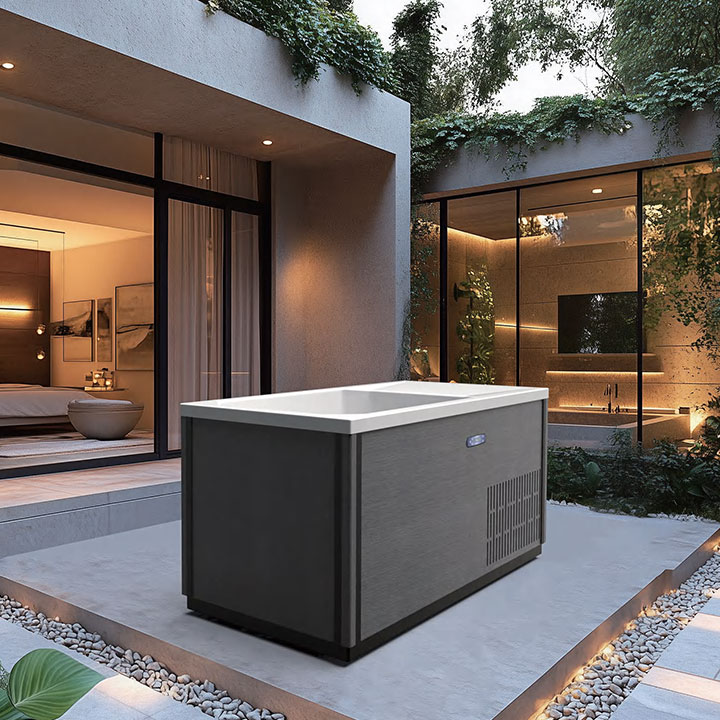
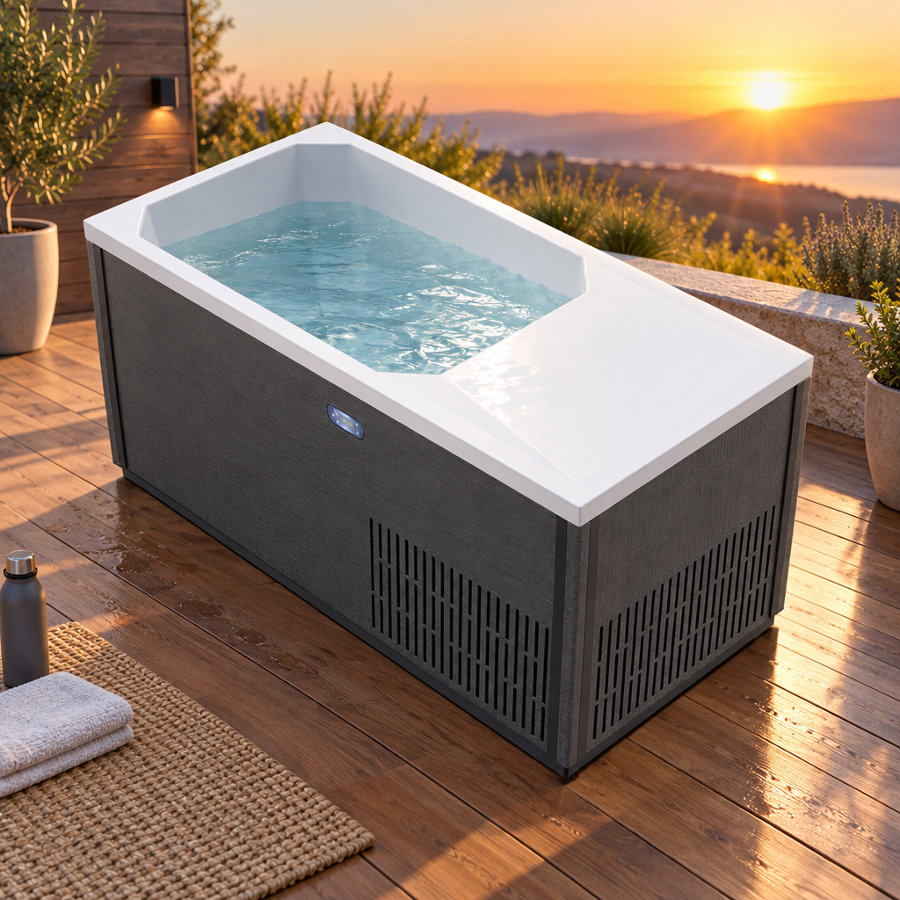
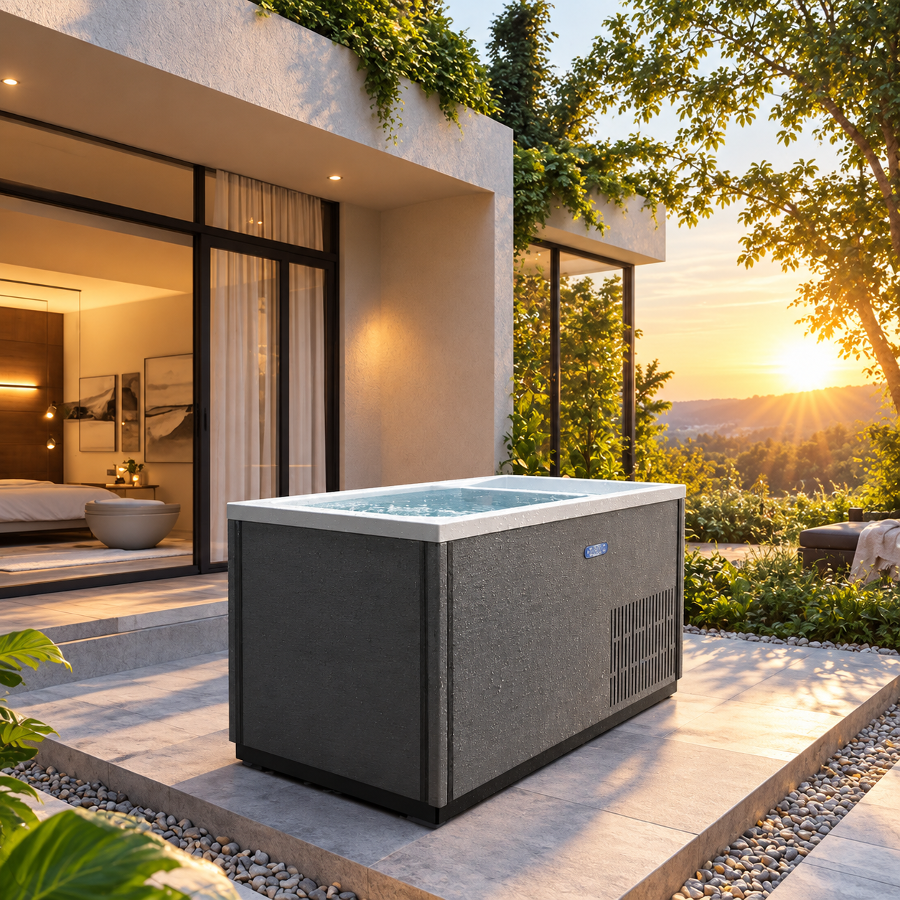
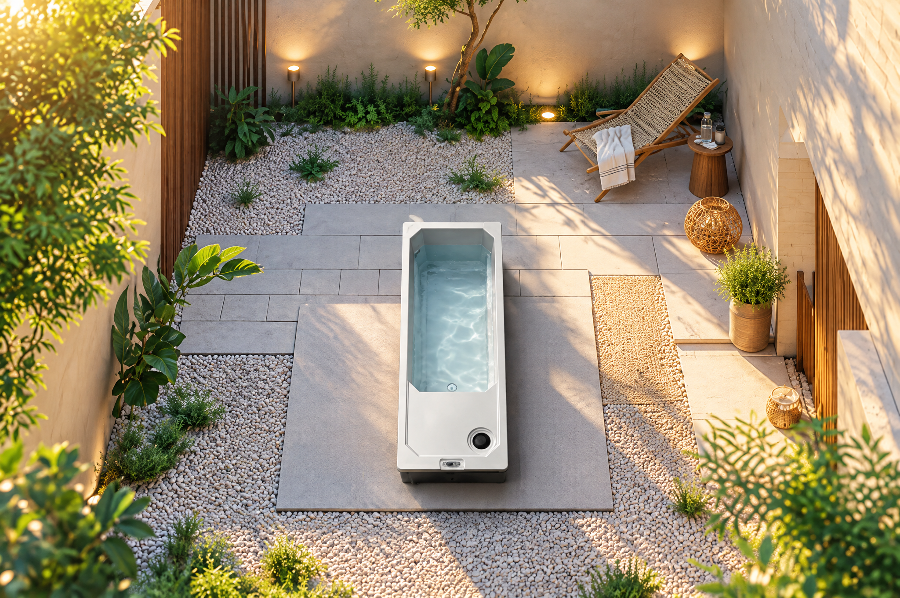
For those seeking a dedicated recovery installation, the Outdoor Cold Plunge Tub C02 offers a manufactured chilling solution. Manufactured by Foshan Gaoming Shiyi Sanitary Ware Technology Co., Ltd. and distributed through the Victoria Star brand, the tub incorporates an integrated 900W heat pump system and a 54W brushless circulation pump to provide regulated water conditions.
Technical Specifications: Outdoor Cold Plunge Tub C02
----------------------------------------------------
Water Volume Capacity     : 320 Liters
External Dimensions Metric: 1695 mm (L) × 830 mm (W) × 850 mm (H)
External Footprint Imperial: 6' × 33" × 34"
Net Structural Weight     : 140 KG
Gross Weight              : 180 KG
Heat Pump Output          : 900 W
Brushless Pump Power      : 54 W
Total Power Supply Draw   : 0.954 KW
Shell Material & Color    : Porcelain / White Acrylic
Cabinet Finish Options    : Platinum, Midnight Composite Panels
Thermal Barrier Included  : 1 PC Insulated Cover
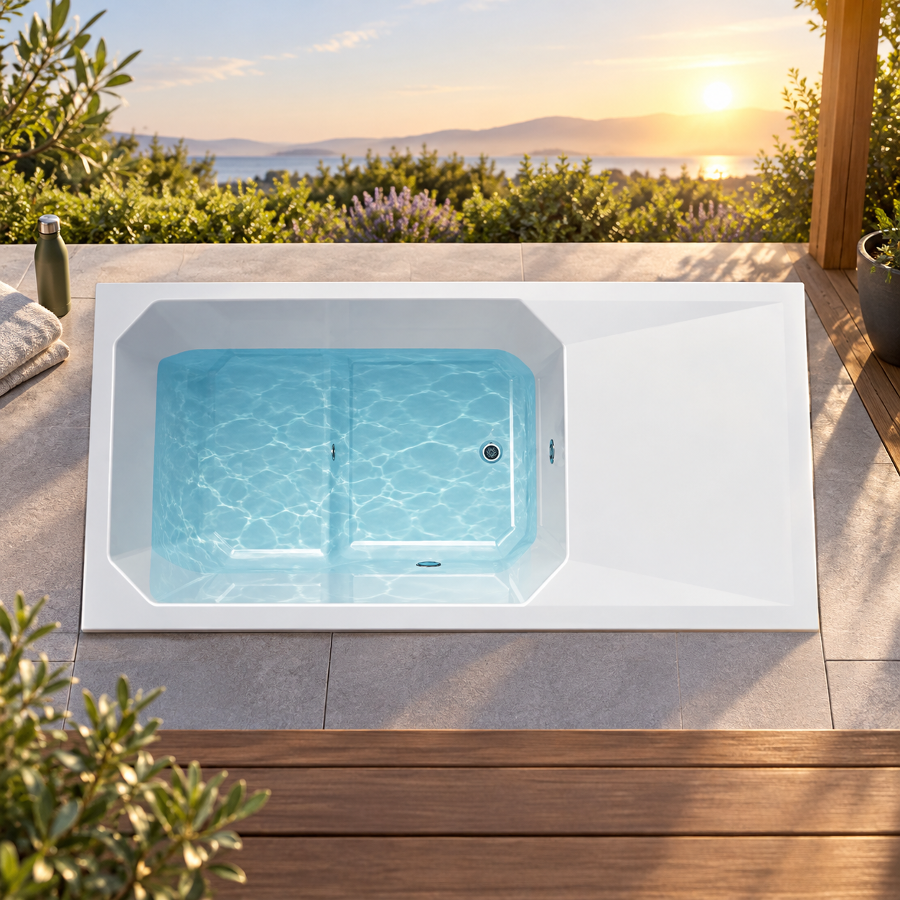
The tub interior features a porcelain acrylic shell equipped with an integrated seating step. With a 320-liter water capacity and external dimensions of 1695 mm by 830 mm by 850 mm, the tub provides a structured basin for cold therapy routines, while an included insulated cover minimizes standby thermal loss. For us, providing an engineered refrigeration setup ensures that dependable water conditions are available at whatever hour fits your personal plan.
Versatile application scenarios
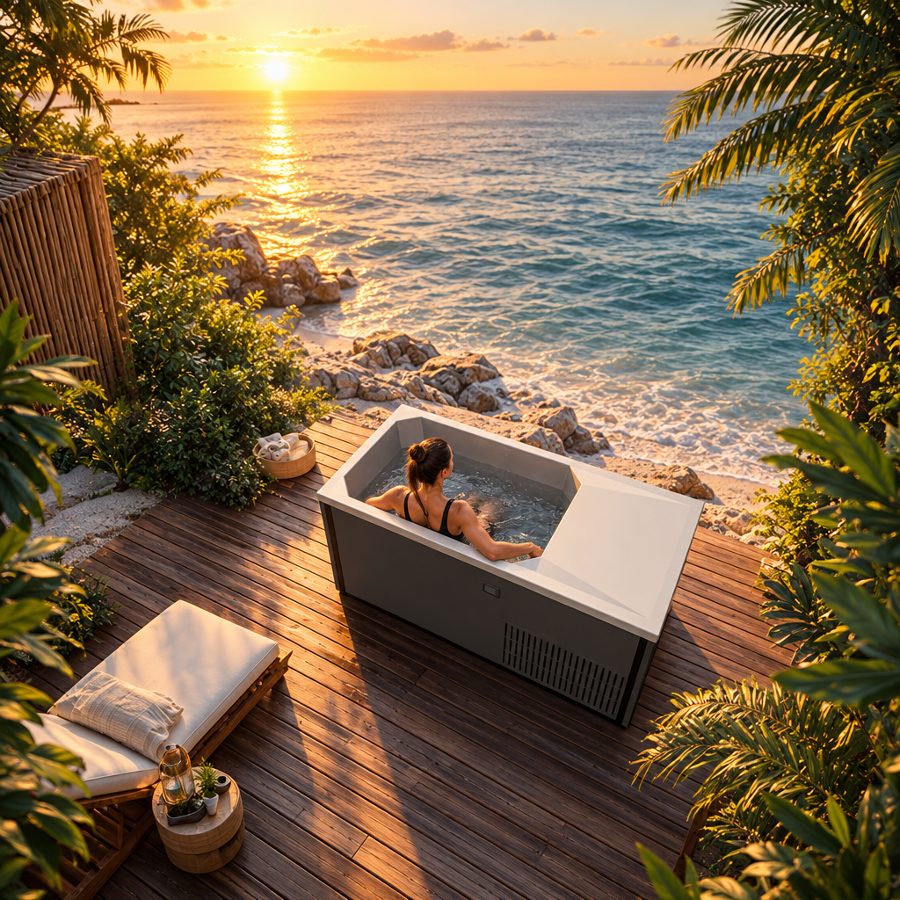
The product information describes the exterior cabinet as weather-resistant, allowing flexible placement across varied property environments. Homeowners can position the unit within private backyard courtyards, ground-level stone terraces, or sheltered decks without requiring extensive structural remodeling.
Beyond private residential settings, the tub is suited for installation in athletic training facilities, boutique wellness studios, and day spas. Its integrated control interface allows operators to oversee water cooling cleanly and predictably.
Frequently Asked Questions (FAQs)
Is morning or evening better for a cold plunge?
Morning is commonly preferred by individuals who appreciate a burst of waking alertness and want to establish a steady daily routine. Evening plunging can provide a sensory break, but because individual responses to cold stress vary, users should observe how late-day immersion affects their sleep onset.
Should I cold plunge immediately after lifting weights?
Scientific literature suggests avoiding routine cold immersion right after hypertrophy or strength workouts. Cold exposure can blunt anabolic signaling cascades essential for muscle growth and maximal strength gains. Scheduling immersion on rest days is a common way to avoid this conflict.
Can an evening cold plunge disrupt sleep?
It can for certain individuals. Cold immersion can trigger sympathetic activation, peripheral vasoconstriction, and a rise in blood pressure. While research directly evaluating sleep architecture after ice baths remains limited, some people find late-day cold exposure creates lingering wakefulness.
Is it better to plunge before or after a cardio workout?
Plunging after aerobic exercise can help lower elevated body temperature and reduce subjective ratings of muscle soreness. Pre-cooling before cardio has niche applications for endurance exercise in high ambient heat, but chilling muscles prior to explosive sprint training should be avoided.
What water temperature is most effective for daily routines?
Clinical studies evaluating cold-water immersion commonly examine ranges between 10°C and 15°C (50°F to 59°F). Even within this range, a substantial cold-shock response can still occur, so individuals should proceed with caution and prioritize personal comfort rather than assuming any specific temperature range is free of cardiovascular strain.
What should I do if I experience dizziness or severe shivering?
Exit the plunge immediately and warm up gradually using dry towels and layered clothing. Avoid stepping straight into an intensely hot shower, as sudden peripheral vasodilation can cause lightheadedness. Drinking a warm beverage helps re-establish baseline thermal balance comfortably.
Conclusion
Establishing a sustainable personal routine
Selecting the best time of day to cold plunge requires aligning personal daily habits with clear athletic and lifestyle goals. An early morning plunge offers immediate sensory readiness that fits neatly into a busy workday, whereas an afternoon plunge can offer subjective relief from soreness following strenuous endurance training. Above all, maintaining a sensible separation between cold immersion and heavy resistance workouts preserves long-term strength progress.
Regardless of your chosen schedule, prioritizing safety and baseline tolerance ensures that cold exposure remains sustainable. Utilizing dependable equipment, keeping water within moderate temperature ranges, and monitoring your physical reactions will allow you to find the best time of day to cold plunge for your routine.
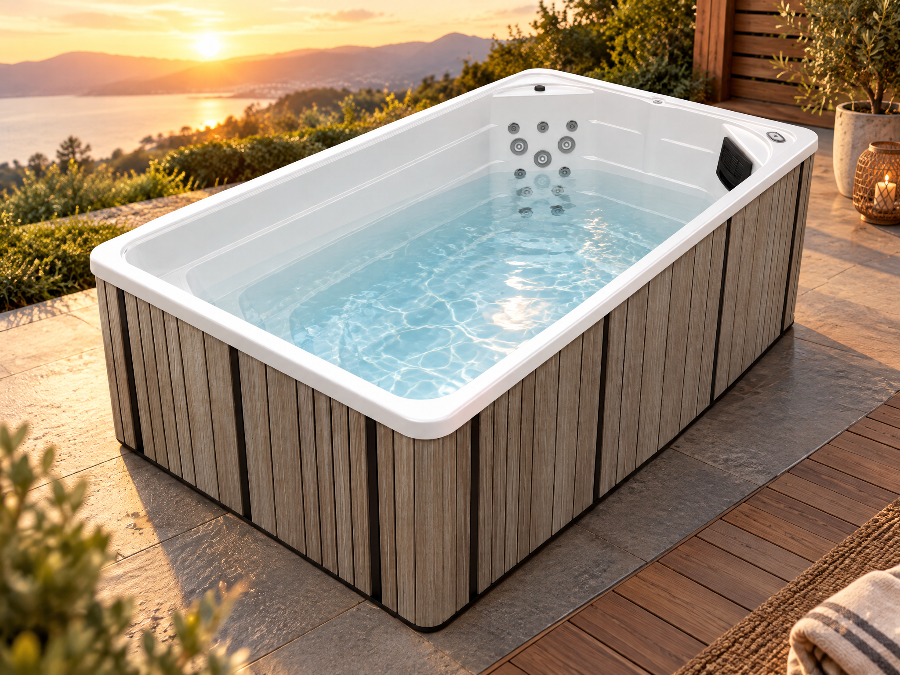
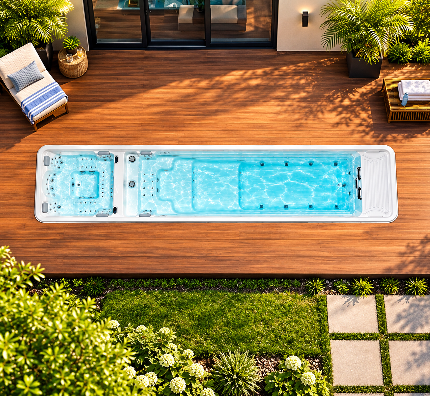
Victoria Star Swim Spa offers the perfect balance between exercise and relaxation, whether you want to swim for fitness or relax in the spacious seating.
Victoria Star Swim Spa offers the perfect balance between exercise and relaxation, whether you want to swim for fitness or relax in the spacious seating.