Best Rated Hot Tubs: How to Compare Features, Fit, and Ownership Needs
Home / News / Best Rated Hot Tubs: How to Compare Features, Fit, and Ownership Needs
November 07, 2026
Finding the best rated hot tubs requires looking past marketing claims to understand the physical realities of spa ownership. When homeowners search for top-performing hydrotherapy tubs, they often encounter conflicting reviews, promotional lists, and vague promises about relaxation. A reliable spa is not defined by superficial luxury, but by structural integrity, hydraulic balance, efficient thermal retention, and dependable electrical components. Whether you plan to install a tub on a suburban deck or a rural stone patio, knowing how to evaluate equipment specifications protects your investment.
What “Best Rated” Really Means When Evaluating Spas
User Reviews vs. Engineering Build Quality
Aggregated star ratings frequently reflect initial buyer satisfaction during the first few weeks rather than long-term mechanical reliability. A spa can produce an excellent first impression while masking lighter structural framing, thin shell backings, or lower-tier plumbing unions. Authentic durability is better measured by verifiable warranty terms, accessible replacement parts, and documented owner feedback collected across multiple heating seasons.
Identifying Common Biases in Online Ratings
Many product review websites and retail roundups use affiliate marketing links or manufacturer sponsorships to support their publishing models. These commercial partnerships can influence which models receive prominent placement or higher editorial scores. Diligent shoppers review the stated testing methodology and disclosure policies, paying particular attention to critical user feedback regarding component failures, water leaks, or slow warranty support.
Defining Personal Priorities Before Comparing Models
Before browsing through product catalogs, establish your household’s specific operational needs. A family seeking a casual soaking vessel for weekend recreation requires a different seating configuration and hydraulic layout than an individual focused on targeted hydrotherapy. Pinpoint whether your installation demands high jet volume, low standby energy loss, maximum open seating capacity, or entertainment features like wireless audio and integrated lighting.
How to Choose a Hot Tub Capacity and Seating Layout
Realistic Occupancy vs. Advertised Seating Count
Manufacturers often calculate seating capacity based on the physical presence of molded contours, but real-world use requires personal space. A tub rated for five people can feel crowded if the central footwell lacks adequate clearance for multiple pairs of feet. When evaluating an interior basin, examine the total legroom and assess whether occupants will bump knees when the spa runs at maximum capacity.
Ergonomic Loungers vs. Open Bench Configurations
Dedicated full-body loungers feature contoured seating that extends support across the back, thighs, and calves, but they consume substantial interior space. Some bathers find that natural buoyancy causes them to float in deeper loungers if the contour length does not match their height. Conversely, open bench configurations allow freer movement and accommodate varying social arrangements, making them practical for larger gatherings.
Measure your seated height against the lounger depth to ensure the water level rests comfortably below your shoulders.
Consider how often you will soak alone versus hosting friends or extended family.
Check whether foot therapy jets in the central well leave sufficient standing and stepping room for all seated positions.
Indoor vs. Outdoor Site Planning
Locating a spa outdoors exposes the cabinet and thermal cover to direct sunlight, precipitation, and freezing temperatures, which necessitates durable, weather-resistant materials. Indoor installations shield the spa from the elements but introduce elevated ambient moisture. Installing a tub indoors requires proper ventilation, appropriate humidity control, and dedicated floor drainage tailored to the space, which should be evaluated with qualified building or HVAC specialists.
Core Engineering Features Worth Scrutinizing
Jet Count vs. Hydraulic Pump Power
A high jet count does not automatically guarantee firm or therapeutic water pressure. Perceived hydrotherapy pressure depends on hydraulic balance between pump displacement, internal plumbing diameters, and total jet orifice area. Spas featuring numerous jets powered by undersized pumps often distribute water flow too thinly across the manifold.
Multi-pump plumbing layouts are frequently used in larger tubs to divide flow across distinct seating banks or massage stations. Some spa designs also incorporate rotary diverter valves to direct flow between specific seating zones, though buyers should verify the actual valve arrangement on the manufacturer’s cut sheet. Prospective buyers should consult technical cut sheets to verify continuous-duty pump horsepower and plumbing configurations.
Control Systems, Automation, and Heating Elements
The control system manages the functions supported by the spa’s installed equipment. When evaluating a unit, buyers should verify specific operating modes, such as freeze prevention protocols and pump sequencing, in the manufacturer’s manual. Buyers should also confirm whether the digital keypad, such as the KL2022 listed for the VS-502L, supports programmable filtration intervals alongside target temperature settings. Reviewing the listed kilowatt (kW) output helps assess heating capacity, keeping in mind that actual thermal retention depends heavily on cabinet insulation and cover fit.
Shell Materials, Insulation, and Cabinet Construction
Spa shells face constant thermal expansion and hydrostatic pressure from hundreds of gallons of water. Manufacturers offer various surface finishes, such as composite acrylic shells and options like Porcelain color finishes, designed to provide a smooth water-contact basin. Framing and exterior skirts must also withstand environmental conditions without warping or absorbing moisture.
Shell Construction: Ask the manufacturer for engineering documentation detailing the shell’s structural backing and reinforcement layers.
Aluminum-Plastic Cabinets: Offer dimensional stability and weather resistance compared to traditional painted wood.
Insulation Systems: Vary widely between perimeter cabinet barriers and sprayed foam; buyers should verify insulation details on manufacturer cut sheets.
Filtration Efficiency and Water Circulation
Many modern hydrotherapy spas incorporate a dedicated low-horsepower circulation pump designed to move water continuously or across preset filtration schedules. By drawing water steadily through pleated cartridge filters, circulation systems remove suspended debris and oils. Buyers should consult technical manuals to review the filtration scheduling options, energy consumption, and sound output of the circulation unit.
Detailed Model Specification: Victoria Star VS-502L
Dimensions, Shell Architecture, and Seating Profile
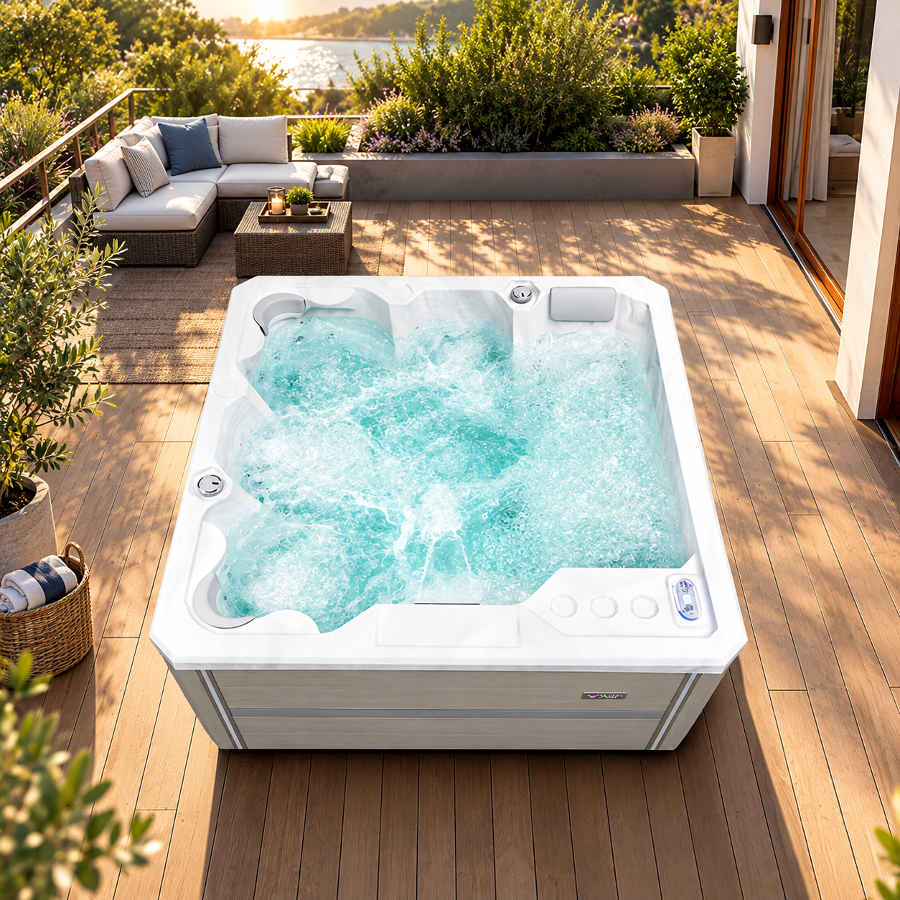
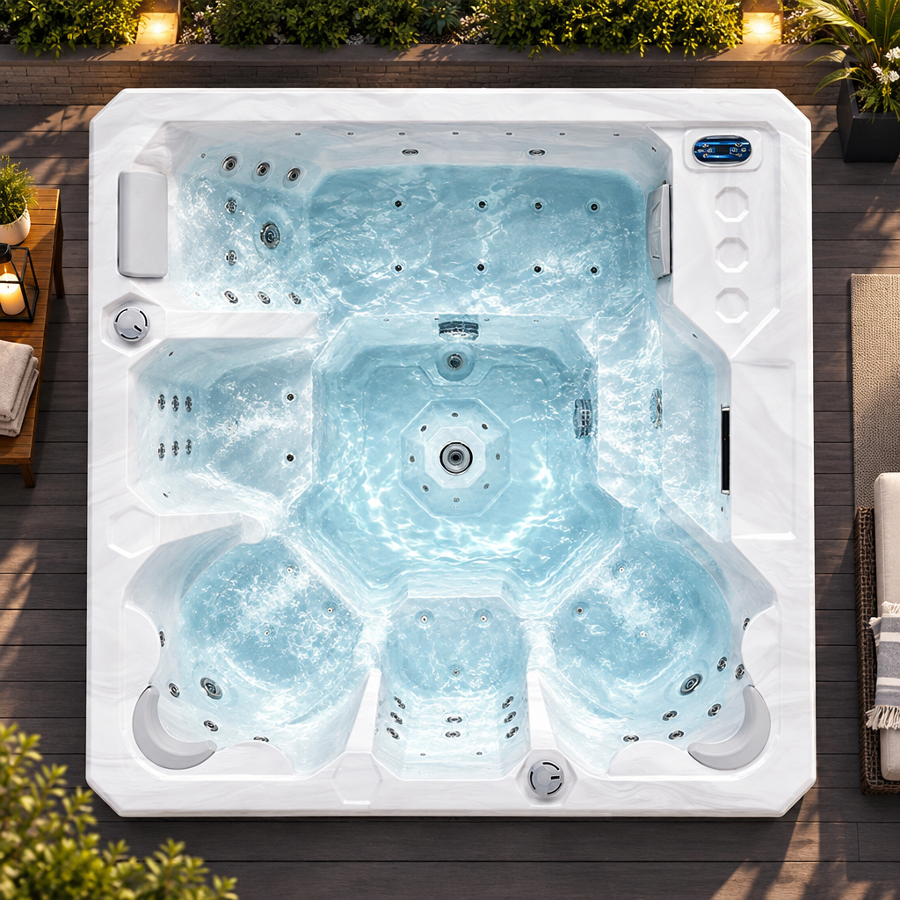
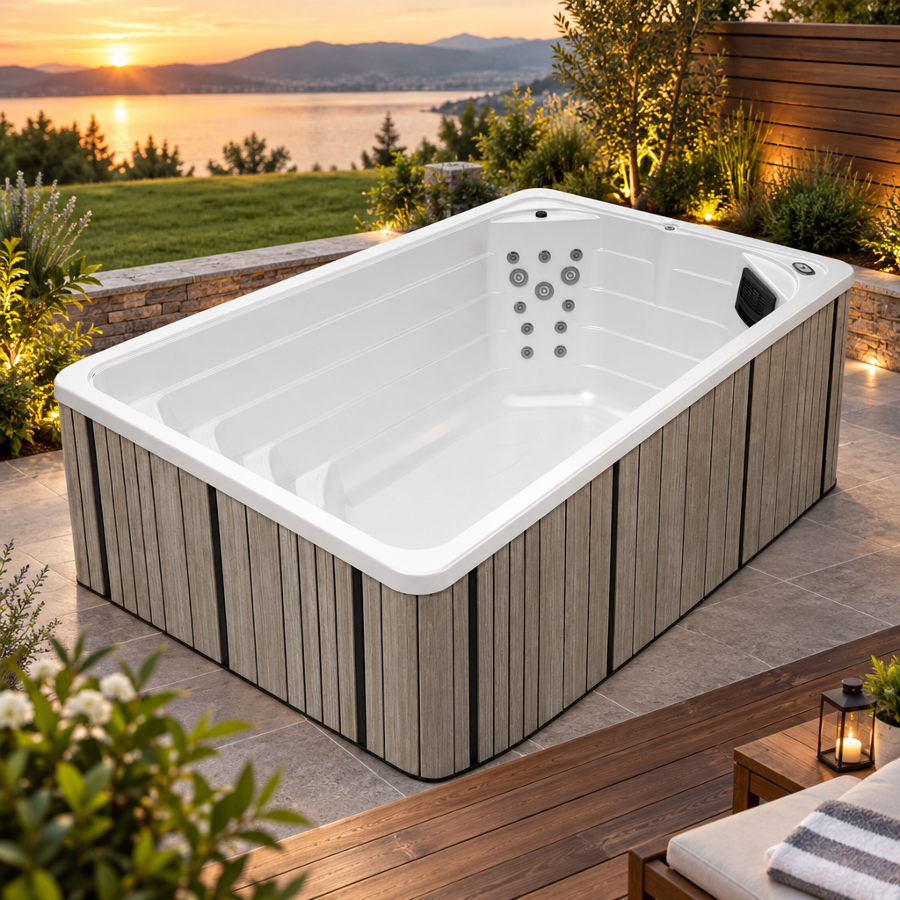
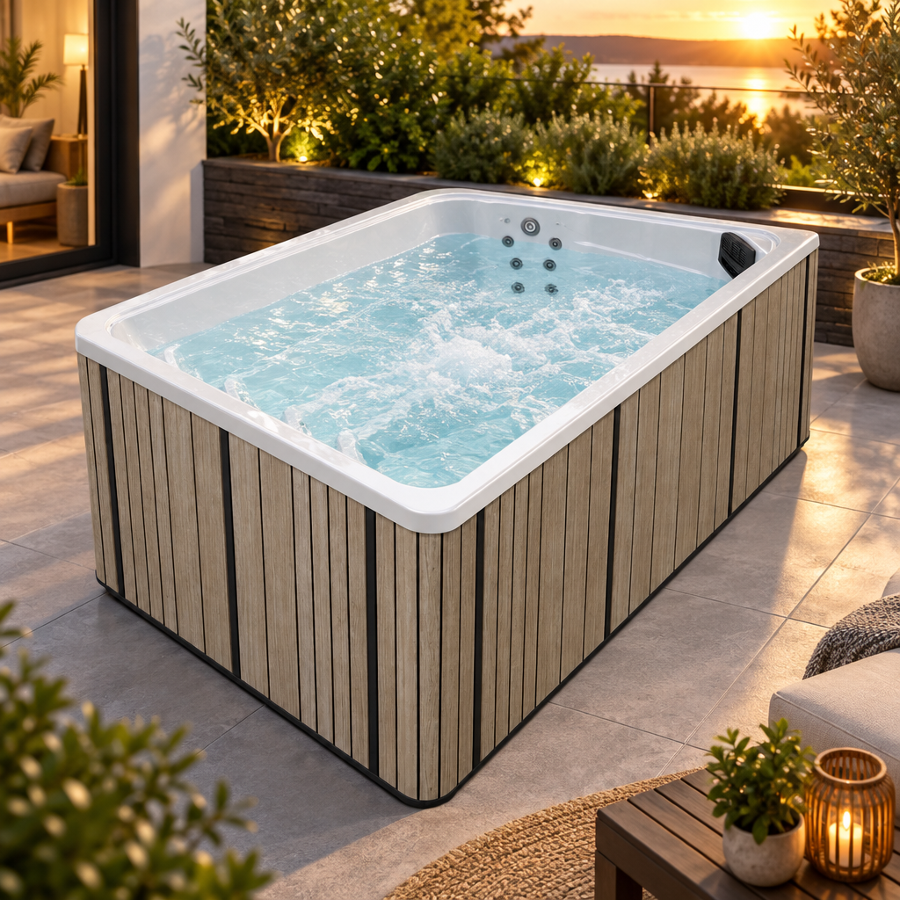
For us at Victoria Star, manufactured by Foshan Gaoming Shiyi Sanitary Ware Technology Co., Ltd., designing functional hydrotherapy spaces requires balancing generous internal space with manageable exterior footprints. The VS-502L model features a square footprint measuring 2160 × 2160 × 980 mm (approximately 7′ × 85″ × 39″). It houses a 5-person configuration comprising four sculpted corner seats and one dedicated full-body lounger, finished in a Porcelain color composite acrylic shell according to manufacturer documentation.
Mechanical and Hydraulic Specifications
In official specification tables, the VS-502L lists 71 hydrotherapy jets, a 0.9 HP air pump, a 0.35 HP circulation pump, and a 3.0 kW heating element, alongside a manufacturer-listed power supply figure of 6.95 kW. However, manufacturer literature presents conflicting pump figures: the specification table lists two 2 HP water pumps, whereas descriptive marketing text on the product page mentions one 2 HP pump and one 3 HP pump (the page also carries a 50-jet title heading despite the 71-jet technical entry). Buyers should verify the exact pump horsepower on the equipment nameplate or confirmed order sheet before installation.
User Interface, Lighting, and Acoustic Features
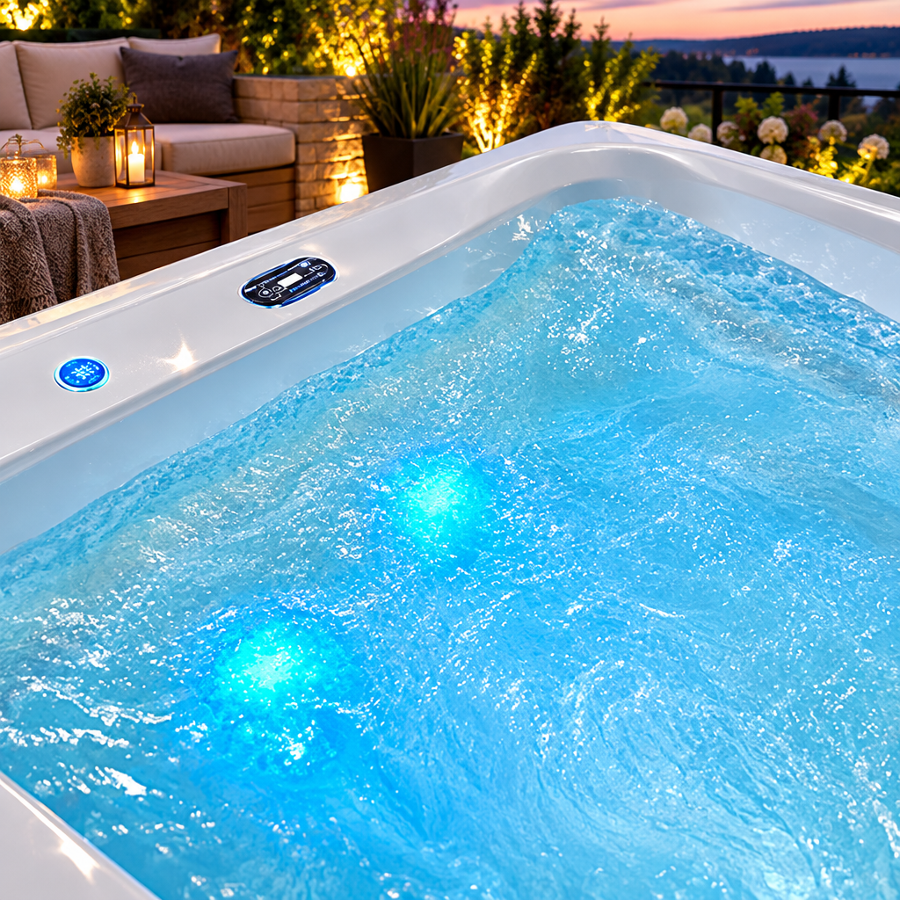
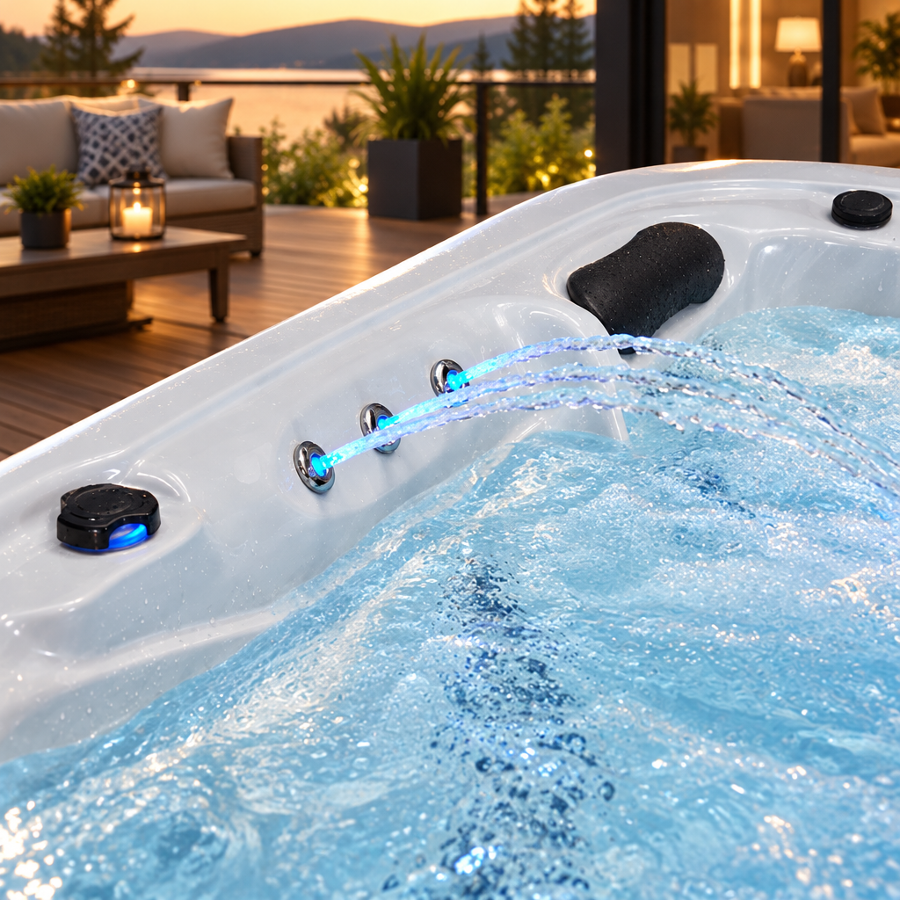
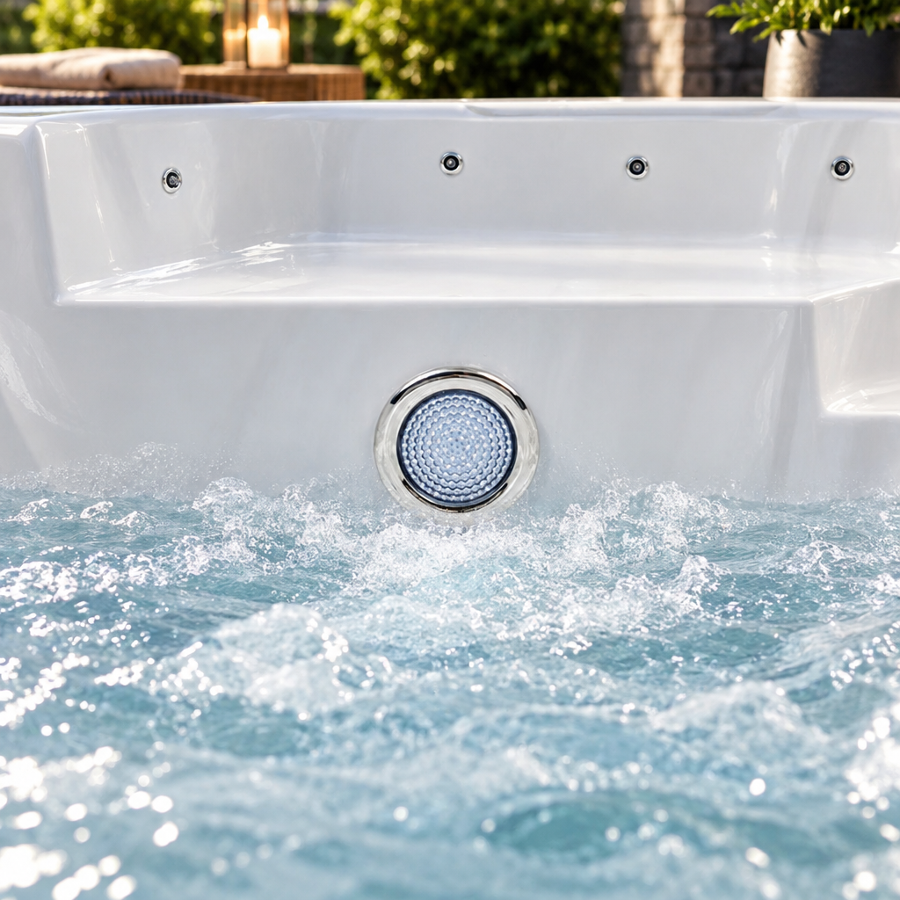
Spa functions on the VS-502L are managed through an integrated KL2022 digital keypad control system mounted along the acrylic rim. The spa includes multi-color underwater LED lighting, illuminated water jets, and skirt accent lighting set into the exterior aluminum-plastic composite paneling. Additionally, the manufacturer specifications list an integrated Bluetooth sound system paired with four AV speakers for wireless audio streaming.
What Published Specifications Prove (and What They Do Not)
Published technical cut sheets provide essential physical baseline figures, such as cabinet dimensions, component power ratings, and jet counts. However, printed specifications do not guarantee individual ergonomic comfort or long-term running costs under specific climate conditions. Reviewing official specifications helps establish mechanical capacities, which should then be weighed alongside your site requirements and maintenance routine.
Direct Comparison Framework for Hot Tub Buyers
Evaluating Competing Tubs Across Identical Metrics
To make an objective purchase decision, avoid comparing marketing taglines and evaluate hard engineering specifications across identical categories. The table below provides an illustrative comparison framework demonstrating how buyers can contrast mid-to-large residential spas against published specifications.
Specification Parameter
Illustrative Entry Model
Illustrative Mid-Tier Model
Victoria Star VS-502L Profile
Dimensions
2000 × 2000 × 850 mm
2100 × 2100 × 900 mm
2160 × 2160 × 980 mm
Seating Layout
4–5 Persons (Open Bench)
5 Persons (Bench + Lounger)
5 Persons (4 Seats + 1 Lounger)
Total Jet Count
20–35 Jets
40–55 Jets
71 Jets (Catalog Title: 50-Jet)
Therapy Pumps
1 × 2.0 HP Pump
1 × 3.0 HP or 2 × 1.5 HP
2 × 2.0 HP (Page Note: Conflicting Text Mentions 1 × 2 HP + 1 × 3 HP)
Circulation System
Shared 2-Speed Main Pump
Shared 2-Speed Main Pump
Dedicated 0.35 HP Pump
Heater Capacity
2.0 kW
2.0–3.0 kW
1 × 3.0 kW (Power Supply: 6.95 kW)
Exterior Skirt
Synthetic Vinyl Sheet
Embossed Composite
Aluminum-Plastic with LED
Note: Columns for entry and mid-tier models are hypothetical examples provided solely to illustrate comparative evaluation methods. Confirm all figures against authoritative model documentation.
Understanding Quoted Prices and Hidden Ancillary Costs
The retail price quoted for a spa rarely covers the total final cost of installation. Safe, reliable operation requires appropriate electrical infrastructure, site preparation, and protective equipment that preserves water temperature.
Thermal Covers: A dense, properly fitted insulated cover minimizes standby heat loss and keeps outdoor debris out of the basin.
Cover Lifters: Mechanical pivot hardware reduces handling stress on the cover seam, extending its service life.
Access Steps: Sturdy, slip-resistant composite steps ensure safe entry and exit over the spa rim.
Site Delivery Logistics: Backyard placement or crane services generally carry fees separate from curbside drop-off.
Reading Manufacturer Documentation and Technical Cut Sheets
Always request the complete electrical schematic and technical cut sheet before finalizing a purchase. Identify where the conduit entry points are located, confirm the total electrical load, and ensure pump unions and valves remain accessible through the cabinet panels. Checking these technical drawings in advance helps prevent costly electrical or carpentry rework during delivery.
Critical Pre-Delivery, Electrical, and Site Preparation
Electrical Load Verification and Code Compliance
A multi-pump hydrotherapy spa requires a properly configured, dedicated electrical service. For the VS-502L, the manufacturer lists a 6.95 kW power-supply figure. Homeowners must have a qualified electrician review the unit’s nameplate electrical demand, voltage, circuit rating, and manufacturer wiring instructions to determine the proper disconnect arrangement and Ground Fault Circuit Interrupter (GFCI) protection required by local electrical codes.
Structural Foundation and Sub-Base Engineering
Water weighs approximately 8.34 pounds per gallon, meaning a filled and occupied five-person spa can weigh several thousand pounds. Placing a hot tub on bare soil or unlevel pavers risks ground settling, which can twist the internal frame and place uneven stress on the acrylic shell.
Obtain the manufacturer’s water-capacity specification and calculate the total wet weight, including bathers, before designing a foundation.
Review the manufacturer’s installation guidelines to verify recommended foundation thickness and load-bearing requirements.
If planning a deck installation, have a licensed structural engineer verify the deck’s framing and dynamic load capacity.
Ensure the installation surface is uniformly flat and level to avoid irregular water levels and localized structural strain.
Delivery Access and Service Clearance
Before the delivery team arrives, walk the exact route from the driveway to the installation site. Measure gate widths, gate latches, utility meters, and low-hanging eaves or gutters along the path. Ensure service access panels on all sides of the cabinet have sufficient clearance for future maintenance and pump inspection.
Water Chemistry, Hygiene, and Entrapment Safety
Sanitizer Chemistry and pH Balance
Maintaining clean, balanced water protects bather health and prevents scale formation or corrosion on mechanical equipment. According to CDC hot tub guidance, operators should maintain free chlorine at a minimum of 3 ppm (or bromine at 4 to 8 ppm) and maintain water pH between 7.0 and 7.8 (with 7.2 to 7.8 frequently recommended for pathogen management). Total alkalinity targets (often 80 to 120 ppm) should follow the chemical manufacturer’s instructions to stabilize pH.
Pathogen Control and Aerosol Management
Public health agencies, including the CDC, caution that poorly maintained hot tubs can harbor waterborne pathogens such as Legionella and Pseudomonas aeruginosa. These bacteria thrive in warm water environments and can be transmitted via atomized aerosols generated by hydrotherapy jets. Consistently running programmed filtration cycles and testing sanitizer residuals prior to each soak helps prevent biofilm development inside internal plumbing.
Drain Cover Safety and Suction Entrapment Standards
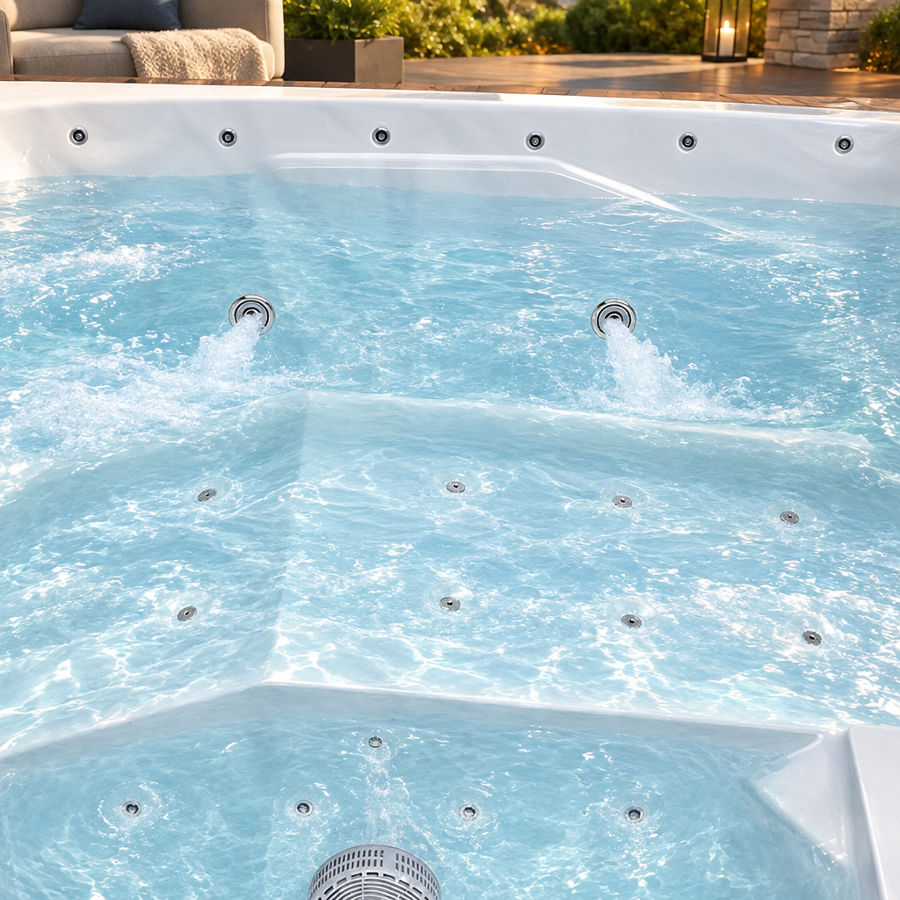
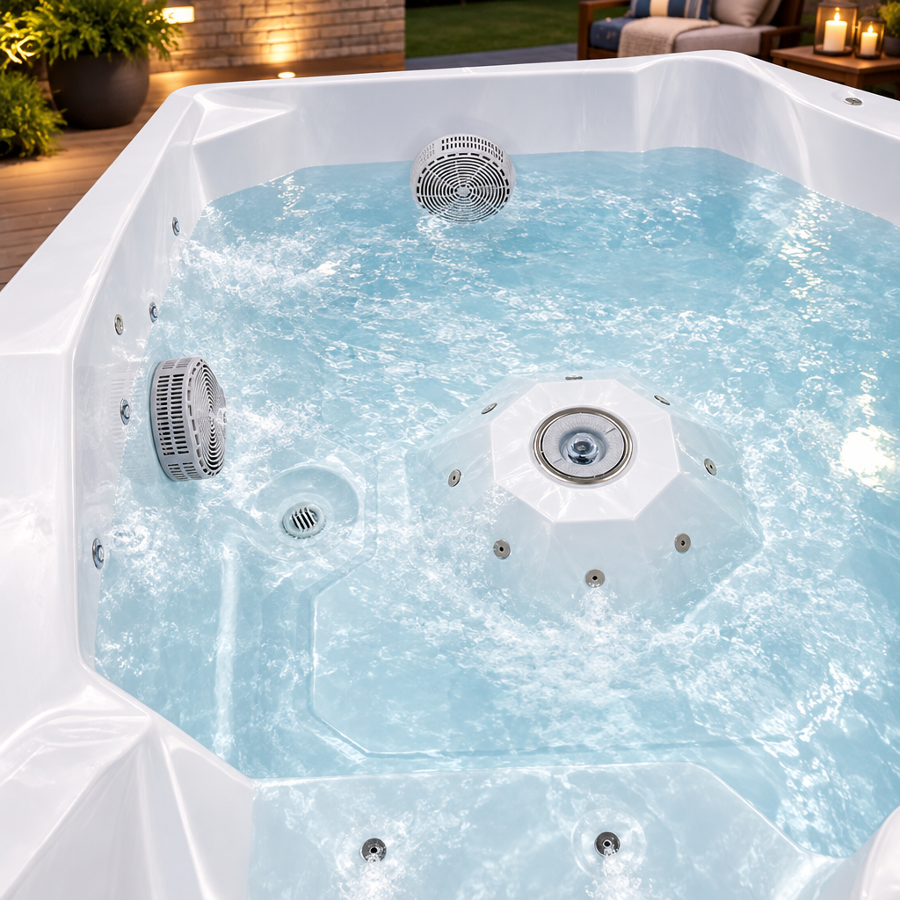
Suction outlet engineering in the spa footwell is vital for preventing suction entrapment hazards. The Consumer Product Safety Commission (CPSC) establishes strict standards for drain covers under the Virginia Graeme Baker Pool and Spa Safety Act. While the VS-502L features dual suction grates in the lower footwell, buyers should always verify that drain covers carry appropriate safety markings and ensure any required secondary anti-entrapment systems match local regulations.
Entrapment Standards: Outlet count alone does not establish entrapment protection; verify compliant covers and any required secondary protection system for the installation.
Cover Markings: For installations subject to applicable federal or local requirements, verify the drain-cover standard marking, maximum flow rating, manufacturer identity, and unexpired manufacturer-recommended lifespan. Confirm with a qualified pool or spa professional whether specific regulations apply to your residential setup.
Routine Inspection: Regularly inspect suction covers to confirm they remain securely fastened, undamaged, and free of hair or debris.
Target Buyer Profiles: Who Best Fits the VS-502L Profile?
Mid-Sized Families and Social Entertainers
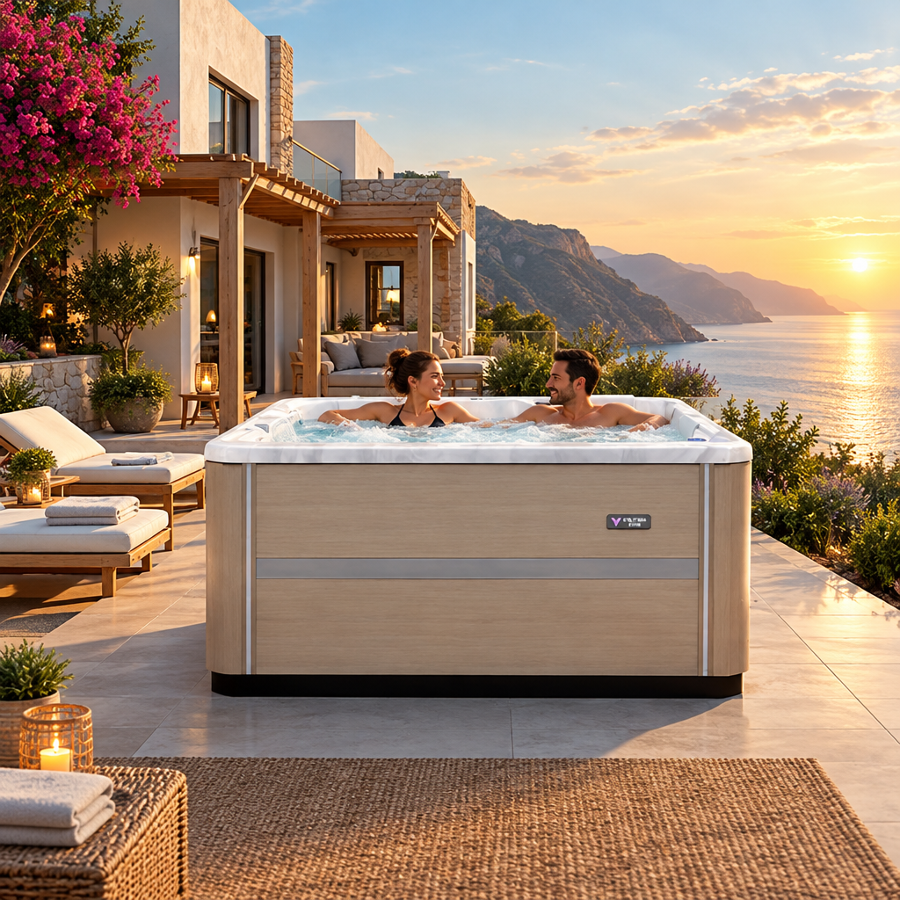
Households with up to five people can review whether the four upright seats and single lounger fit their family members’ heights. The integrated Bluetooth audio system and perimeter LED lighting provide an inviting atmosphere for social gatherings, while the dedicated circulation pump supports routine water filtration between uses.
Users Seeking Multi-Zone Hydrotherapy
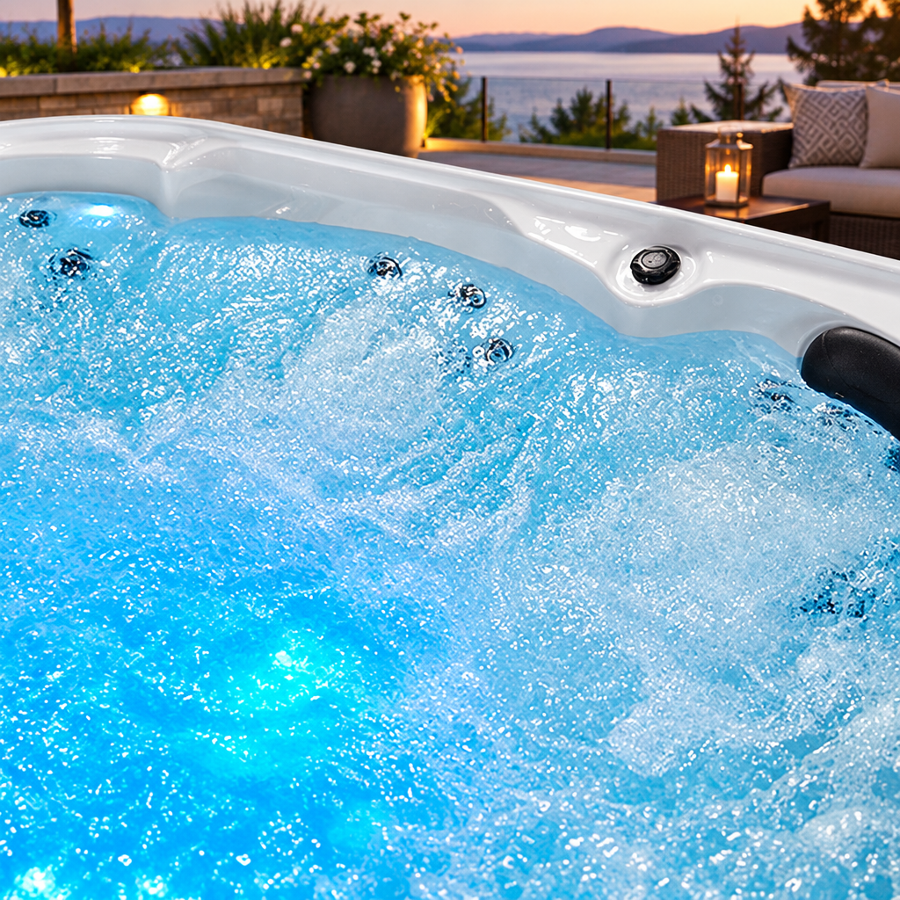
Bathers interested in diverse seat types can examine models that feature both upright seats and a full-body lounger. With 71 total jets distributed across multiple positions according to the specification table, buyers can inspect the physical jet placement across the seats, lounger, and footwell to determine if the layout matches their massage preferences.
Boutique Hospitality and Vacation Rental Owners
The manufacturer lists vacation rentals, boutique hotels, and spa resorts among its suggested application scenarios. Property managers evaluating this model should confirm commercial-use suitability, regional health code regulations, commercial warranty coverage, and expected maintenance routines before installing any residential spa in a high-turnover guest setting.
FAQs
What makes a hot tub one of the best rated?
A top-rated hot tub balances sound hydraulic engineering, reliable component manufacturing, and practical serviceability. Rather than focusing on aesthetics alone, buyers should investigate shell construction documentation, framing materials, pump-to-jet ratios, accessible warranty coverage, and the local availability of replacement parts.
Is a higher jet count always better for hydrotherapy?
Not necessarily. Jet count and pump horsepower represent only partial comparison data. Perceived massage pressure depends heavily on internal pipe routing, jet nozzle dimensions, and overall plumbing design. Buyers should review manufacturer flow specifications or wet-test a spa in person rather than assuming a specific ratio delivers superior massage performance.
How does the power rating (kW) affect heating speed and electrical bills?
A heater’s kilowatt (kW) rating indicates its electrical heating output, with a 3.0 kW heater drawing more electrical power to warm water than a 1.5 kW unit. However, overall energy consumption and monthly bills depend primarily on cabinet insulation, ambient outdoor temperatures, cover quality, and user temperature settings rather than heater wattage alone.
What should be verified before installing a 5-person hot tub?
Homeowners should confirm three primary structural and utility elements: adequate electrical capacity verified by a licensed electrician, a uniformly flat foundation engineered to support the spa’s filled weight, and an unobstructed pathway from the delivery vehicle to the installation pad.
How often does hot tub water need to be fully drained and refilled?
Rather than relying on a fixed calendar schedule, the CDC recommends calculating water replacement using the formula: hot tub volume in gallons divided by three, then divided by the average number of users per day. Operators should also follow specific manufacturer instructions and test total dissolved solids to determine when fresh water is required.
Does the VS-502L have independent third-party performance ratings?
No independent third-party performance ratings or laboratory test certificates have been established for the Victoria Star VS-502L in this review. All figures are drawn directly from manufacturer-published product literature and specification tables. Buyers should distinguish manufacturer claims from independent testing when evaluating any spa model.
Long-Term Value in Modern Hot Tub Investments
Selecting the best rated hot tubs comes down to matching verifiable engineering specifications with your household lifestyle and installation space. By paying close attention to pump capacity, shell construction, foundational requirements, and routine water chemistry, you can avoid costly ownership pitfalls. A quality hot tub is a significant home investment, and evaluating technical cut sheets carefully ensures years of dependable relaxation and trouble-free performance.
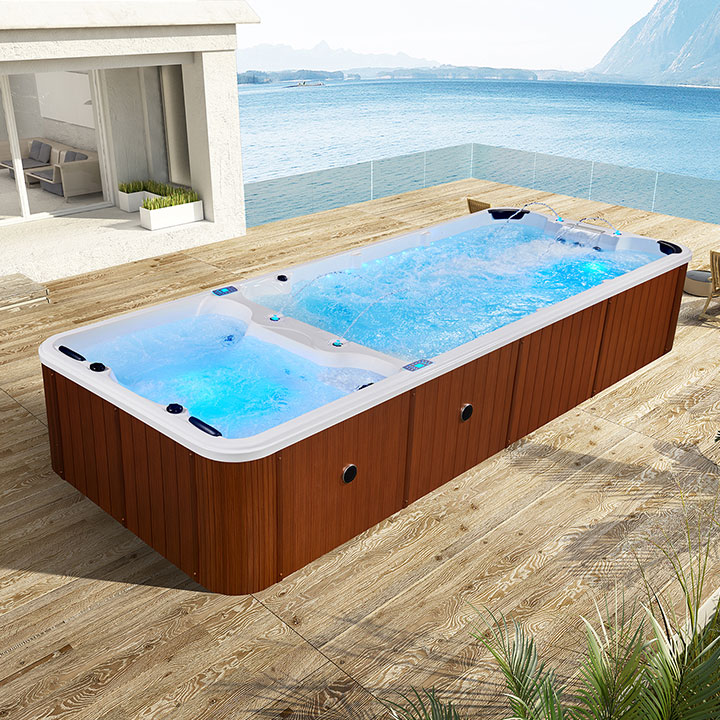
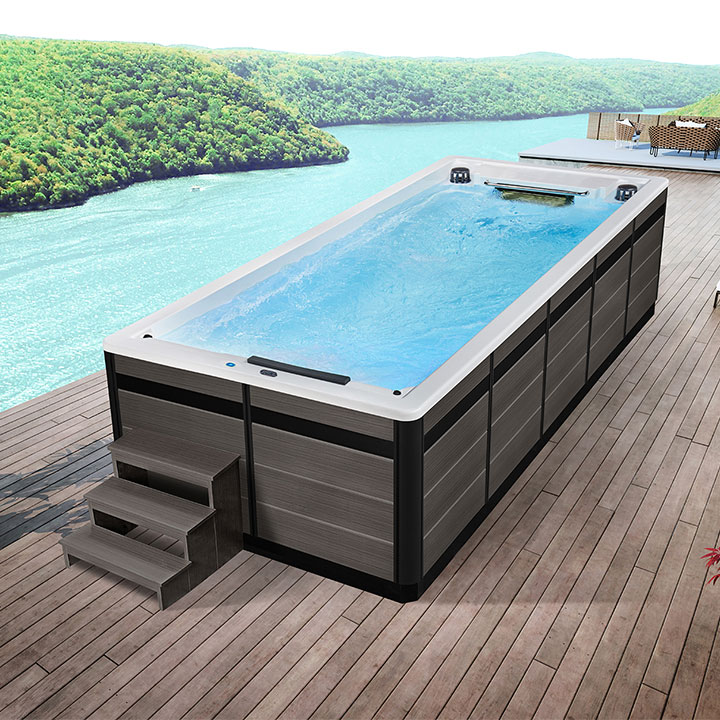
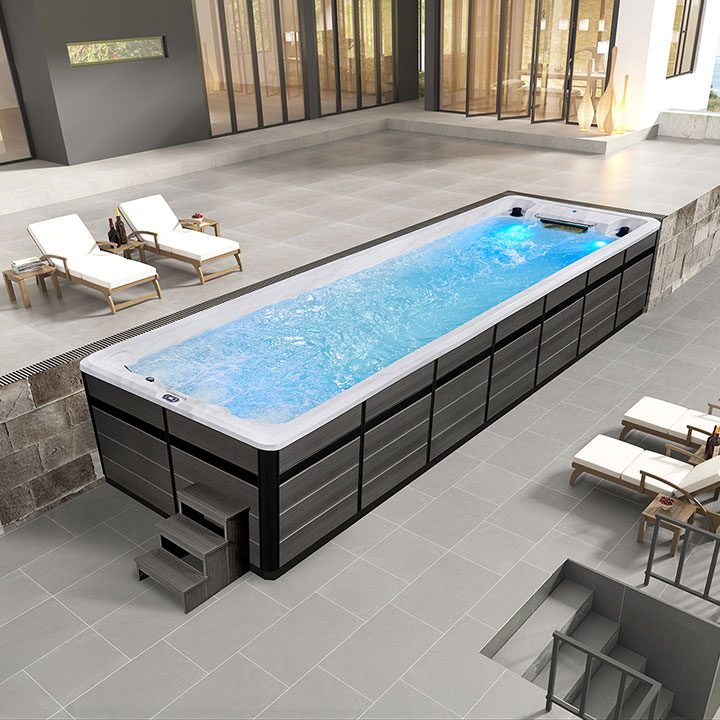
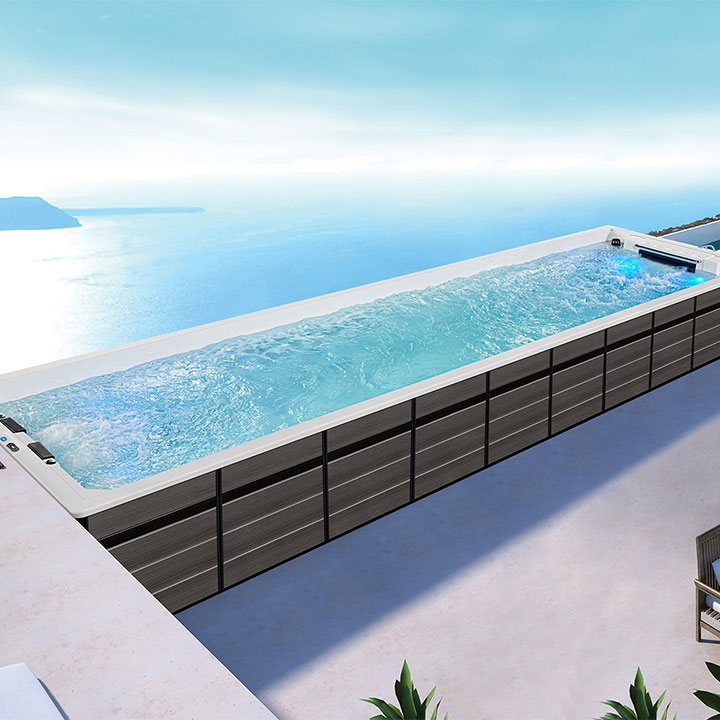
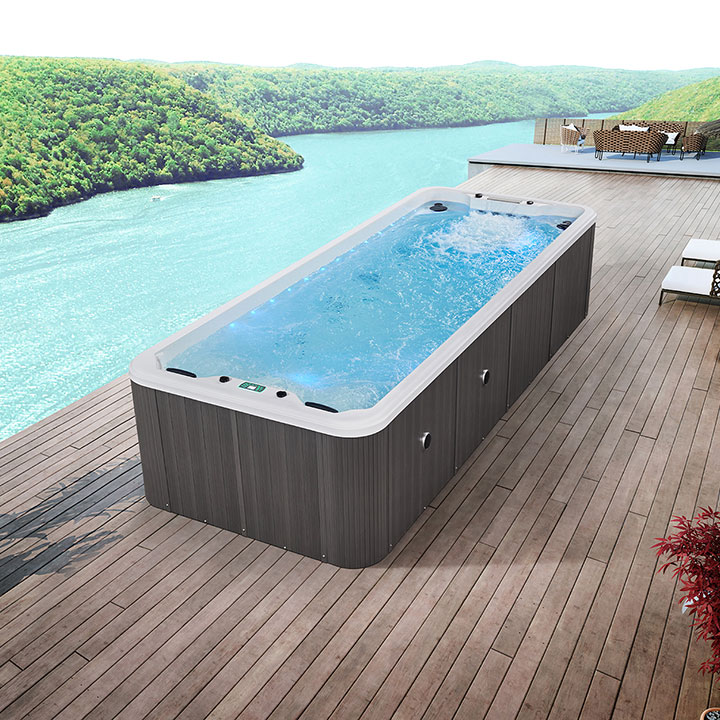
Victoria Star Swim Spa offers the perfect balance between exercise and relaxation, whether you want to swim for fitness or relax in the spacious seating.
Victoria Star Swim Spa offers the perfect balance between exercise and relaxation, whether you want to swim for fitness or relax in the spacious seating.