Best Jacuzzi Tub: A Practical Engineering and Buyer Guide to Home Spas
Home / News / Best Jacuzzi Tub: A Practical Engineering and Buyer Guide to Home Spas
November 07, 2026
Finding the best jacuzzi tub for your home requires looking past marketing gloss and examining mechanical realities. While many homeowners casually use the phrase to describe any high-performance hot tub, selecting the ideal hydrotherapy installation demands careful calculation. You must assess fluid volume, plumbing architecture, thermal efficiency, and physical ergonomics before committing your patio space. Investing in a home spa alters your living environment, shifting how you recover from physical exertion and spend leisure evenings. To achieve lasting satisfaction, you must understand how structural shells, water pumps, and digital controllers interact under daily operating conditions.
Understanding the Term: Generic Use vs. Specific Brands
Jacuzzi as a Trademark versus General Hot Tub Usage
In casual conversation, consumers sometimes use the word jacuzzi generically to describe any jetted spa. Formally, Jacuzzi® is a registered trademark belonging to a specific manufacturer and is not a generic category term. The broader market relies on acrylic hot tubs and portable spas manufactured by independent companies across the globe. Recognizing this distinction prevents brand confusion and helps you compare technical specifications objectively across diverse spa builders.
When evaluating what constitutes the best jacuzzi tub alternative, your attention should focus on baseline manufacturing metrics. These encompass multi-layer composite shells, balanced hydraulic manifolds, and insulated structural skirting. Rather than relying on familiar brand names, assessing the underlying engineering integrity of the shell and internal plumbing network ensures that your capital investment delivers dependable hydrotherapy over years of regular family use.
Identifying Your Primary Motivation for Spa Ownership
Homeowners approach the purchase of a hot tub with distinct lifestyle priorities. A unit optimized for quiet athletic recovery benefits from targeted hydrotherapy nozzles aligned with major muscle groupings. Conversely, a family prioritizing weekend social gatherings benefits far more from barrier-free bench arrangements and ambient perimeter illumination. Confusing these functional priorities often leads to long-term buyer dissatisfaction.
A buyer seeking deep physical therapy may purchase an open-seating party vessel and find the jet thrust inadequate. Defining whether your main objective is physical rehabilitation, social entertainment, or evening stress relief directs your hardware selection. Taking the time to evaluate personal usage habits will guide your choices in seat contours, total jet layouts, and pump drive architectures.
Essential Criteria for Selecting an Acrylic Hot Tub
Spatial Planning, Footprint, and Substructure Support
Water is exceptionally heavy, and structural failure is an expensive error. A filled residential spa carries significant mass once the shell weight, water volume, and multiple adult bathers are accounted for simultaneously. Total load across a modest deck or patio footprint requires careful planning rather than basic guesswork. Placing such weight on unreinforced wooden decking or uneven pavers risks settling and shell stress.
Calculating load requirements demands both the manufacturer’s verified filled weight and a professional engineering assessment of the supporting structure’s complete load path. Foundation specifications depend on the specific spa model, site topography, and municipal building codes. Working with a qualified structural contractor ensures your base will support the combined mass of water and occupants without shifting over time.
Ergonomics, Seating Topology, and Lounger Dynamics
Interior spa geometry dictates comfort far more than exterior shell aesthetics. Open bucket seating fosters group conversation and permits easy movement across different depths within the spa. However, upright seats do not distribute body weight across the torso as effectively as reclined formats, which can be a key consideration for bathers seeking comprehensive lumbar relaxation during their soak sessions.
Dedicated full-body loungers support the legs, lower lumbar region, and neck simultaneously. Yet, natural water buoyancy creates an observable counter-effect: if a lounger does not feature ergonomic contours matched to your height, water displacement can cause you to float out of position. Evaluating footwell width and seat rake angles ensures physical stability during hydro-massage.
Hydronic Architecture: Jets, Pumps, and Water Displacement
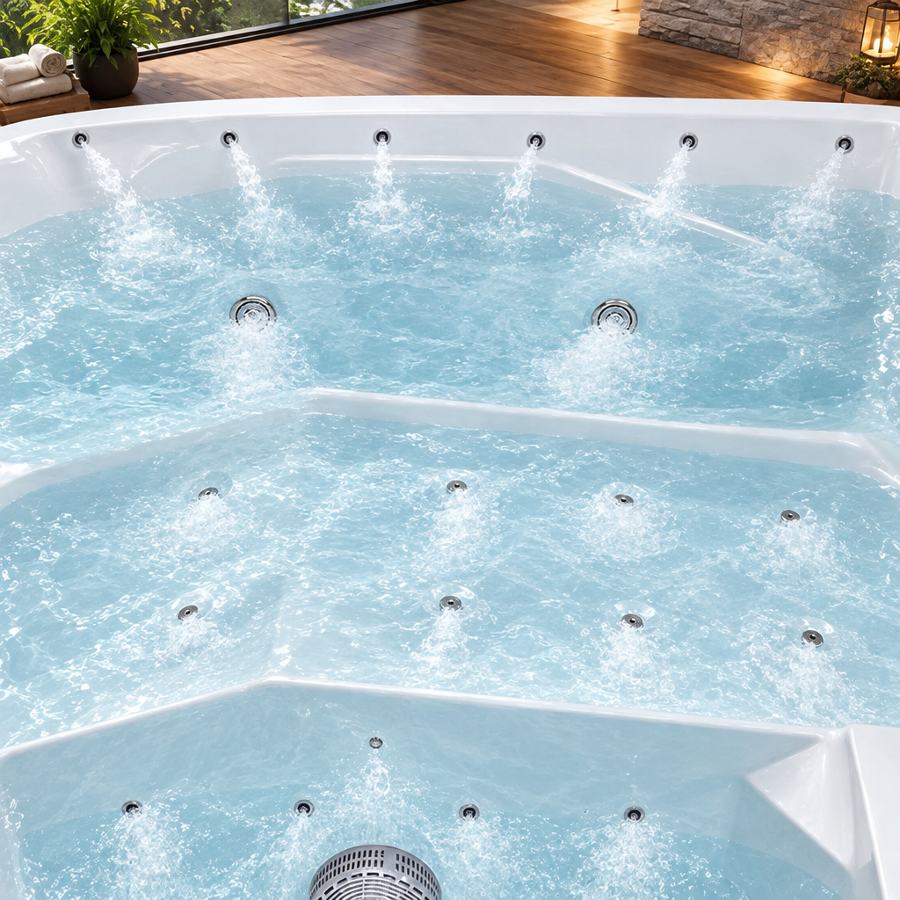
A persistent misconception among first-time buyers is that a higher jet count automatically indicates superior performance. In reality, jet count without proportionate water volume leads to weak hydrotherapy pressure. Plumbing dozens of water orifices through an underpowered pump assembly reduces water flow to a gentle trickle. Quality therapeutic action depends on how effectively water is pressurized and directed toward targeted muscle groups.
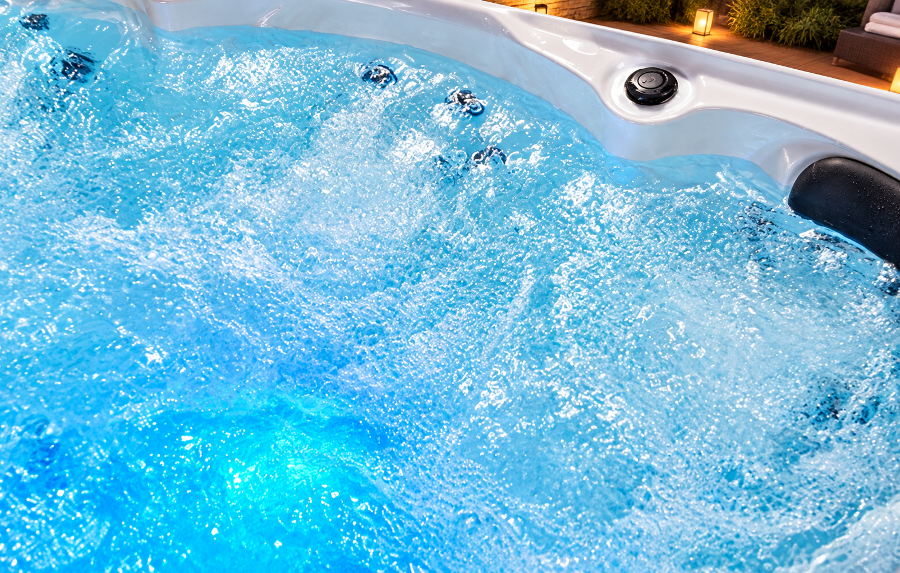
Dynamic hydrotherapy relies on a proportional balance between pump motor power and nozzle flow dynamics. Split-manifold plumbing routes water through internal delivery channels, sustaining directed flow across designated seating stations. High-efficiency delivery relies on fluid dynamics rather than the sheer number of visible trim fittings on the shell wall, ensuring consistent massage pressure throughout every seat.
Electrical Infrastructure and Thermal Management
Heating substantial volumes of water demands adequate electrical current. Some plug-in spas may limit simultaneous heater and high-speed pump operation, so confirm the manufacturer’s electrical and operating specifications before comparing 110-volt and 220-to-240-volt models. Evaluating line current constraints before installation avoids unexpected electrical upgrade costs later.
Hardwired 220-to-240-volt configurations mitigate this operating limitation when installed to code. These dedicated circuits deliver sufficient current to power thermal heating elements while mechanical pump assemblies operate. To manage long-term operating costs, buyers should evaluate and compare the published cabinet insulation methods and fitted cover thermal specifications across individual models.
Technical Profile: The Victoria Star VS-502L Luxury Spa
Shell Geometry, Capacity, and Ergonomic Stations
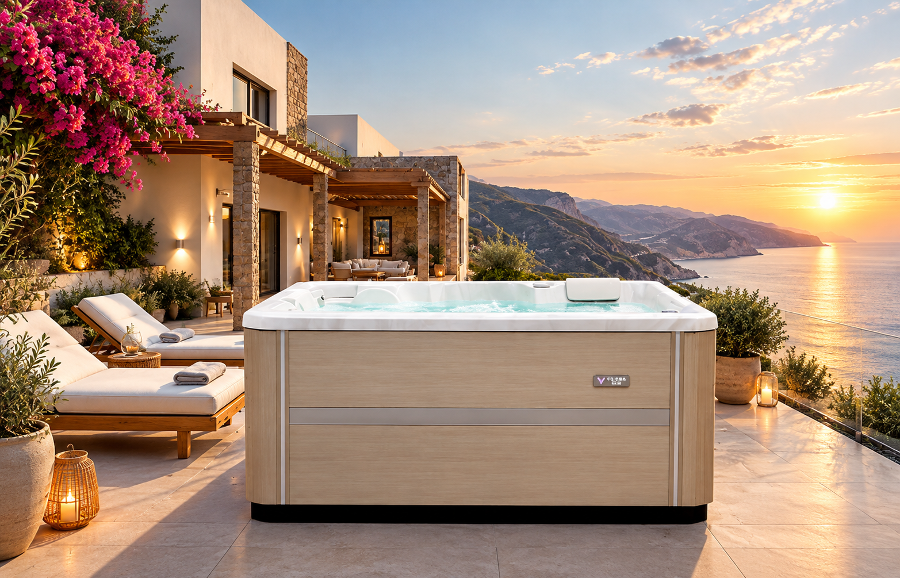
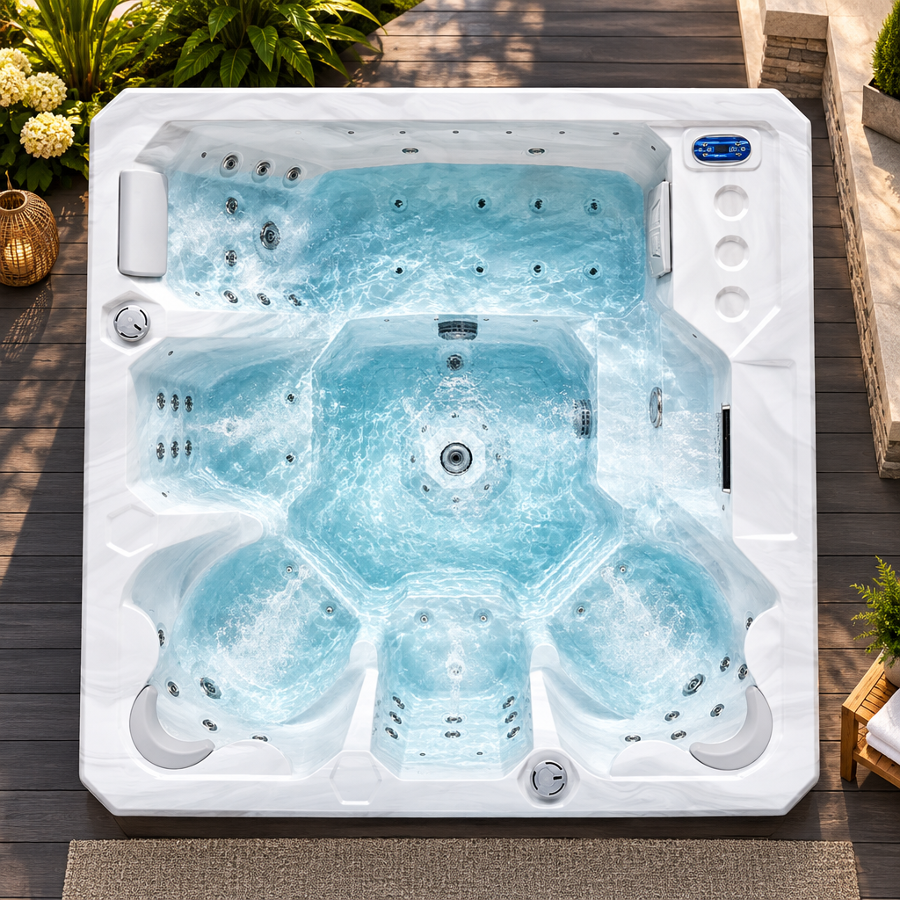
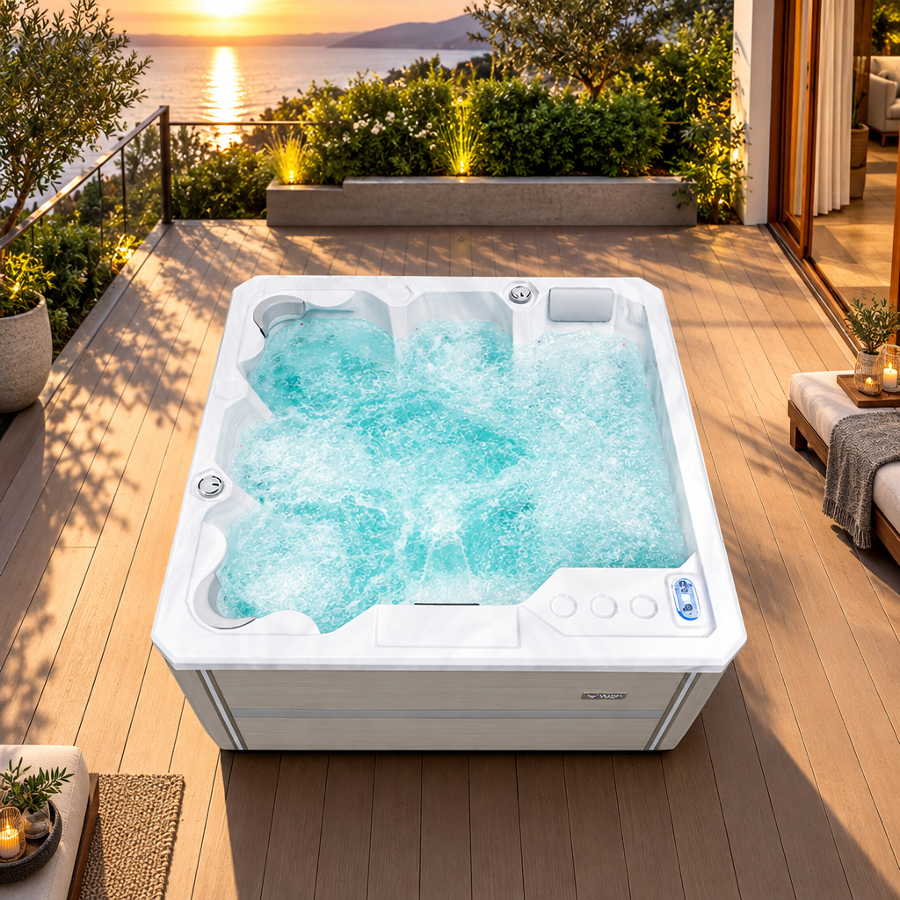
For homeowners seeking a balanced blend of shared leisure and targeted hydrotherapy, the VS-502L exemplifies modern spa engineering. Manufactured by Foshan Gaoming Shiyi Sanitary Ware Technology Co., Ltd. under our Victoria Star brand, this luxury model features an external footprint of 2160 × 2160 × 980 mm (approximately 7′ × 85″ × 39″). It accommodates five adults using four dedicated upright corner seats and one contoured full-body lounger.
The vessel shell is formed from composite acrylic in an elegant Porcelain finish, providing a smooth tactile surface across all seating contours. In the central footwell, an elevated hydro-massage dome offers foot support and direct physical stimulation for seated bathers, ensuring that lower extremities receive targeted water flow during extended relaxation periods.
Hydronomic Configuration and Pump Array
The hydrotherapy array of the VS-502L presents a specific distinction between marketing titles and specification listings. The manufacturer markets the model as a 50-jet hot tub while its technical specification table lists 71 total jets. Prospective buyers should confirm how precision hydrotherapy jets and secondary air orifices are categorized before comparing this layout against other brands.
Manufacturer technical specifications list water pumping assemblies alongside a dedicated 0.9 HP air blower, allowing bathers to introduce aeration alongside directed water currents. Pumping ratings should be confirmed with factory documentation prior to purchase. Continuous filtration operates separately via an integrated 0.35 HP circulation pump, sustaining water flow through internal filter cartridges without engaging the primary drive units.
Electrical Architecture and Climate Defense
The VS-502L specifies a total power supply rating of 6.95 KW, incorporating an integrated 3 KW thermal heater. This heating hardware supports year-round exterior placement, though actual temperature stability during cold conditions remains dependent on ambient climate, site wind exposure, cover integrity, and active settings. Checking electrical load compatibility with your domestic electrical panel ensures steady thermal regulation.
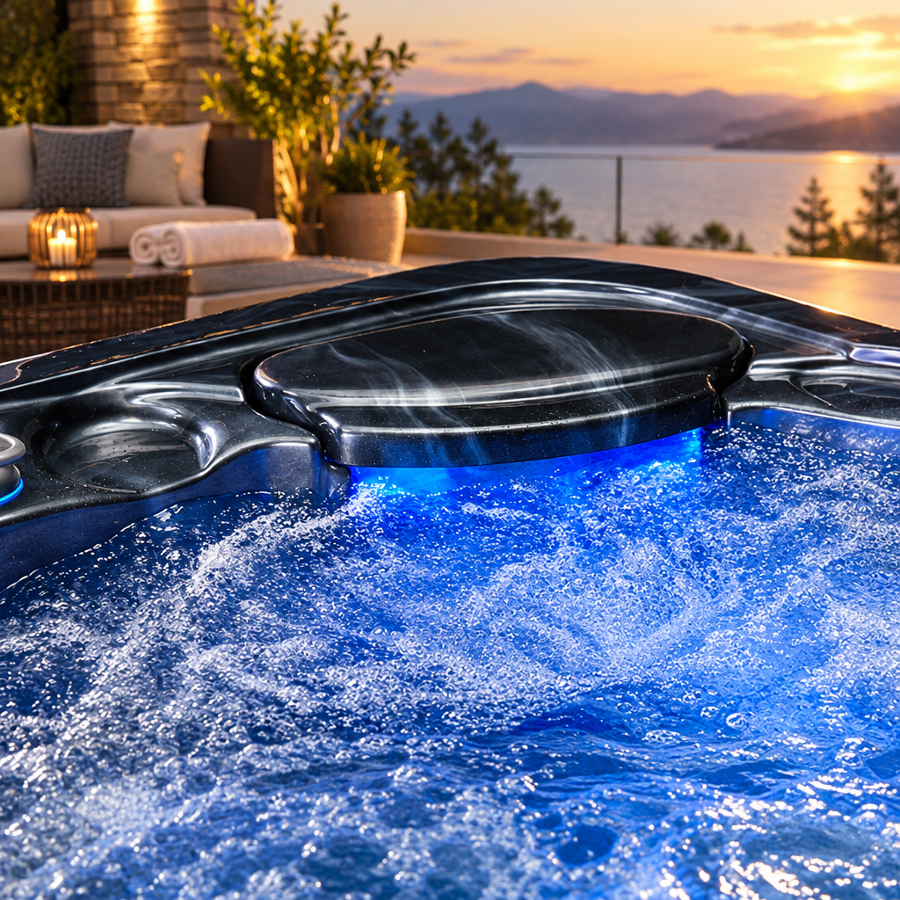
The exterior structure is shielded by an aluminum-plastic composite skirt, available in Platinum or Midnight color variants. The manufacturer describes this composite construction and skirt assembly as engineered for outdoor weather exposure and corrosion resistance. Integrated perimeter LED corner trim delivers low-profile architectural accent lighting on patio decking, creating an inviting visual atmosphere during evening garden gatherings.
Digital User Interface and Atmospheric Accessories
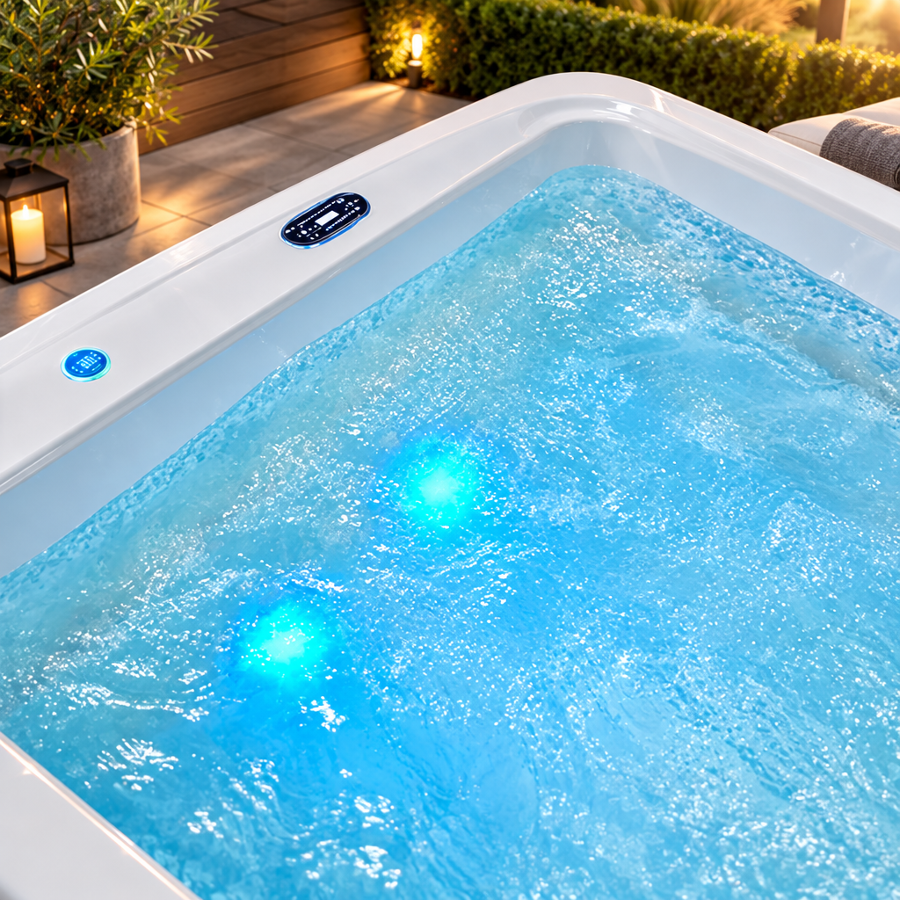
System interaction is provided by the KL2022 digital keypad control platform. This electronic keypad provides the central control interface for the spa’s operating functions, eliminating traditional mechanical rotary dials. Owners should consult the equipment manual for specific programming parameters and operational settings, allowing convenient oversight of regular filtration cycles and water heating targets.
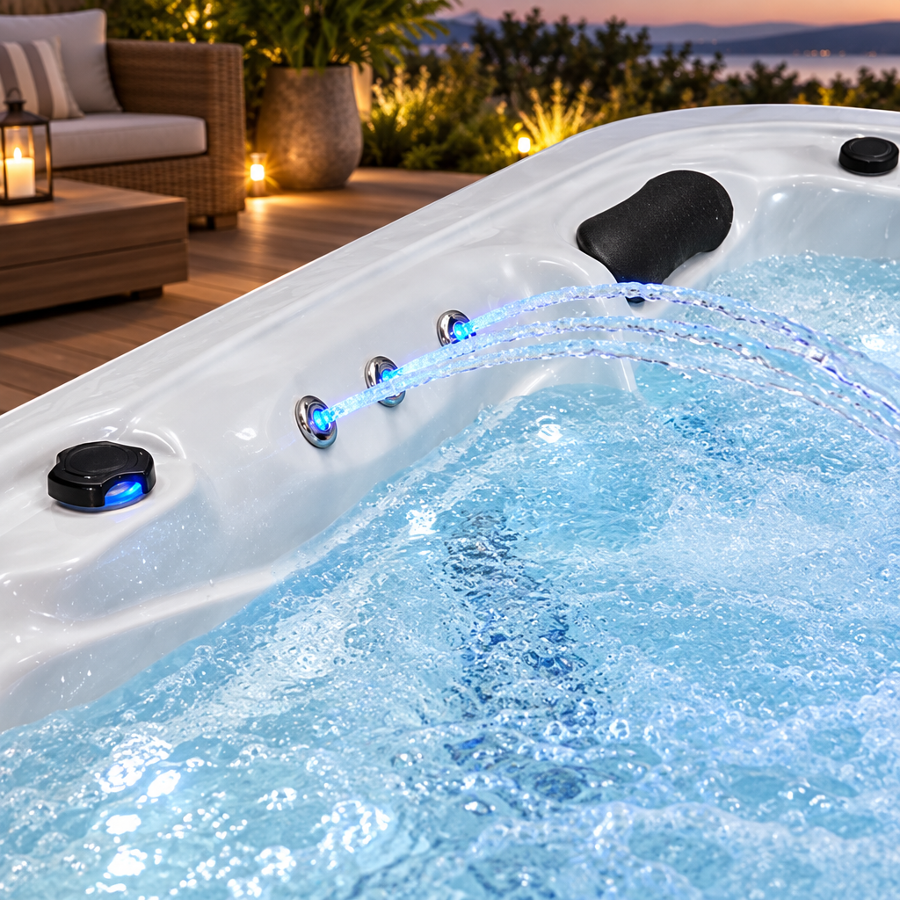
Atmospheric integration includes a built-in Bluetooth audio sound package wired to four perimeter AV speakers. The acoustic setup is paired with a multi-color LED underwater lighting array, illuminated water jets, and laminar waterfall fountain jets that arch into the basin, creating a tranquil environment for evening recovery sessions after demanding workdays.
Technical Specifications: Model VS-502L
Evaluating mechanical parameters requires clear engineering data. The following matrix outlines the factory specifications for the Victoria Star VS-502L Luxury Series spa:
50-Jet Designation / 71 Total Jets in Technical Table
Primary Water Pumps
Dual Water Pump System (Verify HP with Factory)
Air Induction Blower
1 × 0.9 HP Aeration Pump
Water Circulation Pump
1 × 0.35 HP Continuous Circulation Pump
Thermal Heater Output
1 × 3.0 KW Stainless Heating Element
Power Supply Specification
Listed Power Supply: 6.95 KW (Verify Circuit with Electrician)
Control System Architecture
KL2022 Smart Keypad Control Interface
Multimedia Package
Bluetooth Audio System with 4 High-Clarity AV Speakers
Shell Material & Finish
Composite Acrylic in Porcelain White
Cabinet Skirting System
Weather-Resistant Aluminum-Plastic Skirt with LED Accents
Skirt Color Variants
Platinum / Midnight Options
Installation, Site Preparation, and Utility Hookups
Properly preparing your site is essential for long-term spa performance. Overlooking delivery logistics or electrical supply needs can cause avoidable delays and extra expense. Following a structured preparation sequence ensures a smooth, worry-free installation.
Measure every clearance point along your delivery pathway, including side gates, roof overhangs, air conditioning condensers, and exterior meters, comparing the narrowest access clearances with the spa dimensions.
Construct a flat, engineered foundation according to manufacturer site specifications and local building requirements, ensuring adequate compressive strength for the filled vessel.
Contract a qualified, licensed electrician to review local building codes, determine branch circuit requirements from the spa installation manual, and connect the unit through an approved external disconnect.
Lower the spa onto the prepared slab using heavy-duty lifting straps or a hydraulic spa cart, avoiding point pressure against the drain valves or composite cabinet corners.
If the model manual specifies filling through the filter compartment, use that method to help reduce air-lock risk, then follow the manufacturer’s priming procedure before restoring power.
Water Maintenance and Operational Safety Protocols
Disinfection and Water Chemistry Equilibrium
Maintaining balanced water chemistry protects both internal spa mechanics and bather health. Warm water promotes rapid bacterial growth and accelerates mineral precipitation. Poor water balance can contribute to scale accumulation, metal oxidation, or component wear over time, underscoring the importance of adhering to the manufacturer’s chemistry limits and establishing a dependable testing routine.
Total Alkalinity (TA): Adjust total alkalinity according to manufacturer chemical guidelines and local source water properties to help stabilize pH swings.
Acidity and Alkalinity (pH): Maintain a steady reading between 7.0 and 7.8 per public health guidance to avoid eye discomfort and reduce the risk of surface corrosion.
Sanitizer Concentration: Maintain free chlorine at no less than 3 ppm, or bromine at 4–8 ppm, while following the spa manufacturer’s instructions and applicable local guidance to neutralize biological contaminants.
Hardness Management: Test calcium hardness and use water-conditioning products in accordance with local water hardness levels and the spa’s maintenance manual.
Health and Thermal Exposure Guidelines
Exposure to warm water influences the body, as elevated heat can widen blood vessels and alter cardiovascular responses. Because of these physiological effects, people with cardiovascular conditions, high blood pressure, or related medical concerns should seek professional healthcare advice before using a hot tub. Following established health recommendations protects all bathers during regular hydrotherapy.
Public health authorities and the Consumer Product Safety Commission (CPSC) advise that residential spa water temperatures should never exceed 104°F (40°C). Many users prefer temperatures below this maximum threshold, but lower settings do not eliminate heat-related risk; leave the spa immediately if you feel dizzy, weak, nauseated, or overheated. Pregnant individuals should consult a physician prior to soaking, and everyone should stay hydrated.
FAQs
How many hydrotherapy jets are truly necessary for muscle relief?
Jet count alone is an unreliable indicator of therapeutic quality. An effective system relies on jet placement matched to major muscle groups and sufficient water flow from dedicated booster pumps. The VS-502L layout distributes its jets across back, neck, and leg stations, but buyers should evaluate physical nozzle arrangement rather than simply comparing raw numbers.
What is the practical difference between a standard seat and a full lounger?
Standard bucket seats encourage upright posture, keep bathers at similar eye levels, and maximize legroom in the central footwell. A dedicated full-body lounger fully supports the lower back, thighs, and calves in a reclined position. However, loungers occupy more physical basin space, slightly reducing open foot room across the spa.
Does a 6.95 kW spa require a dedicated electrical subpanel?
Determining whether a dedicated electrical subpanel or specific circuit breaker rating is required depends on your home electrical service, local electrical codes, and the official manufacturer installation manual. While a 6.95 KW power supply listing indicates substantial electrical demand, all wiring configurations and disconnect requirements must be evaluated and installed by a certified electrician.
How frequently does hot tub water need a complete replacement?
Water replacement frequency depends on the total water volume, the number of weekly bathers, and ongoing chemical care. Over time, bather perspiration, body oils, and residual chemicals elevate total dissolved solids, making water balance increasingly difficult. Homeowners should consult manufacturer maintenance guides or standard water-care replacement formulas to establish a proper schedule.
Can an acrylic hot tub remain fully operational through sub-zero winters?
Operating an acrylic hot tub in freezing winter conditions depends on the unit’s thermal insulation, functional freeze-prevention controls, and steady electrical service. While composite outdoor spas are designed for year-round exterior placement, owners must follow factory winterization instructions and ensure the thermal cover remains tightly latched when the spa is not in use.
Conclusion
Selecting the best jacuzzi tub alternative comes down to balancing structural engineering, hydraulic power, and your available home space. Investing in solid construction, such as the composite acrylic shell and dual water pump architecture of the VS-502L, yields years of dependable performance. By planning your site carefully and keeping water chemistry balanced, you transform your patio into a therapeutic retreat that adds lasting comfort and value to your daily routine.
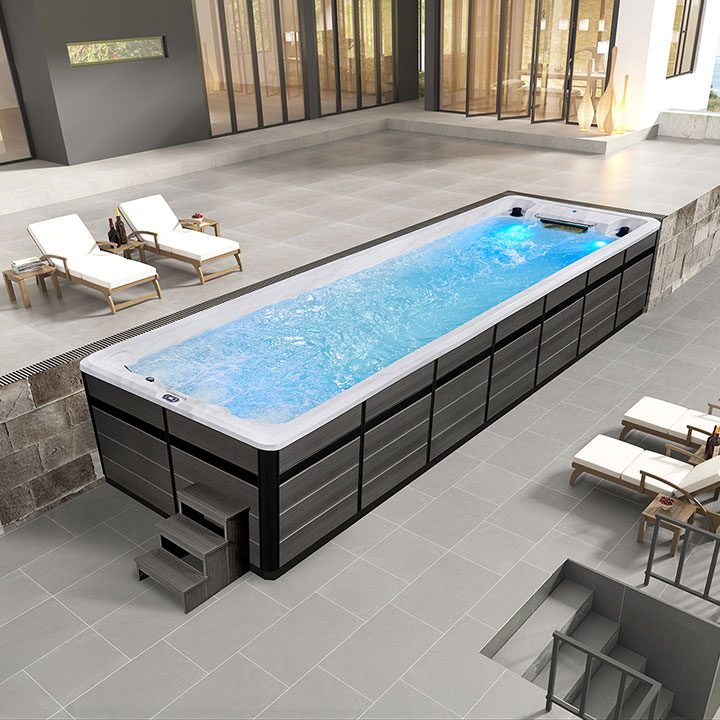
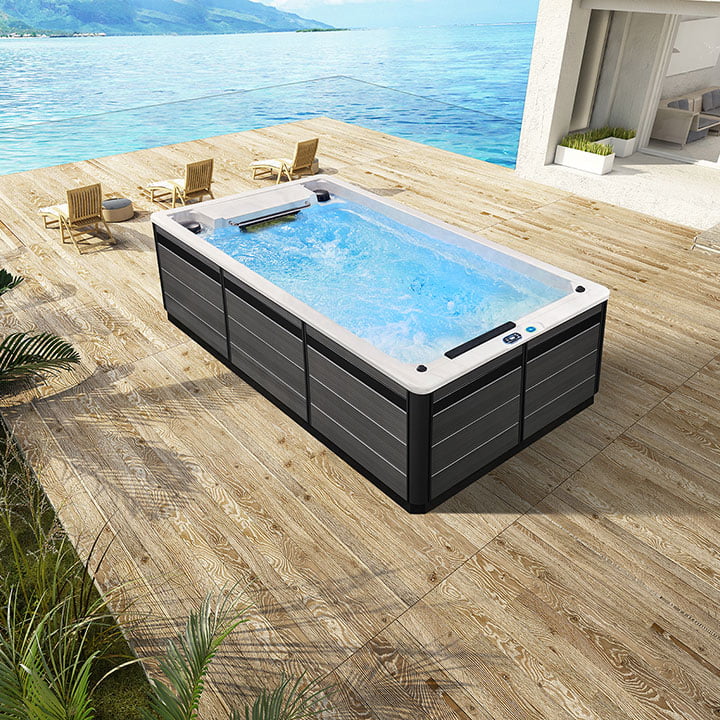
Victoria Star Swim Spa offers the perfect balance between exercise and relaxation, whether you want to swim for fitness or relax in the spacious seating.
Victoria Star Swim Spa offers the perfect balance between exercise and relaxation, whether you want to swim for fitness or relax in the spacious seating.