Best Cold Plunge: A Complete Engineering and Buying Guide for Home and Commercial Spaces
Home / News / Best Cold Plunge: A Complete Engineering and Buying Guide for Home and Commercial Spaces
November 07, 2026
Finding the best cold plunge requires cutting through wellness trends and examining structural engineering, thermodynamic performance, and genuine human physiology. Many individuals start their cold immersion journey with a makeshift tub and bags of ice from the local grocery store. That novelty fades quickly when faced with daily ice hauling, unpredictable water temperatures, and manual draining.
Investing in a dedicated cold plunge tub transforms an erratic chore into a controlled, repeatable habit. A temperature-controlled cold tub can help maintain more consistent water temperatures compared to manual ice baths, though performance varies by model and conditions. This guide examines how refrigeration components, cabinet materials, and physiological science intersect so you can choose the best cold plunge for your home or recovery facility.
Understanding the Cold Plunge: Core Concepts and User Intent
Defining the Modern Cold Plunge Beyond the Ice Bucket
A modern cold plunge is a self-contained thermodynamic appliance engineered for consistent cold-water immersion therapy. Unlike a livestock trough filled with ice, a self-chilled tub integrates mechanical refrigeration, active water circulation, and specialized insulation into a unified footprint.
A temperature-controlled plunge can help reduce temperature fluctuations; performance varies by model and conditions. Dumping fifty pounds of melting ice into tap water produces a brief temperature dip followed by rapid thermal rebound. A dedicated plunge with active cooling allows you to focus on controlled breathing rather than melting ice cubes.
Matching Immersion Needs with Practical Daily Routines
Selecting an immersion setup depends on your personal lifestyle, recovery volume, and whether multiple people use the tub consecutively. A solo user needing a three-minute morning dip places vastly different demands on a chiller than a commercial athletic facility hosting continuous sessions.
Every time a warm human body enters cold water, it introduces a significant thermal load that tests the cooling system. Evaluating your anticipated usage helps you choose between an occasional residential tub and a high-efficiency integrated setup designed for rapid temperature recovery.
Key Evaluation Criteria: How to Judge the Best Cold Plunge
Temperature Control and Thermodynamic Regulation
The chiller system forms the operational core of any serious cold therapy tub. Commercial and residential units typically rely on specialized heat pump systems or refrigeration compressors to pull heat from the circulating water and dissipate it outdoors.
When shopping, review whether a tub relies on an external plug-in cooler or incorporates a purpose-built heat pump. Confirm with the manufacturer how the system circulates water, what temperature range it maintains, and how performance varies with ambient conditions.
Shell Materials, Structural Insulation, and Ergonomics
Interior tub basins endure continuous hydrostatic pressure, skin contact, and sanitizing chemicals. Rotomolded plastics can warp under heavy sun exposure, while bare stainless steel feels jarringly frigid to bare skin during entry.
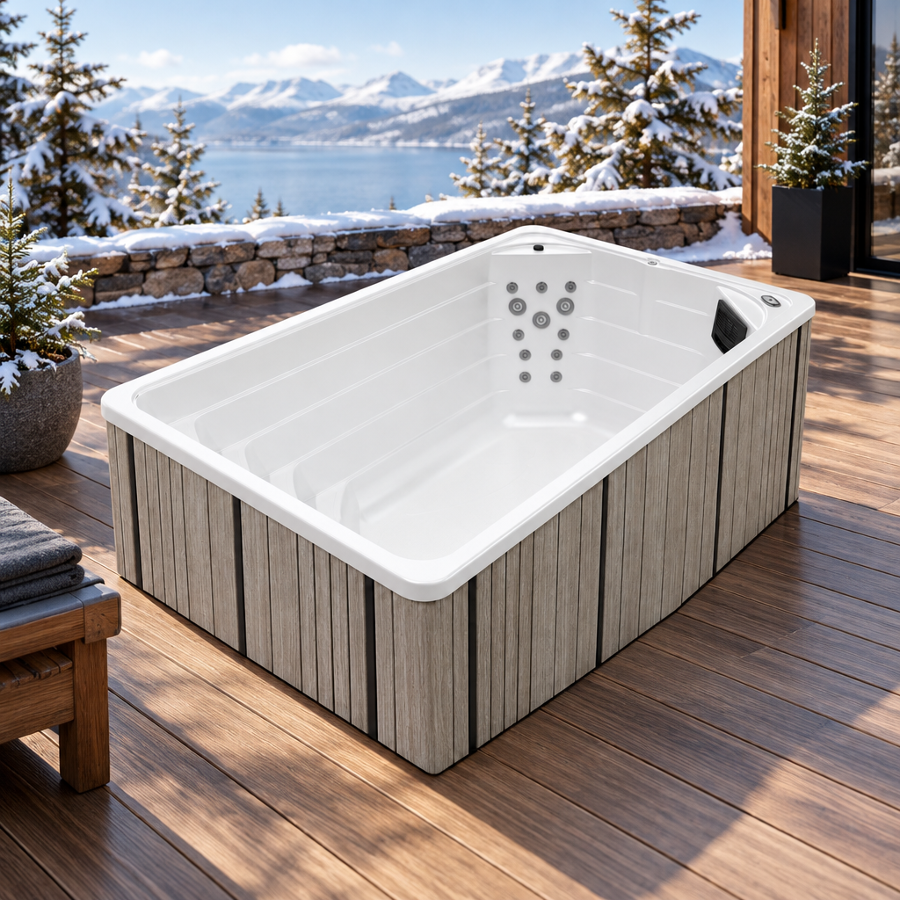
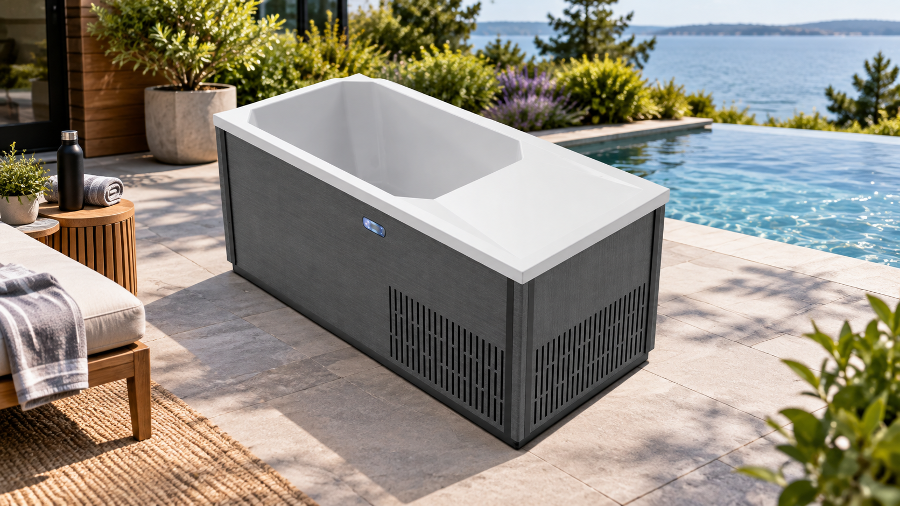
Acrylic shells provide a smooth tactile surface that cleans easily without harsh abrasives. The C02 model uses an acrylic shell in white with a porcelain finish. Ergonomic interior contours such as an integrated seating step support natural posture, keeping your chest immersed while preventing you from slipping uncomfortably.
Cabinetry, Weather Resistance, and Ventilation Engineering
Outdoor tubs face rain, baking sun, and freezing winters, making cabinet engineering critical to long-term ownership. Natural untreated wood rots, warps, and demands seasonal staining that few busy owners maintain.
Composite cabinets address this maintenance challenge with weather-resistant exterior panels. The C02 features vented composite cabinet panels available in Platinum and Midnight finishes. Verify with manufacturers what specific ventilation, weather-resistance features, and outdoor-use limitations their cabinets have.
Filtration, Pump Systems, and Daily Water Care
Still, untreated cold water quickly gathers organic debris, skin oils, and airborne dust. When evaluating a cold plunge, confirm whether it incorporates mechanical filtration and what type of filter system is included.
Circulation pumps move water through the system. The C02 includes a 54W brushless pump. Ask manufacturers for filtration specifications, filter replacement intervals, and sanitizing recommendations to understand the water-care requirements for any model you consider.
Categorizing Cold Plunge Systems: Types and Practical Trade-Offs
Manual Ice Baths and Inflatable Pods
Inflatable tubs and basic drop-stitch pods represent the entry point into cold water exposure. They pack into travel bags, require no hardwired electrical work, and demand minimal upfront financial investment.
However, their ongoing operational reality often frustrates dedicated cold therapy practitioners:
Ice consumption costs quickly exceed hundreds of dollars over several months of frequent immersion.
Ambient summer air rapidly warms uninsulated flexible walls, turning a planned ice plunge into lukewarm water.
Frequent manual draining, scrubbing, and refilling consume hours of weekend maintenance.
Modular Tubs with External Add-On Chillers
Modular setups combine a standalone tub with a separate chiller sitting on an adjacent pad. Flexible braided hoses and quick-disconnect fittings connect the two pieces across the patio or garage floor.
While modular configurations let users upgrade tub shells or chillers independently, they introduce practical vulnerabilities. External hoses invite trip hazards, exterior fittings pose potential leak points, and exposed plumbing runs lose thermal energy rapidly in freezing or hot weather.
Integrated plunge tubs house the water basin, heat pump assembly, digital user interface, and circulation plumbing inside a single structural cabinet. The clean exterior hides all water lines and internal wiring.
Design Attribute
Inflatable Ice Pod
Modular Split System
Fully Integrated Tub
Footprint & Aesthetics
Bare pod, loose bags of ice
Tub plus external box, exposed hoses
Unified architectural cabinet
Thermal Stability
Drops quickly as ice melts
Stable; susceptible to hose heat loss
Generally stable when properly insulated
Installation Complexity
Low; inflate and fill
Moderate; connect hoses and dual cords
Varies; verify electrical and plumbing requirements
Maintenance Overhead
High; constant draining and refills
Moderate; hose leaks and separate units
Depends on filtration and service access
For residential patios and professional studios alike, fully integrated designs eliminate exterior clutter. A digital control panel lets users adjust water temperature without managing separate external equipment.
Scientific Evidence: What Research Says About Cold-Water Immersion
Managing Delayed-Onset Muscle Soreness
Athletes frequently turn to cold water immersion to address post-exercise soreness following heavy exertion. Systematically reviewed clinical evidence, including evaluations published in the Cochrane Database of Systematic Reviews, suggests that cold immersion may reduce perceived delayed-onset muscle soreness compared with passive rest, though the trials reviewed were small and of low quality.
Cold exposure affects peripheral circulation and may temporarily influence local tissue responses. Nevertheless, optimal water temperatures, exact dip durations, and clinical efficacy vary across individual body compositions and training contexts. Outcomes remain uncertain and require further research.
Differentiating Subjective Alertness from Unverified Health Claims
Stepping into near-freezing water triggers an acute physiological stress response that produces unmistakable mental clarity, sharp sensory focus, and a subjective feeling of invigorated calm.
However, medical authorities note that widespread commercial assertions claiming cold plunges cure chronic diseases, burn substantial body fat, or radically supercharge immune systems lack rigorous verification. Educational material from organizations such as the American Medical Association highlights that evidence for such broad health claims remains limited. Responsible athletes view cold exposure as an effective recovery and mood-sharpening tool rather than a magical health panacea.
Hypertrophy Interference and Timing Constraints
Strength athletes must pay close attention to when they schedule their cold water immersion sessions. Research indicates that immersing trained muscles in cold water immediately after resistance workouts may interfere with the cellular signaling pathways involved in muscle hypertrophy.
If your primary goal is maximizing muscle size, routine cold water immersion immediately post-lift may blunt muscular adaptations. To protect long-term training gains, consider these practical scheduling strategies:
Reserve intense cold immersion for rest days, active recovery sessions, or high-intensity aerobic intervals.
Avoid making immediate post-resistance cold immersion a regular habit when muscle growth is your priority.
Keep post-resistance dips brief if your immediate priority is central nervous system reset rather than pure muscle growth.
Step-by-Step Buying Checklist: Sizing, Site Prep, and Ownership
Spatial Footprint and Ergonomic Sizing Logic
A tub that feels spacious in a showroom might overwhelm a tight residential patio. Measure your site carefully, accounting for entry steps, cover removal clearance, and access to electrical panels.
Tubs measuring approximately 1695 mm in length and 830 mm in width comfortably accommodate tall adults in a relaxed recline. Ensure doorframes, side gates, and hallways provide adequate clearance during final equipment delivery.
Electrical Requirements, Weight Load, and Drainage Logistics
A filled cold plunge represents a substantial structural load that cannot sit on unreinforced decking or unstable soil without proper engineering.
Structural weight calculations: A 320-liter tub with a dry weight of 140 kg and filled with water totals approximately 460 kg before adding the weight of the bather and accessories. Verify that your installation surface can support this total load.
Dedicated electrical circuits: Units combining circulation pumps and heat pump cooling require dedicated, grounded circuits equipped with ground fault circuit interrupters.
Drainage pathways: Plan where discarded water flows during routine water refreshes to avoid pooling around building foundations or patio footings.
Calculating Total Cost of Ownership
Evaluating the best cold plunge requires looking beyond the initial retail price tag. Total operational costs include energy consumption, consumable supplies, and long-term part durability.
An insulated cover prevents ambient heat from entering the water. The C02 includes one insulated cover. Actual energy consumption depends on ambient temperatures, usage patterns, and local climate, so request operating-cost estimates from manufacturers. Budgeting for replacement filter cartridges and gentle sanitizing solutions ensures hassle-free ownership over many years of reliable operation.
Specification Breakdown: Evaluating the Outdoor Cold Plunge Tub C02
Technical Specifications and Factory-Provided Metrics
To understand how commercial-grade components perform in residential and hospitality settings, examining concrete factory specifications offers practical insight. The Outdoor Cold Plunge Tub C02 from Victoria Star, manufactured under Foshan Gaoming Shiyi Sanitary Ware Technology Co., Ltd., pairs engineering design with straightforward operation.
The C02 illustrates how dedicated engineering handles demanding residential and wellness environments:
Engineering Specification
Manufacturer Parameter (C02 Model)
External Dimensions (Metric)
1695 mm × 830 mm × 850 mm
Water Holding Capacity
320 Liters
Dry Weight / Gross Packaged Weight
140 KG / 180 KG
Shell Construction
Acrylic in White / Porcelain finish
Cabinet Finishes
Platinum, Midnight composite panels
Primary Thermodynamic Control
Integrated 900 W Heat Pump System
Water Circulation Pump
54 W Brushless Pump
Power Supply Specification
0.954 KW
Protective Thermal Equipment
1 Insulated Cover included
Application Scenarios and Architectural Integration
The physical dimensions and self-contained mechanics of the C02 model make it adaptable across diverse wellness settings. Because the heat pump and brushless pump sit within the cabinet, it functions as a self-contained installation.
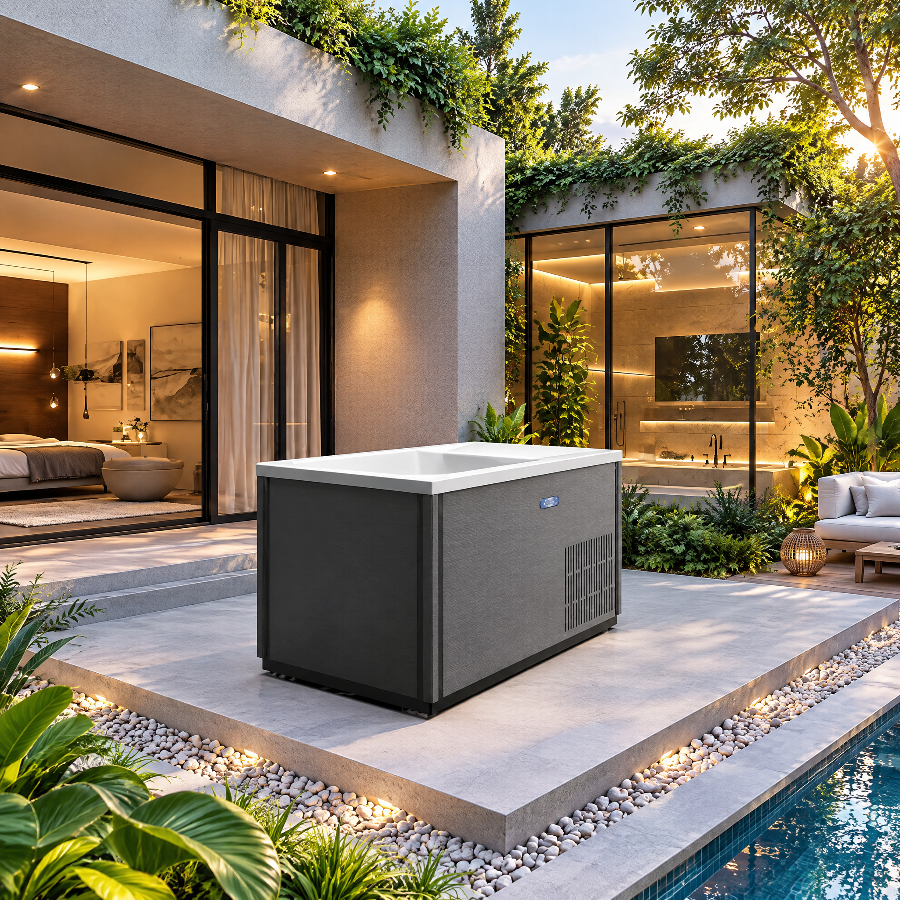
Backyard patios and stone terraces: Compact dimensions fit easily against modern outdoor architecture, while composite Platinum or Midnight cabinets blend with timber decking.
Athletic recovery rooms: The acrylic shell is designed for repeated use in demanding environments.
Luxury resort spas: The integrated design preserves serene outdoor lounge environments for guests.
Critical Pre-Order Inquiries for Potential Buyers
When purchasing advanced hydrotherapy equipment, factory specification sheets provide essential baseline data, but buyers should also clarify logistical and environmental details with their supplier before finalizing orders.
Always ask for written confirmation regarding lowest achievable water temperatures in extreme summer heat, rate of cooling per hour, filtration system specifications and filter micron ratings, regional electrical safety certifications matching your municipal building codes, and approved installation surfaces and load-bearing requirements.
Safety Protocols and Responsible Immersion Guidelines
Understanding Cold Shock Response and Cardiovascular Strain
Sudden immersion in cold water can trigger cold shock, including involuntary gasping and rapid breathing; the response varies with water temperature and the individual. This natural physiological reflex can provoke sudden spikes in heart rate and systemic blood pressure.
Safe practitioners step in steadily and keep their heads above water. Exit if you experience concerning symptoms. The intensity of the response varies by individual and water temperature.
High-Risk Groups and Medical Consultation Thresholds
Cold exposure can constrict blood vessels, raise blood pressure, and increase cardiovascular strain.
Individuals diagnosed with hypertension, cardiac arrhythmias, peripheral arterial disease, or Raynaud’s phenomenon should consult a qualified physician before attempting cold water immersion. Expectant mothers and individuals recovering from recent surgery must also avoid extreme cold exposure without medical clearance.
Establishing a Conservative Immersion Protocol
Approaching cold water requires gradual adaptation rather than extreme tests of endurance. Prolonged stays in freezing water do not compound benefits and significantly elevate hypothermia risks.
Consider starting conservatively with water temperatures between 10°C and 15°C as a gradual introduction rather than chasing near-freezing extremes on day one. These are conservative starting suggestions, not a universal protocol; consult a clinician when health risks apply.
Limit your initial exposure to one or two minutes, exiting promptly if you experience intense shivering, numbness, or feel unwell.
Never submerge alone in remote settings, never consume alcohol before plunging, and exit immediately if you feel lightheaded.
FAQs
What Is the Difference Between a Cold Plunge and a Traditional Ice Bath?
A modern cold plunge utilizes mechanical refrigeration, and may include automated filtration and continuous circulation to hold more consistent low temperatures without requiring manual ice additions. Traditional ice baths rely entirely on melting bagged ice in stagnant water, leading to inconsistent temperatures, thermal stratification, and tedious water changes.
What Key Specifications Determine the Best Cold Plunge for Home Use?
The best home cold plunge prioritizes durable shell construction such as acrylic, an integrated heat pump system, a circulation pump, and an insulated thermal cover. Verify temperature performance, water-treatment provisions, and outdoor-use limits with the manufacturer. Choosing an all-in-one unit with composite weather-resistant cabinetry eliminates messy exterior hoses and keeps your patio tidy.
Can a Cold Plunge Effectively Reduce Post-Workout Soreness?
Clinical evidence suggests that cold water immersion may reduce perceived delayed-onset muscle soreness compared with passive rest, though the evidence is limited and outcomes vary. Athletes focused on maximum muscle hypertrophy should avoid routine immediate post-lift immersion to prevent potentially interfering with muscle growth signals.
How Much Electrical Power Does an All-in-One Cold Plunge Tub Require?
Energy requirements depend on compressor design and ambient climate. The C02 lists a power supply specification of 0.954 kW, combining a 900W heat pump with a 54W brushless pump. Actual operating consumption varies with usage patterns and environmental conditions, so consult the manufacturer for estimated energy costs in your region.
What Surface Preparation Is Required Before Installing a 300+ Liter Plunge Tub Outdoors?
A tub holding over 300 liters of water, such as the 320-liter C02, weighs approximately 460 kg when filled with water alone, before adding the user’s weight and any accessories. Confirm the required level, load-bearing base with the manufacturer and a qualified installer. Do not install without verifying that your site can safely support the total occupied load.
Conclusion: Selecting the Best Cold Plunge with Engineering Clarity
Choosing the best cold plunge comes down to matching dependable thermodynamic design with your daily physical routine. Whether you are outfitting a private backyard retreat or upgrading an athletic recovery room, prioritizing an integrated all-in-one tub with durable construction, verified heat pump specifications, and rugged exterior cabinetry delivers reliable performance season after season. By approaching cold therapy with grounded expectations, respecting genuine physiological responses, and confirming technical details with manufacturers, your daily plunge becomes a sustainable, rejuvenating cornerstone of your wellness lifestyle.
Victoria Star Swim Spa offers the perfect balance between exercise and relaxation, whether you want to swim for fitness or relax in the spacious seating.
Victoria Star Swim Spa offers the perfect balance between exercise and relaxation, whether you want to swim for fitness or relax in the spacious seating.