Best Budget Hot Tub: The Complete Buyer’s Guide to Compact Hydrotherapy and Real Ownership Costs
Home / News / Best Budget Hot Tub: The Complete Buyer’s Guide to Compact Hydrotherapy and Real Ownership Costs
November 05, 2026
Finding the best budget hot tub is rarely as simple as sorting retail listings by the lowest price tag. A true budget-friendly spa purchase balances an accessible initial price with manageable ongoing operating costs, dependable construction, and functional hydrotherapy. Many first-time buyers discover too late that an ultra-cheap portable spa can quickly become a relentless financial drain once monthly electrical demand, frequent chemical adjustments, and short component lifespans take their toll.
Navigating the market requires looking closely at shell materials, heater outputs, plumbing designs, and realistic site preparation needs before committing your hard-earned funds. Evaluating the best budget hot tub options means distinguishing between genuine engineering efficiency and empty marketing shortcuts. Whether you are outfitting a compact suburban courtyard, a small deck, or a dedicated wellness corner, balancing your upfront spending against total cost of ownership ensures your private retreat remains a daily comfort rather than a maintenance burden.
Deconstructing the Budget Hot Tub: Purchase Price vs. Real Ownership Cost
A common mistake when searching for an entry-level home spa is evaluating only the checkout invoice. The total investment divides into capital acquisition, initial installation infrastructure, and continuous operational consumption. Neglecting any one of these three pillars inevitably leads to unwelcome financial surprises down the road.
The Hidden Financial Layers Beyond the Sticker Price
Curbside freight delivery rarely includes moving a multi-hundred-pound basin across soft turf, up stairs, or through narrow side gates. Professional spa movers or specialized equipment can add noticeable expenses to your total project setup cost.
Site foundation work demands careful attention before delivery day arrives. Even a compact spa holds substantial water volume, requiring a level reinforced concrete slab, compacted crushed gravel base, or structurally verified deck platform that will not settle unevenly over time.
Electrical readiness represents another significant financial variable. While certain entry-level units plug into standard household outlets, hardwired spas operating on dedicated circuits require a qualified electrician to install a weather-rated GFCI disconnect switch, conduit, and appropriately gauged wiring.
Upfront Savings vs. Thermal Efficiency
The thermodynamic reality of keeping hundreds of gallons of water heated to therapeutic temperatures means uninsulated equipment bays radiate heat into cold ambient air constantly. A poorly insulated spa cabinet forces the primary heater to cycle continuously, driving up electricity bills.
A dense, marine-grade insulating cover with a tight perimeter vapor seal provides essential defense against evaporative and thermal loss. Investing slightly more upfront in dense cabinet insulation and robust covers can reduce heat loss over subsequent heating seasons, though actual savings depend on local climate, usage patterns, and electricity rates.
Comparing Entry-Level Spa Types: Inflatable, Rotomolded, and Acrylic
Shoppers exploring the affordable spa category encounter three main construction formats, each offering distinct compromises in thermal retention, durability, and ergonomic support.
Inflatable Spas: Low Barrier with Severe Operational Limits
Inflatable PVC spas offer minimal upfront investment, making them attractive for renters or those seeking temporary summer leisure. They pack into compact cartons, connect directly to standard 120-volt household outlets, and require zero specialized foundation beyond a flat surface.
However, flexible vinyl walls lack ergonomic contouring, and integrated air-ring blowers rapidly draw cold ambient air into the water, accelerating thermal loss. In freezing winter environments, single-layer vinyl walls lose heat faster than entry-level heating elements can replenish it, rendering them primarily three-season products.
Rotomolded Polyethylene Spas: Durable Utility in Basic Enclosures
Rotomolded spas use a high-density polyethylene resin melted inside a rotating mold to create an impact-resistant, unibody shell. These spas withstand heavy physical abuse, rarely crack under seasonal expansion, and often operate on flexible 120-volt plug-and-play wiring configurations.
The trade-off lies in tactile comfort and visual refinement. Rotomolded surfaces carry a textured matte plastic finish with basic bench contours that lack the ergonomic depth and targeted jet alignment found in rigid molded acrylic designs.
Compact Acrylic Hard-Shell Spas: Durability in Smaller Footprints
Compact acrylic spas feature smooth, non-porous shell finishes and deep, sculpted seating contours designed for targeted hydromassage hardware. The manufacturing process and structural backing vary by model, so ask manufacturers to specify shell construction details, including substrate materials and reinforcement methods.
When evaluating an acrylic spa, verify the specific shell finish, structural design, and warranty coverage provided by the manufacturer rather than relying on general category assumptions.
Comparative Framework: Evaluating the Core Spa Categories
Specification & Trait
Inflatable Spas
Rotomolded Polyethylene
Compact Acrylic Spas
Structural Shell Material
Laminated PVC / Drop-Stitch Vinyl
Unibody Rotomolded Resin
Acrylic Shell (Backing Varies by Model)
Typical Thermal Retention
Minimal (High Heat Loss)
Moderate (Varies by Model)
Higher (Depends on Insulation Package)
Heater Capabilities
1.0 kW to 1.5 kW
1.0 kW to 2.0 kW
2.0 kW to 3.0 kW+
Hydrotherapy Quality
Ambient Aeration Bubbles
Fixed Directional Jets
Ergonomic Targeted Jets
Primary Electrical Need
120V / 15A Plug-and-Play
Varies by Model
Varies by Model; Check Nameplate
Engineering Essentials: How to Evaluate Specs Before Purchasing
Marketing materials frequently spotlight arbitrary metrics such as massive jet numbers or exaggerated peak horsepower figures. Dissecting the underlying mechanical engineering helps you make an informed, data-driven choice.
Jet Counts vs. Pump Power and Plumbing Architecture
Some manufacturers pack numerous narrow orifices into a compact shell powered by an undersized pump. When water pressure splits across excessive openings, jet pressure can drop from a therapeutic massage to a weak trickle.
A well-designed hydrotherapy system balances jet placement, nozzle adjustability, pump capacity, and plumbing layout. Compare the manufacturer’s published jet count against pump horsepower and plumbing design to understand whether the configuration delivers adequate pressure to targeted muscle groups along the lumbar and cervical spine.
Heating Capacity and Thermal Recovery Dynamics
Entry-level 120-volt spas usually feature 1.0 kW to 1.5 kW heating elements. Because standard household breakers cannot run a high-output heater and a primary massage pump at the same time, the heater may shut off when the jets engage, steadily cooling the water during extended winter use.
Models equipped with higher-output heaters and appropriate electrical circuits can allow the heater and pump to operate simultaneously. However, the ability to maintain temperature in freezing weather depends on the model’s control system, insulation package, cover quality, ambient temperature, and manufacturer specifications. Always verify these details for your specific spa model.
Water Quality Systems: Multi-Stage Filtration, Ozone, and UV
Effective sanitization protects both equipment plumbing and bather health. Compact spas equipped with multi-stage filtration draw surface oils through high-flow skimmers and dense pleated fabric cartridges before contaminants circulate through internal plumbing.
Supplemental sanitizing hardware, including ozone generators and ultraviolet (UV) sterilizing units, may serve as secondary treatment to reduce some chemical demand. However, these systems do not replace the need for a maintained sanitizer residual such as chlorine or bromine, as required by public health guidelines.
Structural Shell, Insulation, and Cabinet Materials
Exterior cladding endures direct sun, rain, and temperature swings. Natural timber skirts look appealing initially but require seasonal sanding, staining, and weatherproofing to prevent warping and mold growth.
Modern aluminum-plastic composite exterior skirts offer resistance against moisture and ultraviolet degradation. When evaluating a spa model, ask the manufacturer to specify the insulation material used, where it is applied along the shell backing and equipment bay, and what thermal cover is included. These details determine how effectively the spa retains heat in cold climates.
Site Preparation and Structural Placement Constraints
Properly situating a hot tub prevents costly structural failures, code compliance violations, and drainage hazards around your home.
Calculating Operating Weight and Load Distribution
A small spa creates considerable structural load once filled with water and occupied by bathers. Water weighs approximately 8.34 pounds per gallon, meaning an operating spa quickly reaches substantial tonnage.
For illustrative purposes only (not VS-401C data): Empty Dry Weight (hypothetical 450 lbs) + Water Weight (hypothetical 220 gal × 8.34 lbs/gal = 1,835 lbs) + Four Adult Bathers (approx. 700 lbs) = Total Operating Structural Load: approx. 2,985 lbs
Obtain your specific model’s dry weight, water capacity, and base dimensions from the manufacturer. Consult a qualified structural engineer or building contractor to determine the appropriate foundation design based on actual loads, local soil conditions, and applicable building codes.
Elevated Installations: Balconies, Decks, and Rooftops
While compact dimensions tempt homeowners to install spas on existing elevated wooden decks or rooftop terraces, manufacturer placement suggestions should never substitute for certified local engineering advice.
A licensed structural engineer or building contractor must evaluate joist dimensions, ledger attachments, and post footings to confirm the framework can safely support active hydrostatic weight alongside snow loads and dynamic occupant movement.
Indoor and Enclosed Space Ventilation Realities
Operating a spa within an enclosed sunroom or finished basement creates elevated moisture levels that can damage building materials. Warm surface water introduces humid air into enclosed spaces through natural evaporation.
Without dedicated exhaust fans linked to humidistats and appropriate moisture-resistant drywall, humidity can condense behind interior wall cavities, fostering mold growth and deteriorating framing members.
Evaluating a Compact Model: The Victoria Star VS-401C
To understand how engineering specifications translate into real-world use, we can analyze the published technical data of the VS-401C Small 4 Person Hot Tub from the Victoria Star Comfort Series, designed by Foshan Gaoming Shiyi Sanitary Ware Technology Co., Ltd. For us, examining specific components illustrates how a compact footprint balances space efficiency and hydrotherapy.
Dimensional Footprint and Seating Architecture
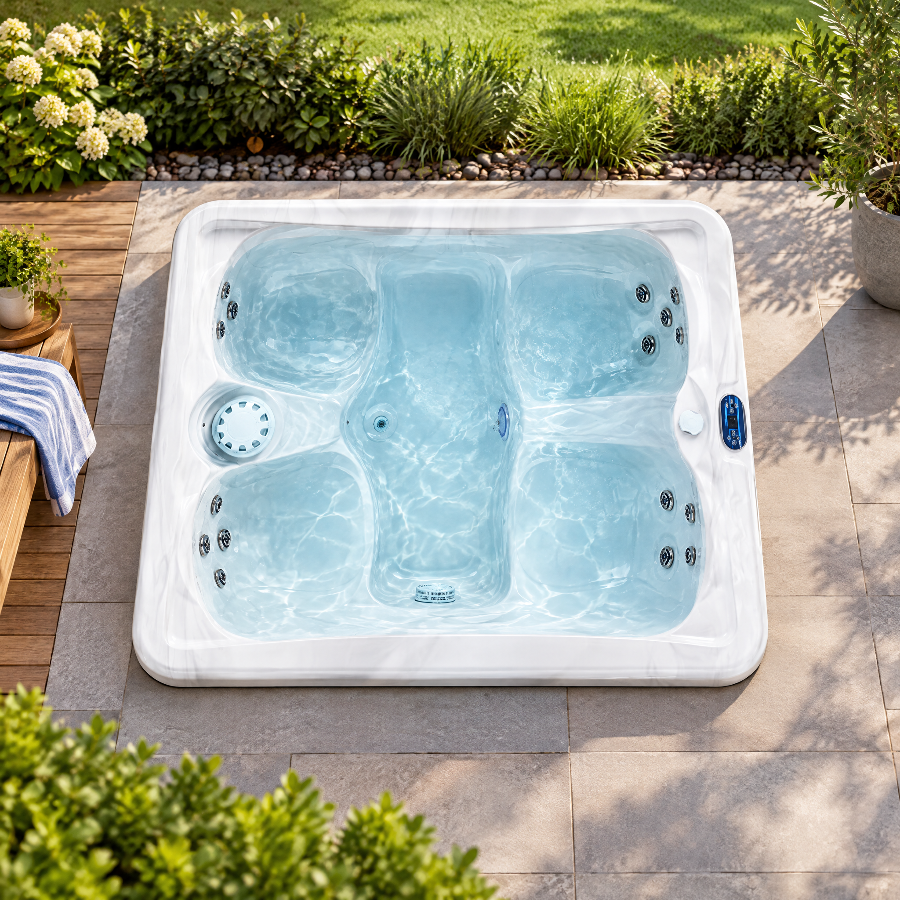
The VS-401C measures 1900 mm × 1500 mm × 865 mm (approximately 6′ × 59" × 34"), making it suitable for compact patios, urban courtyards, or smaller backyard areas.
The layout provides four contoured bucket seats formed directly into a Porcelain acrylic shell finish. Ergonomic recesses cradle the lower spine and support relaxed posture without sacrificing the central footwell space needed for shared legroom.
Mechanical Specifications and Hydrotherapy Hardware
Rather than cluttering the basin with unnecessary hardware, the VS-401C incorporates 16 targeted massage jets focused on primary muscle groups. The hydromassage circuit is driven by a 2 HP water pump that provides pressure to each nozzle.
Continuous thermal maintenance and silent filtration run on an independent 0.35 HP circulation pump, paired with a 3 kW heater inside a 4.5 kW total electrical package. This dedicated circulation pump ensures the water filters quietly without cycling the higher-draw massage pump on and off throughout the day.
Control Interface, Cabinetry, and Entertainment
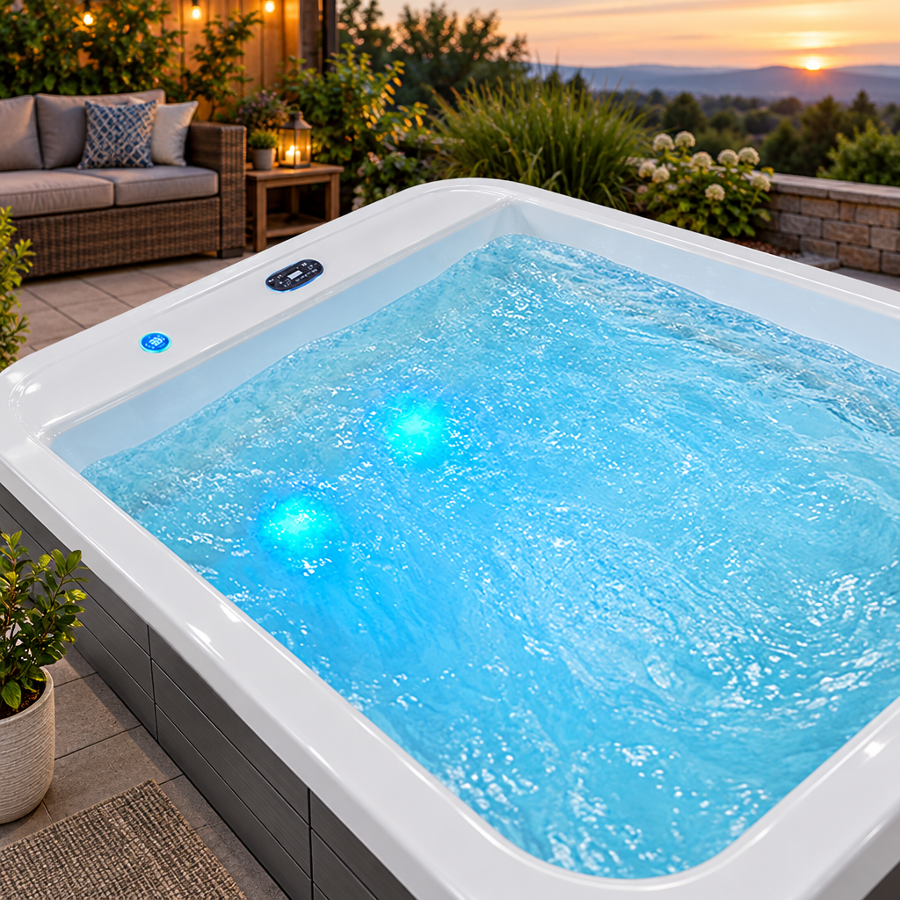
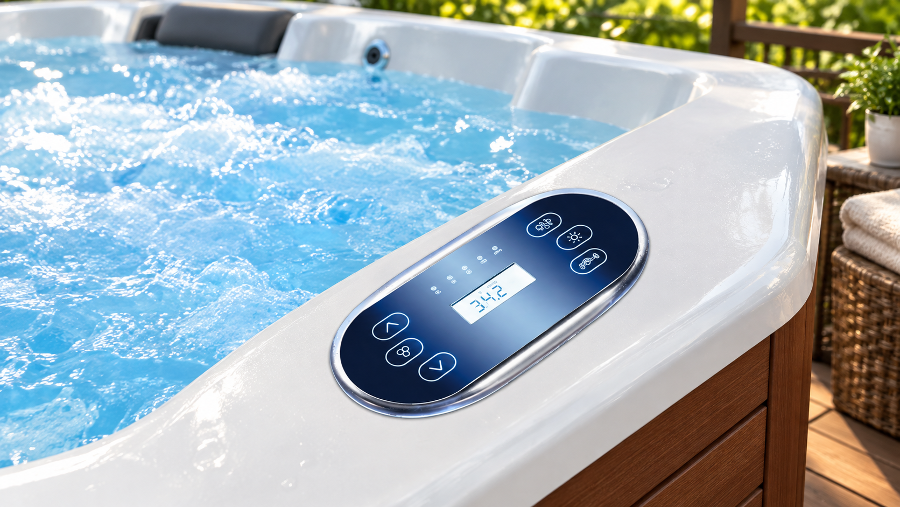
Internal equipment is managed by a flush-mounted KL2022 digital keypad, featuring an intuitive waterproof backlit screen that provides single-touch temperature adjustments, jet activation, and lighting control. Built-in Bluetooth audio connectivity pairs directly with smartphones to deliver music via high-fidelity waterproof speakers, according to the manufacturer’s specifications.
Water cleanliness is supported by an integrated multi-stage management system combining physical filtration, ozone injection, and UV purification as specified by the manufacturer. The exterior features an aluminum-plastic composite skirt available in modern Platinum and Midnight finishes.
Practical Routine Water Maintenance on a Sensible Budget
Effective water treatment protects your spa components from calcification and corrosion while keeping the environment sanitary for bathers. Maintaining water chemistry correctly saves money on replacement parts and chemical additives.
Daily and Weekly Chemical Balancing Targets
Maintaining the correct sanitizing residual and pH balance prevents water cloudiness and protects pump seals from aggressive acidic or alkaline conditions. Follow local regulations, your spa’s product manual, and applicable CDC guidelines. If following CDC guidance for preventing Legionella in residential hot tubs:
Free Available Chlorine: Maintain between 3 and 10 ppm, or bromine between 4 and 8 ppm, to ensure proper sanitation.
Potential Hydrogen (pH): Balance between 7.2 and 7.8 to optimize sanitizer efficacy and safeguard delicate human eye tissues.
Total Alkalinity (TA): Stabilize between 80 and 120 ppm to act as a chemical buffer against drastic pH spikes.
Calcium Hardness: Follow the water chemistry guidance provided by your spa manufacturer and chemical product instructions, as recommended ranges vary by system design and water source.
Shock your spa as needed based on water quality, bather load, and sanitizer product instructions, using a non-chlorine monopersulfate oxidizer or chlorine shock to burn off accumulated organic bather waste, lotions, and combined chloramines.
Filter Maintenance and Drain Schedules
Rinse your pleated fabric filter cartridges under a garden hose weekly to wash away trapped hair and suspended debris. Soak the cartridges monthly in a specialized degreasing solution to strip away embedded body oils that restrict pump intake volume.
Because dissolved solids accumulate relatively quickly under regular use, plan to drain, wipe down the acrylic basin, and refill with fresh water every 90 to 120 days. Water replacement frequency in days can be estimated as: (spa volume in gallons ÷ 3) ÷ average users per day. Following this calculation helps prevent chemical saturation, eliminates persistent foaming issues, and keeps your water clear and inviting without overspending on balancing chemicals.
Step-by-Step Buying Decision Roadmap
Navigating your purchase methodically ensures your final spa choice matches your site conditions and long-term project budget.
Establish your all-inclusive project budget: Set aside funds for the tub invoice, freight handling, electrical wiring, foundation construction, water chemicals, and an insulated safety cover.
Measure the entire delivery path: Verify width clearances along side gates, fence corridors, low roof eaves, gas meters, and air conditioner compressors from the driveway to the final pad.
Assess your electrical infrastructure: Check your main electrical service panel to confirm it has open breaker space for a dedicated circuit as specified by the manufacturer’s installation manual, or identify whether you require an entry-level 120-volt plug-and-play design.
Select shell and cabinet materials for your climate: Homeowners in regions with sub-freezing winters should ask manufacturers to specify insulation materials, their placement, and thermal cover specifications to ensure adequate heat retention.
Verify safety certifications and equipment standards: Verify that the spa carries recognized third-party safety certifications appropriate for your region and product category, and confirm the specific marks and certification scope with the manufacturer.
Confirm local parts availability: Confirm that the primary pump, mechanical seals, and filter elements use standard dimensions so replacement components can be sourced easily when routine repairs are needed.
Frequently Asked Questions
What is the cheapest type of hot tub to buy initially?
Inflatable PVC hot tubs carry the lowest initial purchase price, often retailing for a few hundred dollars. However, they feature thin walls with minimal insulation, have shorter working lifespans, and cool down quickly in cold weather. A compact acrylic or rotomolded hot tub costs more upfront but typically delivers greater physical durability, better heat retention, and lower long-term replacement costs over several years of use.
Can a budget hot tub stay outdoors in freezing winter conditions?
Whether a spa can operate outdoors throughout cold winters depends on the model’s control system, insulation package, cover quality, heater output, and manufacturer specifications. Hard-shell spas with multi-layer cabinet insulation, tight-fitting thermal covers, and adequate heater capacity are more likely to handle cold weather than inflatable vinyl spas, which struggle to maintain water temperature in freezing conditions and risk material damage if water freezes in the external pump housing. Always maintain continuous circulation during sub-zero periods to safeguard internal plumbing, and consult your spa’s installation and operation manual.
How much should I expect to spend on electrical installation?
Electrical installation costs vary widely based on your region, the distance from your main breaker panel to the spa site, the need for trenching or conduit runs, and whether your panel requires capacity upgrades. Obtain quotes from licensed local electricians who can assess your specific property and the circuit requirements stated in your spa’s installation manual. Plug-and-play spas running on standard 120-volt, 15-amp circuits avoid dedicated wiring costs, though they heat more slowly and may not be able to operate the heater while the massage pump runs on high speed.
Does an ozone or UV system eliminate the need for chlorine or bromine?
No, supplemental ozone generators and ultraviolet purifiers do not eliminate the need for an active chemical residual. While ozone and UV may assist with secondary treatment, public health guidelines require maintaining a continuous residual of free chlorine or bromine to prevent cross-contamination. Follow CDC recommendations, your spa’s product manual, and local health regulations for proper sanitizer levels.
Is a 4-person compact hot tub spacious enough for four adults?
A compact 4-person spa measuring around 6 feet by 5 feet can accommodate four seated adults for social soaking. However, the central footwell in a space-saving layout requires some foot coordination. If your household regularly hosts taller guests or prefers sprawling lounge seats, testing seat depths and footwell dimensions beforehand will help confirm the layout fits your needs.
What foundation is required for a compact acrylic hot tub?
A compact hard-shell spa requires a completely flat, level, and unyielding foundation designed to support the full operating weight of the spa, including water and occupants. Obtain the spa’s dry weight, water capacity, and base dimensions from the manufacturer, then consult a qualified structural engineer or contractor to determine the appropriate foundation design based on actual loads, local soil conditions, and applicable building codes. Options include poured reinforced concrete pads, compacted crushed gravel bases with structural interlocking pads, or engineered deck platforms, whereas bare soil or soft lawns will settle unevenly and risk cracking the spa shell.
Conclusion
Selecting the best budget hot tub comes down to looking past cosmetic extras and focusing on what truly matters: structural shell durability, effective thermal insulation, and balanced mechanical systems. An ultra-cheap spa that wastes expensive electricity and demands constant mechanical upkeep is no bargain over the life of your installation. By investing in an ergonomically contoured, well-insulated compact acrylic design like the Victoria Star VS-401C—paired with a solid foundation and balanced water chemistry—you can enjoy genuine hydrotherapy and daily wellness while keeping your long-term ownership costs under control.
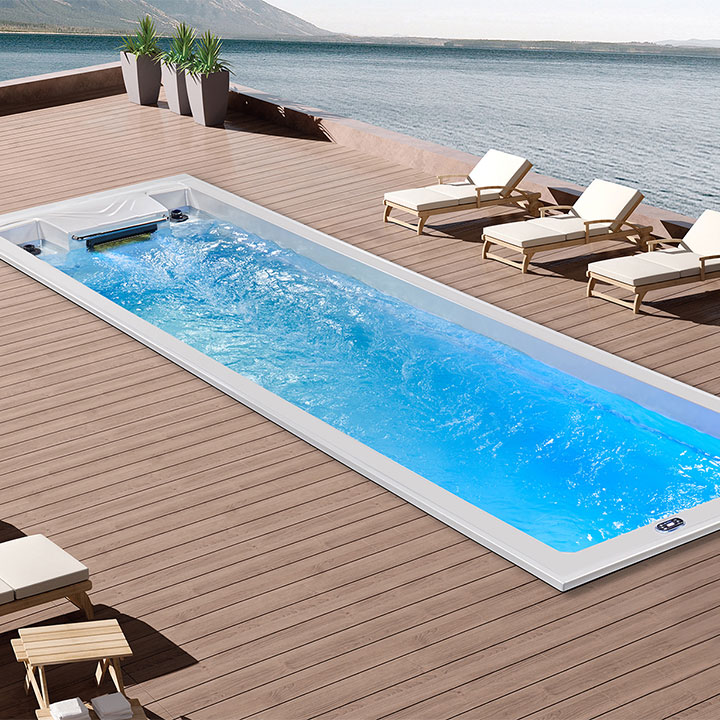
Victoria Star Swim Spa offers the perfect balance between exercise and relaxation, whether you want to swim for fitness or relax in the spacious seating.
Victoria Star Swim Spa offers the perfect balance between exercise and relaxation, whether you want to swim for fitness or relax in the spacious seating.