Best Affordable Hot Tub: How to Choose a Spa That Fits Your Budget
Home / News / Best Affordable Hot Tub: How to Choose a Spa That Fits Your Budget
November 07, 2026
Finding the best affordable hot tub requires looking beyond sticker prices to understand lifetime ownership expenses, physical space constraints, and realistic equipment capabilities. While budget-conscious shoppers often get pulled toward rock-bottom bargain tubs, true affordability balances upfront acquisition costs with durability, energy containment, and manageable daily water treatment. Selecting the right entry-level spa means finding an engineered balance between therapeutic hydrotherapy and sustainable monthly operating expenses.
What Affordable Really Means When Buying a Hot Tub
An entry-level spa purchase involves more than the receipt printed at the register. Evaluating a tub responsibly requires analyzing how initial expenses translate into long-term utility across several seasons.
Purchase Price Versus Total Cost of Ownership
A low retail price tag can easily mask ongoing operating expenses. A spa constructed without adequate thermal insulation will run its electric heater continuously during colder months, resulting in substantial utility bills that quickly erase any purchase-price savings.
Total cost of ownership includes utility bills, sanitizer chemicals, replacement filter cartridges, regular water replenishment, and routine mechanical maintenance. Factoring these line items into your baseline calculations gives a realistic view of how your household budget will absorb the addition of a home spa over its operating lifecycle.
Costs to Check Before You Compare Models
Site readiness and logistics represent essential pre-purchase expenditures that many first-time buyers overlook. Bringing a spa onto your property requires physical infrastructure that must be calculated prior to checkout.
Site Preparation: Solid ground foundations such as reinforced concrete slabs or engineered wooden deck framing evaluated by a structural contractor to support the full operating weight of water and occupants.
Electrical Infrastructure: Trenching conduit and installing a dedicated disconnect switch or subpanel through a licensed electrical contractor based on manufacturer specifications.
Delivery and Placement Services: Curbside drop-offs versus full backyard maneuvering, which may involve specialized equipment or manual handling if perimeter pathways present clearance obstacles.
Permits and Local Codes: Municipal building permits, electrical inspection certifications, and perimeter safety barrier or latching gate requirements.
Why the Cheapest Tub May Not Be the Best Value
When exploring entry-level models, prospective buyers should look closely at shell construction, pump specifications, and ongoing parts availability. Units built with thinner unreinforced basin materials or undersized pump assemblies may experience structural wear or mechanical strain under frequent household use.
Investigate manufacturer service networks and the accessibility of replacement parts prior to purchase. Choosing models that utilize standardized plumbing fittings and established electronic platforms ensures local hot tub technicians can readily diagnose issues and secure compatible replacement components over time.
Choose the Right Hot Tub Type for Your Space and Budget
Navigating the market requires matching your living situation, household size, and aesthetic expectations with the primary spa formats available.
Spa Category
Relative Price Tier
Typical Insulation Method
Structural Shell Material
Primary Installation Demands
Inflatable Hot Tubs
Entry-Level
Air pocket boundary chambers
Multi-layer flexible PVC fabric
Electrical needs vary by model; verify against manufacturer specs and local codes
Rotomolded Polyethylene
Moderate
Partial cavity or expanding foam fill
One-piece rotational molded resin
Electrical needs vary by model; verify against manufacturer specs and local codes
Compact Acrylic Spas
Mid-Range
Multi-layer insulated skirt framing
Vacuum-formed supported acrylic sheet
Level reinforced base; verify circuit parameters with a licensed electrician
Inflatable models provide the easiest point of entry for renters or households with provisional spaces. Constructed from layered PVC fabrics, they inflate quickly and run on standard household outlets without specialized electrical modifications.
Their thermal retention varies widely across individual products and weather conditions. Because they rely on air cavities rather than dense structural rigid foam, cold outside temperatures can significantly increase the electrical energy needed to hold targeted water temperatures during soaking sessions.
Entry-Level Hard-Shell Hot Tubs
Entry-level hard shells made from rotomolded plastic offer distinct physical resilience and impact resistance. These tubs are manufactured by heating plastic polymer pellets inside a rotating mold, creating a unified, seamless vessel.
Certain rotomolded models feature textured, matte surface finishes and unified interior benches. Bathers should evaluate the feel of the basin surface and test seat comfort in person to confirm whether specific molding contours align with their personal seating preferences.
Compact Four-Person Hot Tubs
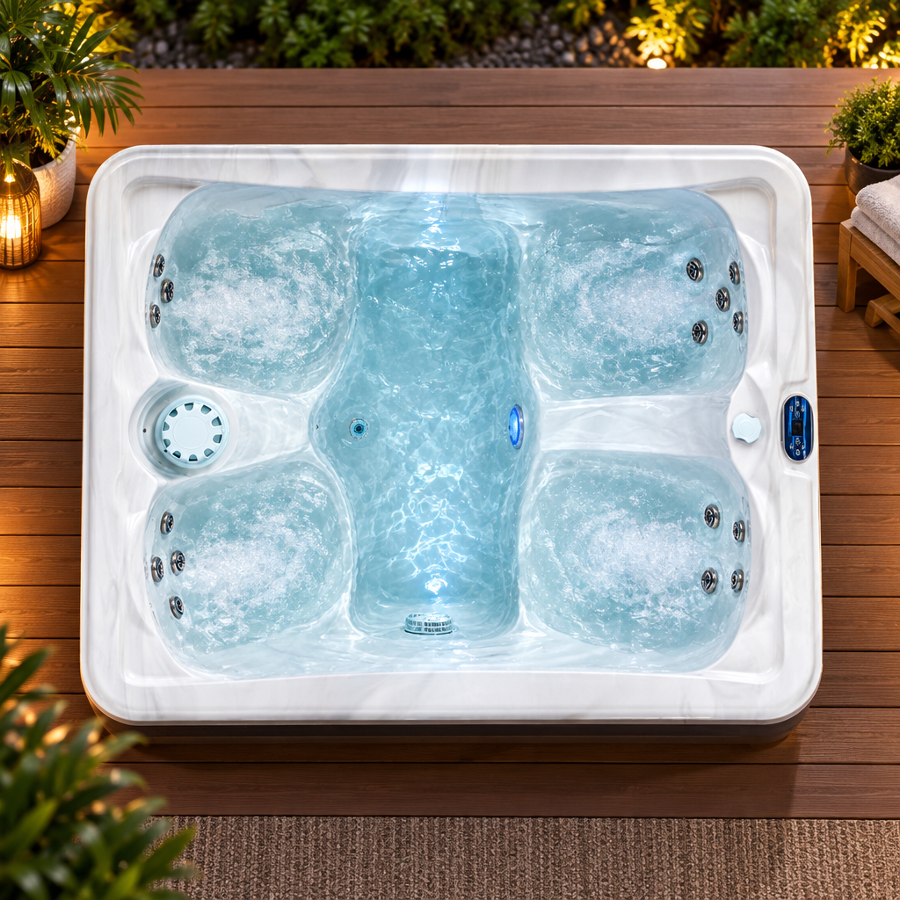
Compact four-person acrylic spas represent an appealing middle tier for shoppers seeking hydrotherapy, structural longevity, and efficient footprints. Built with vacuum-formed acrylic shells bonded to structural backings, these units provide dedicated, sculpted bucket seating.
Whether a compact model suits your home depends on verified site clearances, delivery access paths, structural deck ratings, and available ventilation if installed indoors. Buyers should evaluate published exterior dimensions, total filled weight, and manufacturer insulation specs rather than assuming any compact unit automatically fits or maintains temperature uniformly.
In-Ground and Custom Spas
Custom concrete, gunite, or tile in-ground installations integrate directly into home landscaping architecture. While visually permanent and tailored to property grounds, their upfront excavation, structural civil engineering, and specialized plumbing place them outside affordable spa tiers.
Operating costs and thermal management for in-ground installations depend directly on individual structural insulation, selected heating systems, and site-specific plumbing engineering. Homeowners must assess site-specific contractor plans to estimate initial capital requirements and ongoing utility demands.
How to Compare Hot Tub Specifications
Specification sheets present clear engineering markers once you look past promotional descriptions. Learning to interpret these figures prevents common purchasing missteps.
Seating Capacity and Interior Layout
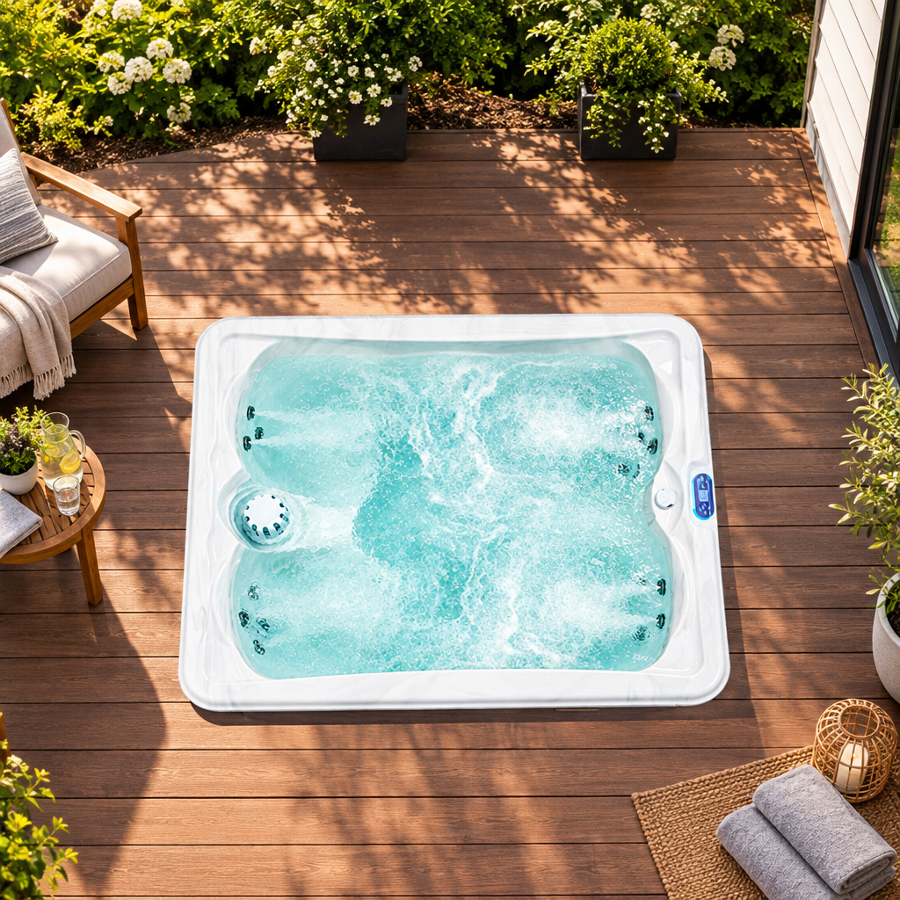
Rated seating capacity indicates how many physical molds or headrests exist, not necessarily how many adults can soak at once comfortably. A four-person tub often works best with two or three adults, leaving room for leg clearance in the shared central footwell.
Examine whether a model incorporates dedicated lounge seating or upright contour chairs. Full-body loungers provide reclining hydrotherapy, but they occupy significant interior volume and can cause smaller bathers to float if the footwell is not molded for their height.
Dimensions, Access, and Installation Clearance
Exterior cabinet measurements must be evaluated alongside delivery pathways. Gate widths, roof overhangs, gas meters, and air-conditioning compressors can obstruct movement during installation.
Clearance around equipment access panels must follow the specific guidelines outlined in your model’s installation manual. Confirm with your certified installer or contractor that adequate working room is preserved around access skirts so technicians can reach components without dismantling surrounding structures.
Jets and Pumps: Compare the Configuration, Not Just the Count
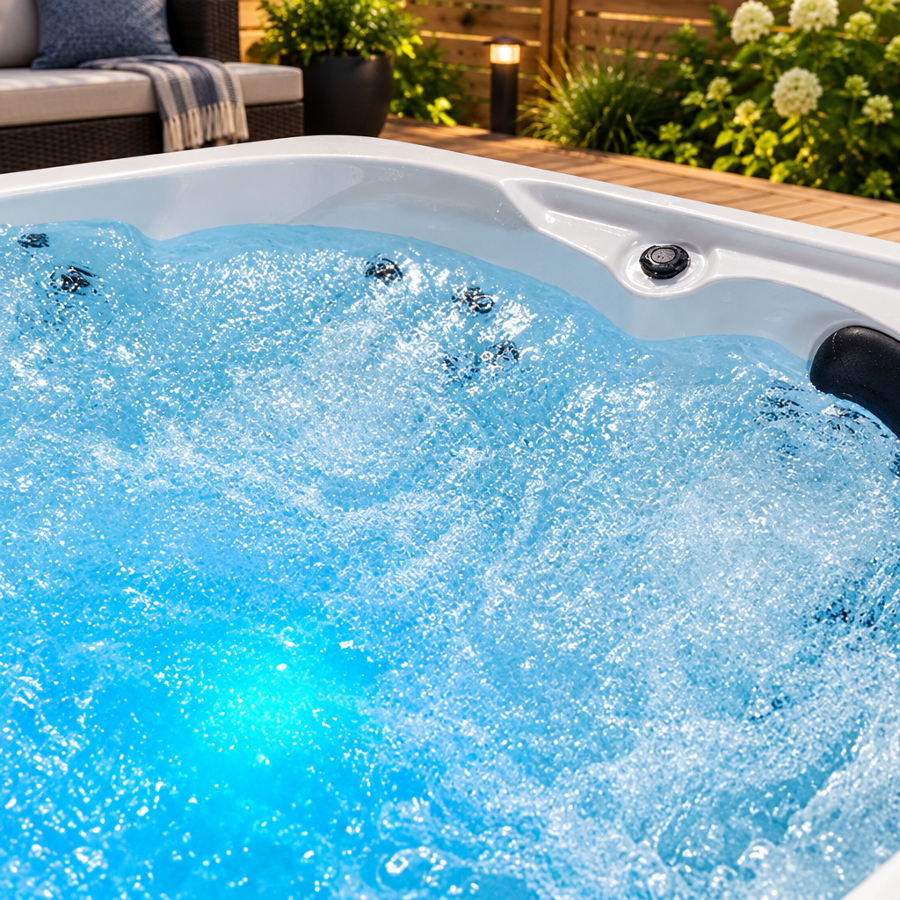
Marketing often spotlights jet count, yet high numbers can be misleading if powered by an undersized motor. Fifty small jets plumbed into a single weak pump deliver mild surface bubbling rather than therapeutic deep-tissue pressure.
A targeted configuration—such as 16 to 24 strategically placed jets powered by a balanced 2.0 horsepower pump—frequently yields better water velocity and massage performance. Plumbing line diameters and manifold design determine how effectively pressure reaches lumbar, neck, and leg zones.
Heater Output and Electrical Requirements
Spa heating elements typically span from compact 1.0 kW plug-and-play elements up to high-output configurations exceeding 3.0 kW. When evaluating a unit, confirm how the electronic controller balances the heater output against jet pump operation under peak demand.
Whether a system can maintain active heating while running massage pumps at maximum speed depends entirely on the unit’s internal wiring design, rated supply amperage, and controller logic. Review the product’s wiring schematic and total circuit load with a qualified electrician rather than assuming power levels based on supply voltage alone.
Cabinet, Shell, and Insulation Details
Inspect the overall thermal engineering and insulation strategy of the spa cabinet and shell. Inadequate insulation or unsealed cabinet joints can allow heat to dissipate quickly, increasing the run time required for the heater to maintain set temperatures.
Look for cabinets constructed with composite aluminum-plastic materials or high-grade treated polymer slats paired with closed-cell boundary insulation. Multi-layer backing against an acrylic shell locks temperature within the water column while shielding mechanical plumbing from freezing external drafts.
Features Worth Paying For—and Features to Treat as Extras
Prioritizing features that streamline maintenance and conserve thermal energy will serve you better over time than spending on decorative visual accents.
Filtration and Water-Care Systems
Reliable water management is critical for a dependable spa experience. Multi-stage filtration systems running on a dedicated low-draw circulation pump keep water moving through cartridge filters without engaging loud primary massage pumps.
Augmenting filtration with secondary sanitizers like ozone generators or germicidal ultraviolet (UV-C) light lamps helps break down organic matter and pathogens. While secondary treatment does not eliminate the need for chemical sanitizers like chlorine or bromine, it lowers overall chemical demand and helps reduce chloramine odors.
Covers and Heat-Loss Considerations
Uncovered water surfaces release substantial heat through evaporation and convective cooling, making a well-fitted thermal cover a critical component of energy management. Operating without an adequate cover rapidly drives up utility demands across all seasons.
Selecting a tapered, marine-grade vinyl cover built with an internal vapor-sealed insulating core and reinforced tie-down straps slows thermal dissipation. Verify that replacement covers match the dimensions, taper profiles, and safety tie-down standards recommended by your spa manufacturer.
Controls, Lighting, and Audio
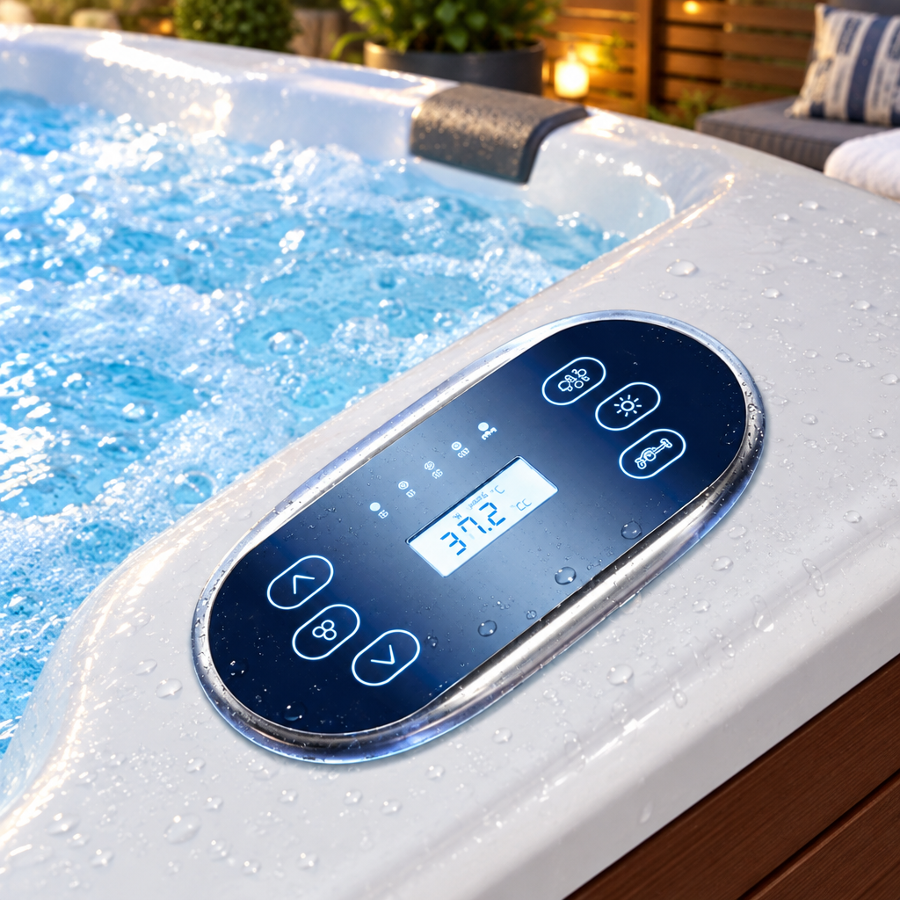
Digital keypads simplify water temperature management, filter cycle programming, and component diagnostics. Modern user interfaces allow you to toggle pump speeds and set economy modes without deciphering complex numerical error codes.
Integrated perimeter LEDs, backlit waterfalls, and Bluetooth marine audio systems add convenience and atmosphere. However, keep these secondary to core mechanical fundamentals like pump quality, shell construction, and thermal insulation.
Warranty, Service Access, and Replacement Parts
Review warranty documentation thoroughly to identify separate coverage periods for structural shells, interior acrylic finishes, plumbing integrity, and electrical components. Confirm whether coverage extends to both replacement parts and certified on-site labor.
Ensure that the spa integrates non-proprietary plumbing unions, common gate valves, and standardized control electronics. Generic modular parts reduce maintenance delays and simplify component sourcing throughout the lifespan of the spa.
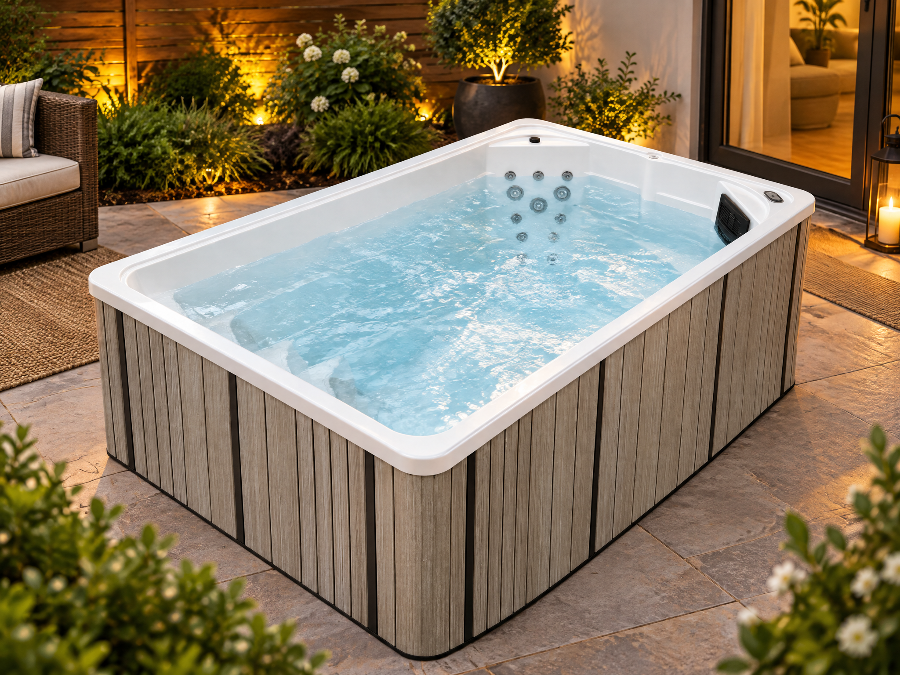
A Compact Four-Person Example: Victoria Star VS-401C
Examining specific models helps translate engineering specifications into practical performance expectations. For us at Victoria Star, designing the VS-401C Comfort Series meant balancing spatial efficiency with dedicated hydrotherapy performance.
Published Specifications
Published engineering data outlines the mechanical framework of this compact four-person spa:
Exterior Dimensions: 1900 mm × 1500 mm × 865 mm (approximately 6.23 ft × 4.92 ft × 2.84 ft)
Pumping System: 1 × 2.0 HP water pump plus a dedicated 1 × 0.35 HP circulation pump
Thermal Control: 1 × 3.0 kW electric heater
Power Supply: Published manufacturer rating of 4.5 KW
Cabinetry & Shell: Aluminum-plastic skirt (Midnight / Platinum finishes) over a Porcelain white acrylic shell
Water Purification: Integrated multi-stage filtration with ozone and UV light sanitization
Digital Electronics: KL2022 smart keypad control module with integrated Bluetooth sound system
Where Its Configuration May Suit a Buyer
The VS-401C fits well into compact backyards, structural decks, or private courtyards where space is limited. Its footprint allows straightforward integration into smaller outdoor living areas without monopolizing patio space.
Incorporating a dedicated 0.35 HP circulation pump alongside the primary 2.0 HP water pump separates water movement duties across specialized components. Reviewing manufacturer guidelines will help determine optimal filtration cycle durations and operational schedules for your specific environment.
Questions to Confirm Before Requesting a Quote
Before ordering any compact hot tub, double-check your installation logistics to prevent unexpected delays on delivery day:
What specific operating voltage, phase, and circuit breaker amperage does the manufacturer require for this 4.5 KW power supply rating?
What is the total route clearance from the delivery unloading point to your patio, accounting for boxed packaging dimensions, steps, and tight turns?
Does the purchase quote include a heavy-duty locking thermal cover and steps, or are those billed separately?
What local municipal building permits, GFCI placement rules, or safety barrier requirements apply in your area?
Estimate the Full Cost Before You Buy
A realistic hot tub budget extends beyond the initial invoice price. Accounting for installation, utilities, and routine supplies gives a clear picture of total home integration costs.
+-----------------------------------------------------------------------+
|                   TYPICAL PROJECT COST CATEGORIES                     |
|  Base Hot Tub Purchase:                  Direct quote from dealer     |
|  Site Prep (Concrete Slab / Structural): Dependent on contractor/soil  |
|  Licensed Electrical Installation:       Subpanel, conduit, breakers  |
|  Delivery, Placement, and Startup Steps: Cartage, steps, starter pack |
+-----------------------------------------------------------------------+
|                   ONGOING OPERATING BUDGET ITEMS                      |
|  Electrical Utility Consumption:         Monthly local utility rates  |
|  Water Treatment (Sanitizers & Buffers): Periodic test kits & chemicals|
|  Filter Cartridges & Routine Flush:      Annual cartridge replacements|
+-----------------------------------------------------------------------+
Delivery, Site Preparation, and Electrical Work
Site preparation forms the physical foundation of your spa installation. An unlevel or settling surface like gravel or bare patio pavers can stress the acrylic shell, leading to hairline cracks and frame distortion over time.
Electrical connection costs depend on the distance between your primary breaker box and the spa location. Running wiring through walls or trenching conduits across lawns requires certified labor, permits, and specific GFCI shut-off hardware to comply with local safety standards.
Electricity, Water, Filters, and Chemicals
Monthly operating costs vary depending on regional utility rates, local weather conditions, and how often the spa is used. Spas featuring full perimeter insulation and tight-fitting thermal covers control energy dissipation under typical residential conditions.
Water care supplies represent another routine operational expense. Keeping water balanced requires sanitizer, pH adjusters, alkalinity buffers, calcium hardness balancers, and test strips, alongside periodic filter replacements.
Maintenance Time and Potential Repairs
Consistent maintenance protects your investment. You should expect to spend roughly 15 to 30 minutes each week testing chemical levels, clearing skimmer debris, and wiping the acrylic waterline.
Every three to four months, plan to drain, clean, and refill the spa with fresh water to manage total dissolved solids (TDS). Routine care keeps water clear, protects plumbing from scale buildup, and extends the service life of heating elements and mechanical seals.
A Simple Quote-Comparison Checklist
When comparing prices from dealers or direct manufacturers, confirm what is included in the base quote:
Curbside vs. Backyard Placement: Does delivery drop the crate at the road, or place the spa onto your patio?
Insulating Cover: Is a thick, locking thermal cover included, or sold as an optional upgrade?
Access Steps and Lifter: Are physical entry steps and a manual cover lifter bundled into the package?
Chemical Starter Kit: Does the spa arrive with startup water-treatment supplies and test strips?
Warranty Scope: How many years of parts and on-site labor coverage are backed by the warranty?
Installation and Safety Checks
Careful installation safeguards bathers, preserves your equipment warranty, and protects surrounding home structures.
Confirm the Site and Supporting Surface
Water weighs approximately 8.34 pounds per gallon, meaning a fully filled spa with occupants easily weighs several thousand pounds. When placing any hot tub on an elevated deck or second-story terrace, always obtain the specific dry weight and water volume from the manufacturer and hire a licensed structural engineer to verify load-bearing capacity.
For ground-level installations, a poured, reinforced concrete pad provides an enduring, level base. Proper leveling ensures balanced water distribution across seats and prevents structural twisting within the internal support frame.
Have Electrical Work Checked Against Local Requirements
Water and electricity demand strict compliance with safety codes. The U.S. Consumer Product Safety Commission (CPSC) emphasizes electrical safeguards around pools and spas to prevent electrocution hazards.
All dedicated connections require an external GFCI disconnect box mounted within sight of the spa, positioned safely away from water splash zones according to local electrical codes. Never use consumer extension cords or ungrounded adapters to power a hot tub.
Plan for Water Testing and Routine Care
Consistent chemical sanitization prevents bacteria growth and shields interior components from corrosion or mineral scaling. According to guidance from the U.S. Centers for Disease Control and Prevention (CDC), hot tubs require a free chlorine residual of at least 3 parts per million (ppm) or a bromine residual of at least 4 ppm.
The CDC also recommends maintaining a water pH between 7.2 and 7.8 (with general recreational water ranges between 7.0 and 7.8) to maximize sanitizer efficacy and avoid bather eye discomfort. Always balance sanitizers alongside total alkalinity and calcium hardness in accordance with your spa manufacturer’s manual and relevant municipal codes.
Check Temperature Guidance and User Precautions
The CDC recommends that hot tub water temperatures never exceed 104°F (40°C). Soaking at high temperatures can trigger heat exhaustion, dizziness, or dehydration.
Most modern digital control systems include factory cut-offs that prevent heating beyond 104°F. Expectant mothers, individuals with cardiovascular conditions, and young children should consult a physician before using a hot tub, and soak for shorter periods at lower temperatures.
A Practical Buying Decision
Selecting a hot tub comes down to aligning realistic household budgets with genuine hydrotherapy and longevity expectations.
Start With Your Budget Ceiling
Establish a total budget that covers the spa purchase, site preparation, electrical wiring, safety accessories, and initial supplies. Setting this limit early prevents overspending on secondary aesthetic options.
If site work and electrical upgrades absorb a large portion of your initial funds, consider a simpler, well-insulated compact acrylic spa rather than an oversized model with complex features. Reliable construction and thermal retention will serve you far better over time than extra unneeded seating.
Match the Tub to the People Who Will Use It
Think through how your household will actually use the spa on a weekly basis. If the tub will primarily serve one or two bathers for evening hydrotherapy, buying a seven-seat unit wastes energy heating unused water.
A compact four-person spa provides a comfortable environment for solo soaking or couples, while leaving space for occasional weekend guests. A smaller footprint also preserves usable yard and deck space for outdoor furniture and family activities.
Compare Written Specifications and Included Items
Carefully review product specification sheets side-by-side. Focus on heater wattage ratings, pump horsepower, shell acrylic thickness, water purification stages, and cabinet construction quality.
Ensure that all verbal dealer promises regarding delivery, electrical requirements, covers, steps, and warranty coverage are clearly documented in your final sales agreement before submitting a deposit.
Decide Whether a Used or New Tub Makes More Sense
Pre-owned hot tubs on secondary marketplaces can look tempting, but they carry hidden risks. Used tubs may harbor structural leaks, degraded plumbing, brittle acrylic, or burned-out heating elements that are difficult to diagnose while drained.
A brand-new spa often includes manufacturer warranty coverage alongside clean plumbing lines and modern digital controls. Buyers should examine the exact warranty terms, labor provisions, and transferability conditions carefully to weigh initial savings against long-term maintenance protection.
Frequently Asked Questions
What Is the Best Affordable Hot Tub for a Small Patio?
A compact acrylic spa measuring roughly 6 feet by 5 feet, such as the Victoria Star VS-401C, offers a practical balance for small patios. It provides dedicated four-person contour seating and durable construction without overwhelming limited outdoor deck space.
Are Inflatable Hot Tubs Cheaper to Run?
While inflatable hot tubs have lower upfront purchase prices, operating costs depend heavily on climate and insulation quality. In colder seasons, thin air-filled walls allow heat to dissipate more quickly, which can elevate heater run times compared to rigidly insulated hard-shell spas.
Does a Higher Jet Count Mean a Better Hot Tub?
Jet count alone does not determine massage performance. A spa with 16 strategically positioned jets powered by a balanced 2.0 HP pump delivers better hydrotherapy pressure than an undersized pump split across 40 small, weak jets.
How Much Space Should I Allow Around a Hot Tub?
Review your product’s technical manual to determine required service clearances, particularly around access panels housing pumps, heaters, and control packs. Verifying clearance boundaries before installation ensures maintenance professionals can inspect equipment safely.
Can Ozone or UV Replace Routine Water Testing and Disinfection?
Ozone generators and UV-C sanitizers do not replace the need for chlorine or bromine. These supplemental systems neutralize organic contaminants and lower chemical demand, but you still need residual sanitizers to keep water safe and balanced.
What Should I Ask a Seller Before Paying a Deposit?
Ask for the complete out-the-door price in writing, confirming delivery logistics, cover and step inclusion, warranty lengths for parts and labor, and exact electrical circuit requirements.
Final Thoughts: Find the Best Affordable Hot Tub for Your Needs
Investing in the best affordable hot tub is entirely achievable when you prioritize quality construction, efficient insulation, and balanced mechanical systems over exaggerated features or rock-bottom pricing. Taking time to account for delivery logistics, site readiness, electrical work, and routine water care ensures your home spa provides reliable, stress-free relaxation for years to come. Focus on durable components that fit your specific living space, and you will find an affordable hydrotherapy solution that enriches your daily routine without straining your budget.
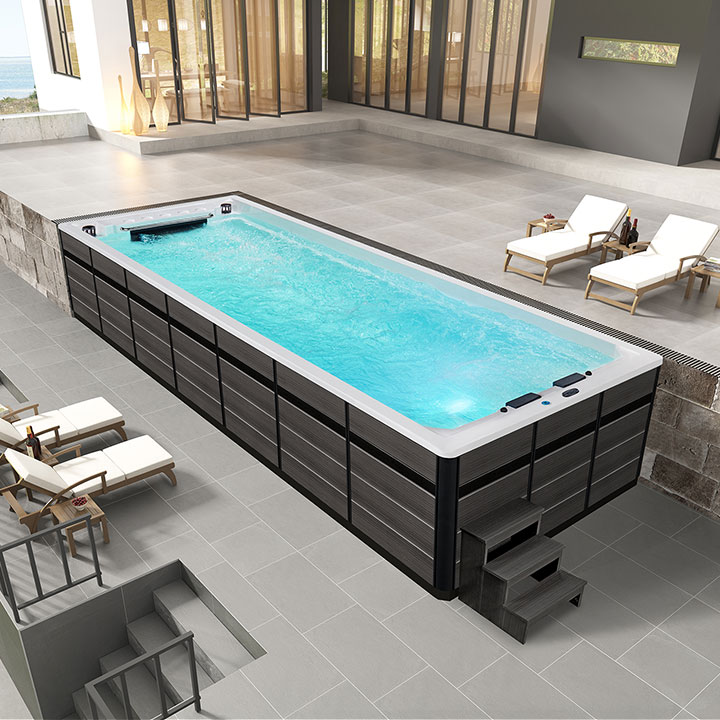
Victoria Star Swim Spa offers the perfect balance between exercise and relaxation, whether you want to swim for fitness or relax in the spacious seating.
Victoria Star Swim Spa offers the perfect balance between exercise and relaxation, whether you want to swim for fitness or relax in the spacious seating.