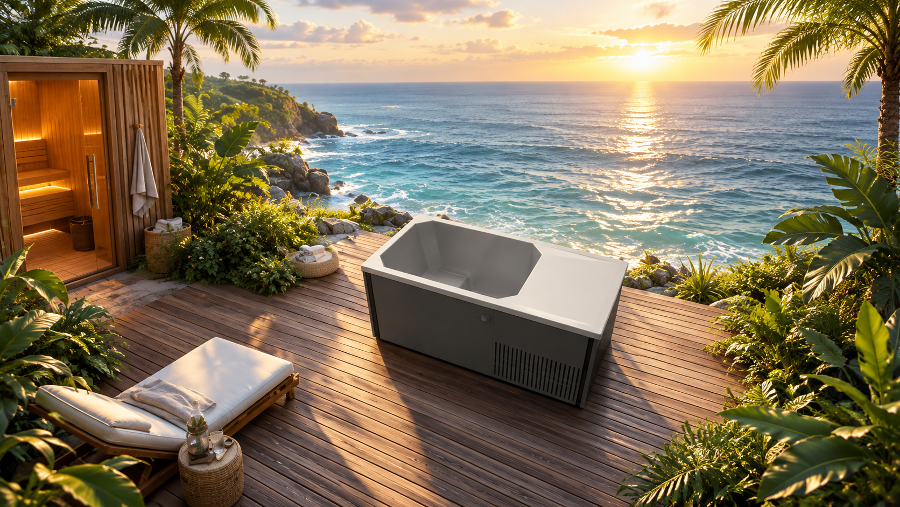
Benefits of Cold Plunge and Sauna: An Evidence-Based Guide to Heat, Cold, and Contrast Recovery
Home / News / Benefits of Cold Plunge and Sauna: An Evidence-Based Guide to Heat, Cold, and Contrast Recovery
November 05, 2026
Athletes and wellness enthusiasts explore cold plunge and sauna routines to accelerate recovery, sharpen focus, and build physical resilience. The sharp sting of icy water followed by the dry heat of a Finnish sauna room is not just an ancient tradition. Modern clinical research examines how exposure to extreme temperatures alters blood flow, autonomic nervous system tone, and cellular repair pathways.
Yet thermal conditioning involves trade-offs. Stepping into freezing water directly after heavy resistance exercise may blunt muscular adaptations. Excessive heat without proper hydration can stress the cardiovascular system. Navigating these therapies requires a balanced look at biological mechanisms, clinical findings, and practical protocols rather than social media enthusiasm.
Understanding the Physiology of Heat and Cold Exposure
Subjecting the human body to thermal extremes triggers immediate homeostatic defenses. The autonomic nervous system commands rapid shifts in blood distribution, core temperature maintenance, and hormone secretion. Understanding these mechanisms helps practitioners select protocols that match their specific physical demands.
The Biological Mechanisms of Cold-Water Immersion
Submerging the torso in cold water initiates peripheral vasoconstriction. Smooth muscle surrounding superficial arterioles contracts, shunting blood away from the extremities toward vital organs in the body core. This response preserves central core temperature while temporarily reducing peripheral fluid accumulation and localized metabolic activity.
Cold shock activates the sympathetic nervous system, precipitating a surge in circulating norepinephrine and epinephrine. This hormonal spike sharpens immediate alertness, elevates heart rate, and raises systemic blood pressure within seconds of entry. As breathing stabilizes, parasympathetic activity may increase after immersion, although subjective responses vary by person and protocol.
The Biological Mechanisms of Sauna Bathing
Passive thermal exposure in a traditional sauna operates on opposite vascular principles. Ambient temperatures ranging between 70°C and 100°C warm cutaneous tissue, causing dramatic peripheral vasodilation as surface capillary beds expand. Blood is redirected to the skin surface to dissipate heat through evaporative sweating, lowering systemic vascular resistance.
Heart rate usually rises, while cardiac output and stroke volume can change in ways that depend on hydration, posture, heat exposure, and individual cardiovascular status. At the cellular level, thermal stress prompts the expression of heat-shock proteins. Sauna heat can increase heat-shock-protein expression, although the practical effects of this response on muscle preservation and recovery in typical users remain uncertain.
The Dynamics of Contrast Therapy
Contrast hydrotherapy alternates between heat exposure and cold immersion, creating cycles of vascular dilation and vascular constriction. Contrast therapy produces transient hemodynamic changes, but evidence for durable circulation benefits remains limited. Some studies report improvements in perceived recovery, but mechanisms remain uncertain.
Clinicians evaluate this alternating hemodynamic shift for its effects on sensory perception and subjective recovery markers. Scientific literature cautions that contrast therapy should complement, rather than replace, baseline recovery factors such as adequate sleep and structured nutrition.
Comparing the Evidence: Benefits of Cold Plunge vs. Sauna
Because cold and heat manipulate human physiology through distinct pathways, their therapeutic outcomes diverge significantly. Choosing the appropriate modality depends directly on whether an individual seeks acute fatigue relief, cardiovascular conditioning, or long-term strength adaptation.
Recovery Dimension
Cold-Water Immersion
Traditional Sauna Exposure
Contrast Hydrotherapy Combination
Primary Vascular Action
Vasoconstriction (Core Blood Shunt)
Vasodilation (Cutaneous Perfusion)
Alternating skin blood-flow and cardiovascular responses
Impact on Acute Soreness
May reduce perceived soreness
May reduce perceived soreness
Possible perceived-recovery benefit
Hypertrophic Adaptation
Potential blunting of muscle protein signaling
Insufficient evidence for direct hypertrophy benefit
Dependent on timing relative to training
Core Cardiovascular Strain
Acute elevation in blood pressure
Elevated heart rate, variable cardiac output
Rapid transient hemodynamic shifts
Primary Autonomic State
Acute sympathetic, delayed parasympathetic
Progressive parasympathetic post-cooling
Dynamic autonomic oscillation
Post-Exercise Muscle Soreness and Fatigue Management
Delayed-onset muscle soreness arises from microscopic muscle fiber disruption and localized inflammatory signaling following strenuous physical activity. Cold immersion has served as a primary field intervention to manage this discomfort among competitive athletes under condensed tournament schedules.
Systematic reviews generally find that cold-water immersion can reduce self-reported soreness for up to 96 hours, although the optimal temperature and duration remain uncertain. The temperature drop may reduce pain perception and alter inflammatory or vascular responses, while the precise mechanisms remain uncertain. This enables athletes to feel physically restored ahead of subsequent competitive rounds.
Sauna heat may feel relaxing and can reduce perceived muscle tension for some users, but evidence for a direct post-exercise recovery benefit remains limited.
Strength Adaptations and the Muscle Hypertrophy Trade-Off
While cold immersion may help suppress acute discomfort, its timing requires caution for individuals pursuing muscular hypertrophy. The inflammatory cascade following heavy resistance training is an essential biological signal that stimulates satellite cell activation and muscle protein synthesis pathways.
Repeated immediate post-resistance-training cold-water immersion may modestly reduce hypertrophy and possibly some strength adaptations, but the size and consistency of the effect remain uncertain. Cold exposure may alter phosphorylation of signaling proteins involved in anabolic regulation and muscle-protein synthesis. Repeated immediate post-resistance-training immersion may therefore affect training adaptations in some settings.
For lifters prioritizing muscle growth, avoiding routine immediate post-training cold immersion is the better-supported precaution. Sauna may be used for relaxation, but its direct effect on hypertrophy and joint stiffness remains uncertain.
Cardiovascular Function and Autonomic Balance
Sauna use and cold water exposure challenge the human circulatory system in complementary ways. Habitual sauna use has been associated with lower cardiovascular risk in observational cohorts, but the mechanisms and causal effects on arterial compliance or endothelial function remain uncertain. Large observational studies from Nordic populations link habitual sauna bathing with lower rates of sudden cardiac events and fatal cardiovascular disease.
Cold plunges trigger acute hemodynamic spikes that demand healthy arterial elasticity. The initial cold shock can elevate systemic blood pressure and respiratory drive. Heart-rate and autonomic measures may shift after immersion, but the direction and magnitude of post-immersion recovery vary by protocol and individual.
Mental Clarity, Alertness, and Perceived Stress Relief
Cold immersion acutely activates sympathetic pathways and can increase alertness for some people. The magnitude and duration of mood or cognitive effects vary, and long-lasting benefits are not established.
The warmth and quiet environment of a sauna may help some people relax in the evening, but cortisol and sleep responses vary and are not guaranteed.
Protocol Design: Choosing Between Sauna, Cold Plunge, or Both
Structuring thermal routines requires methodical alignment with individual training goals. Applying the wrong sequence or spending excessive time in extreme temperatures can undermine physical performance and place unnecessary strain on cardiovascular health.
Goal-Based Selection Framework
Recovery protocols must be selected deliberately according to specific training adaptations:
Hypertrophy and Muscle Growth: If hypertrophy is the priority, avoid routine immediate cold-water immersion after resistance training; schedule it later or on a separate session when practical. Utilize 15 to 20 minutes of sauna bathing for relaxation if desired.
High-Volume Aerobic Conditioning: Some studies use short cold-water immersions after endurance exercise and report lower soreness or improved later recovery, but duration and temperature are not universally established. Avoid assuming that longer or colder exposure is better.
Morning Mental Activation: Some experienced users choose a brief, tolerable morning immersion for alertness, but no universal duration is established. Beginners should use less extreme exposure and stop if breathing, dizziness, or discomfort becomes difficult to control.
Evening Decompression and Sleep Quality: Perform a 15-minute sauna session in the early evening if desired for relaxation. The subsequent drop in core body temperature upon cooling may signal the brain to prepare for natural sleep cycles, although individual responses vary.
Contrast Therapy Protocols: Order, Temperatures, and Ratios
When combining heat and cold into a single session, the sequence of exposure can influence the ultimate physiological response. If a clinician or facility protocol permits contrast therapy, use conservative exposures and follow the sauna, plunge, and supervision guidance provided for that equipment. No universal duration, temperature, number of rounds, or sequence is established.
Contrast sequences should be chosen according to personal tolerance, medical history, and facility safety standards. Abrupt transitions between extreme temperatures can increase acute cardiovascular strain and fainting risk for some users.
Safety Considerations and When to Seek Medical Advice
Thermal extremes place substantial acute stress on the human heart and blood vessels. Rapid cold immersion prompts an involuntary gasp reflex that poses an immediate drowning hazard if a bather submerges their head recklessly or enters water while incapacitated.
Individuals diagnosed with unmanaged hypertension, cardiac arrhythmias, coronary artery disease, peripheral neuropathy, or Raynaud’s phenomenon should consult a qualified physician before using cold plunge tubs or saunas. People who are pregnant should avoid overheating and should discuss sauna or cold-immersion use with their obstetric clinician, particularly if they are new to the practice or have blood-pressure concerns.
Evaluating Dedicated Cold Plunge Equipment for Home and Commercial Spaces
As cold water therapy moves from elite training centers into residential backyards, dependable equipment engineering becomes essential. Manual ice additions are labor-intensive and yield unpredictable thermal swings, making dedicated mechanical chilling systems the preferred choice for regular recovery routines.
Temperature Regulation: Heat Pumps vs. Manual Ice Addition
Maintaining consistent water temperatures requires substantial thermal capacity, particularly in warm outdoor environments. Bags of commercial ice melt rapidly, warming the water and failing to sustain the thermodynamic stability necessary for consistent recovery outcomes.
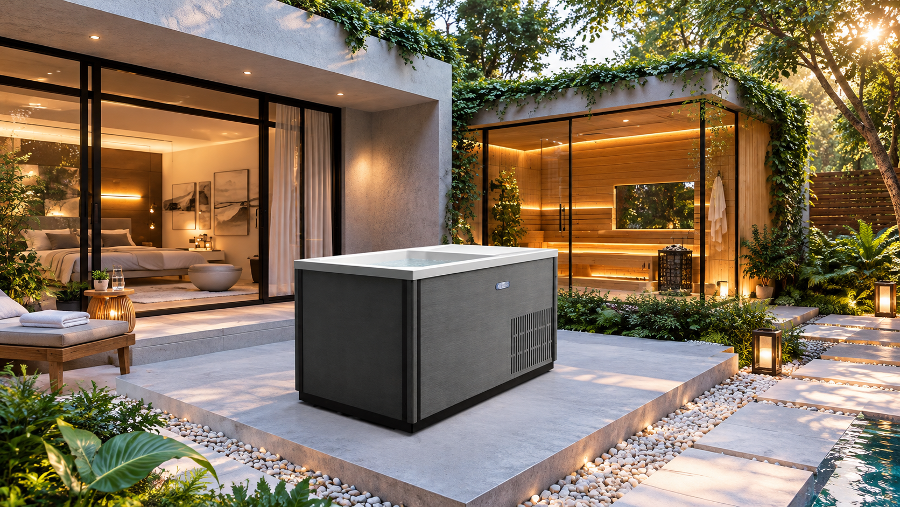
Dedicated plunge systems utilize integrated heat pump technology paired with brushless water circulation pumps. According to the supplied product specifications, the Outdoor Cold Plunge Tub C02 engineered by Victoria Star uses a 900W heat-pump system and 54W brushless pump for temperature regulation. The achievable temperature and performance will depend on ambient conditions, water turnover, installation, and manufacturer settings.
Structural Integrity, Shell Ergonomics, and Water Volume
Ergonomic design plays a critical role in user comfort during cold exposure. Submerging the torso comfortably while keeping breathing steady requires sufficient depth and thoughtful interior contours:
Basin Volume and Thermal Inertia: The 320-liter capacity provides the stated water volume; actual temperature stability will depend on ambient conditions, insulation, circulation, cover use, and heat-pump performance.
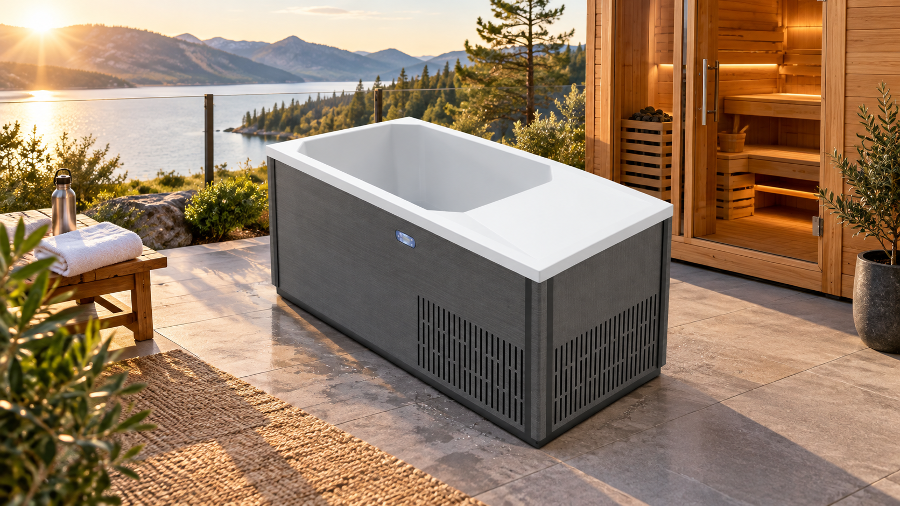
Physical Footprint: The listed outer dimensions are 1695 mm by 830 mm by 850 mm. Buyers should confirm internal dimensions, entry clearance, and user fit before installation.
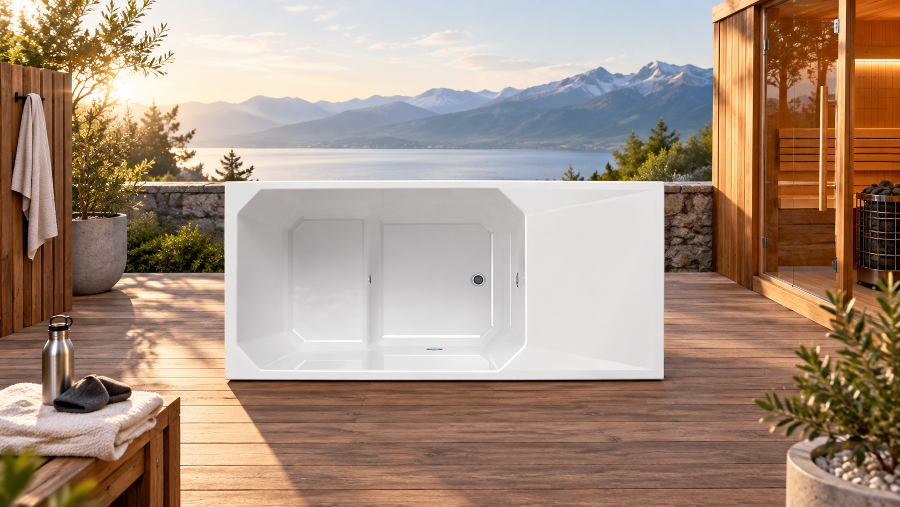
Interior Ergonomics: The basin includes an integrated interior step that may help users enter and position themselves more gradually. Users should verify that the step and water depth are suitable for their body size and intended posture.
Hygienic Shell Surfaces: The C02 uses a smooth white acrylic shell with an integrated step. Water sanitation still requires the manufacturer’s specified cleaning, filtration, and chemical-maintenance procedures.
Exterior Cabinetry and Outdoor Weather Resistance
Outdoor equipment must withstand harsh solar exposure, rain, and shifting ambient temperatures. Flimsy enclosures crack, warp, and shed thermal energy rapidly, forcing internal refrigeration circuits to overwork.
The C02 uses weather-resistant composite cabinetry intended for outdoor placement; service life will depend on installation, climate, maintenance, and operating conditions. The C02 features vented composite panels available in Platinum and Midnight cabinet tones, providing architectural durability while permitting adequate ventilation for internal mechanical cooling components. One insulated cover is included. Cover use may help limit heat exchange and keep debris out, subject to proper fitting and maintenance.
Installation Logistics and Site Requirements
Integrating a dedicated cold plunge tub requires basic planning around structural foundations, drainage access, and electrical infrastructure:
Structural Load Capacity: With 320 liters of water, the 140 kg net unit weight, and an adult bather, the operating load can exceed 500 kg. Have a qualified professional verify that the level foundation or deck is rated for the actual distributed load.
Electrical Infrastructure: The listed power supply is 0.954 kW. A qualified electrician should verify voltage, circuit capacity, grounding, and any GFCI requirements under the manufacturer’s instructions and local code.
Drainage Accessibility: Plan a safe drainage route for maintenance water that protects foundations and complies with local requirements.
Spatial Clearances: Maintain the ventilation clearances specified in the installation manual around the cabinet louvers.
Frequently Asked Questions
What are the main benefits of combining a cold plunge and sauna?
Combining heat and cold exposures activates alternating cycles of peripheral vasodilation and vasoconstriction. This contrast sequence may provide relief from perceived muscle soreness, reduce subjective fatigue after challenging workouts, and stimulate autonomic nervous system responses through acute sympathetic activation followed by parasympathetic relaxation.
Is it better to sauna before or after a cold plunge?
Sequence can be chosen according to comfort and goals, but evidence does not establish one universally superior order. Beginners should use shorter, less extreme exposures and avoid abrupt transitions if they feel dizzy or unwell. Some practitioners prefer ending with cold for alertness, while others prefer ending with heat for relaxation.
Can cold plunges blunt muscle growth after resistance training?
Repeated immediate post-resistance-training cold-water immersion may modestly reduce hypertrophy and possibly some strength adaptations, but the size and consistency of the effect remain uncertain. The cold may alter signaling proteins involved in anabolic regulation and muscle-protein synthesis. If hypertrophy is the priority, avoid routine immediate cold-water immersion after resistance training; schedule it later or on a separate session when practical.
How cold should a cold plunge tub be for effective recovery?
Research commonly studies approximately 10–15°C for short immersions, but no single temperature is established as optimal. Colder water may increase cold-shock risk, so temperature, duration, acclimatization, and medical status should all be considered. Beginners should start with warmer temperatures and shorter durations.
What specifications make the Outdoor Cold Plunge Tub C02 suitable for outdoor wellness?
The C02 features a 320-liter basin built from acrylic. The listed outer dimensions are 1695 mm by 830 mm by 850 mm. According to the supplied product specifications, it uses a 900W heat pump system and a 54W brushless pump with a listed power supply of 0.954 kW, housed inside weather-resistant composite cabinetry with an insulated cover included for thermal preservation. Performance depends on ambient conditions and installation.
Who should consult a physician before using thermal contrast therapy?
Anyone with a history of cardiovascular disease, cardiac arrhythmias, unmanaged hypertension, peripheral vascular disease, Raynaud’s phenomenon, or pregnancy should seek clinical clearance before entering thermal contrast routines. Sudden shifts in blood pressure and core temperature present physiological risks for individuals with underlying circulatory conditions. People who are pregnant should discuss sauna or cold-immersion use with their obstetric clinician.
Conclusion: Balancing Science and Practical Wellness
Thermal recovery represents an effective means of working with human physiology rather than forcing quick fixes. By alternating between the vascular dilation of a sauna and the targeted vasoconstriction of a cold immersion tub, practitioners may alleviate perceived soreness, build mental fortitude, and cultivate a responsive autonomic nervous system. Recognizing the trade-offs, such as the potential dampening effect of cold on immediate muscle hypertrophy, allows individuals to schedule their sessions strategically rather than relying on guesswork.
Pairing thoughtful recovery protocols with reliable hardware turns thermal therapy into a sustainable daily wellness habit. When selecting durable, mechanically chilled outdoor systems, individuals can explore the physiological benefits of cold plunge and sauna contrast therapy safely and consistently across all seasons.
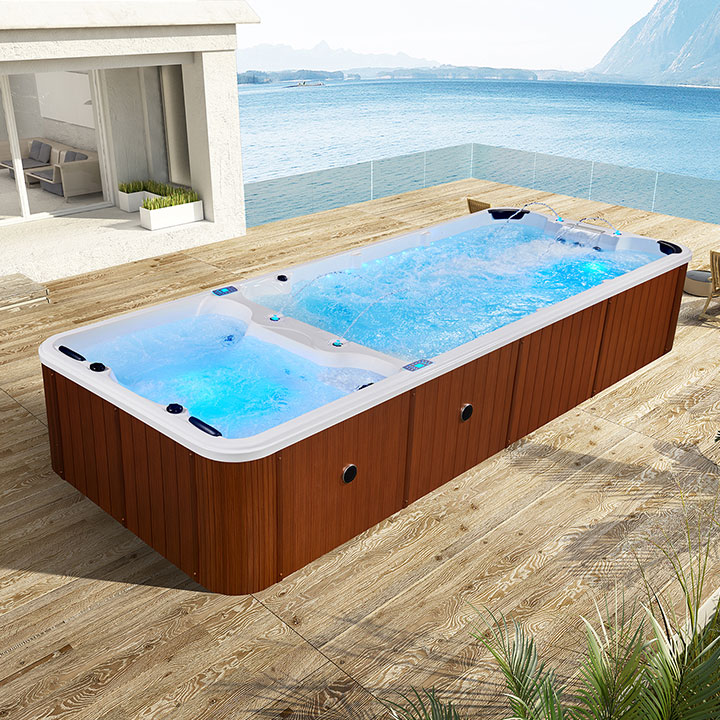
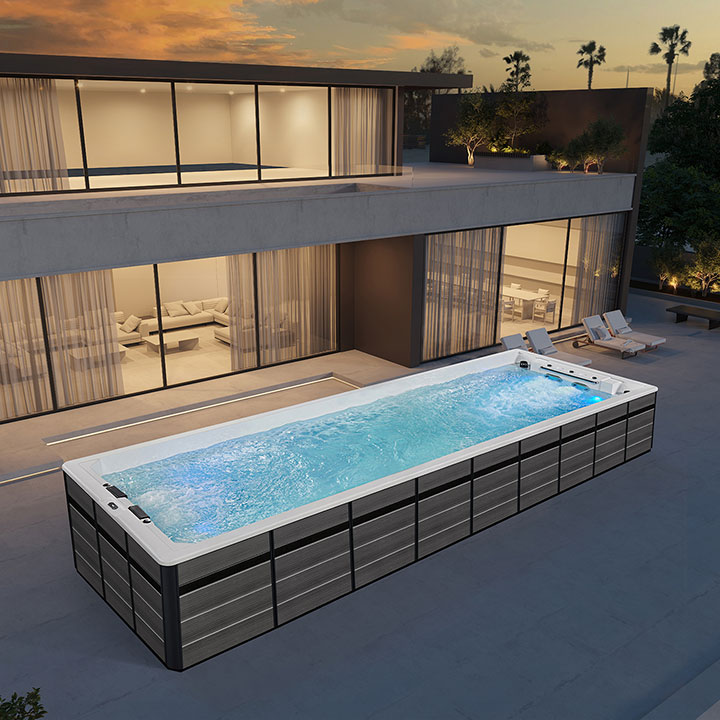
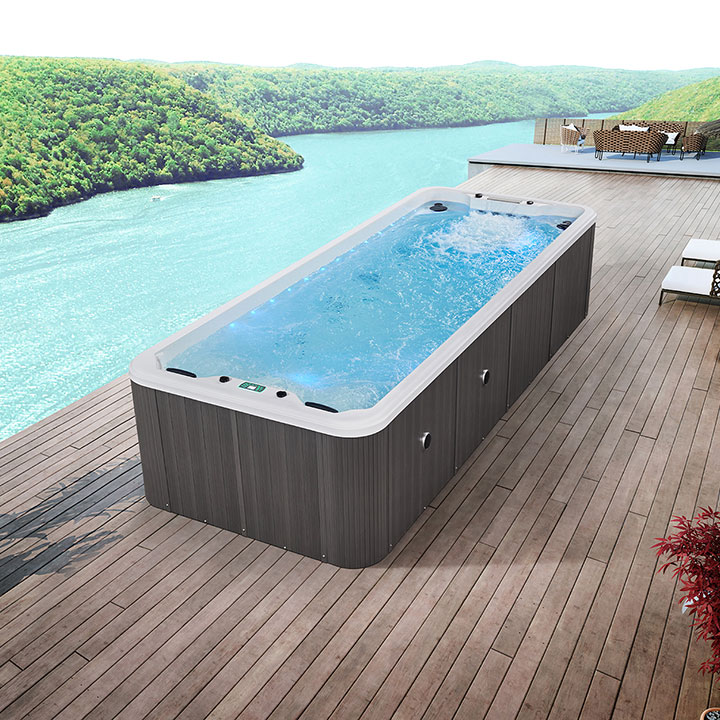
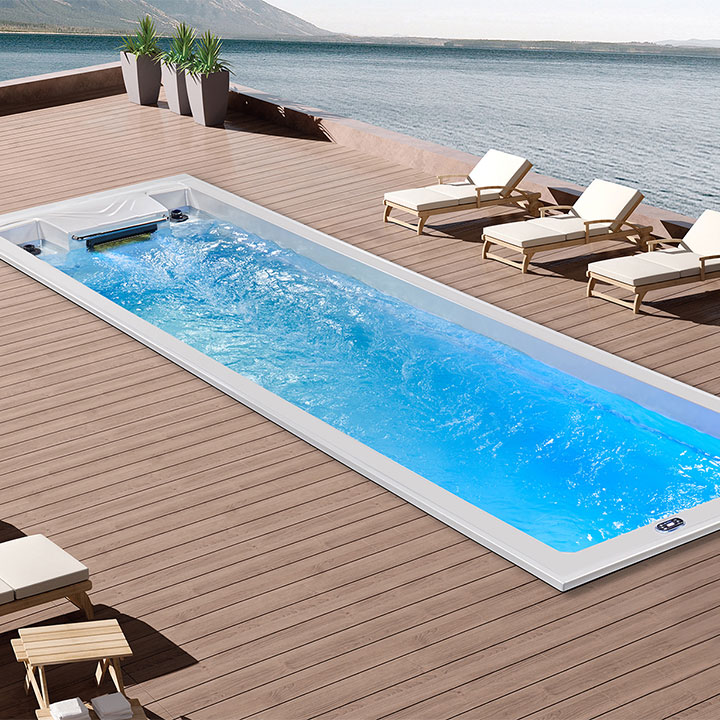
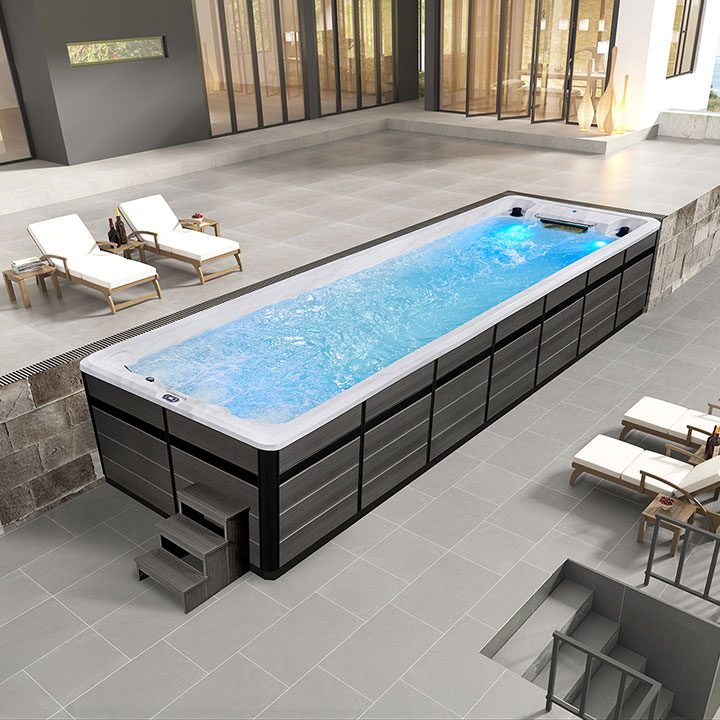
Victoria Star Swim Spa offers the perfect balance between exercise and relaxation, whether you want to swim for fitness or relax in the spacious seating.
Victoria Star Swim Spa offers the perfect balance between exercise and relaxation, whether you want to swim for fitness or relax in the spacious seating.