Backyard Hot Tub Cost: A Complete Buyer’s Budgeting and Installation Guide
Home / News / Backyard Hot Tub Cost: A Complete Buyer’s Budgeting and Installation Guide
November 04, 2026
Calculating the real backyard hot tub cost requires looking far beyond the initial showroom price tag. Homeowners stepping into the world of residential hydrotherapy often encounter unexpected expenses that can double the project budget if left unexamined. Navigating your backyard hot tub cost means balancing equipment specifications against structural foundation engineering, electrical upgrades, and continuous seasonal operating expenses.
Understanding these dynamics early transforms an overwhelming construction venture into a predictable, highly rewarding home investment. The key lies in accounting for every component, from the spa shell itself to the concrete pad beneath it, and from dedicated electrical circuits to ongoing chemical treatments.
What Does a Backyard Hot Tub Really Cost?
Evaluating the market reveals price tags spanning from budget inflatable units to custom in-ground installations. When prospective buyers inquire about backyard hot tub cost estimates, they are often quoted baseline retail numbers that exclude mandatory site preparations. An accurate financial assessment splits expenditures between immediate capital outlay and recurring operational requirements. Overlooking either side leads to inaccurate comparisons between models and unexpected budget overruns.
The true cost picture emerges only when you examine every line item from purchase through long-term ownership. Installation requires coordinating multiple contractors, navigating municipal approval processes, and preparing infrastructure to support thousands of pounds of water weight.
Upfront Sticker Price vs. Total Turnkey Investment
The retail price displayed on a spa represents only the shell, internal plumbing, and mechanical pack. Additional expenses emerge when preparing the physical ground, routing high-amperage power, and paying municipal review fees. The relative proportion of equipment costs versus site preparation, delivery, and installation labor varies significantly depending on your property’s existing infrastructure and local service rates.
A realistic turnkey projection requires itemized quotes covering the delivered vessel, every required utility connection, foundation work, and site enhancement. Only by collecting detailed estimates can you understand the total investment required for your specific installation.
Primary Variables Driving Cost Variance
No two backyard installations carry identical price tags because property layout and structural demands vary widely. The physical size of the spa directly dictates water volume, which influences foundation depth, heater capacity, and electrical wiring gauges. Larger spas require more robust support systems, heavier-duty electrical service, and more extensive site preparation.
Material selections also influence upfront pricing. Different shell and cabinetry materials affect durability, insulation, and long-term performance, though actual thermal retention and structural characteristics depend on the complete design including insulation systems and manufacturing specifications rather than material type alone.
Complete Breakdown of Initial Installation Expenses
A smooth installation requires an infrastructure capable of supporting immense weight while meeting strict regional safety standards. Addressing these site criteria early prevents structural settling, electrical faults, and permit violations. Each component of the installation contributes to both immediate costs and long-term performance.
Site Preparation and Foundation Support
Water weighs approximately 8.34 pounds per gallon, meaning a filled spa easily exerts thousands of pounds across its footprint. Placing a unit directly onto soft lawn or uncompacted ground causes uneven settling, which can stress the shell and compromise plumbing connections. The foundation must be level, stable, and capable of supporting the combined weight of the spa, water, and occupants.
Your spa manufacturer’s installation manual specifies foundation requirements. Common options include poured concrete pads over compacted gravel, structurally engineered decking designed to support the load, and interlocking synthetic spa pads over prepared, compacted stone beds. A structural professional or installation contractor should confirm that your chosen foundation method meets both the manufacturer’s specifications and any applicable local building codes.
Electrical Infrastructure and Dedicated Circuits
Electrical hookup demands careful technical evaluation by a licensed electrician. The voltage, amperage, and circuit requirements depend entirely on your specific spa model and its nameplate specifications. Some compact spas operate on standard 120-volt household current, while larger units typically require dedicated 240-volt circuits. Your spa’s installation manual will specify the exact electrical requirements.
The distance from your home’s main service panel to the spa location dictates trenching labor and wiring costs. Safety codes in your area will define the placement, grounding, and protection requirements for disconnect switches and ground-fault protection. A licensed electrician familiar with your local electrical code should design and install all connections.
Delivery Logistics, Access Clearance, and Rigging
Moving a spa into a private backyard requires thorough logistical planning. Check your spa’s shipping weight and dimensions with the manufacturer before delivery day. Delivery teams need continuous clearance along pathways, often requiring temporary removal of gate posts, fence panels, or gutter downspouts.
Properties with steep grades, retaining walls, or narrow side yards may lack adequate clearance for a standard spa dolly. In these situations, hiring a mobile crane service for a short lift over the roofline becomes necessary. The cost for crane services depends heavily on your location, accessibility, and crane company rates. Request local quotes to budget accurately for specialized rigging.
Municipal Permits, Setbacks, and Safety Compliance
Local zoning regulations frequently treat outdoor hot tubs identically to small swimming pools. Many municipalities mandate building and electrical permits, accompanied by formal inspections before the equipment can be activated. Zoning guidelines define setback distances from property lines, septic tanks, and overhead power utility lines.
Barrier and access control requirements also vary by jurisdiction. Contact your local building department to confirm all permit requirements, setback distances, and any safety standards that apply to your installation. Permit fees and inspection costs vary widely between municipalities.
Ongoing Operational Costs: Energy, Water, and Maintenance
The ongoing backyard hot tub cost extends into monthly utility statements, chemical balancing routines, and consumable component wear. Anticipating these recurring operational expenses ensures your investment remains enjoyable throughout every season. Unlike the one-time installation investment, these costs recur monthly or quarterly and accumulate significantly over the spa’s lifetime.
Monthly Electrical Consumption and Thermal Efficiency
Electric bills represent a significant portion of your ongoing operating costs. The rate of heat loss depends on ambient air temperatures, insulation quality, cover condition, and usage patterns. A spa equipped with adequate insulation and a fitting, insulated cover will retain heat more effectively than one without these features.
Actual monthly electricity consumption varies based on your climate, how often you use the spa, and your local utility rates. Consult your spa’s energy guide or contact the manufacturer for estimated power consumption data relevant to your model. You can then multiply the estimated kilowatt-hours by your local electricity rate to project your specific monthly costs.
Water Treatment Chemicals and Routine Filtration Upkeep
Maintaining clean, balanced water protects internal heating elements from mineral scaling and keeps bathers safe from bacterial growth. Ongoing chemical regimens require test strips, pH adjustment chemicals, alkalinity balancers, and sanitizers such as chlorine or bromine. The cost of these supplies depends on your local retailers, the size of your spa, how frequently you use it, and your local water chemistry.
Modern sanitation equipment incorporating ozone generation and ultraviolet light can reduce the volume of traditional chemicals needed to maintain clarity. Cartridge filters require regular rinsing and periodic replacement according to your spa manufacturer’s maintenance schedule. Consult local pool and spa supply stores for current chemical and filter pricing in your area.
Quarterly Drain-and-Refill and Long-Term Component Wear
Water accumulates dissolved solids over time, requiring periodic drain and refill. Your spa manufacturer will specify the recommended drain frequency, which typically ranges from every few months to annually depending on usage and local water quality. The direct water cost for refills depends on your local municipal water rates and your spa’s capacity.
Long-term budgeting should account for component wear over five to ten years of use. Covers, pump seals, control electronics, and other mechanical parts may degrade under continuous exposure to heat and sanitizer chemicals and will eventually require replacement. Setting aside funds for these eventual replacements prevents unexpected expenses years down the road.
Comparing Hot Tub Categories by Value and Footprint
Selecting the correct spa dimensions prevents buyers from purchasing excessive water volume that drives up electrical bills and foundation footprints. Balancing capacity against everyday use helps keep overall ownership expenditures aligned with personal habits. A spa sized appropriately for your household delivers better value than one that sits partially empty most days.
Small Two-Person Spas vs. Multi-Person Family Tubs
Large family spas accommodating six to eight bathers demand substantial structural pads, larger electrical feeds, and longer heating cycles. For couples and smaller households, a compact two-person configuration may offer superior operating economy and spatial efficiency. Smaller water volumes reduce the total amount of water requiring heating, though actual operating costs depend on the complete design including insulation quality, cover fit, and mechanical efficiency.
Before assuming a smaller spa will cost less to run, compare manufacturer energy-use specifications, insulation details, and usage estimates for the models you are considering. Climate conditions and personal use patterns also significantly influence real-world consumption. Consider your actual usage patterns rather than aspirational capacity when selecting spa size.
Essential Engineering vs. Optional Aesthetic Add-Ons
Showroom sales packages often bundle decorative upgrades that increase upfront costs without enhancing foundational performance. Discerning buyers prioritize core mechanical components such as pump specifications, heater durability, and shell construction. These elements directly influence long-term reliability and operating costs. When evaluating models, request detailed insulation specifications and manufacturer energy-use data to understand true operational efficiency.
Perimeter multi-color LED lighting and integrated Bluetooth sound systems enhance ambiance but provide no therapeutic function. Allocate your budget toward features that affect daily comfort and operational efficiency rather than purely cosmetic enhancements.
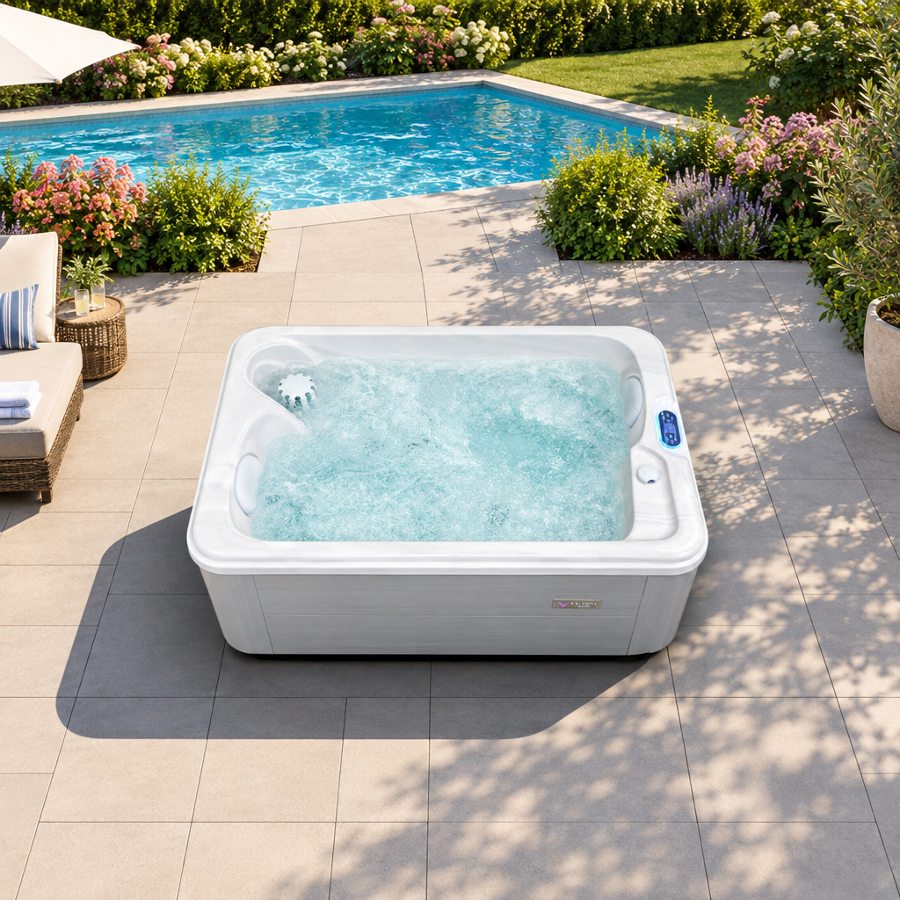
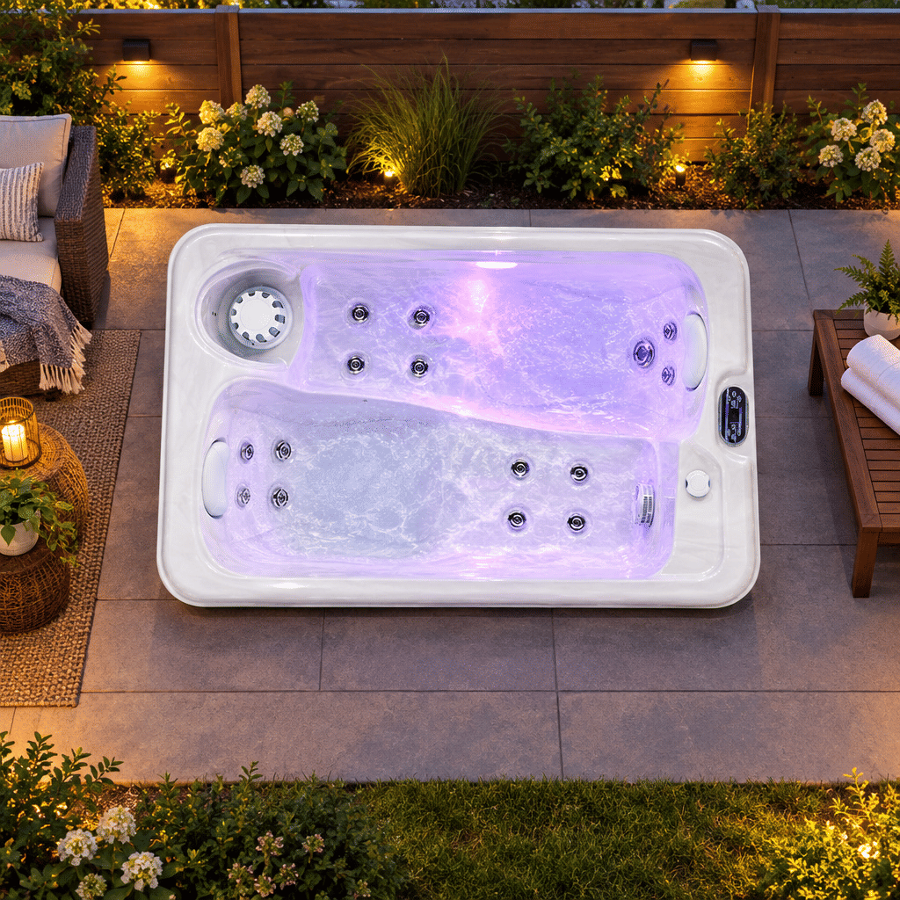
For buyers seeking personal hydrotherapy without extensive infrastructure demands, the Victoria Star VS-201C demonstrates practical spatial efficiency. Measuring 1,750 × 1,150 × 750 mm (approximately 69″ × 45″ × 30″), this Comfort Series model fits neatly into private courtyards, terraces, and compact patio spaces. The rectangular footprint maximizes seating while minimizing the total floor area required.
The VS-201C features dual ergonomic loungers equipped with 15 hydrotherapy jets positioned to target the back and shoulder areas. Its mechanical configuration pairs a 2 HP water pump with a separate 0.35 HP circulation pump, powered alongside a 3 kW heater from a 4.5 kW total electrical supply. An intuitive KL2022 smart keypad manages temperature and cycle times, while an aluminum-plastic exterior cabinet skirt shields internal mechanics from outdoor elements.
At Victoria Star, our manufacturing facilities focus on purposeful structural assemblies that optimize personal wellness. For us, pairing efficient water capacity with targeted jetting offers a practical hydrotherapy option while managing operating costs through compact design.
Step-by-Step Blueprint to Plan Your Hot Tub Budget
Approaching your backyard spa project systematically prevents contractors and suppliers from issuing surprise change orders. Following an organized planning sequence ensures every site requirement is accounted for before delivery day arrives. This methodical approach turns an intimidating project into a series of manageable tasks.
Step 1: Survey Backyard Access and Measure Structural Load
Begin by identifying the desired installation site and recording exact exterior dimensions. Measure existing gate widths, corner eaves, outdoor air conditioning units, and overhead tree branches along the delivery pathway. Document these measurements to share with delivery teams and contractors. Thorough site assessment at this stage prevents last-minute complications that can delay installation or require costly workarounds.
Confirm the pathway provides adequate clearance for the spa dimensions plus delivery equipment.
Evaluate ground firmness and note any slopes or drainage concerns.
If placing the tub on a deck or elevated surface, consult a structural engineer to verify the foundation can support the spa, water, and occupants.
Designate a clear location for chemical storage and routine maintenance activities.
Step 2: Audit Your Existing Electrical Panel Capacity
Inspect your home’s main electrical breaker panel to determine available service amperage. Homes with 100-amp or 150-amp service running central heating, electric ranges, and vehicle chargers may lack capacity for an additional spa circuit. Engage a licensed electrical contractor to assess your home’s electrical capacity and determine what upgrades, if any, are necessary to safely support a spa installation. If a service panel upgrade is needed, include that cost in your preliminary budget.
Panel upgrades represent a significant expense but also increase your home’s overall electrical capacity for future needs. Early electrical assessment prevents discovering capacity limitations after you have already purchased the spa.
Step 3: Solicit Itemized Vendor and Contractor Quotes
Avoid single-line estimates that obscure delivery, equipment hookup, and accessory charges. Request detailed line-item breakdowns from both spa dealers and trade contractors. Ensure estimates explicitly account for safety cover inclusion, delivery location, site preparation, any rigging or crane services needed, electrical work, and all municipal permit filing costs. Comparing fully itemized bids prevents costly surprises on delivery day.
Line-item quotes also allow you to evaluate whether specific services represent fair market value or are inflated compared to alternative providers. Document all quotes in writing and verify warranty coverage before making final commitments.
Step 4: Calculate Your Real-World 5-Year Cost of Ownership
Combine all initial capital costs with estimated recurring expenses to understand total five-year financial requirements. This overview clarifies the cost difference between purchasing a lower-cost unit and investing in a model with better insulation or more efficient equipment. Estimate monthly operating costs based on your local utility rates, climate, and expected usage patterns. Add the amortized cost of replacement filters and periodic refills.
This long-term calculation frequently shows that higher upfront investment in quality components and insulation yields savings over time. Total cost of ownership provides a more accurate comparison between models than sticker price alone.
Costly Mistakes to Avoid When Buying a Backyard Spa
First-time buyers often fall prey to misleading marketing claims and shortcuts during installation. Recognizing these pitfalls protects your budget and prevents long-term operational frustration. Learning from common errors saves both money and disappointment.
Purchasing Based Solely on Jet Count
Many consumers evaluate hot tubs by counting total jet nozzles, assuming higher numbers guarantee better performance. In reality, too many jets served by a low-power pump reduces water pressure at each jet to an ineffective level. When comparing models, focus on pump flow rate specifications, jet placement and design, and overall water circulation patterns rather than simply counting nozzles.
Review the manufacturer’s documentation to understand the actual performance characteristics. A well-designed system with fewer jets can deliver superior hydrotherapy compared to a poorly engineered configuration with dozens of underpowered nozzles.
Underestimating Winter Heat Loss and Cheap Cabinetry
Bargain spas constructed without adequate insulation or durable weather barriers struggle to maintain target temperatures in cold weather. As ambient temperatures drop, continuous heater cycling causes winter electricity consumption to increase significantly. Cheap wooden or thin plastic exterior skirts warp and crack under seasonal temperature changes, allowing drafts to penetrate the equipment compartment.
Investing in durable cabinetry and a quality fitted cover supports consistent performance across seasons. While these features increase upfront costs, they reduce operating expenses and extend equipment life, ultimately delivering better value.
Neglecting Backyard Drainage and Access for Servicing
Positioning a spa in a low-lying garden area prone to standing water risks moisture entering the pump compartment and accelerating corrosion. Ensure your site slopes gently away from the installation area to provide continuous drainage during heavy rainfall. Never install cabinetry flush against walls, deck steps, or immovable structures. Service technicians require minimum clearance around the perimeter to access plumbing connections, pump unions, and control electronics.
Planning for maintenance access during installation prevents frustration and additional costs when repairs become necessary years later. Future servicing needs should influence site selection as much as aesthetic considerations.
FAQs
What is the average total cost to install a backyard hot tub?
Turnkey installation costs vary significantly based on equipment specifications, site conditions, and local service rates. Equipment typically represents the largest expense, with additional costs for electrical work, foundation preparation, delivery, and permits. The relative proportion of each cost component depends on your property’s existing infrastructure and the complexity of your installation. Obtaining detailed quotes from local contractors provides the most accurate estimate for your specific situation.
How much does a hot tub typically add to monthly electric bills?
Electricity costs depend on your spa’s power requirements, how frequently you use it, your climate, and your local utility rates. A model used occasionally in a moderate climate may have minimal impact on monthly bills, while frequent use in cold weather or a unit with limited insulation could result in higher consumption. Request the manufacturer’s energy guide or estimated power consumption data for your specific model, then multiply by your local electricity rate to estimate your actual costs. Individual usage patterns and climate conditions create significant variation between households.
Can I place a hot tub directly on grass, pavers, or dirt?
Placing a hot tub directly on unprepared ground is not recommended. The combined weight of the vessel, water, and occupants can cause uneven settling, which stresses the structure and plumbing. Your spa manufacturer specifies foundation requirements. A level, stable surface appropriate for your model and site conditions must be prepared before installation. Consult your installation manual and consider hiring a professional to ensure proper foundation construction.
What is the difference in installation cost between 120V and 240V spas?
Whether a 120-volt spa can use an existing receptacle depends on the model’s installation instructions and the circuit characteristics. Have a qualified electrician verify suitability and required protection before connecting it. A 240-volt system requires a licensed electrician to install dedicated wiring, a breaker, and a disconnect box, which adds to installation costs. The total electrical installation cost depends on the distance to your service panel, existing panel capacity, local labor rates, and the complexity of your specific installation. Obtain quotes from a licensed electrician for an accurate estimate based on your property’s electrical infrastructure.
How often do I need to drain, refill, and replace hot tub filters?
Maintenance schedules depend on your spa model, usage, and local water quality. Consult your spa manufacturer’s maintenance guide for specific recommendations. Filter cartridges typically require periodic rinsing and replacement every year or two, depending on how heavily the spa is used. Water should be drained and refilled according to the manufacturer’s schedule, which varies based on sanitizer type and usage patterns. Regular maintenance preserves water quality and protects internal components from damage.
Conclusion
Understanding the realistic backyard hot tub cost empowers homeowners to plan an enjoyable home wellness retreat without financial surprises. Allocating appropriate resources for site preparation, electrical infrastructure, and quality equipment protects your investment from day one. Choosing a well-designed model scaled to your actual lifestyle and climate ensures hydrotherapy remains a source of daily relaxation rather than unexpected maintenance stress. By addressing upfront planning carefully and budgeting for ongoing operational expenses, you can enjoy your backyard hot tub investment for years to come.
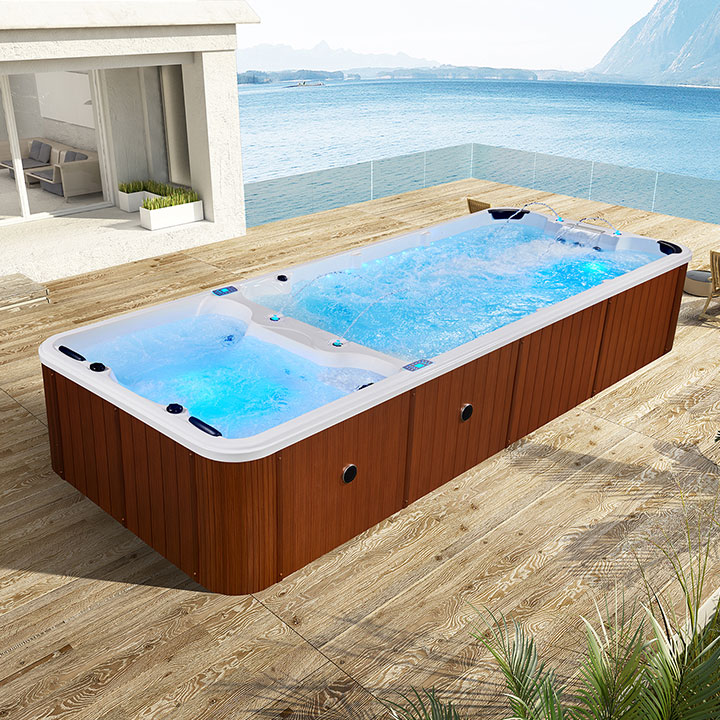
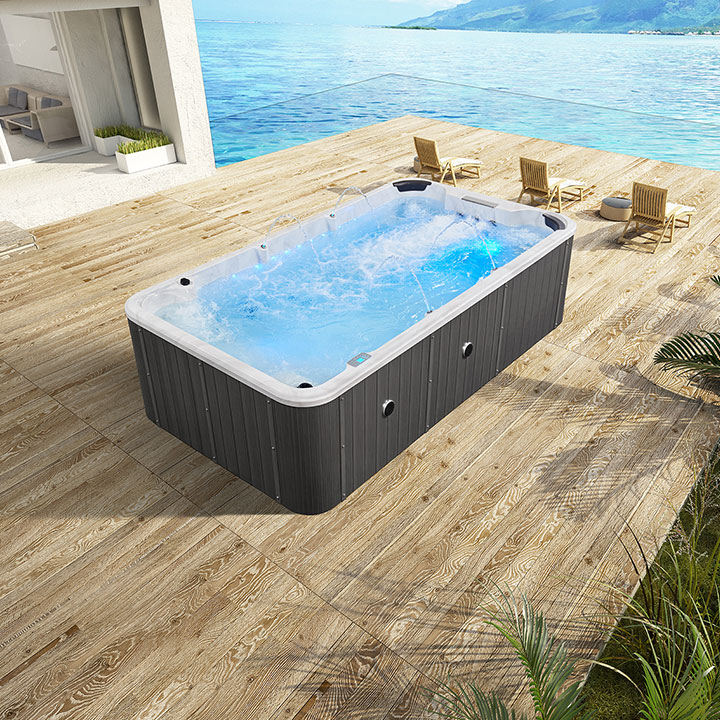
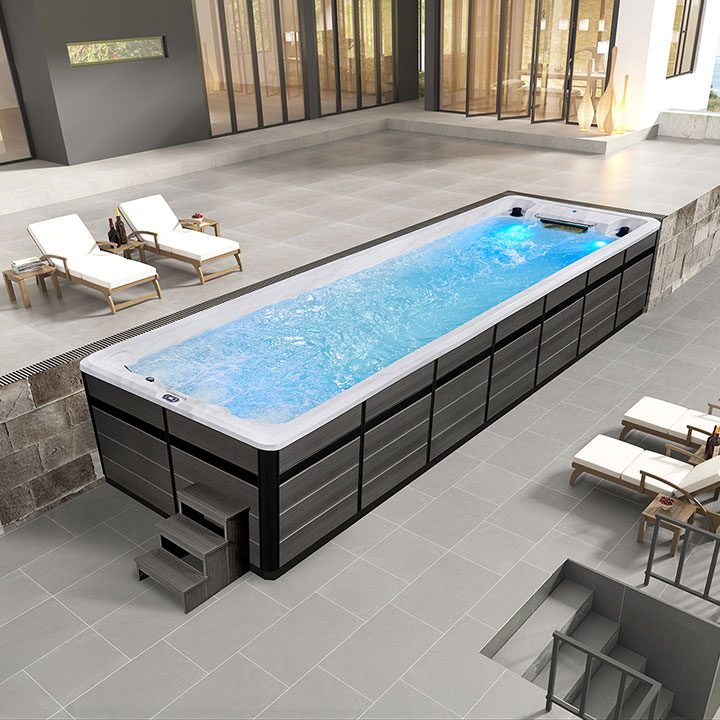
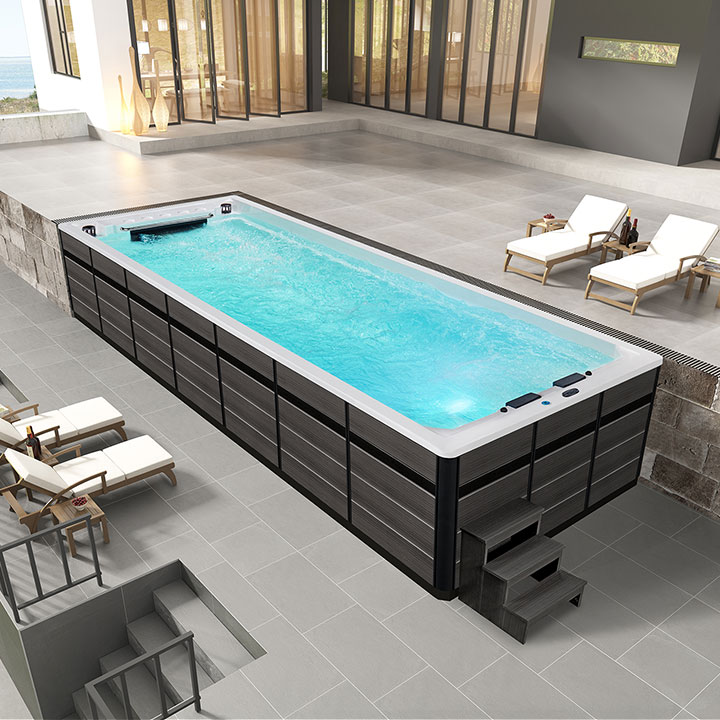
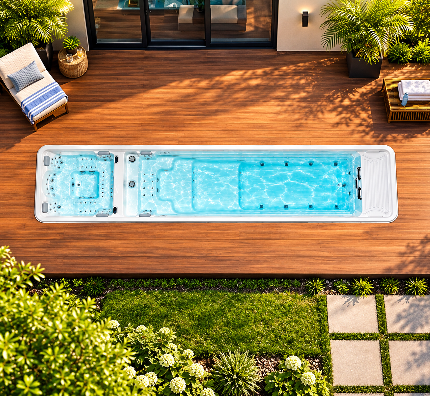
Victoria Star Swim Spa offers the perfect balance between exercise and relaxation, whether you want to swim for fitness or relax in the spacious seating.
Victoria Star Swim Spa offers the perfect balance between exercise and relaxation, whether you want to swim for fitness or relax in the spacious seating.