At Home Cold Plunge: A Practical Guide to Choosing, Setting Up, and Using One
Home / News / At Home Cold Plunge: A Practical Guide to Choosing, Setting Up, and Using One
November 04, 2026
Setting up an at home cold plunge changes how you recover, unwind, and manage daily fatigue. While jumping into icy water once meant hauling bags of melting ice into a basic bathtub, modern dedicated plunge units deliver consistent temperatures at the turn of a dial. Whether you want to soothe sore quadriceps after heavy squats or create a tranquil backyard retreat, establishing an at home cold plunge setup requires balancing practical engineering realities against proven physiological responses.
Taking cold-water immersion into your personal routine demands careful thought before you invest money or space. You need reliable guidance on realistic benefits, equipment differences, floor loads, electrical feeds, and water sanitization. This guide walks you through the verified science, hardware options, step-by-step setup details, and daily safety boundaries so you can make an informed choice for your home.
What At Home Cold Plunge Means
Understanding the distinction between casual cold immersion and a dedicated at home cold plunge installation prevents buyer regret. While the fundamental concept revolves around submerging your body in cold water, how that temperature is reached and sustained creates wildly different ownership experiences.
Cold Plunge, Ice Bath, and Cold-Water Immersion
Cold-water immersion serves as the broad scientific umbrella term describing deliberate full-body submersion in water maintained below normal skin temperature. In common parlance, an ice bath usually refers to a passive basin or stock tank where water temperature depends on pouring in dozens of pounds of bagged ice. Melting ice warms up quickly, creating unstable temperature gradients throughout the water volume.
A dedicated cold plunge tub, by contrast, relies on a mechanical cooling unit or integrated heat pump system to circulate and help maintain a selected water temperature. This active thermal management reduces the tedious cycle of buying, transporting, and dumping commercial ice blocks before every dip.
Why People Consider Cold Plunging at Home
Commercial recovery studios and athletic facilities offer cold baths, but regular visits demand time, transit, and monthly membership dues. Installing a plunge at home provides instant access right after an intense run or a stressful workday, eliminating logistical barriers.
Having an at home cold plunge tub also allows you to control hygiene protocols and adjust water temperatures to your personal threshold. You step into clean, filtered water on your own schedule without waiting in line or sharing space with strangers. Maintenance and sanitization requirements vary by model and should follow the manufacturer’s instructions.
What the Evidence Says About Cold Plunging
Sensational wellness trends often attribute magical powers to cold water immersion, claiming it cures chronic ailments overnight. Grounding your expectations in clinical literature helps separate measurable physiological responses from unwarranted marketing hype.
Potential Short-Term Recovery Effects
Scientific literature demonstrates that cold-water immersion offers measurable short-term relief from delayed onset muscle soreness in some contexts. Athletes frequently report lower subjective feelings of fatigue and stiffness within twenty-four to forty-eight hours post-exercise. These restorative benefits depend heavily on the specific athletic discipline, water temperature, total duration, and how quickly you submerge after finishing your workout.
What Research Does Not Establish
While cold immersion temporarily constricts superficial capillaries, peer-reviewed evidence does not support claims that it permanently detoxifies organs or completely erases systemic inflammation. Such claims overstate simple circulatory reflexes as complex metabolic cures.
Similarly, claims suggesting cold plunges melt subcutaneous body fat or dramatically elevate baseline metabolic rates lack rigorous clinical backing. The temporary caloric expenditure required to warm shivering skin is modest and does not replace regular physical training and balanced nutrition.
When Cold Plunging May Not Fit a Training Goal
Cold immersion is not universally beneficial for every fitness objective. Evidence indicates that submerging in cold water immediately after resistance training can blunt long-term muscle hypertrophy and dampen cellular adaptations needed for maximal muscle growth.
Blunting natural post-exercise inflammatory signaling cascades slows the structural remodeling of damaged muscle fibers. If your primary athletic goal is building maximum skeletal muscle mass, scheduling plunge sessions on rest days or several hours after lifting remains far more appropriate.
Is an At-Home Cold Plunge Right for You?
Investing in a home plunge tub represents a serious commitment to space, maintenance, and regular usage. Clarifying your routine and personal health circumstances ensures your setup becomes a valued ritual rather than an expensive patio ornament.
Clarify Your Main Use
Ask yourself whether you intend to plunge daily for mental focus, three times a week for endurance recovery, or occasionally for weekend relaxation. Daily users benefit substantially from automated chiller systems that maintain ready-to-use water around the clock.
Occasional users who only plunge once a month may struggle to justify the electrical upkeep and maintenance required by a permanent water volume. Aligning equipment selection with genuine frequency prevents underutilization and buyer frustration.
Check Space, Access, and Installation
Cold tubs demand dedicated square footage, clearance for user entry, and unobstructed airflow around mechanical vents. A compact patio might comfortably host the tub shell, but you must also accommodate access steps, service panels, and cover removal.
Delivery logistics frequently get overlooked until a freight carrier arrives at the curb. Measure doorways, narrow side gates, stairwell turns, and garden paths to verify that a fully assembled rigid tub can reach its final resting place.
Consider Medical and Personal Safety
Sudden immersion in cold water triggers a profound, involuntary gasping reflex, sudden hyperventilation, and a sharp spike in peripheral blood pressure known as cold shock. This intense cardiovascular surge stresses arteries and elevates cardiac workload within seconds.
Anyone with pre-existing heart disease, arrhythmias, hypertension, peripheral neuropathy, or circulatory disorders must consult a qualified medical professional before attempting cold immersion. Never plunge alone, especially if you feel lightheaded or unwell.
Choosing a Cold Plunge Setup for Home
Selecting an at-home plunge involves weighing upfront purchase prices against daily convenience, aesthetic integration, and running costs. Evaluating each primary product category reveals distinct trade-offs between manual effort and mechanical automation.
Compare the Main Setup Types
Three dominant configurations exist for residential spaces: makeshift ice tubs, portable inflatable barrels, and purpose-built integrated acrylic plunge tubs. Each format satisfies different spatial and financial parameters.
Feature
Stock Tank or Bathtub
Inflatable Pod / Barrel
Integrated Acrylic Plunge Tub
Temperature Control
Manual ice additions
External plug-in chiller
Built-in heat pump system
Temperature Consistency
Highly variable
Moderate
Model-dependent
Setup Effort Before Dip
High (hauling ice)
Low once running
Instant push-button access
Footprint & Rigidity
Heavy metal/plastic tub
Compact, semi-rigid shell
Rigid architectural cabinet
Thermal Insulation
Minimal or none
Basic inflatable walls
Verify cover and shell specs
Maintenance Routine
Drain after each use
Weekly filter cleaning
Varies by model
Evaluate the Features That Affect Daily Use
When reviewing modern plunge tubs, pay close attention to the structural shell material, mechanical pump ratings, and temperature control mechanisms. Shell material is a factor to compare across models.
Key construction and performance considerations include:
Shell and Cabinet Construction: The C02, according to the manufacturer, features an acrylic shell. Weather-resistant composite exterior cabinets withstand sun exposure and moisture without warping.
Pump Capacity and Power: The manufacturer lists the C02 with a 54 W brushless pump. Actual noise and energy use depend on the system and operating conditions.
Ergonomic Basin Geometry: Integrated interior resting steps make entering, stabilizing your footing, and exiting slick water significantly safer.
Insulated Protective Covers: The C02 specifications list one insulated cover as included. Fitted covers help reduce direct exposure, though their actual performance varies by design and material.
Example: Reading the C02 Product Specifications
Examining technical specification sheets from reputable manufacturers illustrates how hardware components dictate everyday performance. For those seeking dedicated contrast or cold hydrotherapy equipment, we manufacture specialized wellness solutions designed for dependable residential and commercial operation under the Victoria Star brand.
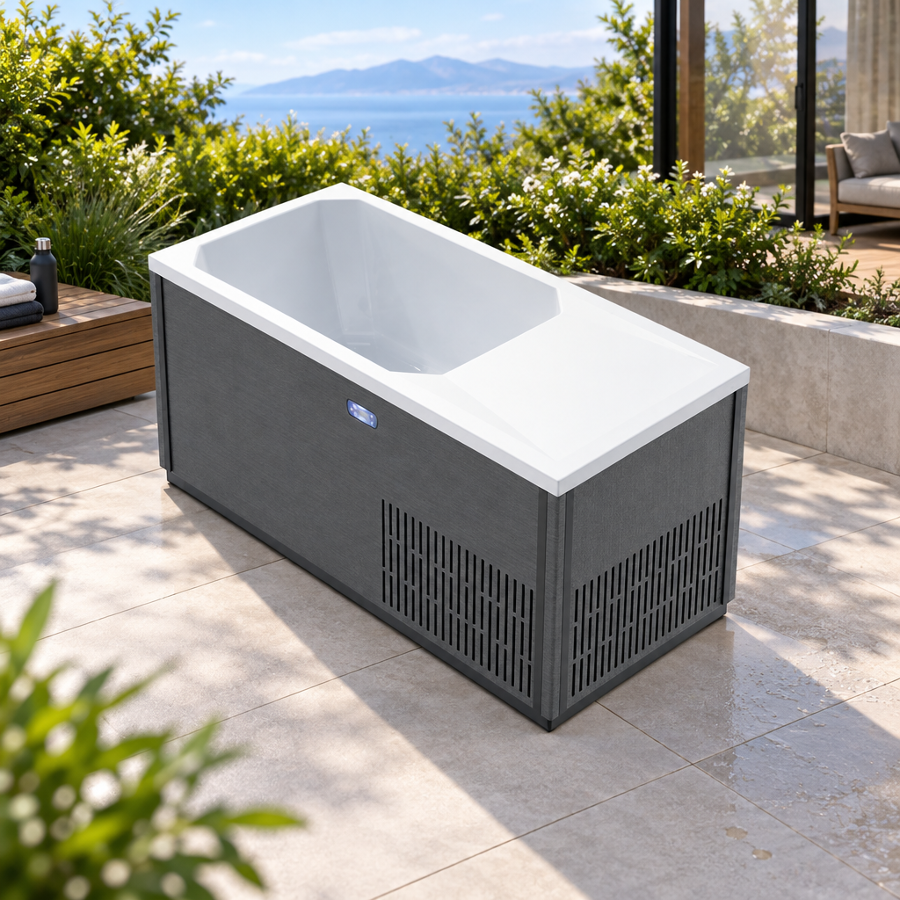
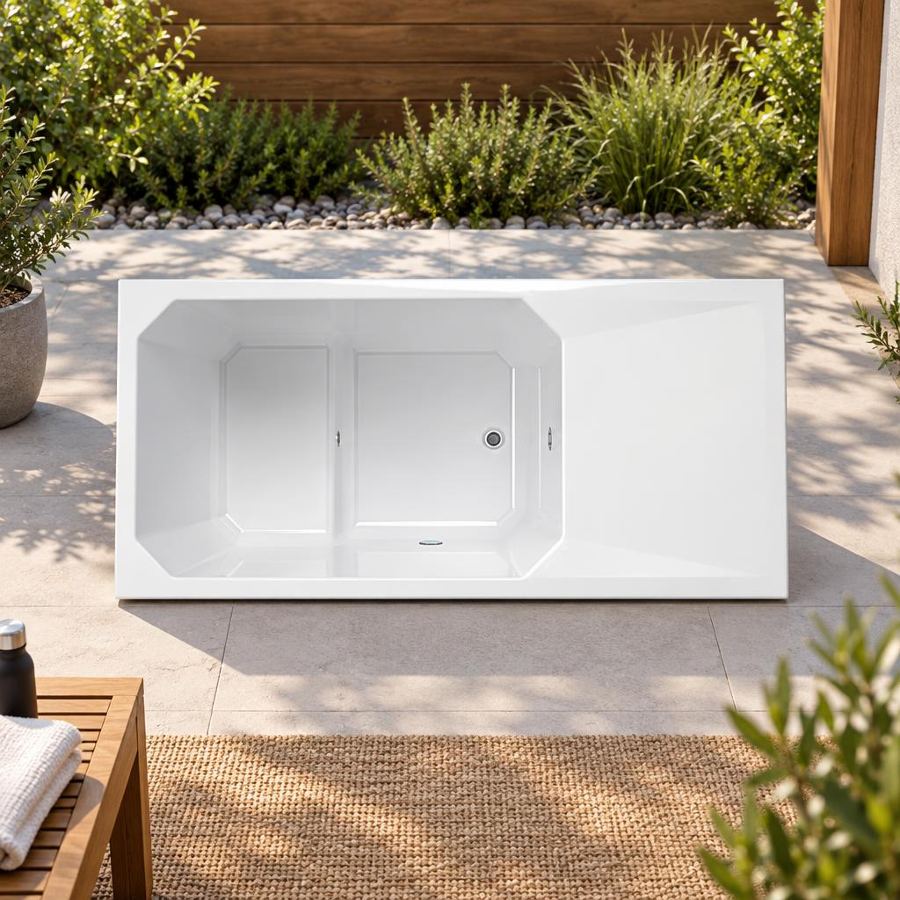
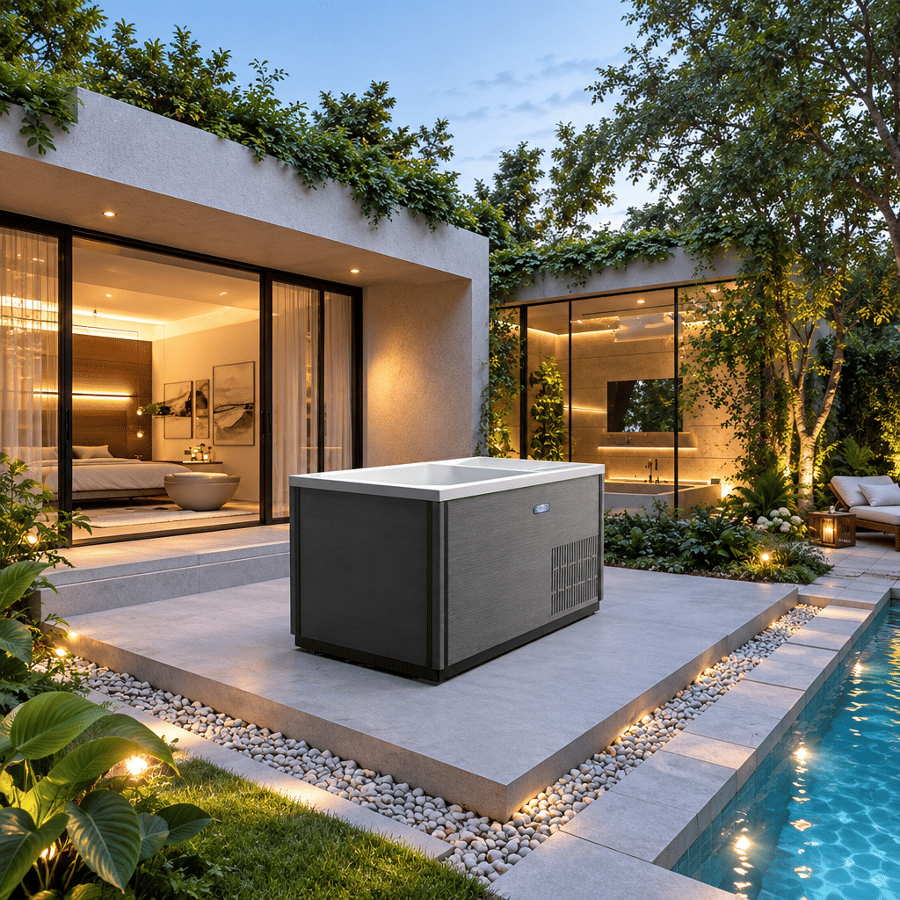
The Outdoor Cold Plunge Tub C02 highlights how engineered components integrate into residential footprints. According to manufacturer specifications, the C02 features a 1695 mm by 830 mm by 850 mm exterior footprint with a 320-liter water capacity.
Engineered with a dry net weight of 140 kg and a gross packaged weight of 180 kg, the tub pairs a white porcelain acrylic shell with a weather-resistant exterior composite cabinet available in Platinum or Midnight finishes. Its integrated thermal system is powered by a 900 W heat pump control module matched to a 54 W brushless water pump, yielding an overall system power supply demand of 0.954 kW.
Reviewing these manufacturer-stated component ratings provides a baseline for understanding the unit’s thermal management hardware. Actual cooldown durations and operating energy use will vary depending on external climate, exposure to sunlight, and regular use of the included insulated cover.
Planning the Installation
Careful site preparation prevents catastrophic structural sagging, electrical shorts, or drainage headaches after your tub arrives. Treating site planning like an architectural installation guarantees smooth operation and personal safety.
Choose a Suitable Location
Deciding between an indoor gym corner, a garage nook, or an open backyard patio influences ventilation and drainage strategies. Outdoor installations require adequate clearance around mechanical louvers so heat pumps can exhaust ambient warmth efficiently.
Direct, relentless midday sun heats exterior tub walls and may require chillers to work harder. Placing your tub beneath a covered pergola, awning, or shaded courtyard can reduce direct sun exposure, though actual energy use depends on climate, installation, and operation.
Check the Full Water Load
Never install a cold plunge tub on an elevated wooden deck or residential upper floor without calculating the total operating weight. For a rough estimate, treat water as about one kilogram per liter, meaning water volume constitutes the vast majority of the static load.
Calculate Base Water Weight: Multiply the basin’s stated water capacity in liters by approximately one kilogram. A 320-liter capacity represents roughly 320 kilograms of water weight when filled.
Add the Shell and Hardware Weight: Incorporate the dry weight of the tub structure, such as the 140-kilogram net weight of the C02 model.
Add Bather Displacement Weight: Factor in the body weight of an adult occupant, typically estimated between 80 and 100 kilograms.
Sum for a Rough Minimum Estimate: Adding these values provides a rough minimum estimate based on a full basin, but this arithmetic does not account for additional equipment or verify that your support structure can safely bear the load. Always have a qualified structural engineer or contractor perform a site-specific assessment before installation.
Plan Power, Drainage, and Access
Integrated plunge systems require clean electrical connections equipped with ground-fault circuit interrupter protection to safeguard users against electrical faults around standing water. Follow the unit’s nameplate ratings and installation manual, and have a qualified electrician confirm the supply requirements, circuit specifications, and required GFCI protection under local electrical code.
Plan where discarded water will flow during routine flushes. Directing three hundred liters of water onto an unpaved slope can cause soil erosion, while releasing treated water near delicate landscape flora may harm roots. Locate a nearby patio trench drain, municipal sewer cleanout, or garden hose siphon path before filling the basin.
How to Start an At-Home Cold Plunge
Stepping into near-freezing water for the first time requires mental calmness and methodical execution. Rushing the process increases the likelihood of panic, hyperventilation, or slips on wet decking. Never plunge alone; have someone nearby who can assist if you experience difficulty.
Prepare the Tub and Water
Before powering on your chiller, fill the basin with fresh tap water until water levels clear the upper intake vents and suction ports. Running circulation pumps dry risks damaging internal impellers and overheating mechanical seals.
Turn on the circulation pump, inspect pipe unions for leaks, and program the digital interface to a conservative initial setpoint. Allow the heat pump system ample time to bring the full water volume to temperature before attempting your inaugural dip.
Build a Conservative Routine
Beginners often attempt near-freezing temperatures immediately, which is counterproductive and unsafe. Starting at a milder, approachable temperature range allows your nervous system to adapt. Consider beginning around 55°F to 60°F (12°C to 15°C) as a cautious example, but consult with a healthcare provider to determine an appropriate range for your individual circumstances.
Enter Gradually: Step onto the internal entry step and lower your hips smoothly into the water, keeping your head and face out of the water initially. Take calm, controlled breaths as a comfort measure.
Monitor Your Response: Cold shock can cause involuntary gasping and hyperventilation. If your breathing feels uncontrolled or you experience discomfort, exit immediately.
Cap Your Immersion Time: Consider limiting initial sessions to one or two minutes, exiting promptly if you feel unwell rather than testing endurance thresholds.
Have Assistance Available: Another person nearby can help if you experience difficulty or need support exiting the tub.
Exit and Rewarm Sensibly
When your designated time expires, stand up deliberately while bracing against the tub rim. Rapid postural shifts can induce lightheadedness, making slow movements essential for balance.
Dry off immediately with a heavy towel and put on warm, dry layers, including wool socks and a fleece pullover. Allow your body to rewarm naturally through light movement. If you experience faintness, confusion, or other concerning symptoms, seek help immediately.
Water Care and Routine Maintenance
Cooler water may slow some forms of algae growth, but it does not replace filtration, sanitation, or the manufacturer’s water-care instructions. Neglecting sanitization turns chilled water into a repository for skin cells, natural oils, and bacteria.
Follow the Manufacturer Water-Care Instructions
Always consult the manufacturer’s manual regarding approved sanitizing agents and water-care procedures before dosing the tub. Strong chlorine concentrations suitable for swimming pools can degrade high-gloss acrylic finishes and prematurely corrode heat pump heat exchangers. Use only the manufacturer-approved sanitation method and maintain water chemistry within the specified limits for your model.
Keep a Simple Maintenance Checklist
Establishing a maintenance routine protects mechanical components and ensures pristine water quality whenever you open the cover. The specific maintenance steps and frequency depend on your tub’s documented equipment and the manufacturer’s schedule.
Skim Surface Debris: Use a fine-mesh hand skimmer to lift surface dust, leaves, or stray hair as needed.
Check and Clean Filters: If your model includes a filtration system, remove and rinse the filter element regularly according to the manufacturer’s schedule.
Wipe the Waterline: Use a soft microfiber cloth dampened with mild, non-abrasive cleaner to wipe away accumulated body oils along the acrylic rim as needed.
Inspect Drains and Ports: Ensure drain covers and circulation ports remain unobstructed by lint or debris to protect the pump motor from unnecessary strain.
Refer to the C02 manual for the manufacturer’s actual cleaning and water-care schedule.
Prepare for Seasonal or Long-Term Shutdown
If you live in a geographic region prone to harsh sub-freezing winters and keep your plunge outdoors without continuous freeze-protection cycles, winterization becomes essential. Trapped water expanding inside rigid plumbing can crack expensive components.
Follow the manufacturer’s model-specific shutdown and winterization instructions carefully. Typical steps include shutting down electrical breakers, draining the basin completely, and removing residual moisture from internal plumbing. Store the dry tub under a durable, weather-resistant fabric cover until spring arrives.
Common At-Home Cold Plunge Mistakes
New plunge owners frequently encounter preventable hurdles by following extreme social media trends rather than sound physiology and equipment practices. Avoiding these common traps keeps your daily routine safe and enjoyable.
Treating Colder or Longer as Automatically Better
Pushing water temperatures down to near-freezing levels and staying submerged until your teeth chatter violently provides no added physiological benefit. Intense shivering indicates deep core temperature drops that increase risks of hypothermia and prolonged physical lethargy.
Some research finds reduced perceived muscle soreness after cold-water immersion, but results vary widely across individuals and study protocols. Cold therapy relies on mild, repeatable hormetic stimulation, not extreme endurance tests. No single temperature-and-duration prescription is established as universally optimal.
Buying Before Checking the Site
Ordering a pre-assembled, rigid acrylic tub without measuring delivery corridors is a frequent logistical blunder. Standard interior hallways, tight fence gates, and low patio overhangs can block access for a unit measuring nearly 1.7 meters in length.
Measure every gate width, turning radius, and step riser along your property’s entry path before placing an order. Having a clear pathway prevents unexpected crane rental expenses on delivery day.
Assuming Every Tub Has the Same Filtration or Cooling
Shoppers often conflate cheap uninsulated plastic barrels with fully integrated acrylic plunge spas. A bare plastic barrel lacks thermal insulation and active chilling, meaning it warms up quickly during hot summer afternoons.
Integrated setups, such as the C02 model, incorporate dedicated heat pump loops, internal steps, and insulated covers that help maintain low water temperatures. Ensure your chosen hardware aligns with your climate and patience for manual maintenance.
Treating Product Claims as Clinical Evidence
Marketing copy for wellness equipment often exaggerates speculative recovery mechanisms as medical breakthroughs. Distinguishing between genuine equipment durability and broad wellness marketing keeps your expectations balanced.
A quality plunge tub provides reliable, convenient, and safe cold water; how your body responds depends on your individual physiology, training load, and recovery practices.
Frequently Asked Questions
What Is the Difference Between a Cold Plunge and an Ice Bath?
An ice bath typically relies on a passive tub filled with tap water and manual additions of commercial ice bags, resulting in fluctuating temperatures. A cold plunge tub features a mechanical cooling unit or heat pump that continuously circulates and helps maintain selected water temperatures without manual ice hauling.
Can I Use a Regular Bathtub for a Cold Plunge?
Yes, filling a residential bathtub with cold tap water and ice bags works for occasional cold immersion. However, standard bathtubs lack active temperature regulation, require dozens of pounds of ice per session, and rarely allow complete, relaxed full-body submersion without spilling water onto bathroom flooring.
Do I Need a Chiller for an At-Home Cold Plunge?
A mechanical chiller or integrated heat pump system is essential if you live in warm climates or plan to plunge multiple times per week. Without active chilling, standing water quickly warms to room temperature, requiring constant manual ice purchasing that proves expensive and time-consuming over time.
How Much Space Does a Home Cold Plunge Need?
The tub’s footprint is only a starting point. Installation space must account for the unit’s dimensions, ventilation clearance for heat pump louvers, room to remove the insulated thermal cover, and stable footing for safe entry and exit. The required service clearances, ventilation space, and cover-removal area vary by model. Confirm these requirements with the manufacturer before planning your installation site.
Is Cold-Water Immersion Proven to Improve Recovery?
Peer-reviewed research demonstrates that cold-water immersion can reduce subjective muscle soreness and perceived fatigue following strenuous exercise in some individuals. However, scientific evidence does not prove that it accelerates long-term muscle hypertrophy or cures chronic inflammatory diseases, and post-lift cold exposure can actually blunt muscle growth adaptations.
Who Should Seek Medical Advice Before Trying a Cold Plunge?
Individuals diagnosed with cardiovascular disease, high blood pressure, peripheral artery disease, Raynaud’s phenomenon, or those who are pregnant must consult a physician prior to cold plunging. The rapid cold shock response sharply elevates cardiac workload, which can trigger adverse cardiovascular events in susceptible individuals.
What Should I Verify Before Buying a Cold Plunge Tub?
Prior to buying, verify the unit’s full operational weight against your floor’s structural capacity through a professional assessment, and confirm whether you have access to appropriate electrical supply with ground-fault protection under local code. Additionally, examine the cabinet’s weather resistance, check the shell’s ergonomics, confirm local service support, and ensure you have an unobstructed path from the delivery truck to your installation pad.
Conclusion
Creating a dedicated recovery space with an at home cold plunge provides an efficient, refreshing bridge between demanding physical training and calm mental focus. By prioritizing solid hardware design, verifying ground structural loads, respecting essential electrical clearances, and following sensible water sanitization practices, you transform a challenging installation into an enduring personal sanctuary. Approach each session conservatively, never plunge alone, listen attentively to your body’s cardiovascular cues, and enjoy the lasting benefits of a well-executed home cold immersion routine.
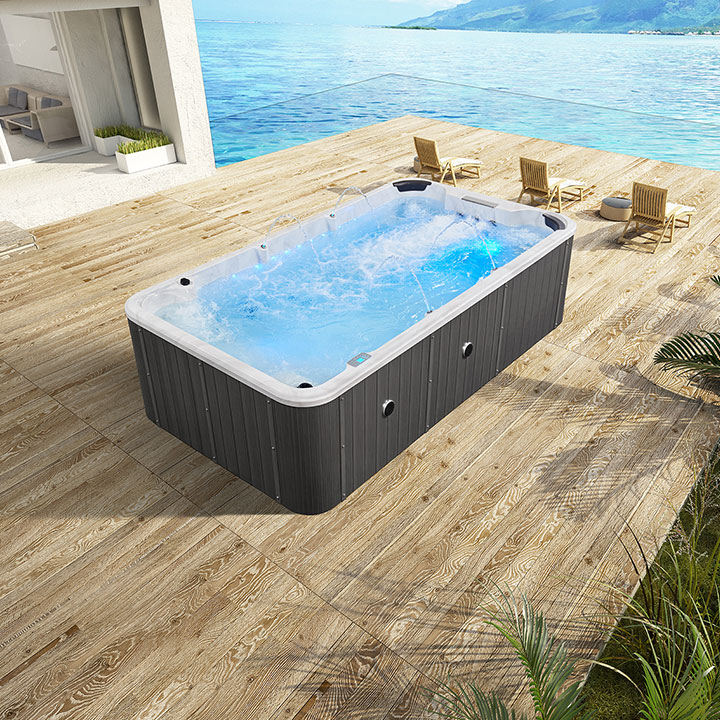
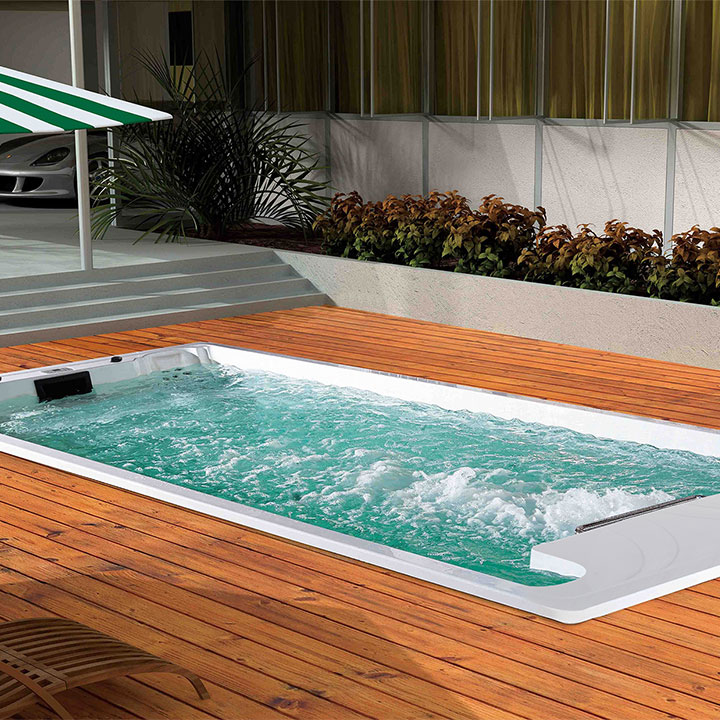
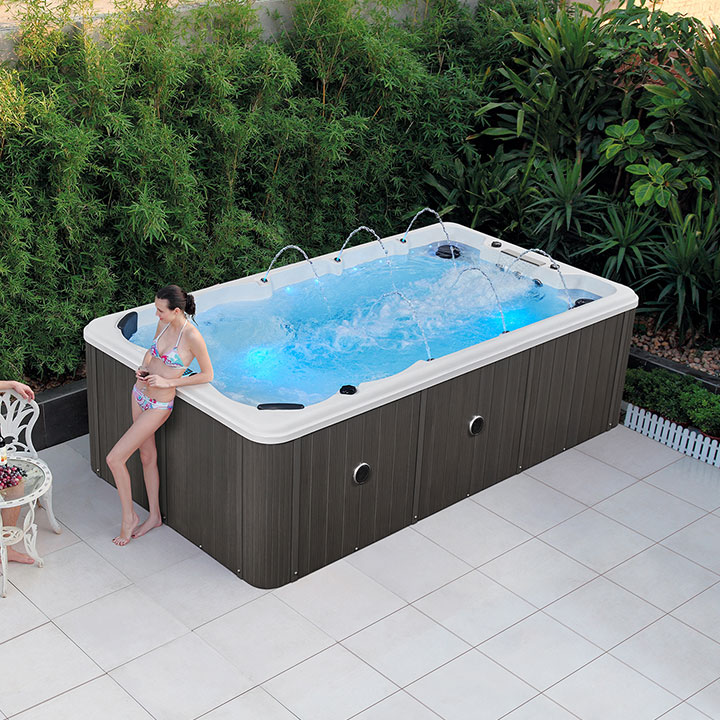
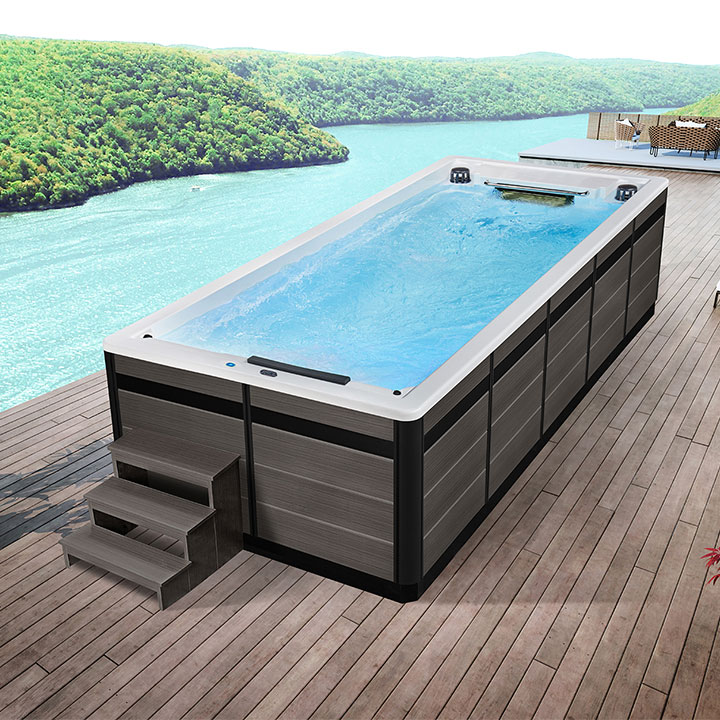
Victoria Star Swim Spa offers the perfect balance between exercise and relaxation, whether you want to swim for fitness or relax in the spacious seating.
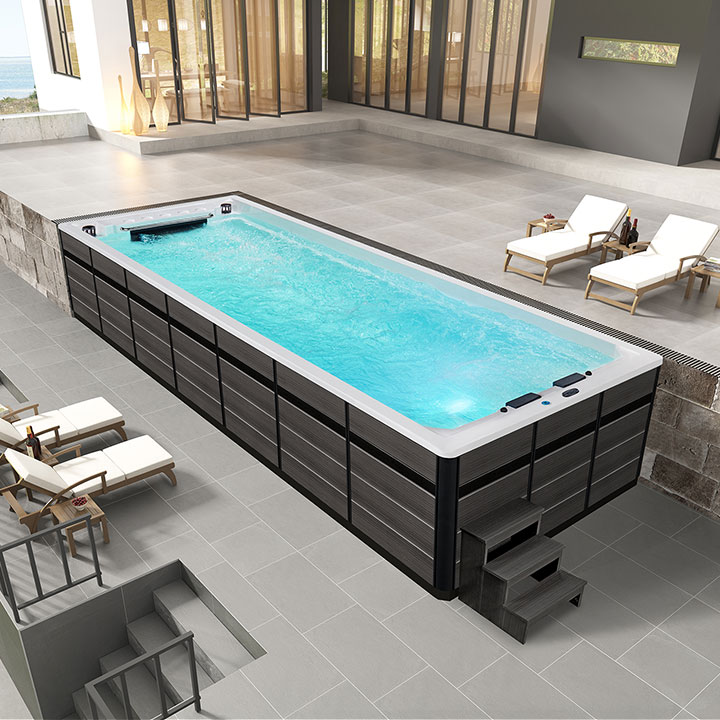
Victoria Star Swim Spa offers the perfect balance between exercise and relaxation, whether you want to swim for fitness or relax in the spacious seating.