Are Ice Baths Good for You? Benefits, Risks, and What the Science Actually Shows
Home / News / Are Ice Baths Good for You? Benefits, Risks, and What the Science Actually Shows
November 04, 2026
Stepping into chilled water can feel like an electric shock to the senses. As athletes and wellness enthusiasts plunge into frigid tubs across the globe, everyday fitness enthusiasts often pause to wonder: are ice baths good for you, or is the practice simply an uncomfortable endurance test? The biological reaction to freezing temperatures is sharp, immediate, and demanding on the human vascular system.
Separating social media enthusiasm from physiological reality requires looking directly at clinical research. While cold immersion offers some relief for exhausted limbs and may help manage the edge of physical fatigue, it is not an all-purpose cure. Understanding how cold exposure influences your body helps you decide whether an ice bath aligns with your individual athletic targets or recovery routines.
The Short Answer: Are Ice Baths Good for You?
The Answer Depends on Your Specific Physical Goals
Cold water immersion serves distinct purposes depending on what you want your body to achieve during a training cycle. If you are preparing for a soccer tournament with matches on consecutive afternoons, managing inflammation and perceived pain quickly becomes your top priority. Under those specific conditions, submerging yourself in cold water may help.
Conversely, if your primary pursuit is packing on lean skeletal muscle in the gym, frequent immersion can work against your goals. The acute inflammatory response after resistance lifting is part of the natural adaptation process that allows muscle fibers to repair and grow. Evidence suggests that repeated cold water immersion soon after resistance training may modestly reduce muscle hypertrophy gains. If your objective is muscular growth, delaying immersion until several hours after lifting may better preserve your adaptations.
An Optional Recovery Modality, Not a Biological Necessity
Many newcomers treat cold exposure as an essential requirement for foundational health, yet the human body manages homeostasis remarkably well without it. Quality sleep, adequate daily protein intake, proper hydration, and sensible training volume remain the four pillars of physical recovery. An ice bath cannot compensate for five hours of restless sleep or an unbalanced diet.
Think of cold plunging as a specialized lever in an athletic toolbox rather than the foundation of the house. It provides symptomatic relief, alters nervous system tone, and produces an acute neurochemical response. Deciding whether are ice baths good for you starts with acknowledging that this tool is strictly optional, designed to supplement healthy lifestyle habits rather than replace them.
What Counts as an Ice Bath? Terminology and Common Protocols
Defining Cold Water Immersion and Cold Plunges
In sports science literature, researchers generally classify this therapy as cold water immersion, often abbreviated as CWI. Research protocols vary, with some studies using water temperatures between 10°C and 15°C (50°F to 59°F) and immersion intervals ranging from several minutes to fifteen minutes or longer, depending on individual tolerance and experimental design.
A cold shower does not deliver the same kind of exposure as a full submersion plunge. Immersion exposes a much larger body surface area to cold, which affects the physiological response differently than a shower. That difference in exposure area helps explain why researchers often study immersion and cold showers as distinct interventions.
Why Research Findings Vary Across Studies
Scientific papers on cold immersion sometimes present conflicting outcomes, which frequently confuses readers trying to make practical decisions. Much of this discrepancy stems from widely varying experimental parameters between clinical laboratories. One study might submerge collegiate rugby players in 8°C water for ten minutes, while another tests untrained runners in 15°C water for five minutes.
Furthermore, researchers measure different endpoints, ranging from subjective ratings of perceived exertion to circulating serum creatine kinase levels. Because cold tolerance varies by body composition, surface-area-to-mass ratio, and prior cold acclimatization, universal outcomes remain rare. Recognizing these protocol differences helps prevent overgeneralizing a single trial’s dramatic conclusions.
Potential Benefits of Ice Baths: What the Evidence Supports
Alleviating Delayed-Onset Muscle Soreness
Some studies indicate that cold water immersion may reduce perceived delayed-onset muscle soreness, commonly known as DOMS, within 24 to 48 hours post-exercise in certain contexts. When muscle fibers experience intense eccentric loading, sensory nerve endings can become hypersensitive, contributing to soreness sensations. Cold exposure lowers local tissue temperature, which can reduce nerve conduction velocity and may provide a numbing sensation.
Athletes stepping out of cold water frequently report an immediate sensation of lightness and diminished stiffness. This perceived relief explains why some tournament athletes use the practice between closely spaced competitions, though the magnitude and consistency of these benefits remain variable across studies and contexts.
Short-Term Recovery in Dense Training Schedules
When competitive demands require you to perform at high output across several days, acute recovery becomes a practical priority. Consider stage cyclists or multi-event track athletes who must return to competition within eighteen hours. In those tight windows, any strategy that reduces perceived soreness may offer value.
Under such demanding schedules, the biological priority shifts from building new muscle fibers to functional survival. Cold water immersion is one possible option that some athletes explore for short-term perceived recovery between closely spaced events, though the magnitude of benefit varies individually.
Mental Resilience and Neuroendocrine Responses
Plunging into chilly water prompts a physiological response involving the sympathetic nervous system and adrenal activation. Many practitioners report an invigorating feeling and heightened alertness after immersion. For some individuals, navigating the initial shock reinforces subjective psychological resilience and emotional composure.
While practitioners frequently describe a post-plunge mood lift, this response is usually short-term. The acute mental clarity and alertness you feel upon stepping out should be appreciated as a temporary state change rather than a reliable medical intervention for sustained mood or stress management.
Potential Downsides: When Ice Baths May Not Be a Good Fit
Blunted Muscular Hypertrophy in Strength Training
For weightlifters aiming to maximize muscle size, regular post-workout cold plunges present a potential physiological concern. Evidence suggests that repeated immediate cold immersion after resistance training may modestly reduce muscle hypertrophy gains compared to passive recovery. The localized cold may affect certain adaptive responses in muscle tissue.
Over weeks of structured training, athletes who consistently plunge immediately after lifting sometimes develop less muscle growth compared to those who recover passively or wait longer after training. If your primary objective is muscular hypertrophy, delaying cold immersion until several hours after resistance training may be a cautious approach to explore.
Training Objective
Immediate Cold Immersion Consideration
General Guidance
Muscle Hypertrophy (Size)
May reduce hypertrophy gains if done immediately post-lifting
Consider delaying immersion several hours after resistance training
Maximal Strength
Effects on strength adaptations depend on protocol and individual factors
Consult with a coach or clinician about timing and individual response
Tournament / Multi-Match Recovery
May reduce perceived soreness between bouts
Possible short-term recovery option between competitions
Endurance & Aerobic Conditioning
Limited evidence of impairment to endurance adaptations
Current evidence does not indicate consistent interference
The Cold Shock Response and Cardiovascular Stress
Plunging into cold water is not an entirely benign activity, particularly for people unfamiliar with extreme temperature shifts. The initial skin contact stimulates thermal receptors, provoking responses that include gasping, rapid breathing, and an acute rise in heart rate and blood pressure.
As peripheral blood vessels constrict to protect core organs, the cardiovascular system experiences acute demand. For individuals with underlying heart disease, uncontrolled high blood pressure, or other cardiovascular vulnerabilities, this abrupt physiological stress warrants medical evaluation before attempting cold immersion. The risk depends on the individual’s health status and the intensity of the exposure.
Risks of Hypothermia and Extremity Numbness
Lingering in cold water past safe thresholds yields diminishing returns and introduces real hypothermia dangers. As your core temperature drifts downward, peripheral nerves in the hands and feet lose sensory conduction, impairing fine motor control and making it difficult to exit the basin safely. Shivering represents the body’s emergency mechanism to generate warmth through muscular contractions.
Ignoring shivering and staying submerged purely out of willpower can lead to confusion, coordinate failure, and delayed thermal recovery known as afterdrop. Afterdrop occurs when the body continues to cool after exiting cold water due to continued heat transfer within the body. Internal body temperatures can decline further before stabilizing, posing a serious health risk.
How to Decide Whether an Ice Bath Makes Sense for You
Matching Your Primary Objective to the Recovery Modality
Determining whether cold immersion deserves space in your weekly schedule requires evaluating your athletic priorities against physiological trade-offs. Rather than jumping into cold routines because of prevailing fitness trends, apply systematic criteria to evaluate whether the therapy serves your current training block.
Identify your core training phase: prioritize acute recovery strategies for multi-day sports tournaments, but avoid immediate immersion during hypertrophy-focused lifting blocks.
Assess individual cardiovascular baseline: verify normal blood pressure and absence of vascular conditions before exposing your circulatory system to intense cold.
Determine practical sustainability: establish whether you have access to a clean, temperature-controlled environment rather than relying on inconsistent ice-bag setups.
Weigh subjective rewards against objective goals: verify that post-plunge invigoration does not interfere with needed muscle adaptation or create persistent systemic fatigue.
Evaluating Subjective Sensation Versus Long-Term Adaptation
Subjective feedback can sometimes deceive athletes. Feeling refreshed, numb, and clear-headed immediately after an ice bath does not mean muscle fibers repaired themselves faster at the cellular level. Analgesia simply masks residual tissue micro-trauma, which may tempt individuals to train too heavy before underlying tendons and contractile proteins complete biological remodeling.
Balance your immediate feelings with an understanding of systemic adaptation. If your objective is pure endurance conditioning, current evidence does not show that regular immersion consistently impairs endurance adaptations. Weighing the immediate psychological reward against long-term training adaptations ensures that cold exposure advances your performance rather than quietly stalling your progress.
Practical Safety Guidelines and Protocols
Establishing Conservative Baseline Parameters
Approaching cold water requires gradual acclimatization rather than extreme initial exposures. Novices frequently make the mistake of attempting very cold temperatures for long durations, triggering overwhelming panic instead of calm physiological adaptation. Starting with modest parameters allows your nervous system to adjust safely.
Water Temperature Window: Example starting temperatures in research protocols range around 12°C to 15°C (53°F to 59°F), with some gradually approaching 10°C (50°F) after repeated exposures.
Session Duration: Example ranges in published protocols start around two to three minutes, gradually building toward five to ten minutes in later sessions.
Breathing Pattern: Emphasize slow, nasal inhalations and extended diaphragmatic exhalations before immersion to consciously counteract involuntary hyperventilation.
Post-Plunge Rewarming: Strip away damp clothing immediately, dry off with a towel, and rewarm gradually through layered clothing and gentle ambient movement rather than scorching showers.
Critical Safety Rules and Warning Signals
Certain non-negotiable ground rules protect cold plunge practitioners from preventable accidents. Never practice hyperventilation breathwork while inside or adjacent to a body of water, as shallow-water blackout presents a real drowning risk. Enter the water deliberately, keeping your head and airway elevated well above the surface.
Pay close attention to sensory warning signs from your nervous system. If you notice uncontrolled violent shivering, slurred vocal speech, unexpected dizziness, or severe numbness in your extremities, terminate the session immediately. Pushing through these physical warning markers yields zero physiological advantage and sharply increases health risks.
When Medical Clearance Is Mandatory
While cold exposure suits many healthy adults, specific medical conditions make rapid immersion risky. Individuals diagnosed with coronary artery disease, history of stroke, peripheral neuropathy, or Raynaud’s phenomenon should consult a physician before cold immersion. Cold-water exposure can stress the cardiovascular system, and people with relevant medical conditions need individualized medical advice.
Pregnant individuals should also consult an obstetric clinician before cold immersion, particularly avoiding prolonged or intense exposure. Responsible wellness practices always prioritize long-term biological safety over short-term trend participation. Consulting a trusted healthcare professional clarifies personal risk factors before setting foot into cold water.
Choosing a Dedicated Cold-Plunge Setup: Evaluation and Hardware Considerations
Core Engineering and Functional Criteria
Setting up an effective cold immersion protocol requires reliable temperature management. While filling a household bathtub with commercial ice bags works occasionally, maintaining steady water temperatures across consecutive days becomes labor-intensive and unpredictable. Dedicated plunge systems address this challenge through integrated cooling systems and structured thermal insulation.
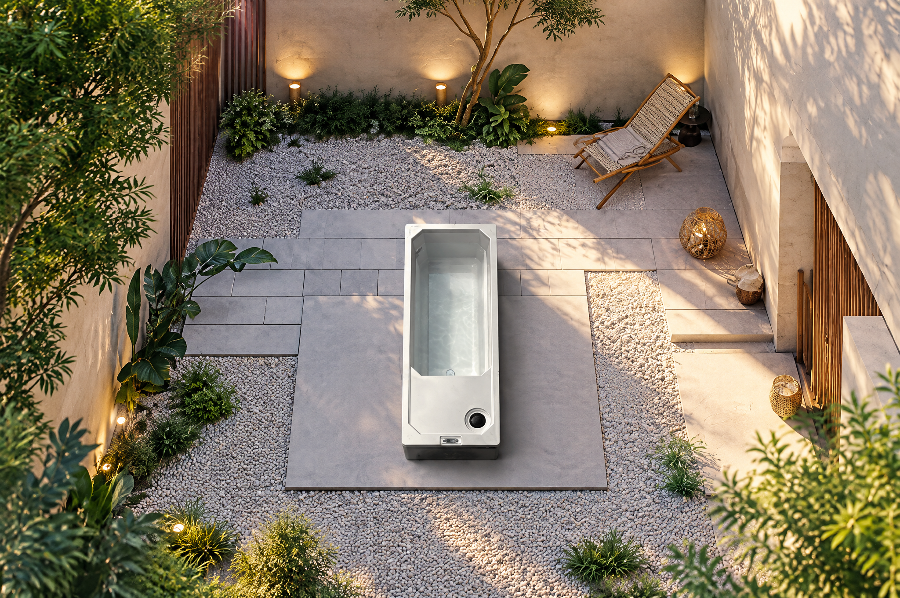
When evaluating a purpose-built cold plunge, examine basin volume, shell durability, and thermal management capabilities. Systems engineered for both outdoor decks and private training facilities must withstand environmental elements while managing power consumption responsibly. Purpose-built hardware transforms cold therapy from a chaotic chore into a predictable, daily recovery ritual.
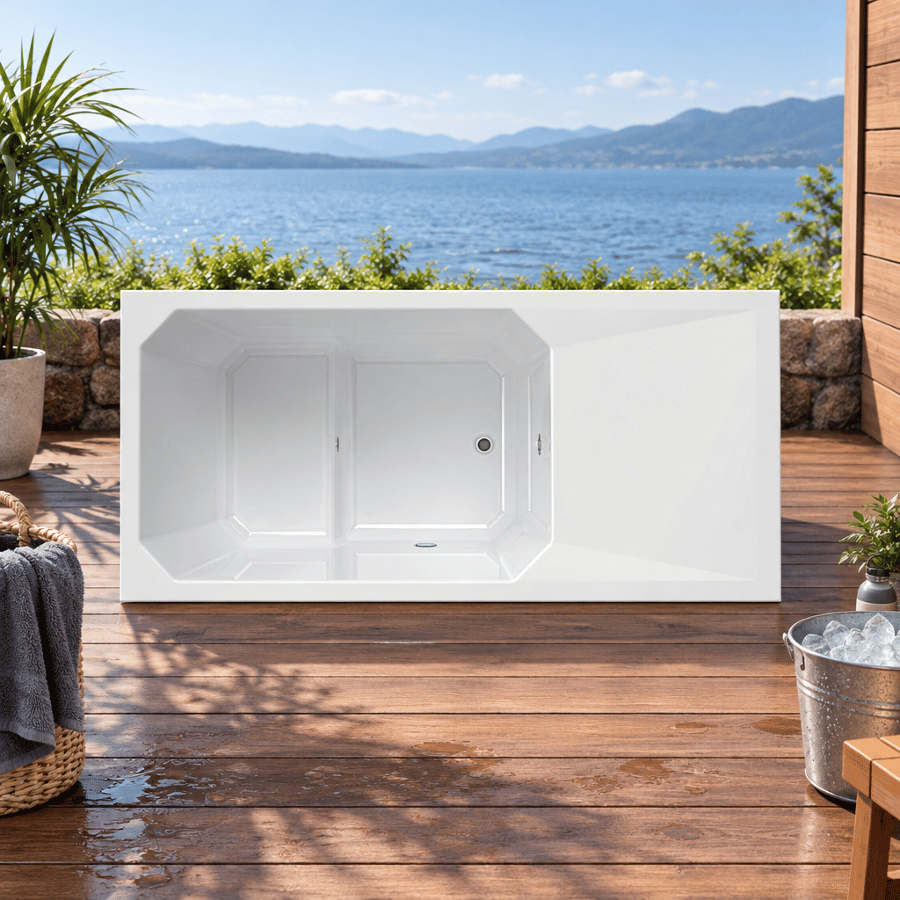
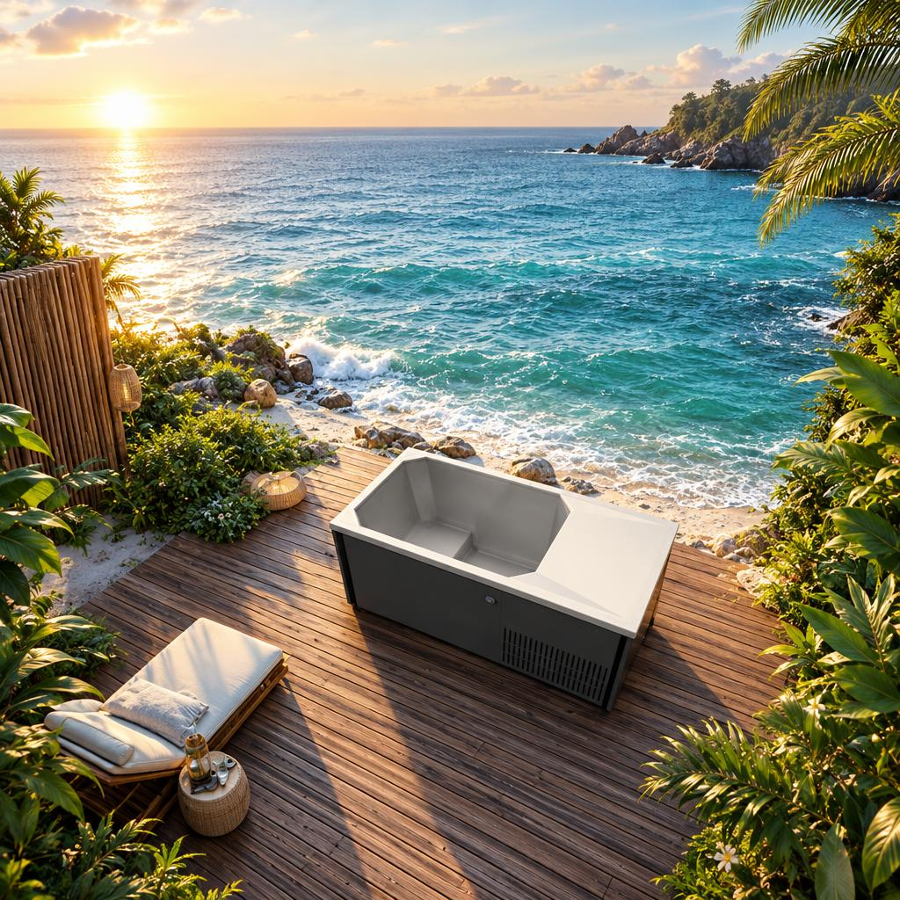
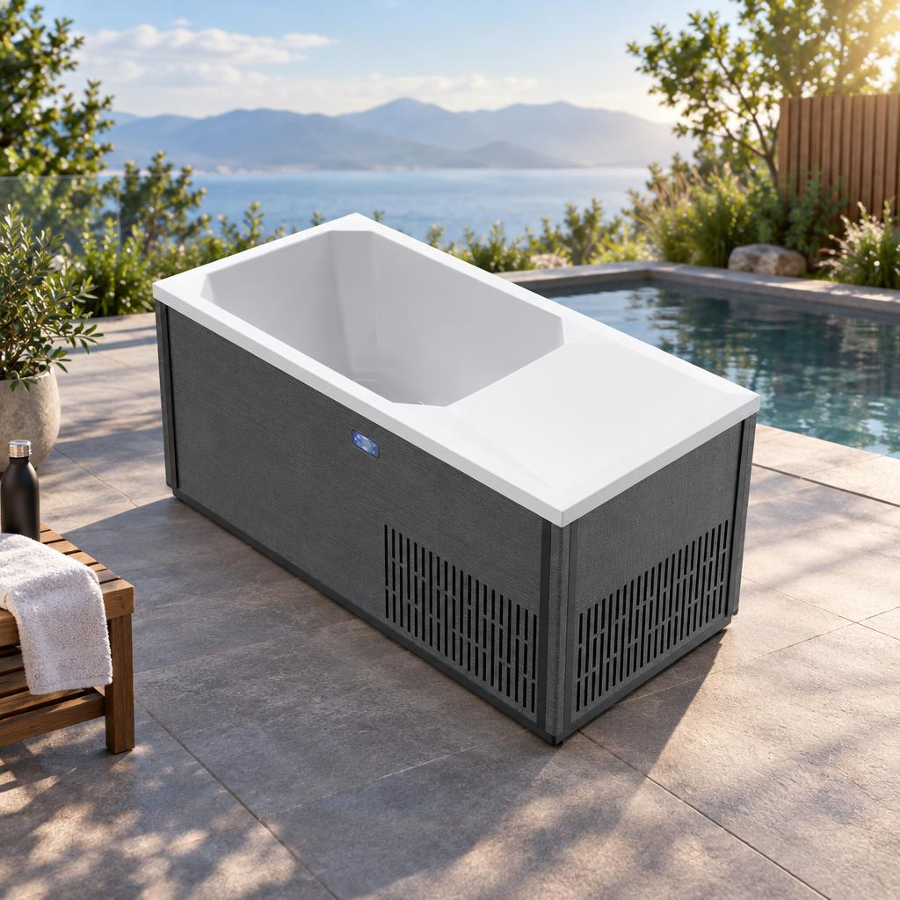
Hardware Spotlight: Specifications of the Outdoor Cold Plunge Tub C02
For facilities and residential homeowners seeking reliable cold immersion capability, specific purpose-built equipment provides a practical advantage. Our manufacturing background in luxury hot tubs and swim spas informs the production of specialized hydrotherapy hardware, including the Outdoor Cold Plunge Tub C02. The unit is designed to provide low-temperature water immersion without relying on manual ice refills.
According to manufacturer technical specifications, the C02 model features a 320-liter basin capacity housed within an acrylic shell finished in high-gloss white porcelain. The tub measures 1695 mm × 830 mm × 850 mm, offering ample interior volume alongside an integrated seating step for supported immersion. The exterior cabinet incorporates vented composite panels available in Platinum or Midnight finishes, engineered for residential patios, athletic training facilities, and commercial day spas.
Thermal management is powered by an integrated 900W heat pump control system paired with a 54W brushless circulation pump, with a combined power rating of 0.954 kW. This system provides water circulation and temperature management. With a net structural weight of 140 kg (180 kg gross) and an included insulated thermal cover to minimize ambient heat transfer, the tub offers a hardware platform for cold water immersion.
Frequently Asked Questions (FAQs)
Are ice baths actually good for overall health?
Cold water immersion provides some documented benefits for acute pain reduction and temporary relief from muscle soreness, along with short-term feelings of alertness and invigoration. Beyond these short-term effects, scientific evidence remains limited regarding broader claims of immune system enhancement or deep metabolic shifts. Ice baths represent a functional athletic tool for specific recovery contexts rather than an all-in-one medical treatment.
Do ice baths stop muscle building after lifting?
Regular cold immersion immediately after resistance training may modestly reduce muscle hypertrophy gains over time. Cold exposure may affect certain adaptive responses in muscle tissue. To safeguard muscle growth, waiting several hours after strength workouts before immersing yourself in cold water is a cautious approach to consider.
What is the ideal temperature and duration for an ice bath?
Research protocols vary considerably in their use of temperature and exposure duration. Some studies utilize water temperatures around 10°C to 15°C (50°F to 59°F) with immersion durations ranging from several minutes to ten minutes or longer. The appropriate parameters depend on individual factors, training context, and tolerance. People new to cold immersion should start conservatively and build gradually, stopping immediately if adverse symptoms develop.
Can an ice bath trigger a heart attack?
Cold immersion can acutely stress the cardiovascular system, raising heart rate and blood pressure quickly. For healthy individuals, this response is generally manageable under controlled conditions. However, for individuals with underlying heart disease or uncontrolled high blood pressure, that acute cardiovascular demand presents genuine risk. Those with pre-existing cardiovascular conditions must secure medical approval and guidance before attempting cold immersion.
Is an engineered cold plunge tub necessary compared to a regular bathtub with ice?
While a standard household bathtub filled with grocery store ice bags functions for sporadic use, it suffers from inconsistent water temperatures and lack of circulation. Dedicated cold plunge tubs feature integrated cooling systems, water circulation, and insulation that maintain more stable conditions over time. For those who plunge multiple times per week, purpose-built hardware delivers greater consistency and convenience compared to manual ice setups.
Conclusion: Context Over Trend
When asking the central question—are ice baths good for you—the definitive answer relies on your personal training targets, health profile, and recovery schedule. For competitors managing rapid tournament turnarounds or individuals seeking short-term soreness relief, cold plunges may offer practical value in specific contexts. Conversely, for those striving for maximal muscle hypertrophy, routine immersion directly after lifting can potentially impede long-term muscular development. Approach the practice with clear objectives, respect cold shock physiology, and treat cold therapy as a deliberate recovery tool rather than an unquestioned trend.
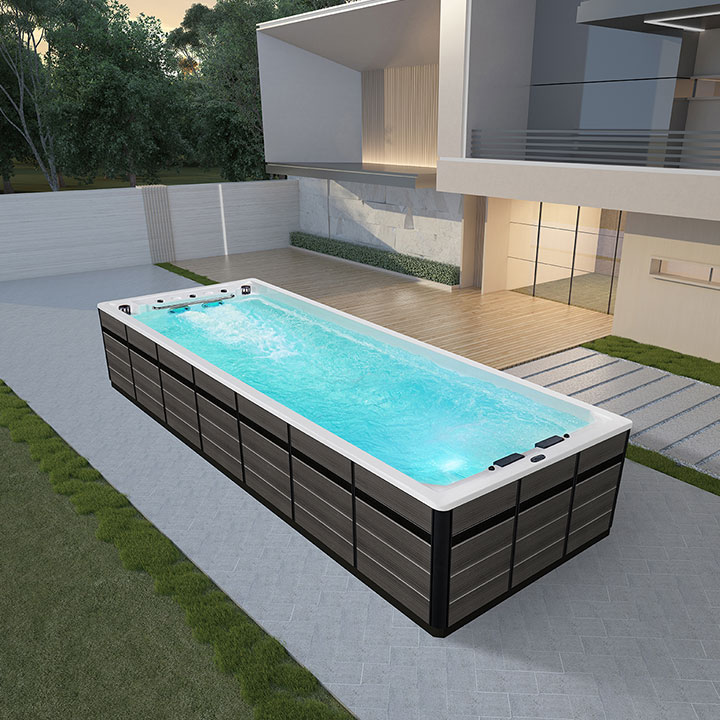
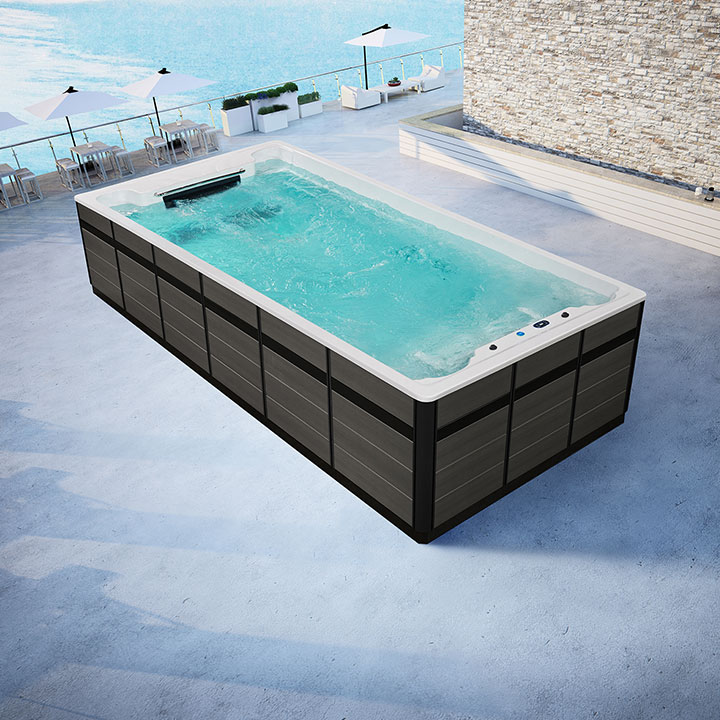
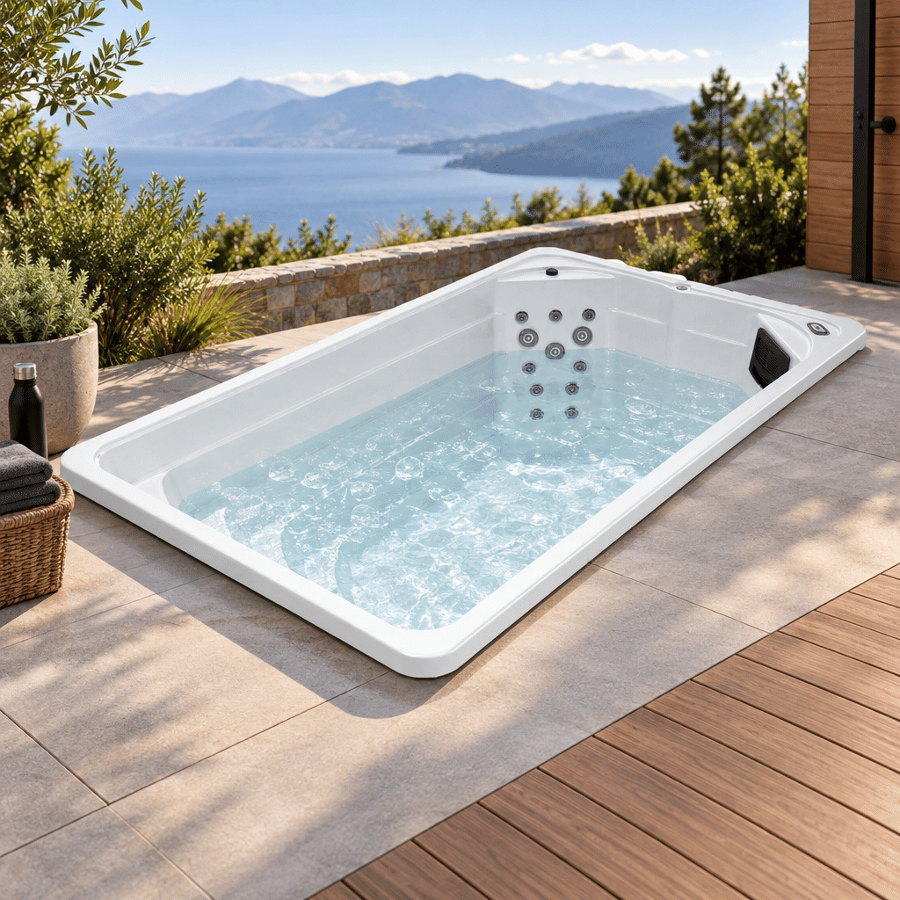
Victoria Star Swim Spa offers the perfect balance between exercise and relaxation, whether you want to swim for fitness or relax in the spacious seating.
Victoria Star Swim Spa offers the perfect balance between exercise and relaxation, whether you want to swim for fitness or relax in the spacious seating.