Are Ice Baths Dangerous? A Clinical Safety Guide to Cold Water Immersion, Cardiovascular Risks, and Safer Protocols
Home / News / Are Ice Baths Dangerous? A Clinical Safety Guide to Cold Water Immersion, Cardiovascular Risks, and Safer Protocols
November 04, 2026
Every winter morning across social media feeds, enthusiastic wellness advocates plunge into frozen tubs filled with floating ice cubes. The striking contrast of steam rising from red skin creates an alluring image of resilience and vitality. Yet beneath the viral enthusiasm, everyday athletes and curious beginners are left asking a crucial question: are ice baths dangerous? Rapid thermal changes trigger profound autonomic shifts inside the human body. Understanding whether cold water immersion carries risks requires looking past the online trends and examining the cardiovascular dynamics, neurological thresholds, and physiological stress responses that occur the second you touch freezing water.
Cold exposure is not a gentle stroll through a cooling breeze. When your skin meets near-freezing temperatures, your nervous system responds with ancient survival mechanisms designed to protect vital organs at all costs. For an individual with optimal cardiovascular fitness and prudent preparation, these acute stressors can feel invigorating. However, for an unconditioned person or someone with an undetected medical vulnerability, unguided cold water immersion introduces tangible threats ranging from involuntary hyperventilation to dangerous heart rate irregularities.
Understanding the Immediate Physical Toll: How the Body Reacts to Extreme Cold
When entering an ice bath, the physical impact does not unfold gradually. The biological shock hits instantly, initiating a chain reaction through the nervous and vascular systems that demands immediate metabolic compensation.
The Cold Shock Response: Hyperventilation and Involuntary Gasping
The initial seconds of immersion trigger the cold shock response, a neurogenic reflex initiated by sudden cutaneous cooling. As peripheral thermoreceptors fire rapid signals to the brainstem, your diaphragm contracts reflexively in a massive, uncontrollable gasp. If a person panics or submerges their head during this initial window, an involuntary gasp can cause water aspiration and rapidly increase the risk of drowning.
Following that first involuntary breath, respiratory frequency spikes dramatically into severe hyperventilation. Arterial carbon dioxide levels fall rapidly, causing acute cerebral vasoconstriction that can induce lightheadedness or tunnel vision. Involuntary gasping and rapid breathing may persist for seconds to minutes. Entering gradually, keeping your face out of the water, and not plunging alone can significantly reduce these immediate hazards and help you regain control over your breathing pattern.
Rapid Vasoconstriction and Acute Blood Pressure Spikes
Simultaneously, the sympathetic nervous system triggers aggressive peripheral vasoconstriction to preserve core thermal reserves. Blood vessels within the skin, subcutaneous fat, and skeletal limbs clamp shut with tremendous force. By redirecting some blood flow away from the cooling extremities toward the thoracic core, the body protects heart and brain function against immediate ambient heat loss.
This rapid relocation of circulating blood volume increases central venous return within fractions of a second. Consequently, systemic vascular resistance and blood pressure can rise sharply, placing additional short-term stress on the cardiovascular system. For flexible arterial walls, this transient pressure surge is manageable. These acute pressure changes may be more concerning for people with established cardiovascular disease or poorly controlled hypertension.
Cardiac Afterload and Arrhythmia Susceptibility
As systemic vascular resistance spikes, the heart must work harder against increased vascular resistance. This heightened myocardial workload occurs alongside a sudden surge in circulating catecholamines like epinephrine and norepinephrine. Sympathetic activation can also raise myocardial oxygen demand, creating a substantial metabolic challenge during immersion.
Cold immersion increases heart rate and blood pressure, and sudden immersion or breath-holding may pose added cardiovascular stress. Facial immersion and breath-holding create additional autonomic changes that may increase arrhythmia risk, particularly in susceptible people. People with underlying heart disease, structural heart defects, or uncontrolled hypertension face particular risk and should consult a clinician before attempting cold water immersion.
Critical Health Hazards: When Does Cold Immersion Become Dangerous?
Moving past the initial shock phase does not guarantee total safety. Prolonged or poorly calculated immersion transitions from a cardiovascular trial into a battle against cellular cooling and motor failure.
Hypothermia Progression and Loss of Neuromuscular Coordination
True hypothermia develops when the core body temperature drops below 35 degrees Celsius (95 degrees Fahrenheit). While many plunge enthusiasts believe core hypothermia happens instantaneously, it actually takes substantial time because subcutaneous tissues provide temporary insulation. The earlier and more immediate threat in an ice bath is peripheral cold incapacitation.
As blood leaves the limbs, muscle tissue temperatures fall, dramatically slowing nerve conduction velocity and cellular ATP resynthesis. Fingers turn into rigid claws, wrist extensors weaken, and knee joints lose stability. Bathers who feel fine mentally may suddenly discover their limbs cannot support their body weight when attempting to climb out of a slick, vertical container.
The Paradox of Peripheral Numbness and Non-Freezing Cold Injury
Pain or intense discomfort may be followed by numbness as peripheral tissues cool and blood flow remains reduced. While many equate this absence of discomfort with successful mental toughness, sensory loss indicates that cutaneous nerves have temporarily stopped firing action potentials. Ignoring this sensory cutoff invites cellular damage.
Prolonged exposure to cold water can cause non-freezing cold injuries, particularly when extremities remain cold and wet for extended periods. A brief, supervised plunge is not equivalent to the prolonged exposures typically associated with these injuries. When numbness progresses to a total loss of proprioception, the risk of tissue distress and accidental injury rises sharply.
High-Risk Profiles: When Medical Conditions Require Caution
Cold water therapy is not universally appropriate. Certain medical profiles warrant particular caution before cold immersion, and consulting a clinician is important for anyone with relevant health concerns.
Cardiovascular Disease and Hypertension: Patients with ischemic coronary disease, structural heart defects, or poorly managed blood pressure should seek medical clearance before attempting cold immersion.
Peripheral Vascular Disorders and Raynaud’s Phenomenon: Extreme vasoconstriction during cold exposure can reduce blood flow to extremities. People with these conditions should consult a clinician before cold water immersion.
Asthma and Respiratory Hyperreactivity: Cold exposure can trigger bronchospasm and breathing difficulties. People with asthma should discuss cold water immersion with their physician and keep rescue inhalers nearby.
Pregnancy and Cardiac Concerns: Pregnant individuals and those with cardiac arrhythmias should consult their healthcare provider before attempting cold water immersion.
Health Condition
Recommendation
Hypertension or Cardiovascular Disease
Consult cardiologist before cold immersion
Raynaud’s Disease or Peripheral Vascular Disorder
Consult physician; may need to avoid cold immersion
Asthma
Discuss with physician; keep rescue inhaler available
Pregnancy
Consult healthcare provider before attempting cold immersion
Healthy Adult
Start conservatively; stop for concerning symptoms; never plunge alone
Evaluating the Science: Proven Recovery Tool or Overhyped Risk?
Popular wellness culture often portrays ice water immersion as a panacea for everything from chronic inflammation to systemic metabolic revitalization. Scrutinizing the available peer-reviewed literature reveals a much more nuanced reality.
What Clinical Systematic Reviews Reveal About Health and Inflammation
Robust clinical reviews evaluating cold water immersion show mixed results across varied population groups. While cold plunge sessions undeniably numb localized nerve pain and temporarily reduce swelling following acute trauma, evidence for broad systemic immune enhancement remains heterogeneous. Many published trials feature small sample cohorts, inconsistent water temperatures, and varied immersion protocols.
Authors of recent comprehensive systematic reviews point out that although inflammatory markers such as interleukin-6 may show transient modulation after cold exposure, these biological ripples do not automatically translate into lifelong immunity or measurable disease prevention. Cold immersion offers acute symptomatic relief, but treating it as a proven cure for complex chronic conditions overstates current scientific consensus.
The Hypertrophy Trade-Off: How Post-Workout Cold Exposure May Blunt Muscle Growth
For strength athletes and bodybuilders seeking muscular hypertrophy, timing cold plunges immediately after resistance workouts may influence long-term progress. Muscle growth depends fundamentally on acute, post-exercise cellular inflammation to trigger intracellular signaling cascades.
Systematic reviews analyzing post-exercise immersion suggest that while cold water alleviates delayed onset muscle soreness, it may attenuate gains in muscle cross-sectional area and maximal strength over time when used repeatedly and immediately after lifting. If maximizing muscle growth is the priority, avoid making immediate post-resistance-training cold immersion a routine practice; the best timing and frequency remain uncertain.
Placebo Effects Versus Genuine Neuroendocrine Responses
Cold exposure activates the sympathetic nervous system and can temporarily increase alertness. Some people report improved mood or mental clarity, but the intensity and duration vary, and subjective benefits should not be treated as guaranteed physiological effects.
At the same time, strong psychological expectancy plays a prominent role in perceived physical recovery. Believing that a challenging, freezing ritual repairs muscle tissue leads individuals to rate their physical readiness higher on subjective scales. Distinguishing between raw physiological activation and subjective expectancy helps set realistic expectations for your routine.
Risk Mitigation Strategies: Stepping Down Danger Through Controlled Cold Exposure
Transforming an intimidating cold immersion practice into a sustainable, low-risk wellness routine requires systematic execution rather than impulsive bravado. Approaching the water with clear parameters protects your vital organs from unnecessary strain.
Temperature and Duration: Conservative Starting Points
Cold water immersion protocols studied in the literature vary considerably in their temperature and duration parameters. There is no universal clinical standard for safe temperature or ideal session length. Instead, a conservative approach emphasizes gradual adaptation and individual tolerance.
Many practitioners recommend beginning with water temperatures between 10 and 15 degrees Celsius (50 to 59 degrees Fahrenheit) and brief sessions of a few minutes. Starting conservatively and building tolerance over weeks or months allows your body to adapt without sudden shock. Pay close attention to how your body responds, and stop immediately if you experience uncontrollable shivering, severe disorientation, or loss of motor control. Cold water immersion always carries cardiovascular risk, even during brief sessions, so a cautious, gradual approach is sensible for newcomers.
Start with warmer water and shorter sessions: Begin at 15–10°C and 2–3 minutes; never rush to lower temperatures.
Limit immersion and monitor your body: Exit immediately if you experience uncontrollable chattering, muscle stiffness, confusion, or loss of coordination.
Never plunge alone: Ensure a capable partner is within visual or auditory range to assist if sudden muscular incapacitation develops.
Progress gradually over weeks: Only lower temperature or extend duration if prior sessions felt manageable and your health status is stable.
Breathing Protocols and Entering the Basin Without Panic
Your mental demeanor during water entry directly dictates your autonomic stability. Stepping into the basin abruptly while bracing your muscles heightens sympathetic panic and elevates heart rate. Instead, pause at the water’s edge, establish slow abdominal breathing, and step downward steadily while exhaling smoothly through pursed lips.
Submerge your body up to the clavicles while keeping your head and face above water. Keep your head and face above water, and consider keeping your hands out if peripheral pain or numbness becomes severe. Use calm, controlled breathing to regain control after entry, and leave the water if breathing remains difficult or uncontrolled.
Safe Rewarming and Post-Immersion Recovery
What you do after exiting the water is just as critical as your conduct inside the tub. Rewarming effects depend on your condition and the severity of cold exposure. For alert individuals with simple cold stress, gradual rewarming is appropriate: dry off with a towel, put on warm layered clothing, and let your body warm from the inside out through natural metabolic action.
If you are alert and steady, dry off and put on warm, dry layers while monitoring your symptoms. Do not exercise, walk unaided, or drink if you are confused or unsteady; seek urgent medical help instead. If you feel confused, disoriented, severely shaky, or unsteady after exiting, or if you suspect deeper hypothermia, seek urgent medical help immediately.
Uncontrolled Ice Baths vs. Engineered Immersion: Upgrading Safety Standards
Many hazards associated with cold plunging stem from poorly controlled environments. Makeshift containers, stock tanks filled with irregular ice bags, and natural waterways introduce unpredictable variables that elevate physical risk.
The Dangers of Thermal Fluctuations in DIY Ice Barrels
Improvising an ice bath with melted ice bags inside an uninsulated barrel yields unpredictable results. The surface water may warm while the bottom remains cold, creating temperature variations that make it difficult to predict and control your experience. This uneven temperature distribution makes it nearly impossible to maintain reliable, consistent conditions.
Adding ice or leaving water untreated can introduce or allow microbial contamination, so users should follow an appropriate cleaning, water-change, and sanitation routine for the specific tub. Without continuous maintenance, organic matter accumulates quickly, turning an invigorating recovery ritual into an unhygienic and inconsistent environment.
How Purpose-Built Systems Address Key Safety Challenges
Safety in cold therapy depends on consistency and predictability. Purpose-built cold immersion equipment can provide a more controlled setup than an improvised container by offering specified dimensions, a heat-pump control system, and a brushless pump.
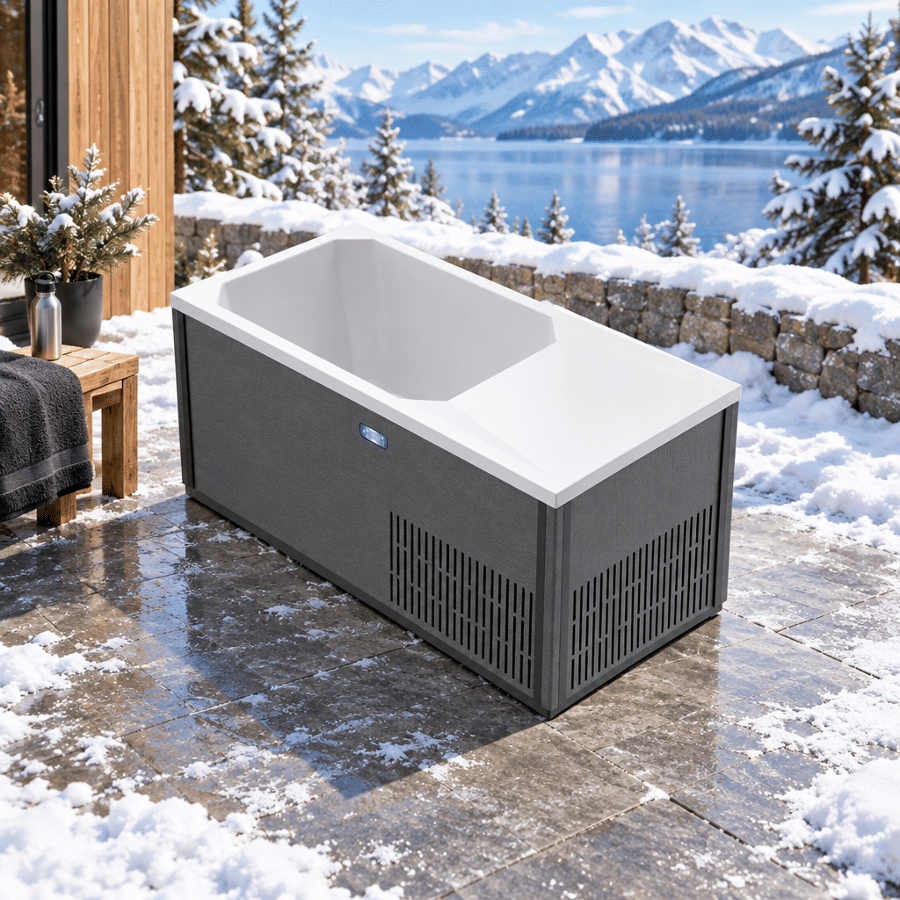
Modern engineered systems like the Outdoor Cold Plunge Tub C02 integrate reliable components to help address core physiological vulnerabilities. The C02 features an integrated 900W heat-pump control system paired with a 54W brushless pump to regulate its 320-liter water volume. These specifications may offer a more standardized setup than manually adding ice, but users still need to follow the manufacturer’s operating, cleaning, and safety instructions.
Immersion Method
Temperature Control
Physical Access
Environment Quality
Risk Profile
Natural Open Water
Unpredictable; varies with currents
High slip risk on riverbeds
Variable contaminants
Hypothermia and drowning
DIY Ice Barrels
Erratic thermal layers
Steep walls; difficult exit
Stagnant; rapid bacterial growth
Thermal shock and infection
Engineered Tubs (C02)
Heat-pump control system and 54W brushless pump
Integrated entry step
Manufacturer-specified setup
User responsibility for session limits
Ergonomic Ingress, Interior Seating, and Assisted Exit Mechanics
Physical accessibility plays a fundamental safety role that many users overlook until their limbs are stiff from cold exposure. Climbing over high, slippery barrel edges with numb feet and sluggish motor nerves frequently causes bruising, slips, and falls.
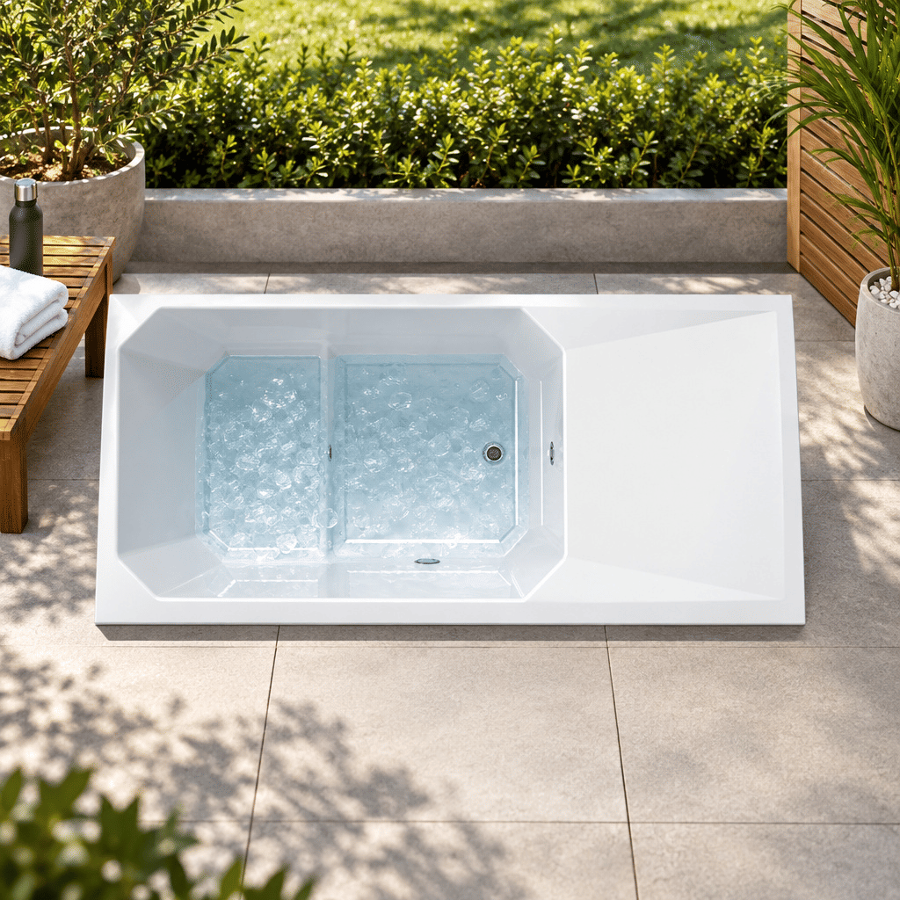
The C02 tub addresses this issue through intentional structural geometry. Measuring 1695 mm by 830 mm by 850 mm, the tub has an acrylic shell and an integrated interior step. This allows users to sit securely with supported posture rather than crouching in an unstable squat. The integrated step and surrounding top rim may assist with entry and exit. Users should still provide a stable surrounding surface and seek assistance when needed, especially after cold exposure when motor control is temporarily reduced.
Frequently Asked Questions
Can an Ice Bath Trigger a Heart Attack in Healthy Adults?
Cold immersion raises heart rate, blood pressure, and circulating adrenaline. While fatal cardiovascular events in young, healthy individuals with sound physical conditioning are uncommon, sudden cold immersion can provoke concerning arrhythmias if an undiagnosed cardiac vulnerability exists. Sudden immersion or breath-holding may pose added cardiovascular stress, particularly for people with underlying heart disease. If you have any family history of structural heart defects, pre-existing hypertension, coronary concerns, or other cardiac risk factors, consulting with a clinician before attempting cold immersion is prudent.
How Long Can You Safely Stay in Freezing Water?
Cold water immersion protocols studied in the research literature vary considerably in their duration and temperature parameters. There is no universally established safe duration or temperature threshold. Conservative guidance recommends starting with brief sessions of a few minutes in relatively warmer water and building tolerance gradually.
More importantly, stop immediately if you experience uncontrollable shivering, muscle stiffness, confusion, loss of coordination, or any other concerning symptoms. Individual tolerance varies based on age, fitness, acclimatization, and underlying health. Always prioritize listening to your body and stopping before you reach a state of distress. Never attempt extreme exposure without extensive preparation and medical clearance.
Is It Dangerous to Submerge Your Head in Cold Water?
Submerging your head significantly amplifies the physiological challenges of cold water immersion. The trigeminal nerve receptors across your forehead and face can trigger the mammalian dive reflex, which slows your heart rate via vagal activation. Facial immersion and breath-holding create additional autonomic changes that may increase arrhythmia risk, particularly in susceptible people; avoid submerging the face or holding the breath.
Furthermore, an involuntary gasp while your mouth and nose are underwater can lead directly to rapid water inhalation and drowning. Keep your head and face above water throughout the session to avoid these compounded hazards.
Why Do Fingers and Toes Ache Intensely During Cold Water Immersion?
Distal extremities ache intensely because the body swiftly initiates vasoconstriction to defend its core temperature, cutting blood flow to non-essential peripheral tissue beds. As oxygen delivery to small muscles and nerve endings drops, local metabolites accumulate and nociceptive pain fibers fire warning signals to your central nervous system. This deep aching sensation is a normal biological defense mechanism.
If you find the discomfort intolerable, keep your hands rested out of the water on the tub deck or wear thermal neoprene booties during immersion. Gradual acclimatization over multiple sessions often reduces the intensity of this initial discomfort.
Conclusion
When evaluating the central safety question of whether ice baths are dangerous, the honest answer depends entirely on your medical readiness, environment, and personal discipline. Cold water immersion is an intense physiological stressor that demands respect, cautious progression, and an understanding of human biology. While cold plunges offer genuine neurochemical stimulation and useful post-workout relief, treating them as casual, unchecked tests of willpower can lead to serious health hazards.
Start conservatively with brief sessions in warmer water, never plunge alone, and stop immediately for concerning symptoms. Consult a clinician if you have cardiovascular disease, hypertension, vascular disorders, asthma, pregnancy, cardiac concerns, or other medical conditions. By approaching cold immersion with structured caution, maintaining realistic expectations about its benefits, and utilizing reliable, purpose-built equipment when possible, you can explore cold therapy responsibly while steering safely clear of its genuine dangers.
Victoria Star Swim Spa offers the perfect balance between exercise and relaxation, whether you want to swim for fitness or relax in the spacious seating.
Victoria Star Swim Spa offers the perfect balance between exercise and relaxation, whether you want to swim for fitness or relax in the spacious seating.