Are Hot Tubs Good for Fibromyalgia? What Research, Clinicians, and Patients Say
Home / News / Are Hot Tubs Good for Fibromyalgia? What Research, Clinicians, and Patients Say
November 06, 2026
When persistent muscle aches, diffuse tenderness, and restless sleep dictate daily life, non-pharmacological relief becomes an essential pursuit. Patients and caregivers frequently ask: are hot tubs good for fibromyalgia? The practical reality is nuanced: while a warm soak will never cure an underlying neurological condition, the physical principles of hydrotherapy can deliver temporary symptomatic relief, ease perceived muscular tension, and provide a calming environment.
Fibromyalgia alters central pain processing, turning innocuous sensations into acute discomfort. Applying heat and mechanical water pressure to hyper-reactive nerve endings requires careful calibration. Understanding clinical findings, the physiological effects of warm water, and precise safety boundaries helps individuals turn a simple soak into a restorative comfort routine.
Search Intent and Practical Expectations
What People Dealing with Fibromyalgia Want to Know
Most readers exploring hydrotherapy are searching for honest, realistic answers. They want to verify whether warm water eases chronic pain or risks triggering a debilitating flare-up. Practical questions center on water temperature, session duration, and whether massaging water jets soothe aching trigger points or irritate allodynic skin.
The Practical Reality: Symptom Management, Not a Cure
Soaking in heated water does not modify disease pathology or repair neurochemical signaling in the brain. What it provides is targeted, physical comfort. By temporarily dampening pain feedback and reducing mechanical joint loading, hydrotherapy helps create a window of physical ease during difficult flare days.
How Warm Water May Help Some People with Fibromyalgia
Temporary Relief from Muscle Tension and Stiffness
Water kept at moderate therapeutic temperatures promotes peripheral vasodilation, increasing blood flow to muscular tissue. This enhanced circulation can encourage tight muscle bands along the neck, shoulders, and lower back to relax, easing the subjective feeling of stiffness that often characterizes widespread chronic pain.
Thermal sensory input provides competing tactile stimuli. Clinicians often propose that non-painful thermal sensations can help modulate pain perception at the spinal level, offering temporary relief, although this remains a general physiological hypothesis rather than a confirmed mechanism unique to fibromyalgia.
Buoyancy, Hydrostatic Pressure, and Physical Decompression
Submerging the body in water significantly reduces the effective load on the musculoskeletal system. Buoyancy lessens mechanical weight-bearing on joints, with the degree of reduction depending on immersion depth. Sensitive areas that hurt during upright posture experience a temporary pause from gravitational compression.
Hydrostatic pressure—the uniform physical force water exerts across submerged limbs—provides an enveloping physical sensation. Some users find this sensation comfortable and relaxing, though it does not represent an established medical treatment for nervous system regulation.
Warm-Water Immersion Versus Active Aquatic Exercise
Passive soaking and active aquatic physical therapy serve distinct wellness functions. Passive immersion focuses entirely on sensory calming, gentle warmth, and restful decompression without physical expenditure. In contrast, aquatic therapy uses water resistance for guided cardiovascular conditioning and gentle joint articulation.
While aquatic exercise shows clinical evidence for improving physical function over time, responses to passive soaking vary widely. Some people may prefer passive soaking when exercise feels difficult, while others may find heat or immersion worsens symptoms, meaning personal trial and clinical guidance are paramount.
What the Clinical Evidence Says
Clinical Findings on Balneotherapy and Hydrotherapy
Clinical researchers study aquatic exercise and balneotherapy (bathing in mineral or thermal springs) as complementary approaches for chronic widespread pain, but the strength of evidence differs considerably between them. Systematic reviews indicate that structured aquatic exercise programs have more direct support and may improve certain functional outcomes and symptoms. In contrast, authoritative health agencies note that evidence for balneotherapy remains uncertain and insufficient for definitive conclusions.
Immersion Modality
Illustrative Water Temperature
Primary Focus
Clinical Evidence Context
Passive Hot Tub Immersion
Temperature varies by user comfort; no clinical ideal established
Resting relaxation, thermal warmth
Preliminary observational reports only; does not establish effectiveness for routine home hot tubs
Thermal Balneotherapy
97°F – 100°F (36°C – 38°C) in studied protocols
Supervised thermal immersion
Some trials suggest possible temporary symptom relief, but overall evidence remains limited and inconclusive
Supervised Aquatic Therapy
88°F – 92°F (31°C – 33.3°C)
Low-impact exercise, gentle mobility
Better-supported evidence indicating potential improvements in physical function within structured programs
Why Clinical Trials Differ from Home Hot Tub Soaking
Research studies on balneotherapy typically employ specialized mineral waters, strict medical protocols, and professional physical therapists. A home hot tub utilizes treated municipal water rather than natural mineral springs. The core physical drivers—heat and buoyancy—are shared, but scientific outcomes from specialized clinical environments cannot be applied unconditionally to home spa use.
Positioning Hydrotherapy in a Multimodal Plan
Major health organizations emphasize that fibromyalgia requires a multidimensional care approach. A hot tub should serve as an adjunct self-care tool rather than a standalone therapy. It works best alongside prescribed medications, gentle stretching, stress reduction practices, and balanced lifestyle habits.
Comparing Hot Tubs, Bathtubs, and Aquatic Therapy
Practical Differences in Daily Use
Patients weighing hydrotherapy options generally compare three main settings: home bathtubs, dedicated hot tubs, and physical therapy pools. Each brings unique advantages and limitations:
Standard Household Bathtubs: Accessible and require no ongoing chemical sanitization, but water cools rapidly and limited dimensions prevent true zero-gravity buoyancy for tall adults.
Residential Hydrotherapy Spas: Provide stable thermostatic temperature control, deep ergonomic seating, and adjustable hydro jets, though they require routine sanitization and dedicated electrical infrastructure.
Community or Clinic Aquatic Pools: Large enough for active lap walking and gentle aerobic routines under clinical guidance, but necessitate travel and expose users to public environments.
Choosing the Right Modality for Your Daily Routine
For brief evening relaxation before bed, a warm household bath may be sufficient to encourage initial sleepiness. However, individuals needing sustained thermal stability and targeted ergonomic support across the spine and thighs often prefer the deep immersion of a residential hot tub.
How to Use a Hot Tub Safely with Fibromyalgia
Establishing Temperature and Time Limits
Heat tolerance varies substantially from person to person, and excessive warmth can trigger discomfort or fatigue. Safe usage begins with moderate temperatures and disciplined session lengths:
Set moderate initial temperatures: Many people prefer starting around 98°F to 101°F (36.7°C to 38.3°C) based on personal comfort. Note that the CDC sets an absolute maximum ceiling of 104°F (40°C), which should never be exceeded, and even lower temperatures can cause dizziness or nausea during extended immersion.
Start with short sessions: Restrict initial exposure to 10 or 15 minutes, noting how your body feels several hours after exiting.
Position yourself mindfully: Begin seated away from high-velocity jet nozzles to ensure the physical sensation of moving water remains gentle rather than jarring.
Monitoring Sensory and Autonomic Responses
Some people with fibromyalgia also experience orthostatic intolerance or sensory sensitivity (allodynia). Direct, forceful hydro jets can irritate sensitive skin, transforming a relaxing soak into a painful stimulus. Always verify that water flow feels soft and ambient.
If you experience lightheadedness, nausea, or rapid heart pounding while soaking, move to a cool-down seat immediately or exit the water with caution.
Hydration and Exit Precautions
Warm water exposure may contribute to fluid loss through perspiration. Drinking water according to thirst before and after soaking is sensible to remain comfortable and well-hydrated.
When exiting, take your time. Some people may feel lightheaded when standing after prolonged warm immersion. Hold onto secure steps or handrails, step out gradually, and wrap yourself in a dry robe promptly to prevent chilly air from inducing shivering.
Medical Considerations and Precautionary Checkpoints
Health Conditions Requiring Prior Clearance
Hydrotherapy produces pronounced cardiovascular and autonomic responses. Anyone with concurrent health conditions should obtain explicit physician clearance before soaking:
Cardiovascular Disorders: Uncontrolled hypertension, congestive heart failure, or history of stroke.
Metabolic and Nerve Conditions: Diabetic neuropathy that reduces peripheral temperature perception, increasing burn risks.
Medication Interactions: Sedating medications, muscle relaxers, or antihypertensive drugs that amplify thermal dizziness.
Pregnancy and High-Risk Situations
Pregnant readers should consult their obstetric clinician regarding any hot tub use, as elevated body temperatures present fetal risks and overheating must be avoided. Individuals during an acute viral illness, fever, or deep flare-up with severe brain fog should avoid soaking alone.
When to Step Out Immediately
Discontinue use and consult your doctor if a soak triggers persistent post-exertional malaise, throbbing headaches, spreading skin redness, or chest discomfort. A therapeutic soak should leave you feeling calm and comfortable, never drained or depleted.
Water Care and Hygiene Considerations
The Importance of Pristine Spa Water
Maintaining strict water chemistry is a non-negotiable safety priority. Elevated water temperatures create an ideal environment for bacteria like Pseudomonas aeruginosa, which causes hot tub folliculitis, a painful skin condition that can severely exacerbate tactile sensitivity.
Sanitizer Levels: Follow CDC hot tub guidance by maintaining free chlorine at a minimum of 3 ppm, or bromine between 4 and 8 ppm.
Water Balance: Keep water pH strictly between 7.0 and 7.8 to maintain disinfectant effectiveness and prevent skin irritation.
Maintenance Procedures: Always adhere to local public health regulations, test water chemistry regularly, and follow the manufacturer’s specific filtration and chemical dosing directions.
Evaluating Public or Shared Hot Tubs
When visiting fitness centers or hotels, examine the water before stepping in. Clear water, clean skimmer lines, and regular maintenance logs indicate proper upkeep. Avoid murky water, heavy foam, or overpowering chemical odors, as poor sanitation carries heightened risks for sensitive individuals.
What to Look for in a Hot Tub for Fibromyalgia
Control Panel Features and Operational Usability
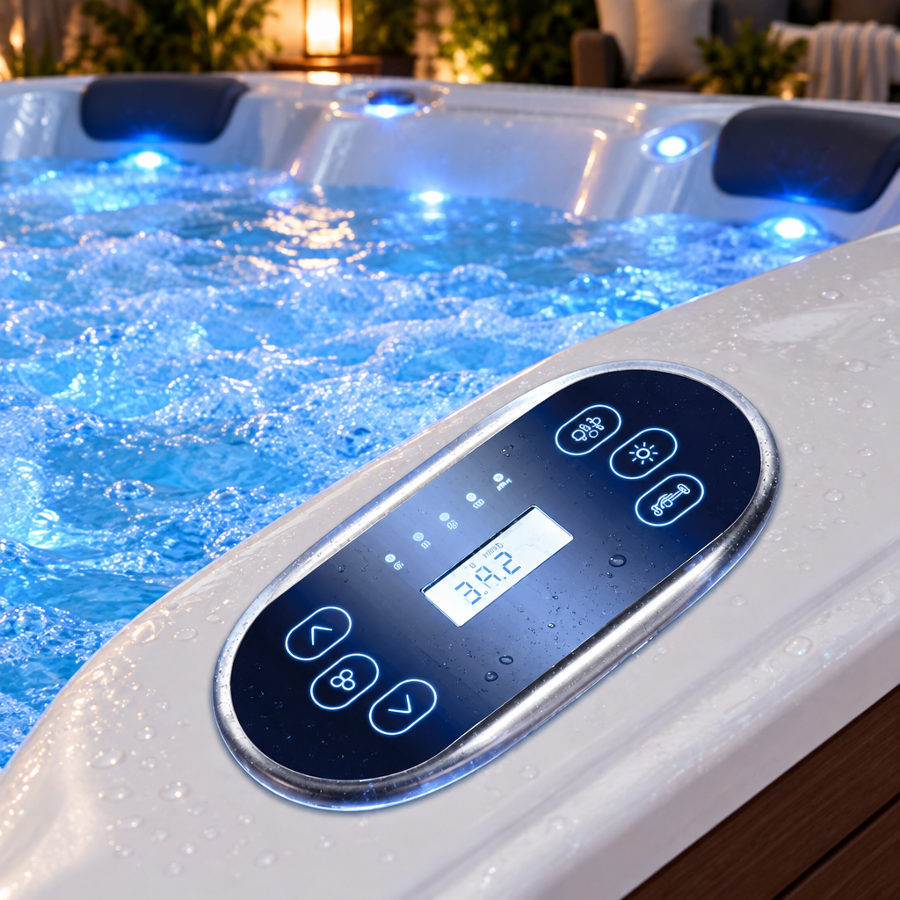
Fine-tuned control is crucial for managing chronic pain. When shopping for a spa, inquire whether the digital control panel allows incremental temperature adjustments to prevent overheating. Backlit displays and touch controls make daily operation easier when hands or wrists feel stiff.
Ergonomic Seating Contours and Adjustable Flow
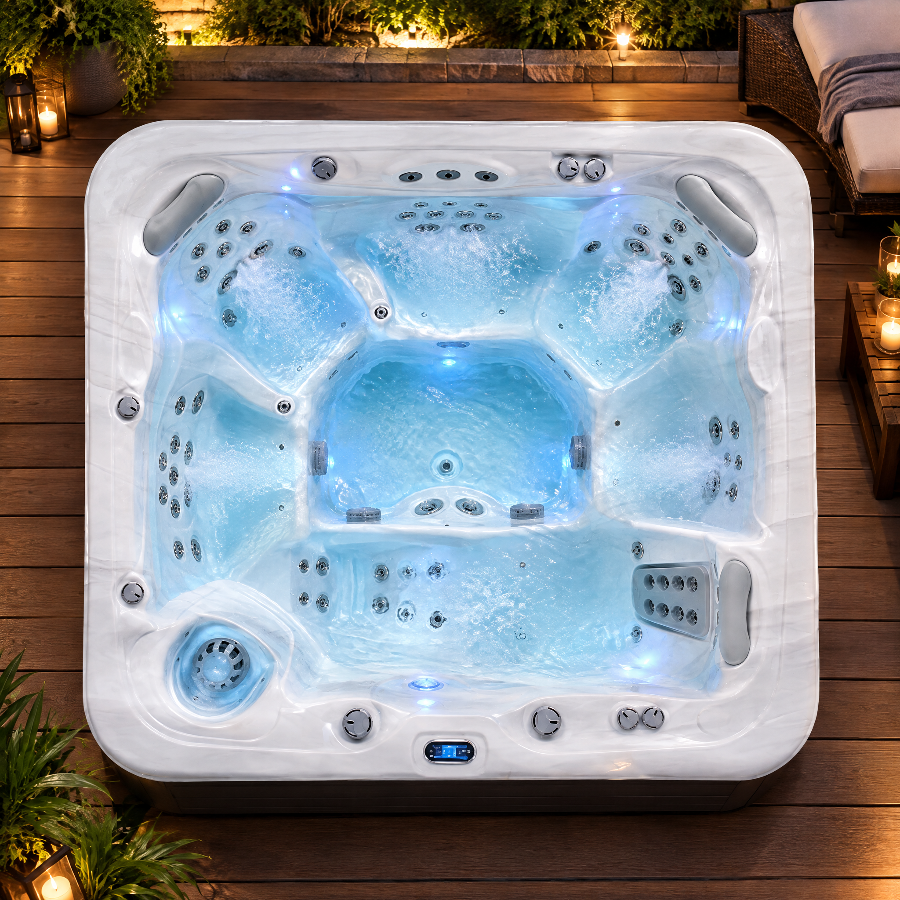
Ergonomic shell contours with supportive bucket seats and full-length loungers allow the spine to settle naturally without slouching. Prospective buyers should confirm with manufacturers whether a model offers adjustable flow controls or diverter mechanisms, enabling you to tone down massage intensity across tender areas.
Interpreting Jet Counts and Wellness Claims
Do not judge a spa solely by high jet counts. An abundance of high-pressure jets running simultaneously can overwhelm sensitive nerves. Buyers should verify whether jet pressure can be adjusted to a soft, ambient level rather than assuming high jet volume translates to better symptom relief.
Example Specifications: Victoria Star VS-605L
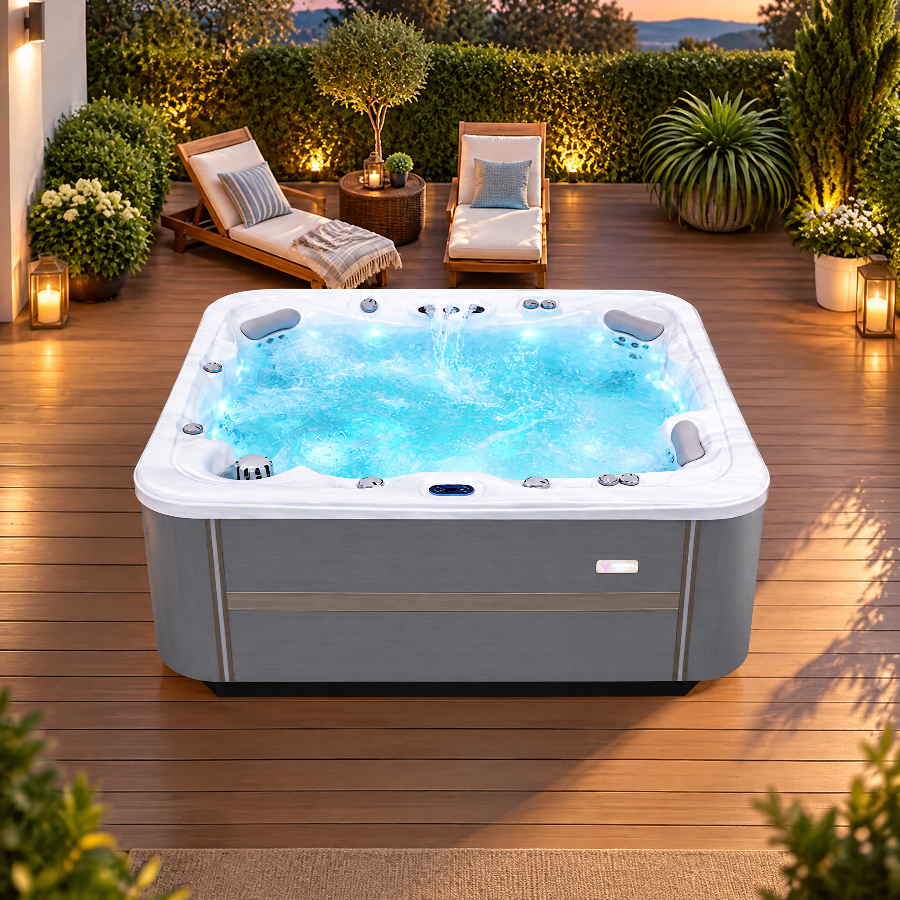
Examining real-world engineering specifications helps illustrate how modern spa components balance personal comfort with water management. The VS-605L produced by Victoria Star provides a concrete example of residential spa design.
Specification Parameter
Victoria Star VS-605L Engineering Details
Exterior Dimensions
2540 mm × 2310 mm × 980 mm (approx. 8′ × 91″ × 39″)
2 × 3 HP Water Pumps, 1 × 0.5 HP Air Pump, 1 × 0.35 HP Circulation Pump
Total Hydrotherapy Jets
The manufacturer describes 98 jets positioned across seating and lounger areas to target the back, waist, shoulders, legs, and feet
Heating Capacity
1 × 3 KW Heater regulated via KL2022 smart keypad control
Water Purification
High-efficiency filter cartridges paired with Ozone and UV sanitization
Audio & Atmosphere
Integrated Bluetooth receiver with 4 AV speakers, multi-color perimeter & underwater LEDs
Exterior Cabinet & Shell
Aluminum Plastic Skirt with LED trim lighting; Porcelain acrylic shell
Practical Applications for Chronic Muscle Comfort
The VS-605L demonstrates design elements well-suited to individual comfort needs. The manufacturer describes 98 hydrotherapy jets positioned throughout the seating and lounger areas to target muscle groups including the back, shoulders, legs, and feet. The full-length lounger provides a reclining position; comfort and the degree of buoyant support depend on the user and immersion depth.
The mechanical system pairs dual 3 HP water pumps with a dedicated 0.35 HP circulation pump and a 0.5 HP air pump. Driven by the KL2022 digital smart control panel, users can oversee water temperature, filtration cycles, and jet activation to match their individual preferences.
Clear Distinctions on Wellness Equipment
While high-performance pumps, ozone purification, and ergonomic seating support rest and physical ease, residential spas remain comfort equipment. They provide a soothing environment to unwind tight muscles, but they do not claim to treat, manage, or cure medical conditions.
Frequently Asked Questions (FAQs)
Are hot tubs good for fibromyalgia pain?
Hot tubs can provide temporary comfort and reduce weight-bearing while immersed, helping ease feelings of muscle stiffness. Warm water promotes relaxation and offers a gentle sensory environment. However, individual tolerances vary, and hydrotherapy should serve as a supportive comfort measure rather than an established medical cure.
Can soaking in a hot tub worsen fibromyalgia symptoms?
Yes, excessive heat or aggressive water jets can provoke symptom flare-ups. Water temperatures that are too high, prolonged immersion, or intense high-pressure jets aimed directly at sensitive tender points can trigger dizziness, heart pounding, or sensory fatigue. Starting cautiously with brief, moderate-temperature soaks helps prevent flare triggers.
What is the ideal hot tub temperature for fibromyalgia?
There is no universally established ideal temperature for fibromyalgia, as individual heat tolerance varies widely. Many users prefer starting around 98°F to 101°F (36.7°C to 38.3°C) for gentle warmth, but individuals should always follow their clinician’s guidance and never exceed the CDC maximum safe limit of 104°F (40°C).
How often should someone with fibromyalgia use a hot tub?
There is no fixed schedule that works for everyone with fibromyalgia. Because individual tolerance fluctuates, users should begin cautiously with brief sessions, track their symptoms closely over subsequent days, and determine an appropriate frequency in consultation with their healthcare provider.
Are water jets helpful or painful for tender points?
Hydrotherapy jets affect each individual differently. Some people may find gentle water movement comfortable, whereas others find water jets irritating, particularly if they experience tactile allodynia. If a spa includes adjustable air controls or diverter valves, they may let you alter flow to a softer intensity; buyers should verify these specific features directly with the manufacturer.
Is aquatic physical therapy better than passive hot tub soaking?
Both modalities offer distinct physical benefits. Aquatic therapy performed in warm, dedicated exercise pools (88°F–92°F) builds muscle strength, cardiovascular endurance, and joint flexibility under professional guidance. Passive hot tub soaking requires no physical exertion, making it an accessible option for pure relaxation and evening decompression.
A Comfort Tool for Rest and Relaxation
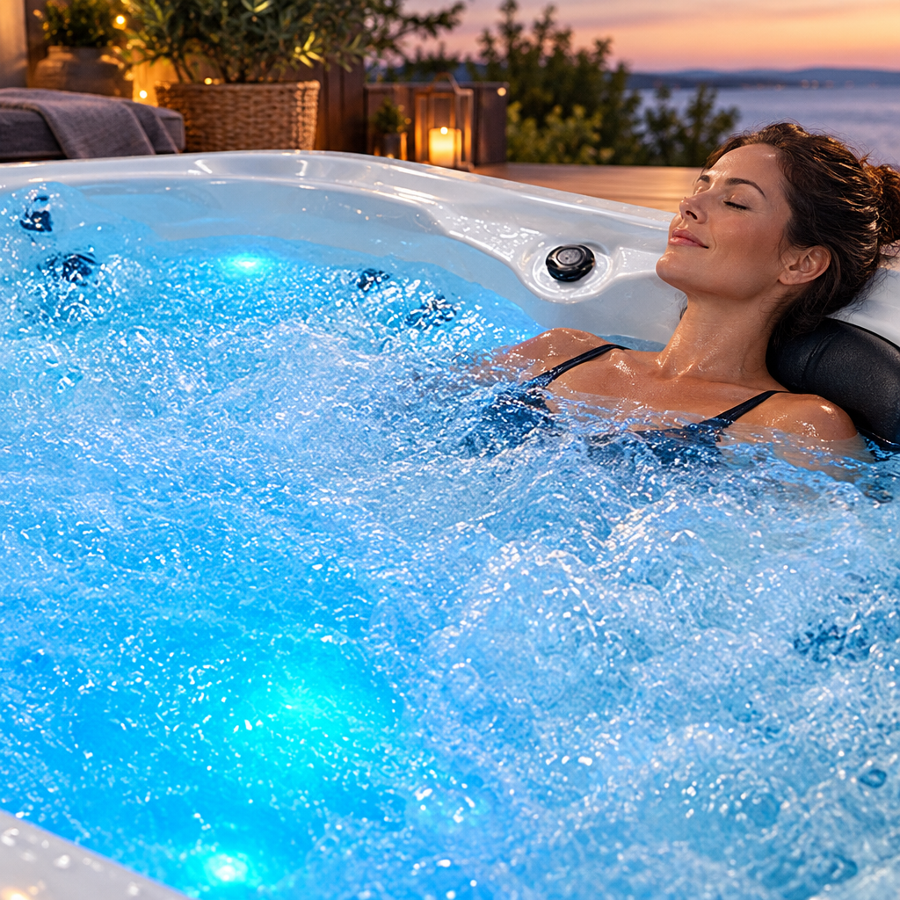
When exploring whether hot tubs are good for fibromyalgia, the answer centers on personal comfort, realistic expectations, and mindful practice. While warm-water soaking cannot resolve the underlying neurological mechanisms of chronic widespread pain, it offers genuine, accessible physical decompression. The combination of gentle buoyancy, steady warmth, and quiet downtime may temporarily ease the feeling of muscle tension and daily stress. By consulting your physician, keeping temperatures moderate, and choosing spa systems with customizable controls, you can safely integrate hydrotherapy into a balanced personal wellness routine.
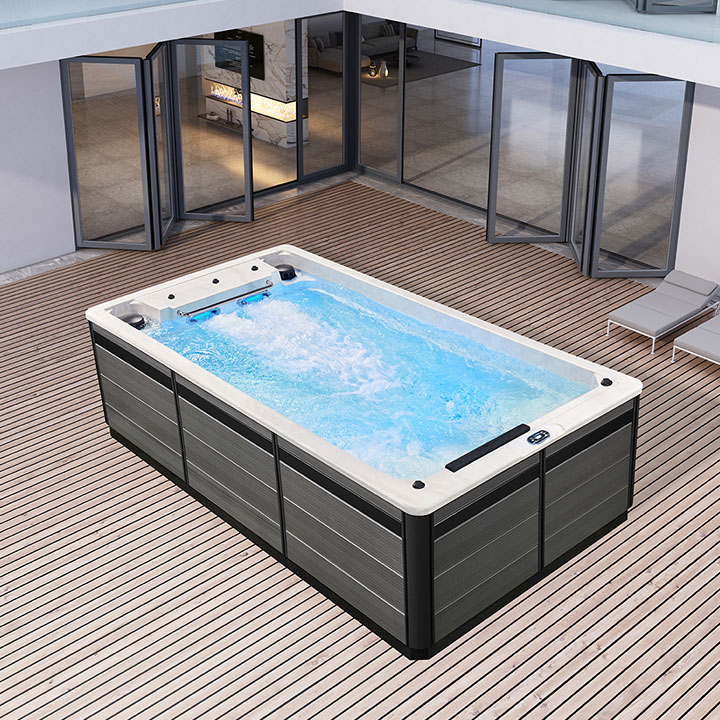
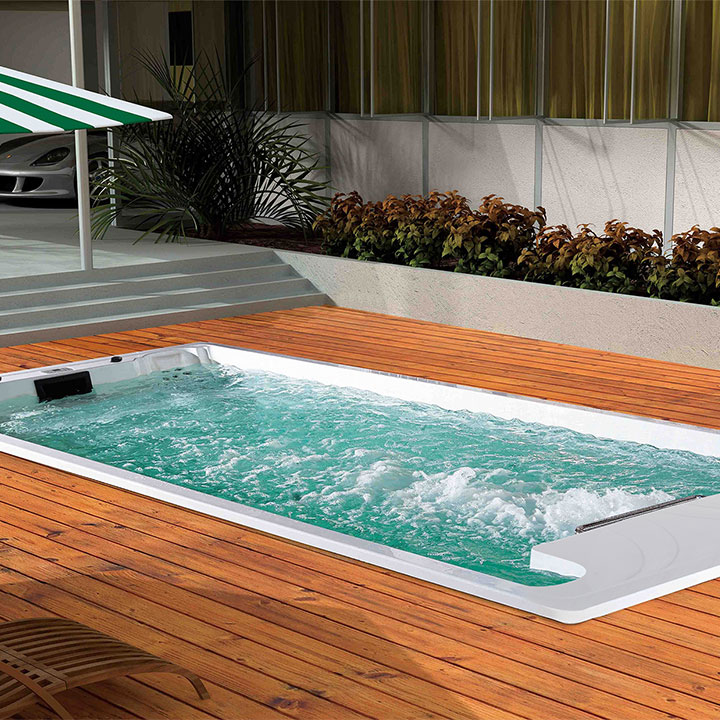
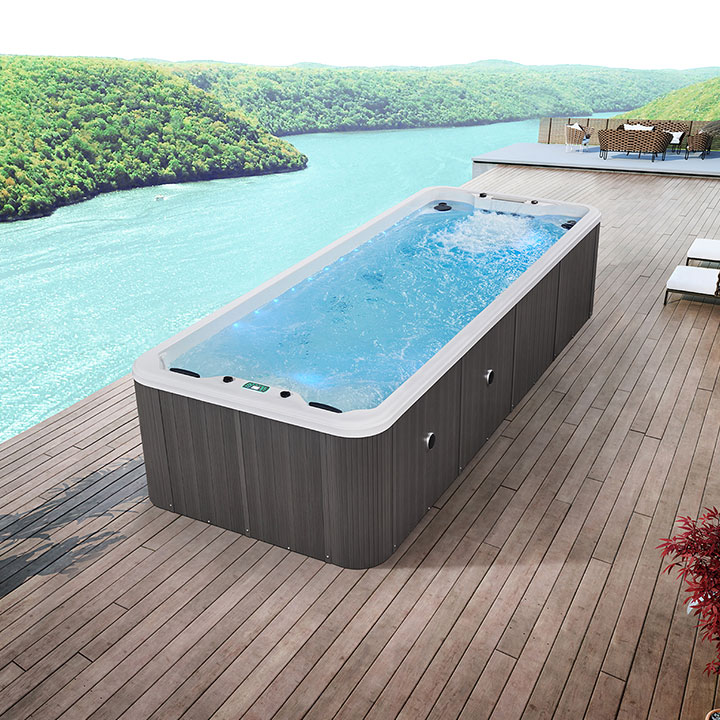
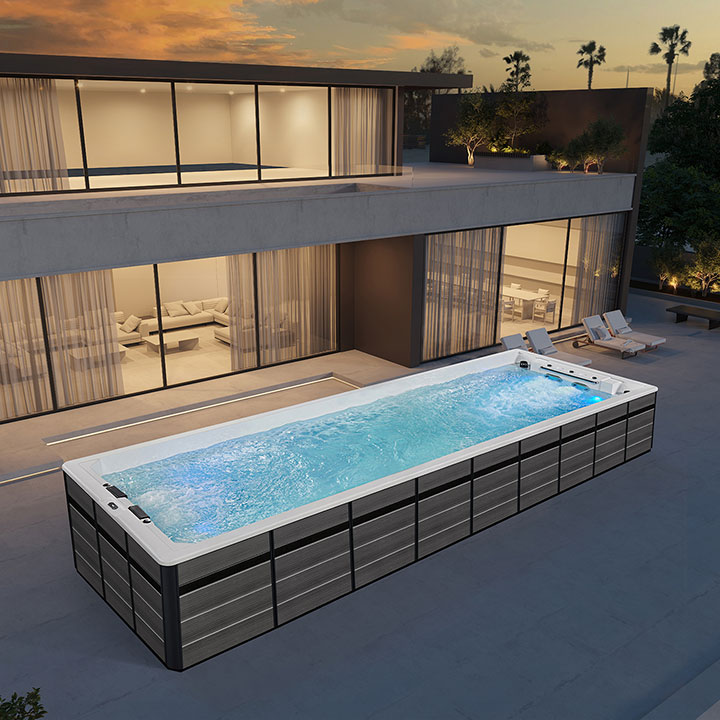
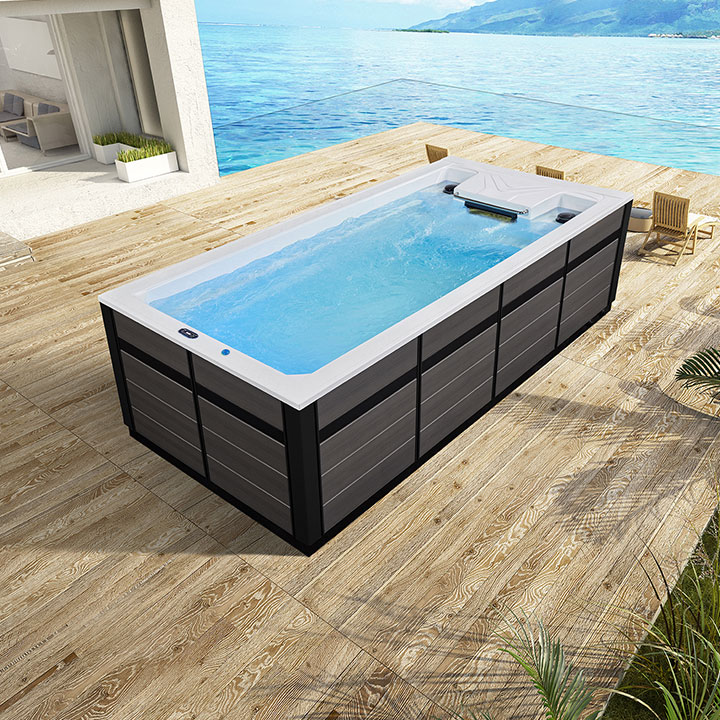
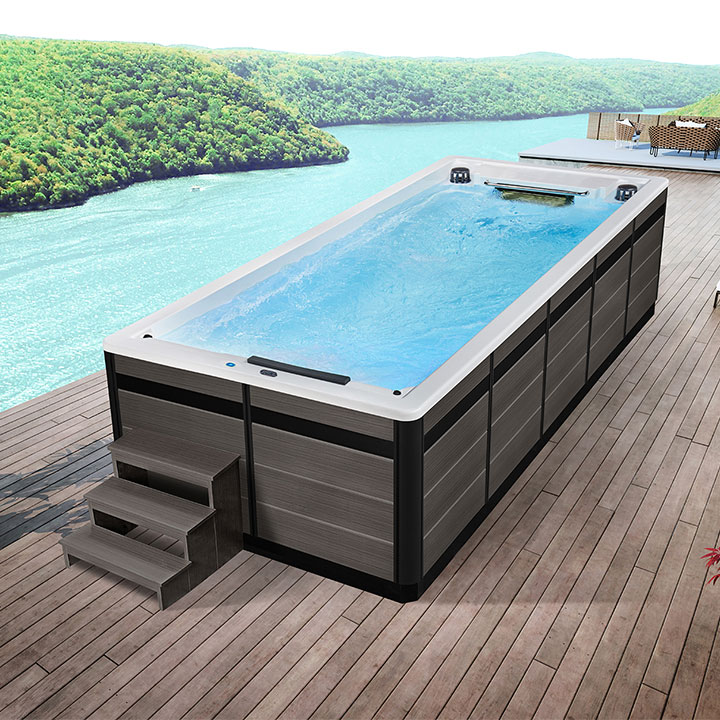
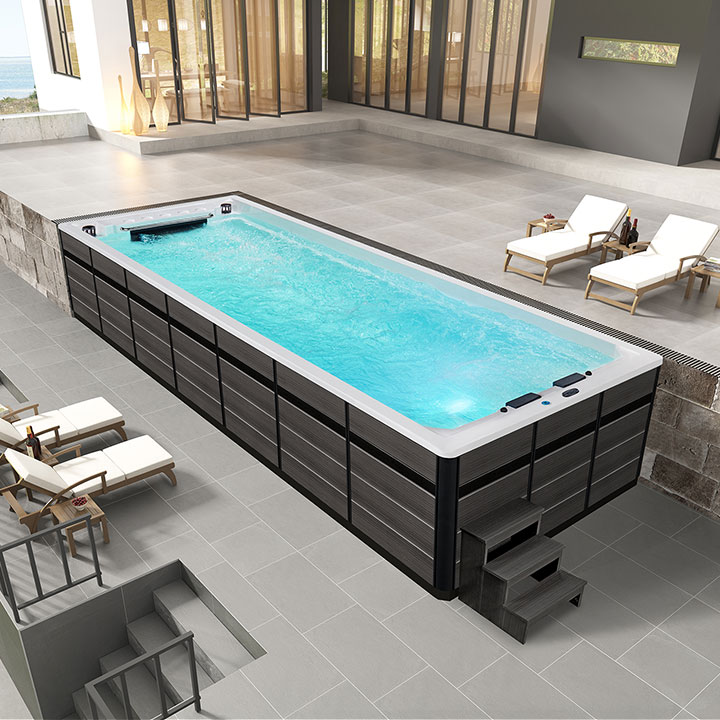
Victoria Star Swim Spa offers the perfect balance between exercise and relaxation, whether you want to swim for fitness or relax in the spacious seating.
Victoria Star Swim Spa offers the perfect balance between exercise and relaxation, whether you want to swim for fitness or relax in the spacious seating.