Are Hot Tubs Bad for Your Liver? Evidence, Risks, and Safety Facts
Home / News / Are Hot Tubs Bad for Your Liver? Evidence, Risks, and Safety Facts
November 04, 2026
If you have wondered are hot tubs bad for your liver, the short answer is that moderate soaking in properly maintained warm water does not carry documented evidence of direct damage to healthy liver tissue. Most concerns arise when people confuse the natural cardiovascular effects of heated water with organ injury, or when pre-existing hepatic conditions make temperature changes harder to tolerate. The real discussion centers on how heat, hydration levels, water sanitation, and advanced liver disease interact under hot water immersion.
At the same time, popular wellness claims often make the opposite mistake by suggesting that profuse sweating cleanses internal organs. Evaluating whether are hot tubs bad for your liver requires understanding the physical mechanisms of hydrotherapy, the boundaries of hepatic function, and the precautions needed for vulnerable individuals.
The Short Answer: Do Hot Tubs Directly Damage the Liver?
What Clinical Evidence Tells Us About Heat and Healthy Liver Tissue
Available clinical observations indicate that brief, comfortable immersion in warm water at normal recreational temperatures is not established as a direct cause of hepatocyte necrosis or sudden liver failure in healthy individuals. The liver possesses substantial functional reserve and can tolerate many stressors without permanent damage. A routine soak at moderate heat typically remains within normal human adaptive capacity.
Medical concerns emerge primarily during extreme events rather than routine relaxation. The practical clinical distinction is between recreational hydrotherapy and severe systemic hyperthermia, where the core body temperature rises uncontrollably.
Heatstroke Is a Different, Serious Medical Event
When core body temperature spikes dangerously during prolonged exposure to extreme heat, heatstroke can induce multi-organ dysfunction, including ischemic liver injury. Published medical case reports document acute liver injury following sauna or hot-bath exposures where individuals lost consciousness or experienced severe heatstroke. In these rare emergencies, extreme heat collapses circulatory stability, which starves the liver of oxygenated blood. These severe cases reflect hyperthermic trauma, not standard soaking habits.
Debunking the Hot Tub Detox Myth: Sweat Glands vs. Hepatic Filtration
A persistent myth claims that sweating profusely in a hot tub purifies the liver by pulling toxins through the skin. In reality, human sweat is roughly 99 percent water, accompanied by trace electrolytes like sodium and potassium. Sweating serves as an evaporative thermoregulatory cooling mechanism rather than an excretory pathway for metabolic waste.
The liver is a major site of drug and chemical metabolism, including through enzymatic pathways such as the cytochrome P450 system, while other tissues also contribute to biotransformation. Attempting to sweat out metabolic byproducts places unnecessary circulatory stress on your body without clearing liver fat or assisting biochemical detoxification.
The Physiological Pathways: How Hot Water Immersion Interacts with Your Body
Vasodilation and Hemodynamic Shifts
Warm-water immersion can trigger peripheral vasodilation, in which blood vessels in the skin and extremities dilate to dissipate core heat. This can result in a systemic redistribution of blood volume toward the skin surface. Depending on the temperature and duration, this response varies by individual.
For most healthy adults, cardiovascular compensation and elevated heart rate help maintain circulation during and after immersion. In contrast, people with compromised circulation or advanced liver disease may experience blood pressure changes, illustrating how hydrotherapy affects systemic circulation differently depending on health status.
Splanchnic Circulation and Portal Blood Flow
Investigating whether are hot tubs bad for your liver often leads researchers to splanchnic hemodynamics. One small clinical study evaluated portal blood flow in eight healthy volunteers and eight patients with compensated liver cirrhosis exposed to 42°C (107.6°F) water for five minutes. Both cohorts experienced a marked drop in portal blood flow during immersion, which reflected the shift of circulating blood volume into dilated peripheral vessels.
Among the cirrhotic participants in that study, portal blood flow remained below baseline levels at the thirty-minute post-bath observation. This finding highlights why individuals with vascular alterations must manage exposure carefully, though individual tolerance varies and personalized medical guidance is important.
Fluid Loss, Lightheadedness, and Systemic Strain
Immersion in hot water can increase fluid loss through perspiration because moisture mixes instantly with the surrounding water. Even without visible moisture beads, a bather may lose fluid volume during an extended soak. The degree of fluid loss varies with temperature, duration, and individual factors.
When a bather stands up quickly, lightheadedness can occur from the combined effect of peripheral blood pooling and mild dehydration. These transient dizzy spells do not indicate acute liver distress, but they signal that the cardiovascular system has shifted during immersion and requires care when exiting.
Physiological Parameter
Healthy Response (Standard Soak)
Response in Advanced Liver Disease
Clinical Implication
Peripheral Blood Vessels
Vasodilation in response to heat
Pronounced vasodilation; sluggish vascular tone
Increased risk of low blood pressure
Portal Venous Inflow
Transient decrease during immersion
Extended reduction below baseline levels
Consult clinician on soak duration
Fluid Balance
Fluid loss via perspiration
Heightened vulnerability to volume shifts
Requires careful hydration management
Core Temperature
Homeostatic regulation
Slower heat dissipation in advanced illness
Observe general temperature guidelines
Hot Tubs and Pre-Existing Liver Conditions
Fatty Liver Disease (MASLD / NAFLD)
Individuals diagnosed with metabolic dysfunction-associated steatotic liver disease (MASLD) frequently ask are hot tubs bad for your liver enzymes or disease progression. Available clinical research indicates that passive warm water immersion does not directly aggravate steatosis or cause cellular degeneration. However, heat exposure does not replace the essential role of balanced nutrition, regular exercise, and weight management in managing MASLD.
Anyone with metabolic liver conditions should maintain conservative water temperatures and avoid thinking that heat will dissolve hepatic triglycerides. Consult your physician before establishing frequent hot tub routines if you have been diagnosed with steatotic liver disease.
Viral and Autoimmune Hepatitis
For those living with chronic hepatitis B, hepatitis C, or autoimmune liver disorders, hot tub safety depends on systemic inflammation and clinical stability. Chronic, well-managed viral hepatitis without significant fibrosis rarely creates an intolerance to moderate water heat. Conversely, during active inflammatory flares or acute systemic infection, elevated core temperatures add unnecessary metabolic demand on the body.
Medication regimens also warrant consideration. Certain therapeutic drugs alter renal excretion or blood pressure regulation, making consultation with your gastroenterologist prudent before starting frequent hydrotherapy routines.
Liver Cirrhosis and Portal Hypertension
Cirrhosis presents a distinct clinical situation that requires careful evaluation. Advanced hepatic fibrosis reorganizes internal blood flow, producing portal hypertension and hyperdynamic systemic circulation. Because peripheral blood vessels are already chronically dilated, hot water immersion can trigger shifts in blood volume distribution.
Furthermore, patients with ascites, esophageal varices, or hepatic encephalopathy experience compromised homeostatic reflexes. Anyone with decompensated cirrhosis should consult a hepatologist before using hot tubs, as individual circumstances determine safety.
Liver Transplant Recipients and Immunosuppression
Following a liver transplant, the primary concern shifts from thermal hemodynamics to environmental infection control. Recipients take immunosuppressive medications to prevent organ rejection, which diminishes their defense against opportunistic pathogens found in poorly sanitized warm water. For these individuals, the chemical balance and microbiological safety of the water are paramount considerations.
Both public and private hot tubs can harbor resilient bacteria if sanitation regimens falter. Consult your transplant team about whether hot tub use is appropriate during your recovery and immunosuppression phase, as recommendations vary by individual circumstances.
The Invisible Threat: Water Sanitation, Pathogens, and Infection Risks
Microbial Hazards in Warm Water
Warm water creates a supportive environment for opportunistic bacteria if chemical disinfectants drop below therapeutic levels. Hot tubs can expose users to organisms such as Pseudomonas aeruginosa and Legionella pneumophila when water is poorly maintained. Pseudomonas often causes hot tub folliculitis, a pustular skin rash that resolves in healthy people but poses risks in immunocompromised hosts.
Legionella bacteria aerosolize through bubbling jet action and can cause Legionnaires’ disease when inhaled into the lungs. Weakened immunity may increase vulnerability to infection, though individual risk varies.
Vulnerability of the Hepatic Immune System
Kupffer cells are liver-resident macrophages involved in clearing material from the bloodstream. In patients with cirrhosis, cirrhosis-associated immune dysfunction (CAID) can compromise this clearance function. As a consequence, bacteria entering the bloodstream face a reduced defense capacity in individuals with advanced liver disease.
This immunological reality demonstrates why water purity matters directly to individuals with impaired liver function. The hazard does not stem from pure heated water itself, but rather from microbial contamination present in poorly managed spas.
Water Treatment Systems and Hygiene Standards
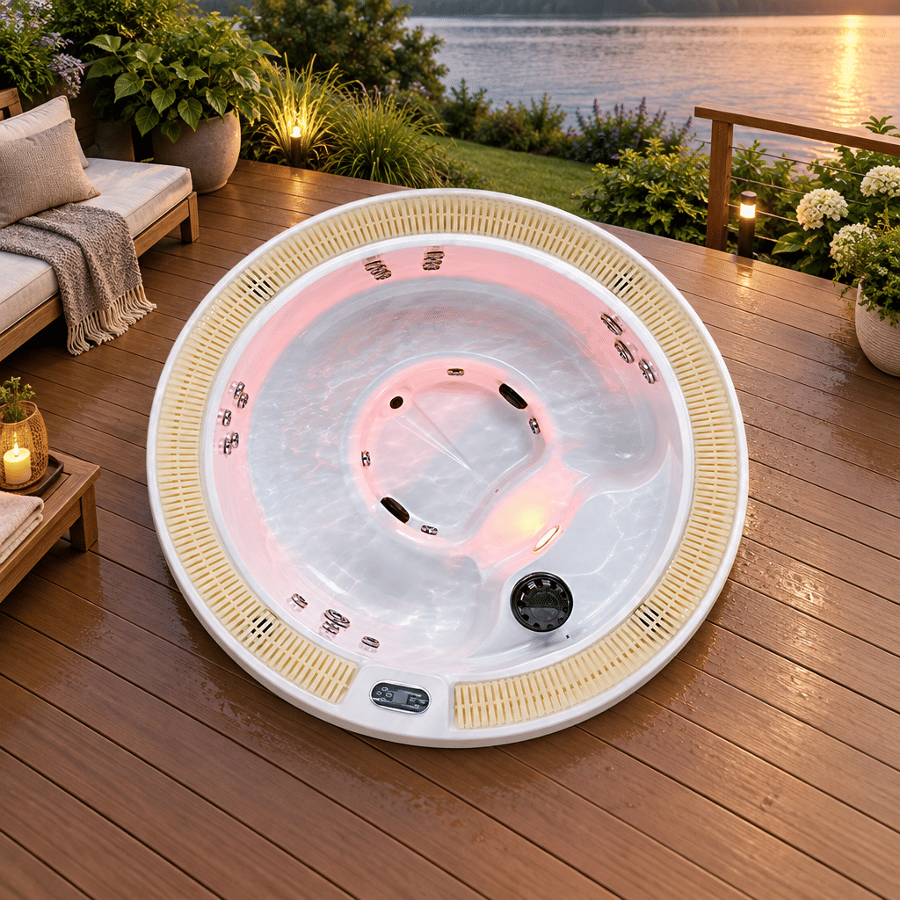
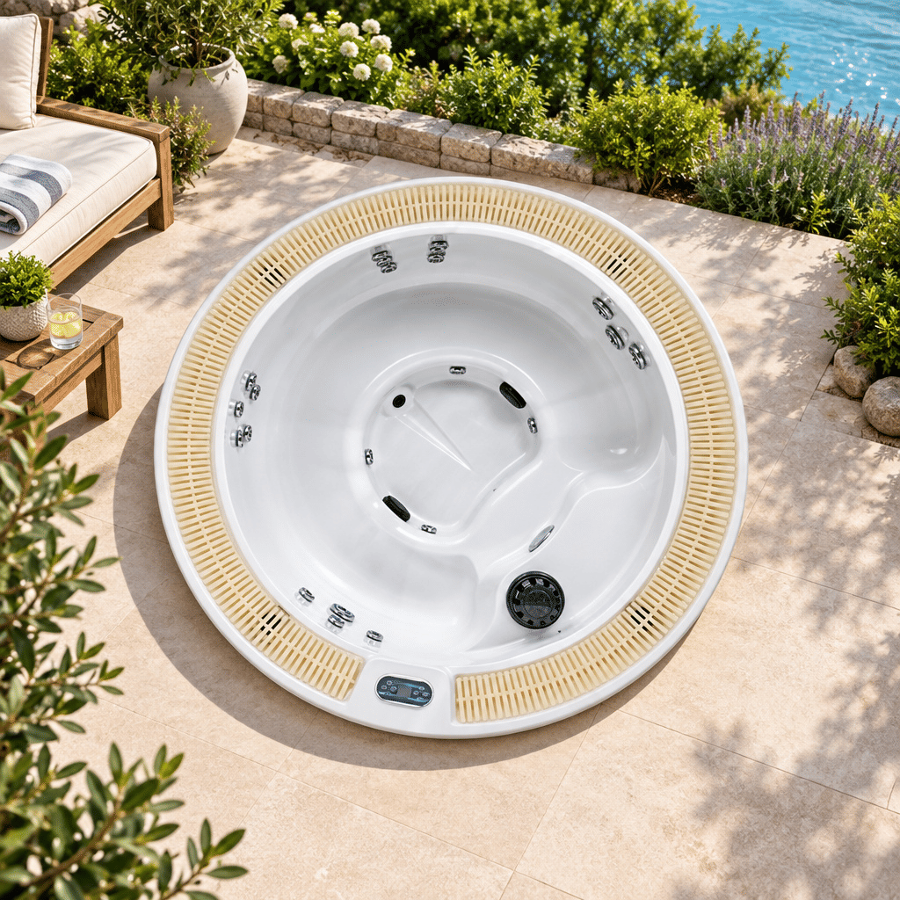
Preventing microbial hazards requires robust physical and chemical water treatment systems that run continuously. High-specification residential spas employ multiple treatment approaches. An example is the 4 Person Round Hot Tub VS-001C, which incorporates mechanical cartridge filtration, ozone sanitation, and ultraviolet (UV) purification according to the product specifications.
These layered systems are designed as part of water treatment architecture. The physical cartridge traps particulate matter, ozone acts as an oxidizing agent, and UV light serves as a disinfection method. However, maintaining appropriate sanitizer residuals and balanced pH remains essential, as no single treatment method eliminates all hazards independently. Regular maintenance and monitoring by the user remain critical responsibilities.
Engineering and Equipment for Controlled Wellness
Managing Heat Through Precision Digital Controls
Safe hydrotherapy benefits from stable temperature management rather than guesswork. Equipment like the VS-001C Comfort Series incorporates the KL2022 smart digital control system, providing users with control over heating cycles and water pump operations. The system includes a 3 kW heating element paired with circulation pumps designed to support temperature adjustment.
Users can adjust water temperature to find a comfortable setting within the safe recreational range. This flexibility allows bathers to find a temperature suited to their individual tolerance and preferences.
Matching Hydrotherapy Equipment to Personal Needs
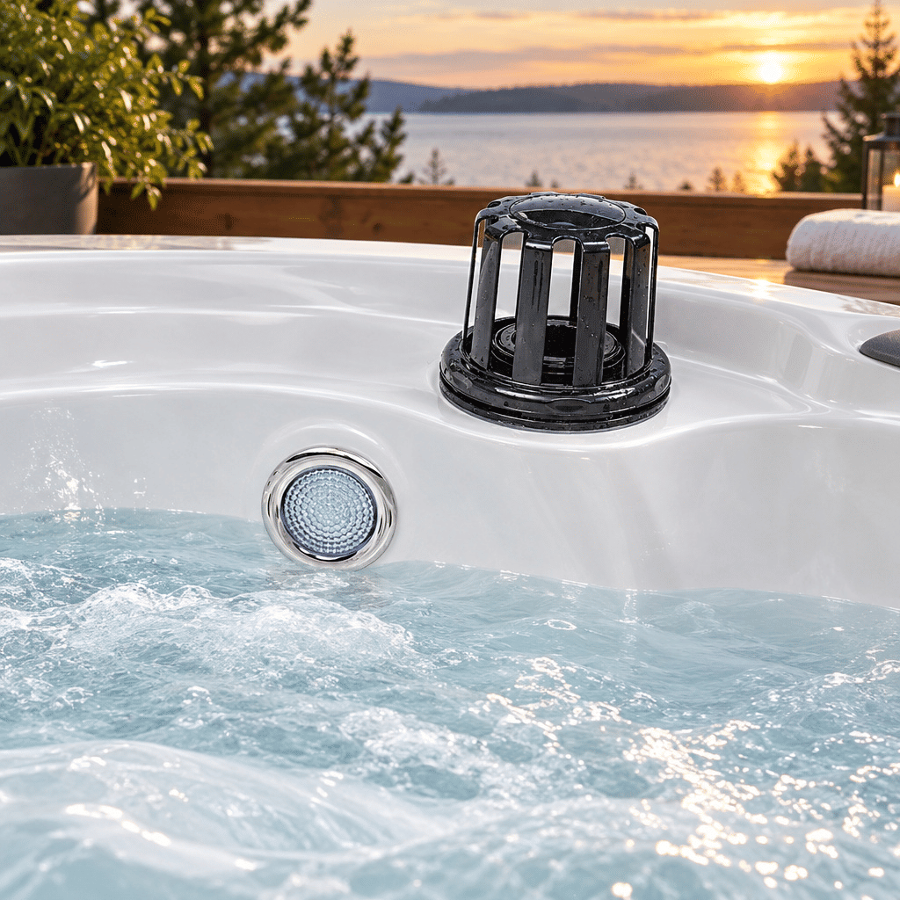
Physical comfort and spatial layout also influence how the body handles heat during hydrotherapy. Ergonomic bucket seating and perimeter drainage overflow gratings allow bathers to reposition comfortably and lift their upper torso out of the water when feeling warm. The following technical specifications outline the layout of the VS-001C model:
Model and Series: VS-001C, Comfort Series
Footprint Dimensions: 1800 mm × 1800 mm (6′ × 71" × 71" circular design)
Pumping Hardware: 1 × 2 HP water pump and 1 × 0.35 HP circulation pump
Heating Component: 1 × 3 KW heating unit
Electrical Requirement: 4.75 KW total power supply
Cabinet and Shell Materials: Weatherproof aluminum-plastic composite skirt in Platinum or Midnight paired with a Porcelain white acrylic shell
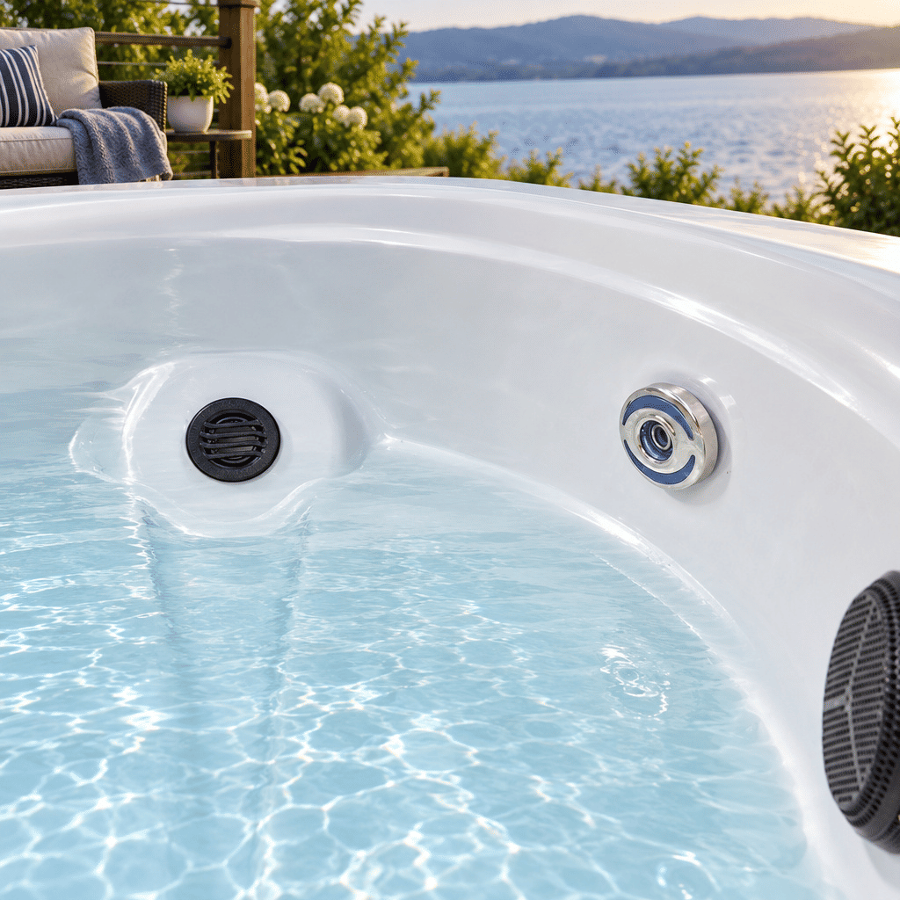
Integrated Audio and Controls: KL2022 smart keypad control paired with circular Bluetooth speakers
Practical Rules for Safer Soaking: Protecting Your Liver and Body
Establishing Temperature Discipline
Health authorities, including the Centers for Disease Control and Prevention (CDC), state that hot tub water should not exceed 104°F (40°C) for general recreational use. For individuals managing liver abnormalities, metabolic conditions, or cardiovascular sensitivity, consulting with a healthcare provider about appropriate water temperature is prudent.
Heat can affect circulation in ways that vary by individual health status. Your medical provider can offer guidance tailored to your specific circumstances and whether hot tub use is appropriate for you.
Hydrotherapy Safety Considerations:
[Check Base Health Profile]
       |
       ├─ Diagnosed Cirrhosis / Portal Hypertension / Post-Transplant ──> [Consult Specialist First]
       |
       └─ Healthy / Stable Metabolic Profile
              |
              ├─ Follow standard recreational temperature guidelines (max 104°F)
              ├─ Limit soak duration based on personal comfort and tolerance
              ├─ Drink water before and after soaking to maintain hydration
              └─ Avoid alcohol before and during soaking
Soaking Duration and Postural Awareness
Limiting session length prevents unnoticed overheating and excessive fluid loss. Bathers should follow common-sense duration guidelines rather than staying in the water until feeling strained:
Pre-Soak Preparation: Drink water and confirm that water sanitization levels are maintained according to public health standards.
Initial Immersion: Rest on contoured seating for a comfortable duration, allowing muscles to relax without forcing extended immersion.
Upper-Body Venting: If you feel warm, shift slightly upward onto higher seating to expose your chest and arms to cooler ambient air.
Exit Protocol: Stand up slowly while holding safety grab rails to prevent dizziness from sudden blood pressure changes.
Post-Soak Recovery: Rest in a comfortable environment and sip water to restore normal fluid balance.
Avoiding Alcohol and Medication Interactions
Drinking alcoholic beverages while soaking in a hot tub presents serious medical risks, especially for individuals concerned with liver health. Alcohol can increase the risk of fainting, falls, and drowning, particularly when combined with heat and dehydration. For individuals with liver disease, alcohol poses additional metabolic burden.
Keeping hot tub hydrotherapy strictly alcohol-free protects liver function and personal safety during immersion.
When to Seek Medical Guidance
Essential Questions to Ask Your Clinician
If you have a history of elevated liver enzymes, hepatitis, or advanced fibrosis, discussing hot tub use with your medical provider provides clarity. Consider asking these targeted questions during your next appointment:
Is hot tub use appropriate given my current liver health and any diagnosed conditions?
Do my current medications interact with heat exposure or affect my tolerance for warm water immersion?
Are there specific water-quality or infection risks I should consider given my current health status?
What signs or symptoms would indicate I should stop using a hot tub and seek medical attention?
Recognizing Serious Symptoms
Immediate departure from the water is necessary if you experience lightheadedness, nausea, accelerated heart rate, shortness of breath, or mental confusion. These symptoms indicate circulatory strain or excessive heat retention rather than healthy responses to warm water.
If unexplained fever, deep fatigue, persistent cough, or localized skin pustules develop in the days following hot tub use, seek prompt medical evaluation and mention your recent spa exposure. Early detection ensures rapid management of any potential waterborne respiratory or skin infection.
Frequently Asked Questions
Can soaking in a hot tub raise liver enzymes like ALT or AST?
The reviewed evidence does not establish routine hot-tub soaking as a cause of elevated alanine aminotransferase (ALT) or aspartate aminotransferase (AST) in healthy individuals. These enzymes increase when hepatocytes experience membrane damage, inflammation, or acute metabolic trauma. Severe heat illness can involve liver injury, but ordinary recreational immersion at standard temperatures is not documented as a cause of enzyme elevation.
Is a hot tub safe for someone diagnosed with compensated cirrhosis?
Safety for compensated cirrhosis must be evaluated on an individual basis by a gastroenterologist or hepatologist. Clinical research shows that immersion in hot water can alter portal blood flow dynamics, and individual tolerance varies widely. Your medical provider can assess your specific condition and advise whether hot tub use is appropriate for you.
Can sweating in a hot tub help clear toxins from a fatty liver?
Sweating in a spa does not cleanse, detoxify, or reduce fat accumulation within the liver. Sweat glands primarily secrete water and trace minerals for evaporative cooling. Hepatic steatosis is managed through nutritional modifications, active physical exercise, and targeted medical therapies directed by a physician, not through passive thermal fluid loss.
Does hot tub chlorine or water treatment chemicals burden the liver?
Users should follow product directions and applicable water-quality guidance for the hot tub they use. The reviewed evidence does not establish that sanitizers at standard levels cause liver effects during normal bathing. The primary concern with inadequate sanitizer levels is the growth of bacterial pathogens rather than the sanitizers themselves. Following public health standards for water chemistry helps minimize both microbial hazards and chemical concerns.
What should I do if I feel dizzy, nauseous, or fatigued after a hot tub session?
Exit the water immediately and carefully, sit down in a cool shaded area, and slowly drink cool water or an electrolyte solution. Never re-enter the tub while feeling unwell. If dizziness persists, or if you experience fainting, vomiting, or confusion, seek immediate medical attention, as these symptoms indicate heat-related illness or profound blood pressure drops.
Conclusion
When exploring the question are hot tubs bad for your liver, the reviewed evidence indicates that ordinary, moderate soaking in properly maintained water is not established as a direct cause of liver injury in healthy people. Standard hot tub temperatures do not inherently disrupt normal enzymatic processes or cell integrity. Primary health considerations involve managing hydration, avoiding alcohol, preventing heat exhaustion, and ensuring that water is maintained according to public health sanitation standards.
For those managing conditions like cirrhosis, portal hypertension, or post-transplant immunosuppression, heat and infection vulnerabilities warrant consultation with appropriate specialists. By adhering to general temperature guidelines, staying well-hydrated, maintaining sobriety during use, and choosing properly maintained equipment, you can approach hot tub use with greater awareness while supporting your overall well-being and health.
Victoria Star Swim Spa offers the perfect balance between exercise and relaxation, whether you want to swim for fitness or relax in the spacious seating.
Victoria Star Swim Spa offers the perfect balance between exercise and relaxation, whether you want to swim for fitness or relax in the spacious seating.