Are Cold Showers Better for Your Hair? What Science and Dermatology Actually Say
Home / News / Are Cold Showers Better for Your Hair? What Science and Dermatology Actually Say
November 04, 2026
Many wellness advocates claim that switching your shower knob to freezing cold transforms dry strands into liquid silk. When evaluating whether are cold showers better for your hair, you have to separate persistent beauty mythology from human biology. The promise of glossy strands and reduced shedding sounds tempting to anyone struggling with frizz or scalp discomfort. Yet standing under shivering water every morning requires significant willpower, making it essential to know whether the physical payoff is genuinely worth the discomfort.
The real relationship between water temperature and hair health is far more nuanced than common social media tips suggest. While some people report benefits from cooler rinses, scientific evidence for specific temperature-driven hair improvements remains limited. Understanding how your scalp skin, protective natural oils, and keratinized hair fibers interact with water temperature allows you to design a practical washing routine. By examining what dermatology actually supports alongside real-world habits, we can discover what cold showers and cool rinses realistically offer for daily hair health.
Understanding Hair Biology: Cuticle Architecture and Scalp Sebum
To make sense of shower temperature claims, one must first examine the physical anatomy of the hair fiber itself. Each hair shaft consists of an inner cortex protected by an outer shingle-like layer called the cuticle. When cuticles lie flat and compact, they reflect incident light evenly and retain structural moisture within the inner core. Conversely, lifted cuticle edges scatter light rays, producing a rough texture and leaving the inner cortex vulnerable to environmental drying.
The Cuticle Myth: Why Hair Is Not a Mechanical Valve
A common misconception is that hair cuticles open and close like miniature mechanical window shutters in response to temperature. In physical chemistry, cuticles do not possess contractile muscles or neurological sensors. Instead, the spreading and swelling of cuticle scales are primarily driven by water absorption, mechanical friction, and pH levels.
Hydration can alter cuticle morphology, and water temperature may influence these changes, though the extent and practical significance of temperature-specific effects remain unclear. While very hot water can cause excessive swelling and stress the protein structure of hair, the precise protective benefit of cooler water compared to comfortable warm water is not well established. Avoiding scalding temperatures is a reasonable precaution for hair health, though the specific protective mechanism remains less clear than many beauty guides suggest.
Sebum Viscosity and Cleansing Dynamics
Scalp health depends heavily on sebum, an oily substance composed of triglycerides, wax esters, and squalene produced by sebaceous glands. Sebum acts as a physiological shield, maintaining skin barrier integrity and naturally lubricating hair lengths. The behavior of sebum under different water temperatures is often oversimplified in popular hair-care advice.
Washing with comfortably warm water generally helps remove dirt and oil more effectively than cold water alone. Balancing temperature during washing ensures you cleanse the scalp without causing discomfort or unnecessary irritation to sensitive skin.
The Real Benefits: What Cold Water Can and Cannot Deliver
When assessing whether are cold showers better for your hair, it is critical to distinguish between modest subjective perceptions and clinically proven outcomes. Many people report enjoying cooler rinses, but the physiological hair benefits are modest and remain unproven in rigorous studies. Cooler water may feel refreshing and subjectively pleasant, though its primary advantage lies in avoiding the irritation that very hot water can cause.
Comfort and Scalp Sensitivity
Hot water can cause discomfort on sensitive scalps and may aggravate existing irritation or dryness. Choosing water that feels comfortably warm—close to body temperature—is a practical baseline for scalp health. Some people report that finishing with a cooler rinse feels pleasant, though any hair benefit from this step remains largely anecdotal.
If you have a sensitive or inflamed scalp, avoiding scalding temperatures is sensible. Excessive heat can intensify itching and redness. A gentle, comfortable washing routine is more important than pursuing specific temperature thresholds.
Subjective Cosmetic Impressions
Many people report that their hair feels smoother or shinier after a cool rinse, and these subjective impressions are valid personal experiences. However, the evidence supporting a specific mechanism—such as reduced moisture loss, static reduction, or cuticle alignment—is not well established in peer-reviewed dermatology literature.
A cool rinse may feel refreshing and leave hair feeling pleasant to the touch, but expecting transformative cosmetic results from temperature alone is unrealistic. Hair health depends far more on genetics, conditioning practices, mechanical care, and overall scalp hygiene.
Debunking Follicle Shrinkage and Pores
Another enduring wellness myth claims that cold water instantly tightens and shrinks scalp pores to stop shedding. Dermatological science clarifies that human skin pores and follicular openings do not contain muscular sphincters that open and close on thermal command. Cold water can provoke a momentary piloerection reflex via the arrector pili muscle, causing temporary goosebumps, but it does not physically lock pores shut.
Believing that icy rinses stop routine daily shedding can lead to unwarranted frustration. Shedding fifty to one hundred hairs daily is a natural component of the normal telogen exogen cycle. Freezing water will not alter this biological clock or prevent systemic shedding triggered by stress, dietary deficiencies, or hormonal fluctuations. Cold rinses offer a subjectively pleasant sensation, but they do not function as a solution for shedding driven by genetics or systemic factors.
Temperature Breakdown: Comparing Hot, Lukewarm, and Cold Water
Achieving optimal hair health requires understanding how different water temperatures function during your shower. Neither freezing water nor scalding heat serves as a universal solution for every washing phase. Using reasonably comfortable water for the main wash and choosing your rinse temperature based on personal preference creates a practical routine.
Water Temperature Category
Practical Impact
Scalp Comfort
Recommended Approach
Uncomfortably Hot
May cause irritation and discomfort
Can aggravate sensitivity and dryness
Avoid; choose comfortably warm water instead
Comfortably Warm
Cleansing and conditioning work well
Gentle and suitable for most people
Use for primary wash and conditioning
Cool to Cold
Subjectively pleasant; no proven hair benefit
Can feel refreshing
Optional final rinse if comfortable
Why Avoiding Scalding Water Matters
Extremely hot water can strip away protective oils from the scalp and may cause inflammation or irritation on sensitive skin. Individuals dealing with seborrheic dermatitis or chronic scalp sensitivity often find that very hot showers aggravate their symptoms. Choosing comfortably warm water—rather than steaming hot—is a practical way to reduce scalp irritation.
Scalding water also poses a general comfort and safety concern; it can feel unpleasant and potentially cause burns. Using a temperature that feels warm but not uncomfortably hot is the most sensible approach for daily washing.
The Practical Case for Comfortable Washing Temperature
Dermatologists generally recommend using water at a comfortable temperature when cleansing the scalp and hair. This allows you to wash thoroughly without causing discomfort. There is no single "gold standard" temperature; comfort and individual sensitivity vary.
Choosing a temperature that feels pleasant and does not irritate your scalp makes your washing routine sustainable and enjoyable. That is far more important than adhering to any specific numerical range.
Step-by-Step Guide: A Practical Hair Wash Routine
A straightforward washing routine does not require enduring discomfort or chasing precise temperature targets. Focus on gentle handling and adequate cleansing, using water at a temperature that feels comfortable to you. Follow this step-by-step sequence to achieve balanced results every time you wash your hair.
Saturate the Scalp with Comfortable Warm Water: Thoroughly drench your scalp and lengths with warm water. This initial saturation softens dirt and oil, loosens particulate debris, and prepares hair fibers for gentle cleansing.
Apply Shampoo Exclusively to the Scalp: Dispense shampoo into your palms and massage it directly into your roots using soft finger pads. Avoid gathering hair lengths on top of your head in abrasive circular motions, which causes unnecessary mechanical stress to the hair.
Rinse Clean with Gentle Water: Allow the water stream to rinse the shampoo downward through your mid-lengths and ends. This secondary flow cleanses the lengths sufficiently without requiring concentrated product exposure that could cause excessive dryness.
Apply Conditioner from Mid-Lengths to Tips: Squeeze out excess water before smoothing your favorite conditioner down the hair shaft, keeping it off your roots. Leave the product on for two to three minutes.
Final Rinse: Rinse the conditioner completely with water at a temperature you find comfortable. Some people prefer a slightly cooler final rinse as a refreshing finish, though this is optional.
Blot Gently Without Friction: Step out of the shower and gently press a microfiber towel or cotton t-shirt against your hair to blot away excess moisture. Vigorously rubbing wet strands with rough terrycloth creates unnecessary mechanical stress, which can cause breakage.
Adapting Your Routine to Specific Hair Characteristics
Every scalp produces sebum at a unique rate, and hair textures respond differently to cleansing approaches. Customizing your routine according to your specific hair profile ensures comfort and practical results. Consider your distinct characteristics when designing your wash routine.
High-Porosity, Curly, and Chemically Treated Hair
Curly and chemically processed strands naturally have raised cuticles that are more vulnerable to dryness and mechanical breakage. These textures benefit from careful handling and adequate conditioning, regardless of water temperature. Using a gentle cleanser and leaving conditioner on for sufficient time matters far more than pursuing a specific rinse temperature.
Color-treated hair fades over time due to the wash process itself and environmental factors. Using a sulfate-free shampoo formulated for color care, and conditioning thoroughly, helps preserve color longer than temperature adjustments alone.
Low-Porosity Strands and Sebum-Prone Scalps
Fine hair paired with an oily scalp requires thorough cleansing to remove excess buildup. Washing with warm water that feels comfortable helps you achieve effective cleansing. Those prone to rapid oil accumulation should focus on scalp massage during cleansing rather than adjusting water temperature.
Keeping conditioner away from your roots and using a lighter conditioner formula is more effective than relying on water temperature to manage oiliness.
Systemic Cold Immersion: Showers vs. Dedicated Cold Plunges
As cold-water therapy gains attention, many people wonder how brief cold showers compare to full-body cold immersion. While both expose the body to lower temperatures, their purposes and contexts differ substantially. Understanding these differences helps set realistic expectations for both personal care and broader wellness routines.
Surface Showers vs. Full-Body Immersion
Standing under a cold shower provides localized exposure across your skin. Any sensations or perceived effects are typically temporary and surface-level. In contrast, full-body immersion in a dedicated cold plunge tub submerges the torso and limbs under sustained conditions, creating a different physical experience.
Full-body cold immersion is a distinct wellness practice with its own purposes and considerations. People pursue cold immersion for various reasons, including the subjective sensation and the experience itself. However, cold immersion is not designed as a hair-care treatment, and hair health is maintained through proper cleansing routines and scalp care, not through cold exposure.
Purpose-Built Cold Plunge Systems
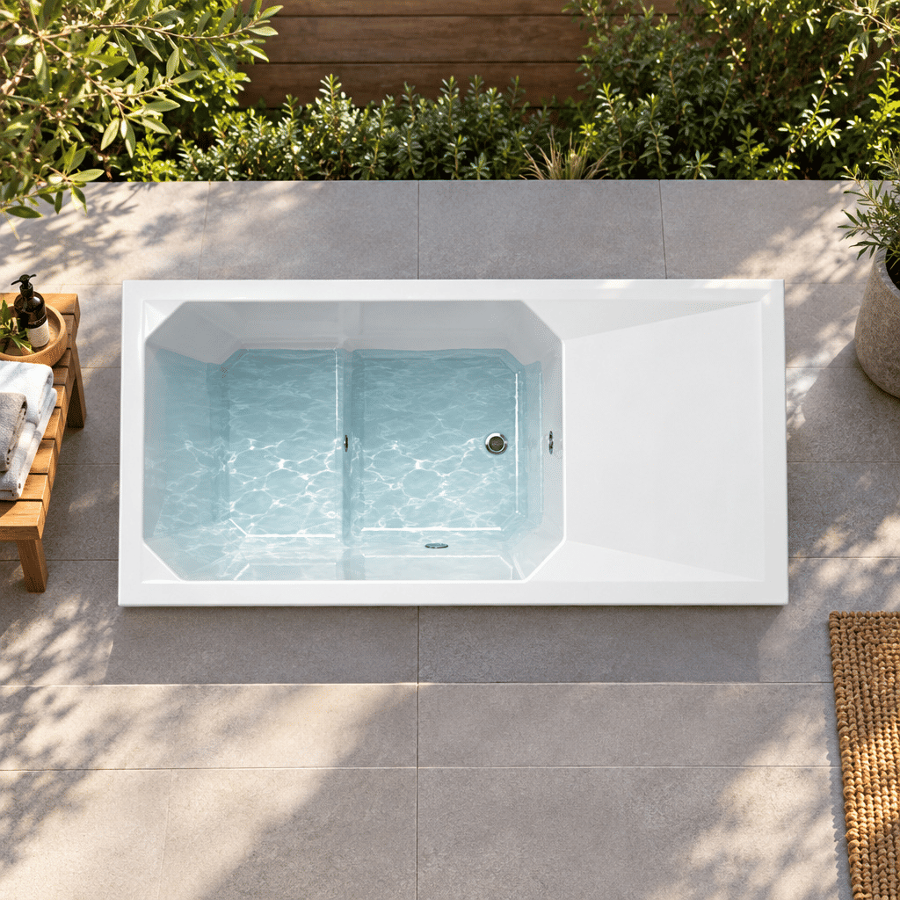
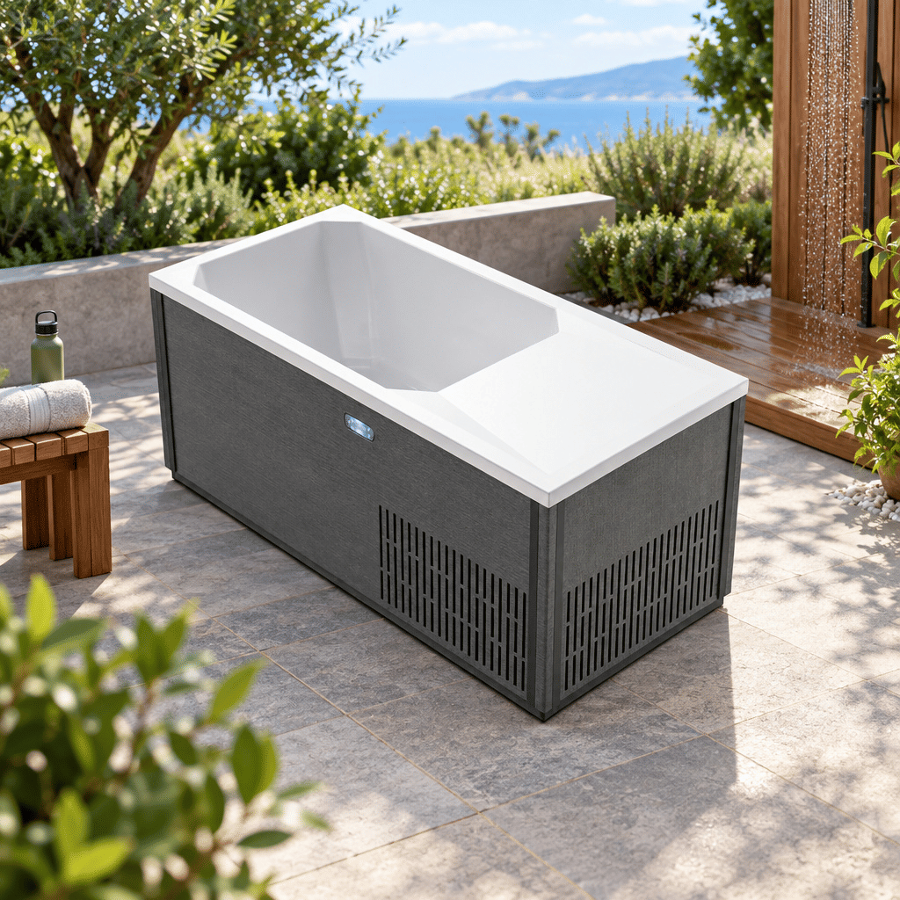
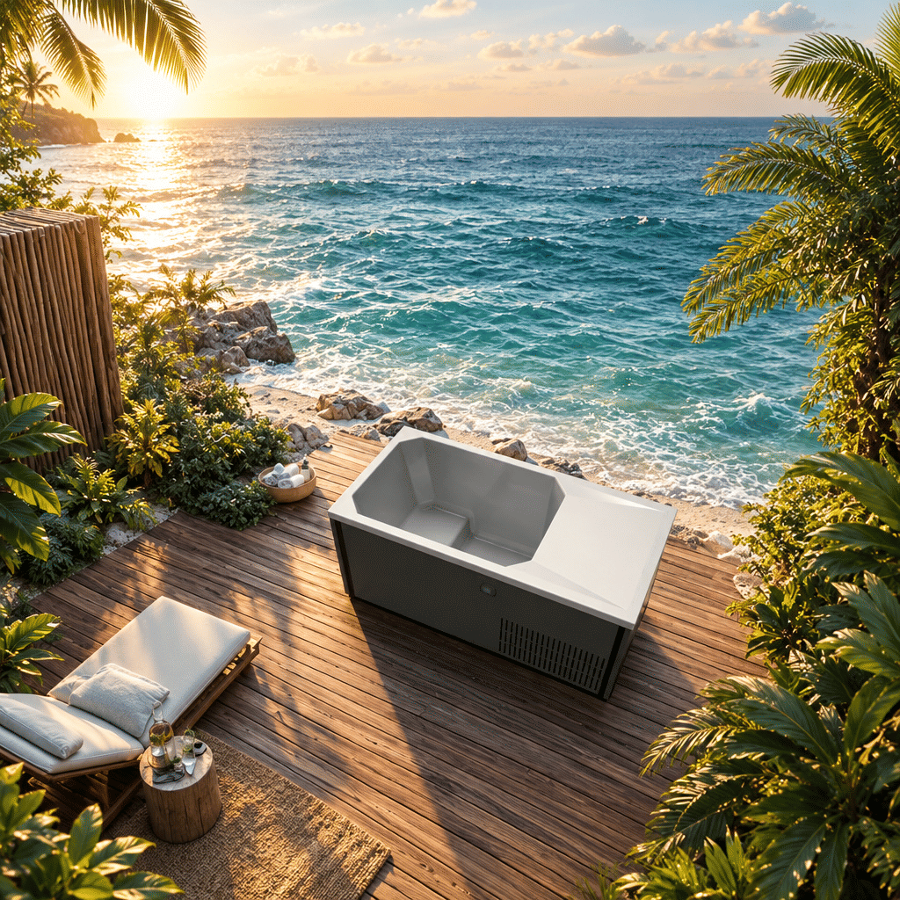
For individuals interested in cold-water immersion as a dedicated wellness experience, purpose-built equipment offers reliable temperature control and consistent conditions. The Outdoor Cold Plunge Tub C02 represents this category of equipment, designed specifically for dedicated immersion experiences.
Engineered for consistent cold-water immersion, the C02 model features a 320-liter water capacity within an ergonomic porcelain acrylic shell measuring 1695 mm by 830 mm by 850 mm. The system is powered by an integrated 900 W heat pump and a 54 W brushless circulation pump, drawing a total power supply of 0.954 kW to maintain steady water temperatures. Weighing 140 kg net, this durable unit includes an insulated cover and fits into backyard patios, professional training facilities, and wellness studios.
Dedicated cold plunge equipment offers reliable temperature control compared to household shower valves. Users should view such equipment as a tool for a distinct cold-water immersion experience rather than as a specialized hair or skincare system. If you are interested in cold immersion, follow the equipment’s operating and hygiene guidance carefully.
Scalp Health Cautions and Dermatological Considerations
While experimenting with comfortable water temperatures during regular showering is generally safe for most people, sudden cold-water immersion is a different practice with distinct risks. Sudden immersion in cold water can trigger cold-shock responses, including involuntary gasping, rapid breathing, and sharp increases in heart rate and blood pressure.
Individuals with underlying cardiovascular conditions, uncontrolled hypertension, or Raynaud’s phenomenon should seek medical advice before attempting full-body cold immersion. Rapid temperature shifts can trigger physiological responses that may not be safe for all people. From a dermatological standpoint, very hot water can irritate or inflame sensitive skin, while extreme cold may cause discomfort. If you have a medical condition or take medications that affect temperature regulation or cardiovascular function, consult your healthcare provider before making significant changes to your routine.
Freezing water cannot resolve underlying scalp pathologies on its own. While avoiding very hot water may reduce scalp discomfort, it will not cure active fungal infections, psoriasis, or severe seborrheic dermatitis. If you notice any of the following symptoms, consult a board-certified dermatologist for targeted medical treatment rather than relying solely on temperature changes:
Persistent redness or burning sensations that do not subside after your shower.
Thick, raised plaques that bleed when disturbed, which may indicate scalp psoriasis.
Distinct circular bald spots appearing suddenly, characteristic of autoimmune conditions like alopecia areata.
Tender pimple-like bumps around hair roots, pointing toward active bacterial or fungal infection.
Large clumps of hair falling out continuously for more than eight weeks following an acute illness or stress event.
Frequently Asked Questions (FAQs)
Are cold showers better for your hair than hot showers?
Cold showers are not inherently better for hair; the key is avoiding scalding temperatures. Very hot water can cause scalp irritation and discomfort, while comfortable, reasonably warm water works well for cleansing and conditioning. Whether you finish with a cool rinse is a matter of personal preference; any hair benefit from a cool final rinse remains unproven.
Does cold water close your scalp pores?
No, cold water does not physically close scalp pores or follicular openings. Human skin pores do not contain muscular structures capable of opening and closing in response to temperature. Cold water may create a temporary sensation of tightness via surface nerve endings, but it does not alter the physical structure of pores.
Can a cold shower stop excessive shedding or pattern baldness?
Cold showers cannot stop genetic pattern hair loss or reverse telogen effluvium. Hair thinning is driven primarily by genetics, hormonal factors, systemic nutritional status, and underlying cellular health. Water temperature does not alter follicle growth cycles or prevent shedding driven by these systemic factors.
How cold does the water need to be for a beneficial hair rinse?
There is no established temperature threshold for hair benefit. Choose a rinse temperature that feels comfortable to you. If you prefer a cool final rinse, any comfortable cool temperature is fine. The most important aspects of hair health are gentle handling, adequate conditioning, and regular cleansing—not specific temperature targets.
Will washing with cold water make fine hair appear thicker?
Cold water does not increase individual hair strand diameter or increase follicular density. However, gentle handling during washing and conditioning—regardless of water temperature—helps fine hair retain its natural texture and appearance. For optimal volume, cleanse your scalp thoroughly and condition your mid-lengths and ends with care.
Can I immerse my head in a cold plunge tub?
The equipment’s supplied information does not specify head immersion as an intended use. If you are interested in cold immersion, always follow the manufacturer’s operating and hygiene guidance carefully. Avoid sudden head immersion, especially if you have cardiovascular concerns or cold sensitivity, as rapid cold exposure can trigger breathing changes and increased heart rate. Your everyday hair health relies on balanced washing habits, quality conditioners, and gentle handling, not on cold-water immersion.
Conclusion: Finding the Right Temperature Balance for Healthy Hair
Are cold showers better for your hair? The clearest answer is that temperature is far less important than many popular guides suggest. Freezing water is not a magic solution for hair loss, split ends, or genetic thinning, and enduring uncomfortably cold showers is entirely unnecessary. At the same time, avoiding scalding hot water is sensible, as it can irritate your scalp and cause discomfort.
The most effective approach is a straightforward routine that prioritizes gentle handling and adequate cleansing. Wash your scalp thoroughly with comfortably warm water, condition your mid-lengths and ends generously, and choose a final rinse temperature that feels pleasant to you. Focus on consistent, gentle care with quality products rather than pursuing specific temperature targets. By designing your routine around your individual hair and scalp needs, you can maintain strong, healthy hair that looks and feels its best every day.
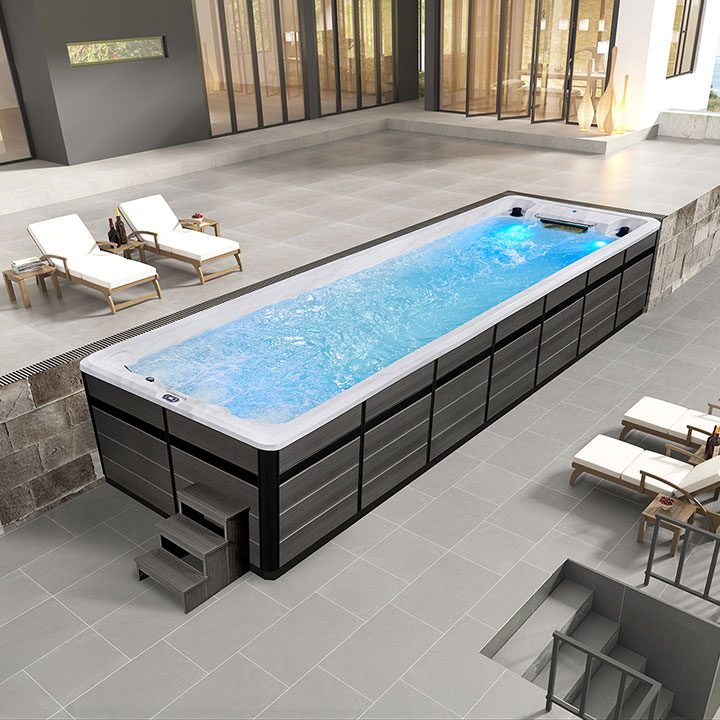
Victoria Star Swim Spa offers the perfect balance between exercise and relaxation, whether you want to swim for fitness or relax in the spacious seating.
Victoria Star Swim Spa offers the perfect balance between exercise and relaxation, whether you want to swim for fitness or relax in the spacious seating.