Arctic Cold Plunge: A Practical Guide to Benefits, Safety, and Choosing a Tub
Home / News / Arctic Cold Plunge: A Practical Guide to Benefits, Safety, and Choosing a Tub
November 04, 2026
Interest in extreme thermal wellness has grown rapidly, leading many buyers to search for an arctic cold plunge setup for their home or training space. Cold water immersion is no longer confined to professional training locker rooms or freezing winter lakes. People want convenient, controlled chill right on their patio or gym floor.
Yet the term arctic cold plunge can refer to a specific chilling setup, a general ice bath discipline, or simply an evocative product name. Navigating through dramatic marketing claims requires understanding the physiological reality, baseline safety parameters, and mechanical build specifications before committing to a purchase.
What Does Arctic Cold Plunge Mean?
Cold Plunge, Ice Bath, and Cold-Water Immersion
Athletic trainers and physiologists generally refer to cold exposure as cold-water immersion, often abbreviated as CWI. This describes the immersion of the body into water below ambient temperature, typically between 8°C and 15°C, to elicit sharp systemic responses. In consumer lifestyle circles, people use terms like ice bath and cold plunge interchangeably, though the underlying principles remain the same.
An ice bath traditionally relied on dumping bags of frozen ice into a standard galvanized stock tank or bathtub, creating inconsistent temperatures and labor-intensive prep work. Some modern plunge tubs use chillers or heat-pump systems to regulate water temperature, reducing the need to add ice manually. The process is identical in principle, but mechanical regulation delivers predictable exposure whenever you step inside.
Is Arctic a Product or a Description?
When you see the word arctic in connection with a plunge tub, it almost always serves as a descriptive term rather than an industry-wide technical classification. It signals that the system is built to sustain temperatures near freezing, evoking cold sub-polar waters. Certain brands adopt the word as a trade name, while others use it casually to highlight strong cooling performance.
You should treat the phrase as an indicator of target operating temperature rather than a standardized engineering certification. Looking past the arctic cold plunge label helps you focus on what actually determines water temperature: compressor displacement, insulation thickness, water volume, and ambient climate resistance.
What Cold-Water Immersion Can and Cannot Do
What Research Says About Exercise Recovery
Athletes frequently plunge into cold water directly after intense training to blunt fatigue and preserve short-term mobility. Evidence suggests cold-water immersion can reduce perceived delayed-onset muscle soreness compared with passive recovery, but this does not establish faster tissue repair or consistent improvements in other outcomes. Some research suggests that lowering tissue temperature and reducing localized swelling might contribute to temporary comfort, though the quality and scale of available studies vary and protocols differ widely across investigations.
Perceived soreness relief is a real subjective benefit for many users. However, objective functional markers, such as maximal voluntary muscle contraction, do not always rebound at the exact same pace as subjective comfort. Understanding this distinction helps you set realistic expectations for your recovery routine.
Why Circulation and Immunity Claims Need Nuance
Marketing copy frequently claims that cold plunges detoxify internal organs or multiply white blood cell counts overnight. Human cardiovascular physiology operates on clear hemodynamic principles rather than miraculous cleansing mechanisms. When your skin contacts freezing water, peripheral blood vessels constrict dramatically to protect core organs from hypothermia. Once you exit and warm up, reactive vasodilation occurs, flushing blood back into peripheral tissues.
Cold exposure causes temporary peripheral vasoconstriction and cardiovascular stress. It should not be presented as a treatment for poor circulation or cardiovascular disease. Similarly, while cold shock triggers a transient release of norepinephrine and cortisol, there is no verified clinical consensus that routine immersion permanently boosts baseline immunity. It stimulates an acute sympathetic stress response, nothing more.
When Cold Plunging May Not Fit Your Goal
Timing your cold session depends entirely on the specific physical adaptation you are trying to stimulate. If your training objective is maximal hypertrophy or explosive strength, routine cold immersion immediately post-workout can be counterproductive. Some studies suggest that repeated immediate post-resistance-training immersion may attenuate anabolic signaling and muscle-growth adaptations. The effect depends on the protocol and should not be presented as a universal result.
Collision or contact sports athletes may find cold immersion practical for managing extensive soft-tissue bruising and subjective soreness across tournaments. Bodybuilders and strength lifters, on the other hand, may find it unhelpful when applied directly after resistance workouts; scheduling plunges on dedicated rest days avoids interference with hypertrophic adaptations.
Cold-Plunge Safety Before Your First Session
Understand the Cold-Shock Response
Entering icy water creates an instantaneous physiological reaction known as the cold-shock response. The cutaneous cold receptors fire instantly, triggering an involuntary inspiratory gasp followed by rapid hyperventilation and tachycardia. If you inhale while submerged, you risk aspiration of water. In addition, the peripheral vasoconstriction spikes systemic vascular resistance, causing a steep surge in arterial blood pressure that places extra load on the heart.
Acclimating to this shock requires deliberate breathing control. Keep breathing controlled and exit if you cannot regain comfortable breathing; breathing techniques do not remove the cardiovascular risks of cold shock. Understanding this response before your first session can prevent panic and reduce the risk of dangerous respiratory or cardiovascular events.
Use a Conservative, Supported Routine
Approaching an arctic cold plunge demands humility and gradual adaptation rather than ego-driven endurance tests. Staying inside freezing water until your limbs go numb serves no physiological benefit and drastically elevates hypothermia risks. Beginners should start at a milder, more manageable temperature rather than aiming for extreme cold, and there is no universally optimal temperature since individual tolerance varies widely.
Do not pursue prolonged exposure as a goal or training target. Stop whenever discomfort becomes intolerable or you cannot maintain comfortable breathing. Extremities lose heat rapidly, so resting your palms above the water line can reduce painful cold sensations if needed. After exiting, dry off, put on warm clothing, and let your body generate its own metabolic heat naturally rather than jumping into a hot shower immediately.
When to Seek Medical Advice
Cold immersion is physically demanding and poses genuine dangers for individuals with hidden or diagnosed cardiovascular vulnerabilities. The rapid rise in blood pressure can aggravate underlying arterial disease. Consult a qualified physician before attempting cold plunging if you have any cardiovascular or circulatory conditions, other existing health concerns, or if you are uncertain whether cold immersion is appropriate for you. Never plunge alone or in a tub without an unobstructed exit route, and always prioritize safety over any perceived performance benefit.
How to Choose an Arctic Cold Plunge Tub
Cooling and Temperature-Control Equipment
The chiller is the mechanical heart of any cold plunge system. A tub that cannot pull down temperature efficiently in high summer heat quickly turns into an expensive, stagnant bath. Pay attention to rated heat pump or chiller capacity and the circulation pump mechanism. A brushless circulation pump running on low continuous wattage provides steady water flow across the heat exchanger without requiring high burst power.
Check whether the chiller includes dual heating and cooling functions. Reversible heat pumps give you the option to run hot soak routines during freezing winter seasons or maintain exact recovery temperatures year-round. This flexibility can extend the useful lifespan of your investment across different climates and user preferences.
Capacity, Dimensions, and Entry Design
Basin geometry dictates whether you can fully submerge your chest and shoulders without contorting your spine. Tall users require enough internal length and depth to recline with water reaching the clavicle. Water capacity influences both cooling time and structural weight, so when evaluating capacity, consider your body size, preferred immersion posture, and site constraints. A tub between 300 and 350 liters is one common range, but individual requirements vary.
Integrated internal seating steps provide substantial utility. They give you a structured transition zone to sit upright while acclimating before proceeding according to your personal tolerance and medical guidance. This staged approach reduces the shock of sudden full immersion and allows you to build confidence gradually.
Materials, Cabinet, Cover, and Controls
Cold tubs must withstand high moisture, temperature extremes, and UV exposure. Acrylic basins offer a non-porous, smooth surface that cleans easily without aggressive scrubbing. Exterior cabinetry should utilize weather-resistant composite paneling rather than untreated natural timber. Vented access panels are vital because refrigeration compressors produce waste heat that must exhaust freely to maintain efficiency.
Thermal covers are non-negotiable for outdoor installations. An insulated cover can help limit heat gain and debris, but the actual effect on temperature retention and operating time depends on weather, installation, and usage. Always confirm maintenance and cleaning protocols with the supplier to ensure longevity of both the basin and cabinetry materials.
Home, Gym, or Spa: Match the Tub to Its Setting
Operating demands differ widely between residential backyards and high-traffic commercial recovery studios. A private home setup needs low operational noise and simple plug-in controls. A commercial sports facility requires heavy filtration, durable cabinetry that can tolerate daily foot traffic without surface scuffing, and performance characteristics suited to frequent use. Ask vendors for specific cooling performance data if you need to serve multiple users in quick succession.
Residential backyards benefit from a compact footprint, low operating noise, integrated safety covers, and balanced energy consumption. Sports training facilities require robust internal steps, continuous water circulation, and clean digital interfaces. Commercial day spas prioritize elegant cabinet aesthetics, dependable non-slip acrylic basins, and straightforward sanitization cycles to meet health regulations and client expectations.
Outdoor Cold Plunge Tub C02: Specifications to Check
Published Product Specifications
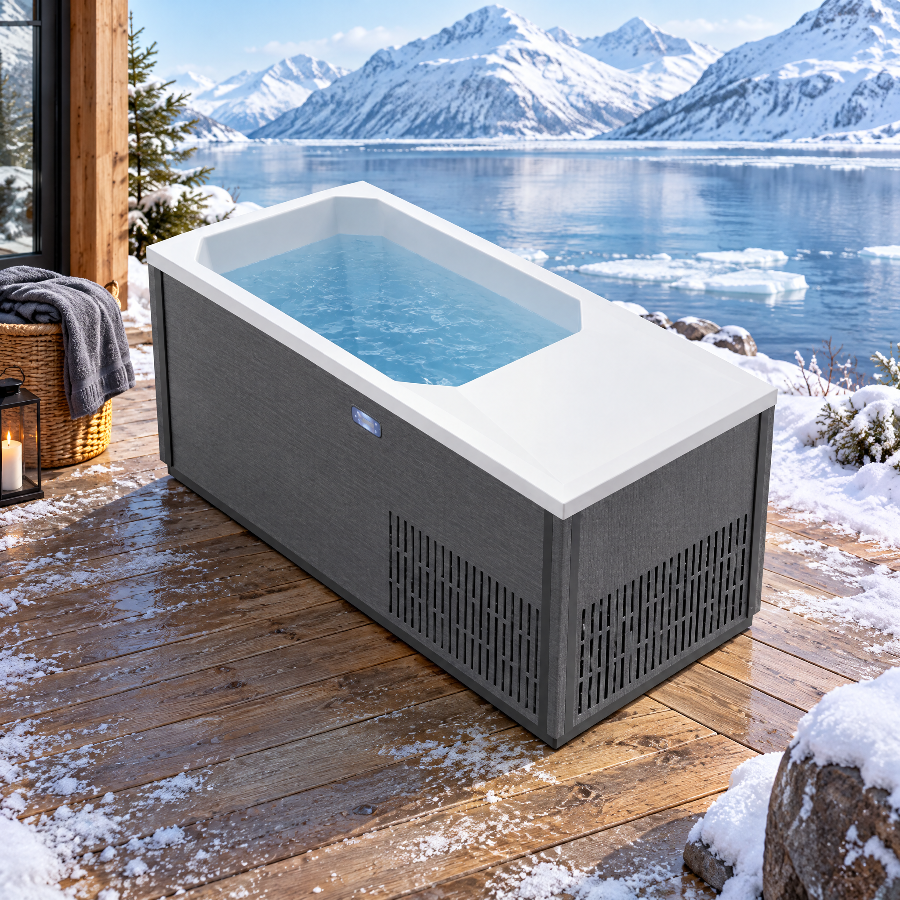
To see how these hardware criteria apply to real machinery, consider the Outdoor Cold Plunge Tub C02. Manufactured by Foshan Gaoming Shiyi Sanitary Ware Technology Co., Ltd. under its dedicated Victoria Star brand, this unit reflects what matters most for us in dedicated cold-therapy equipment: structural rigidity and practical maintenance balance. Confirm with the supplier whether the heat-pump and circulation components are fully integrated and whether any external connections are required.
Review the official manufacturer technical data below:
Specification Parameter
Manufacturer Value
Model Identifier
Outdoor Cold Plunge Tub C02
Metric Dimensions
1695 mm × 830 mm × 850 mm
Manufacturer-listed Imperial Dimensions
6′ × 33" × 34" (first value does not match metric specification—verify with supplier before ordering)
Total Water Capacity
320 Liters
Dry Net Weight
140 kg
Gross Shipping Weight
180 kg
Shell Construction
Porcelain Acrylic (White finish)
Cabinet Finishes
Platinum, Midnight composite panels
Primary Control System
Integrated Heat Pump Unit
Heat Pump Output Rating
900 W
Circulation Pump Type
54 W Brushless Pump
Total System Power Rating
0.954 kW
Included Insulation
1 PC Fitted Insulated Thermal Cover
Design Details and Listed Use Settings
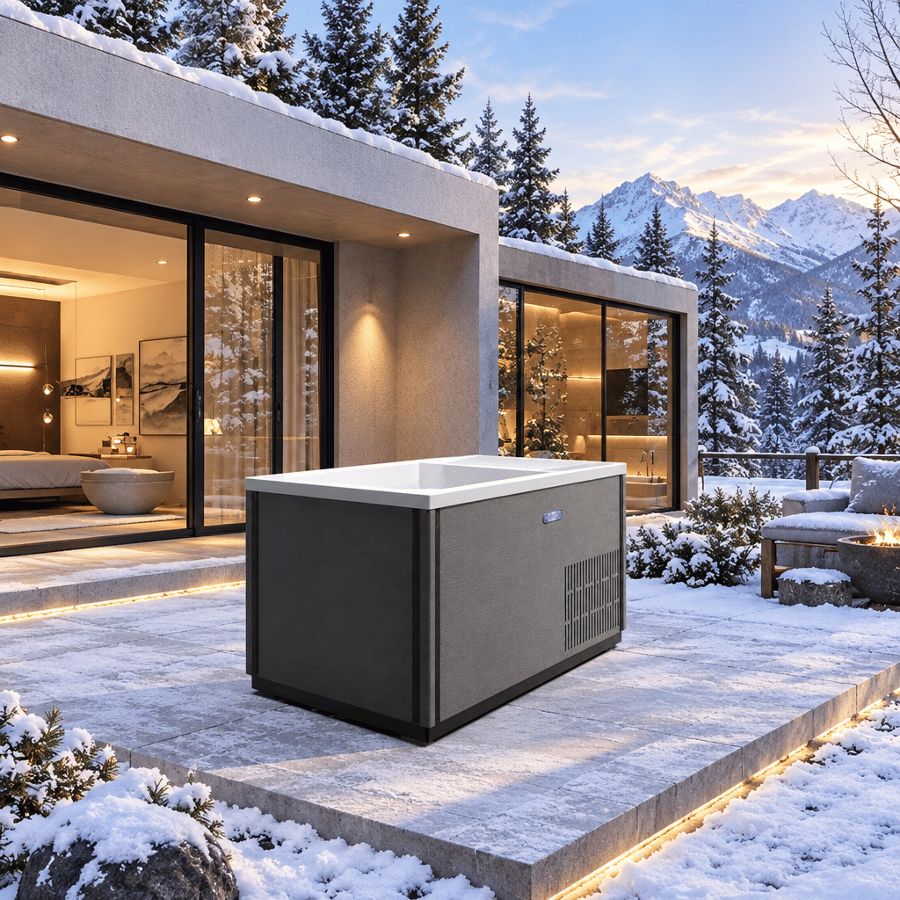
The C02 uses a porcelain white acrylic shell that provides a crisp, sanitary aesthetic while simplifying wipe-down maintenance. The cabinet is available in Platinum or Midnight and uses vented composite panels. These grilles allow the 900 W heat pump system to discharge heat without suffocating the internal compressor, ensuring consistent performance across extended operating periods.
The internal mold features an ergonomic integrated step. This allows users to sit partially immersed while acclimating. Only proceed to deeper immersion according to your personal tolerance and medical advice. Always confirm the basin configuration and intended usage depth with the supplier before ordering to ensure it matches your body dimensions and recovery goals.
Questions to Ask the Seller
When evaluating a manufactured tub like the C02, you should always clarify technical operational parameters directly with the vendor before placing an order. Published spec sheets rarely state performance limits under harsh conditions. First, verify the dimension discrepancy between the listed metric measurements (1695 × 830 × 850 mm) and manufacturer-listed imperial approximations (6′ × 33" × 34"), ensuring adequate fit for your site pad.
Second, request confirmation on the lowest achievable water temperature under high summer ambient conditions, cooling pull-down time between uses, and whether the heat pump features automatic defrost modes for sub-zero winter operation. If you plan to use the tub in a multi-user commercial setting, ask for data on temperature recovery performance to confirm suitability. Also inquire about energy consumption under continuous operation to help you estimate ongoing ownership costs accurately.
Installation and Ongoing Care
Check the Site and Electrical Requirements
Never place a filled cold plunge tub on an unverified elevated wooden deck. Water is heavy, and calculating static load requirements is essential before delivery day. 320 L of water weighs approximately 320 kg. Adding the 140 kg dry weight gives about 460 kg before an occupant; with an 80 kg occupant, the example would be about 540 kg. The actual load also depends on accessories and supporting structure, so have a qualified structural professional verify that your site can safely support the anticipated load.
Work with a local qualified contractor or structural professional to determine the appropriate foundation design based on site conditions and applicable building codes. Connect the tub to a dedicated, moisture-rated outdoor circuit protected by a residual current device (RCD) or ground-fault circuit interrupter (GFCI). Follow the manufacturer’s installation manual to confirm required clearance around cabinet louvers and access panels. Plan drainage in accordance with local wastewater and environmental rules; use an approved drain or disposal method rather than directing treated water to uncontrolled garden runoff.
Plan Water Hygiene and Routine Maintenance
Cold water slows bacterial reproduction, but it does not sterilize the basin. Sweat, body oils, and environmental dust build up quickly in standing water if chemical hygiene is ignored. Confirm filtration maintenance procedures directly with the supplier. Ask whether the C02 uses replaceable cartridge filters, what material and micron rating they employ, and how frequently inspection and replacement are required.
Follow the manufacturer’s water-care instructions and local public-health requirements; confirm approved sanitizer types, concentrations, testing, and water-change procedures with the supplier. Never assume that cold water alone will keep the basin sanitary, and always test water chemistry regularly to prevent skin irritation or microbial growth.
Prepare for Seasonal Outdoor Use
Outdoor tubs face brutal freezing conditions in winter and blistering sunlight in summer. Protecting your equipment requires distinct seasonal strategies. Before operating the tub in freezing winter climates, verify the minimum operating ambient temperature from the manufacturer and confirm whether the heat pump and plumbing can operate safely below freezing. Ask for guidance on winterization procedures, including draining, blowing out lines, and securing the insulated cover if you plan to close the tub for the season.
In peak summer, shade the cabinet from intense direct UV rays when possible. Direct afternoon sun increases thermal load, forcing the cooling compressor to cycle longer to sustain crisp, low temperatures. Planning seasonal maintenance well in advance ensures your tub remains operational and efficient across the full calendar year.
A Simple Decision Checklist
Choose by Goal
Your personal health or athletic goals should dictate the type of cold immersion hardware you acquire. Do not buy a high-capacity commercial chiller if you only intend to plunge twice a month. If you prioritize daily morning mental alertness and mild metabolic conditioning, an entry-level tub operating at moderate cold temperatures will deliver those sensory benefits without requiring industrial cooling power.
If you are managing an athletic training facility handling multiple users, request vendor data on temperature recovery time and continuous-use capacity to ensure the equipment matches your operational demands. Matching the equipment specification to your actual usage pattern prevents overspending on features you will never use and ensures reliable performance when you need it most.
Choose by Site and Ownership Costs
Examine your real physical footprint before falling in love with a tub design. Measure exterior doorways, patio gates, and turns along garden paths to ensure the unit can be delivered intact. Factor ongoing electricity expenses into your monthly wellness budget; request actual energy consumption data from the supplier based on operating temperature and ambient conditions to estimate costs using your local utility rates.
Budget for periodic filter replacements, water balancing test kits, and cover care protectants. Keeping running costs predictable ensures you will continue using the tub for years. Ownership costs extend beyond the initial purchase price, so plan your total budget carefully to avoid unpleasant surprises after installation.
Compare Verified Specs, Not Unproven Claims
Strip away dramatic health promises and evaluate plunge tubs purely on their mechanical build, warranty terms, and material durability. Quality manufacturing is evident in tangible components. Look for dedicated wattage specifications for compressor and pump rather than generic claims of high-speed cooling. Confirm the shell material and compare warranty coverage for structural cabinet, acrylic shell, and refrigeration components independently.
Ensure cabinet panels can be removed without disassembling the entire frame when maintenance is required. Access to internal components for routine service or repair can save substantial time and cost over the lifespan of the equipment. Always base your purchasing decision on verifiable specifications and supplier documentation rather than marketing language.
Frequently Asked Questions
Is Arctic Cold Plunge a Specific Brand?
No single manufacturer holds an exclusive, universally recognized claim to the term arctic cold plunge across the wellness industry. It is widely applied by consumers and equipment sellers as a descriptive term for tubs that maintain near-freezing temperatures. While some equipment lines adopt the phrase as a brand name, you should always treat it as a general functional description rather than an indicator of proprietary technology.
Look at actual cooling components, water volume, and shell materials rather than assuming special features based solely on the name. Verify each manufacturer’s specifications independently to ensure the equipment meets your temperature and capacity requirements.
What Temperature Should a Cold Plunge Be?
Most athletic protocols and published recovery studies observe responses between 8°C and 15°C. There is no universally optimal temperature; individual tolerance and health status vary widely. Beginners should start at milder temperatures and proceed cautiously based on personal comfort and medical advice rather than following rigid prescriptions.
Lowering temperatures toward extreme cold increases the risk of cold injuries and cardiovascular stress. Consult a healthcare professional before experimenting with very low temperatures, and never treat colder water as inherently more effective for recovery.
Does Cold-Water Immersion Reduce Muscle Soreness?
Cold-water immersion may reduce perceived muscle soreness and temporary exhaustion following high-intensity training for some individuals. However, evidence quality varies, and mechanisms remain uncertain. Cold therapy does not fundamentally accelerate cellular muscle protein repair, so if your primary goal is building muscle size, avoid plunging immediately after weightlifting sessions to protect your body’s natural hypertrophic adaptations.
Understanding the difference between subjective comfort and objective tissue repair helps you time your cold exposure appropriately based on your training phase and recovery priorities.
Is the C02 Tub Chilled by a 900 W Heat Pump?
According to official manufacturer documentation, the Outdoor Cold Plunge Tub C02 is driven by an integrated 900 W heat pump system paired with a 54 W brushless circulation pump. This setup provides active temperature regulation with a nominal 0.954 kW power draw. Because actual cooling performance is affected by ambient heat and direct sunlight, buyers should verify specific pull-down rates and lowest reachable temperatures directly with the manufacturer before ordering.
Request performance data for the specific climate and operating conditions you expect to encounter to ensure the equipment can deliver the temperature range you require.
What Should Buyers Confirm Before Ordering an Outdoor Tub?
Always confirm exterior dimensions, structural weight limits, and dedicated electrical circuit requirements with the supplier. In the case of the C02 tub, ask for clarification regarding the metric (1695 × 830 × 850 mm) and manufacturer-listed imperial (6′ × 33" × 34") dimensions to ensure accurate site planning.
You should also ask about filtration system specifications, filter replacement availability, warranty periods for the heat pump compressor, minimum and maximum operating ambient temperatures, and recommended water sanitizing chemicals that are safe for porcelain acrylic shells. Gathering this information before purchase prevents compatibility issues and ensures long-term serviceability.
Conclusion
Adopting cold therapy requires balancing physiological realities against practical hardware demands. An arctic cold plunge tub offers convenience for athletic recovery, physical conditioning, and mental resilience, provided you respect your body’s cardiovascular limits and select durable, serviceable hardware that matches your usage pattern.
Whether you set up a private outdoor cold plunge tub on your patio or install dedicated chillers in an athletic training studio, prioritize verified build specifications over exaggerated wellness slogans. Inspect the shell construction, verify heat pump output, confirm structural site requirements with qualified professionals, and begin your arctic cold plunge routine with conservative, controlled sessions tailored to your individual tolerance and health status.
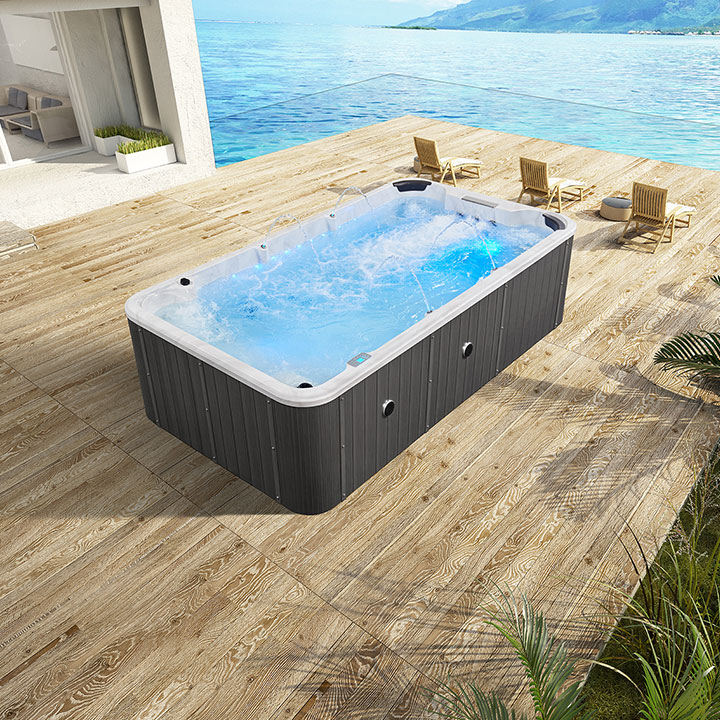
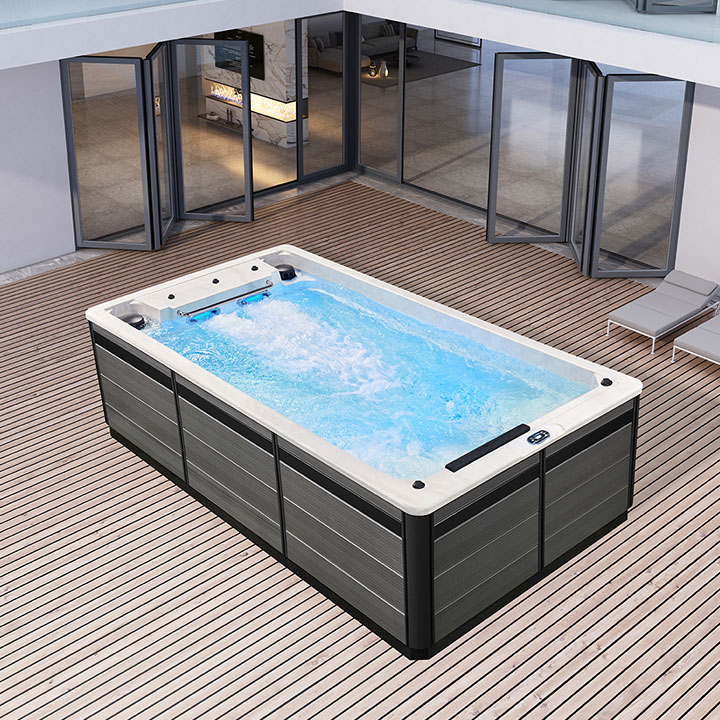
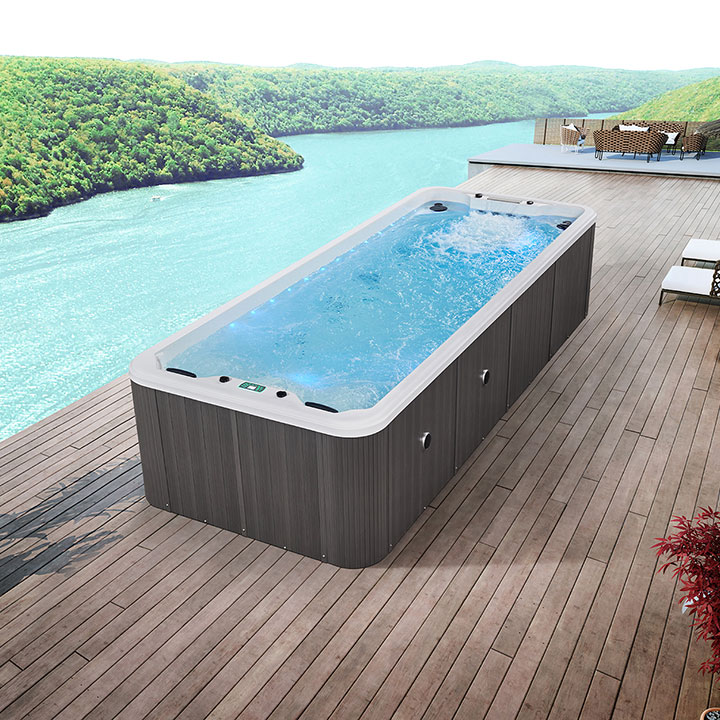
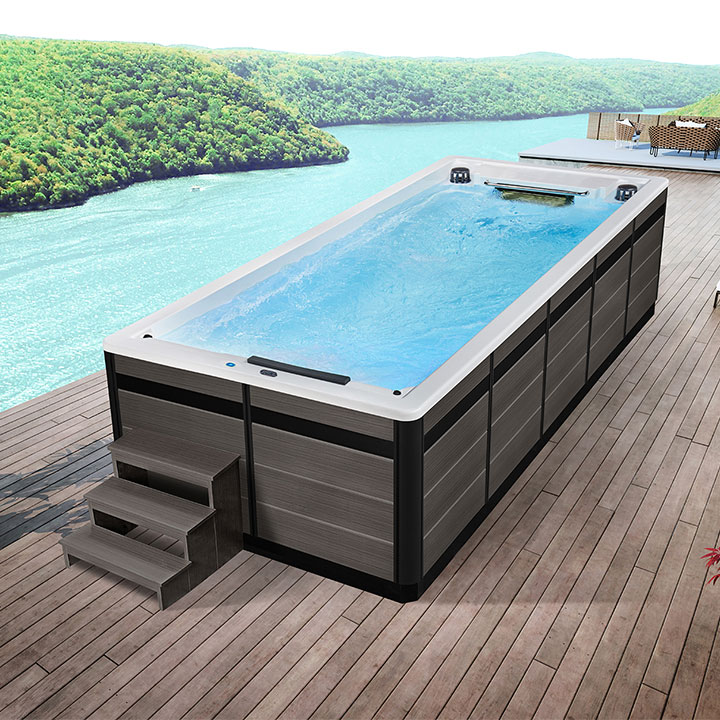
Victoria Star Swim Spa offers the perfect balance between exercise and relaxation, whether you want to swim for fitness or relax in the spacious seating.
Victoria Star Swim Spa offers the perfect balance between exercise and relaxation, whether you want to swim for fitness or relax in the spacious seating.