Acrylic Hot Tub Buying Guide: Materials, Size, Care, and Installation
Home / News / Acrylic Hot Tub Buying Guide: Materials, Size, Care, and Installation
November 02, 2026
Investing in an acrylic hot tub requires looking beyond polished showroom photos to evaluate engineering, plumbing geometry, and structural site readiness. Modern residential acrylic hot tubs serve as long-term home installations that balance therapeutic hydrotherapy with rigorous electrical, foundational, and sanitation demands. Selecting the right model means understanding how a thermoformed acrylic spa shell behaves under constant hydrostatic pressure. It also involves knowing how different plumbing systems deliver water pressure to targeted muscle groups. This comprehensive buyer’s guide breaks down shell materials, physical footprint planning, mechanical equipment, water chemistry protocols, and ongoing maintenance practices to help you select the ideal spa for your property.
What Is an Acrylic Hot Tub?
Understanding the Acrylic Shell Construction
An acrylic hot tub features a rigid basin formed by heating a cast sheet of polymethyl methacrylate until pliable, then vacuum-forming it over a precision architectural mold. Because thermoformed acrylic alone cannot withstand hundreds of gallons of churning water, manufacturers reinforce the underside using sprayed chopped fiberglass rovings, structural resin matrices, or dense polyurethane backing layers. This lamination process creates a durable, non-porous surface that resists common waterborne minerals and cosmetic weathering. The acrylic surface is non-porous, but shell durability and delamination resistance also depend on the backing, bonding, and manufacturing quality.
What the Acrylic Label Tells You—and What It Does Not
The presence of an acrylic surface indicates an impermeable, easily wiped interior finish, yet this label alone does not disclose the total structural thickness beneath the glaze. Standard market offerings vary dramatically between basic single-sheet vacuums reinforced with minimal resin and heavy multi-layered structural shells designed to resist thermal shock. Buyers should remember that material terminology does not confirm insulation R-values, framing integrity, or long-term structural warranties. Evaluating a spa solely by its glossy surface overlooks the mechanical plumbing and subframe engineering that ultimately determine the lifespan of the appliance.
Why Comprehensive Specifications Matter More Than Material Alone
Evaluating a spa requires looking beneath the shell perimeter into the cabinet interior, where pumps, manifolds, and heating elements operate under substantial daily loads. A heavy-duty shell paired with an undersized circulation pump or a poorly engineered manifold quickly causes frustrating flow bottlenecks. Plumbing geometry, thermal perimeter insulation, and structural foundation frames dictate real-world operating efficiency far more than surface luster. Demanding a comprehensive technical specification sheet ensures that you match the mechanical demands of the spa with your household electrical supply and physical living space.
How to Choose an Acrylic Hot Tub for Your Space
Measuring Clearance, Structural Load, and Delivery Paths
Evaluating a prospective hot tub site begins with strict physical measurements that calculate dry delivery weight against operating wet weight. Water weighs approximately 8.34 pounds per gallon; the total load depends on the model’s water capacity, dry shell weight, and occupant weight. Request the filled weight from the manufacturer before finalizing your site assessment. Delivery routing frequently presents unexpected installation hurdles that catch homeowners off guard on delivery day. Measuring gate clearances, roof overhangs, gas meter offsets, and vertical turning radiuses along the pathway from the curb to the foundation prevents costly crane deployments or dropped deliveries.
Foundation load limits: Obtain the model’s filled weight and footprint from the manufacturer, then have a qualified professional assess whether your concrete slab or reinforced decking can safely support that concentrated load.
Perimeter service clearance: Follow the model’s installation manual to leave the required clearance around mechanical equipment access panels to simplify routine maintenance.
Delivery pathway boundaries: Confirm that exterior gates, stairs, and low gutter systems provide continuous clearance matched to the hot tub’s standing height and depth.
Seat Architecture: Ergonomic Loungers vs. Upright Seating
Seating arrangements dictate how bathers interact within the warm water environment. Full-body ergonomic loungers recline the bather horizontally to support spinal curvature and float lower extremities, which may provide a comfortable reclined position for relaxation. Open upright bucket seats take up less horizontal footprint and make it easier to hold conversations with other bathers. Choosing between these geometries requires weighing personal therapeutic needs against the social dynamic of your household, especially when dealing with limited deck or courtyard space.
Evaluating Hydrotherapy Jets by Flow and Placement
Inflated jet counts often serve as a misleading marketing tactic that distracts buyers from core hydrodynamic engineering. Fifty small pinhole jets powered by a single weak pump produce an uncomfortable needle-like spray rather than deep, muscle-relaxing hydrotherapy massage. Jet placement and plumbing balance influence how comfortably water reaches the back and shoulder areas. Check the model-specific jet layout rather than relying on jet count alone.
Control Systems, Keypads, and Feature Integration
Digital spa controllers coordinate heating cycles, automated filtration purges, and pump operational modes behind the scenes. Modern smart keypads provide straightforward water temperature readouts alongside manual buttons for light scenes, jet speeds, and programmed economy modes. While optional conveniences like integrated Bluetooth audio surround systems and chromatherapy LED lighting enhance evening relaxation, the core focus should remain on system reliability. An intuitive, water-sealed keypad allows bathers to adjust mechanical functions without standing up or handling exposed electrical components.
Technical Specifications: A Practical Comparison Framework
Standardizing the Spec Sheet Evaluation
Navigating manufacturer specification sheets requires comparing mechanical outputs against physical dimensions using standardized parameters. Checking pump horsepower ratings alongside dedicated heater wattage clarifies how efficiently a unit brings cold water up to comfortable soaking temperatures.
Check the cabinet dimensions and interior seating layout to confirm personal legroom and spatial fit.
Verify the heater kilowatt rating and pump horsepower to gauge electrical demand and heating performance.
Review the included water purification technologies, balancing mechanical filtration cartridges against secondary oxidation hardware.
Confirm structural cabinet materials to ensure the spa can endure year-round sun, rain, and temperature fluctuations without warping.
Case Study: Victoria Star VS-201C Technical Specifications
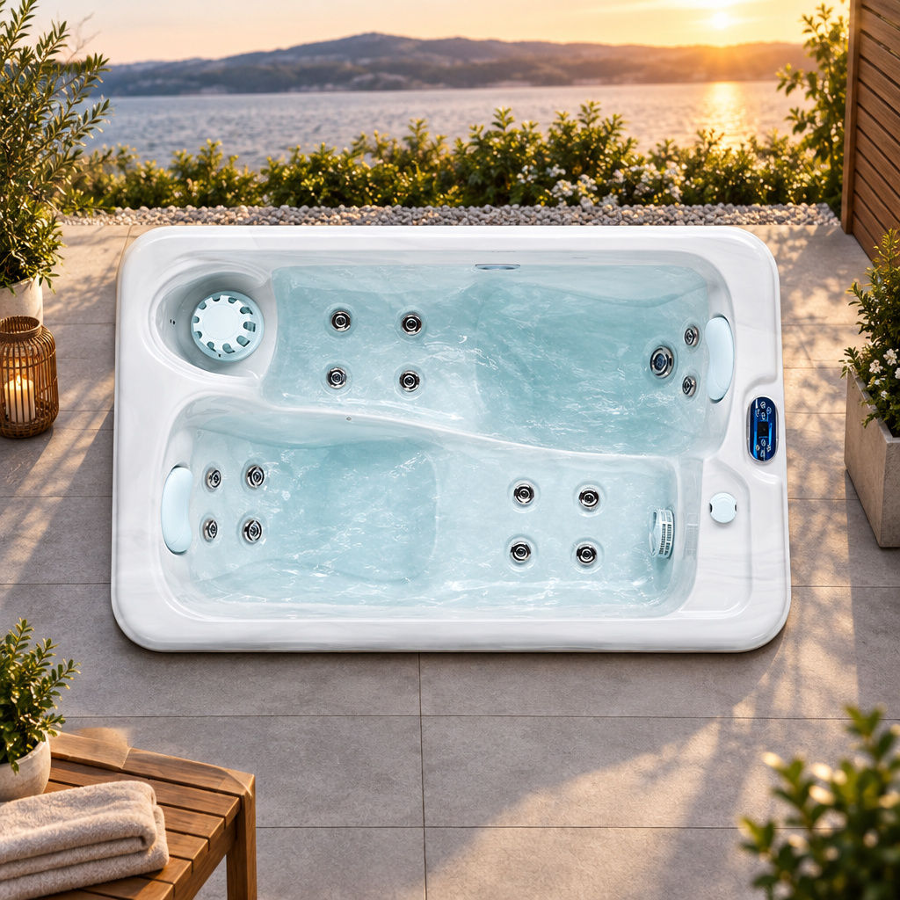
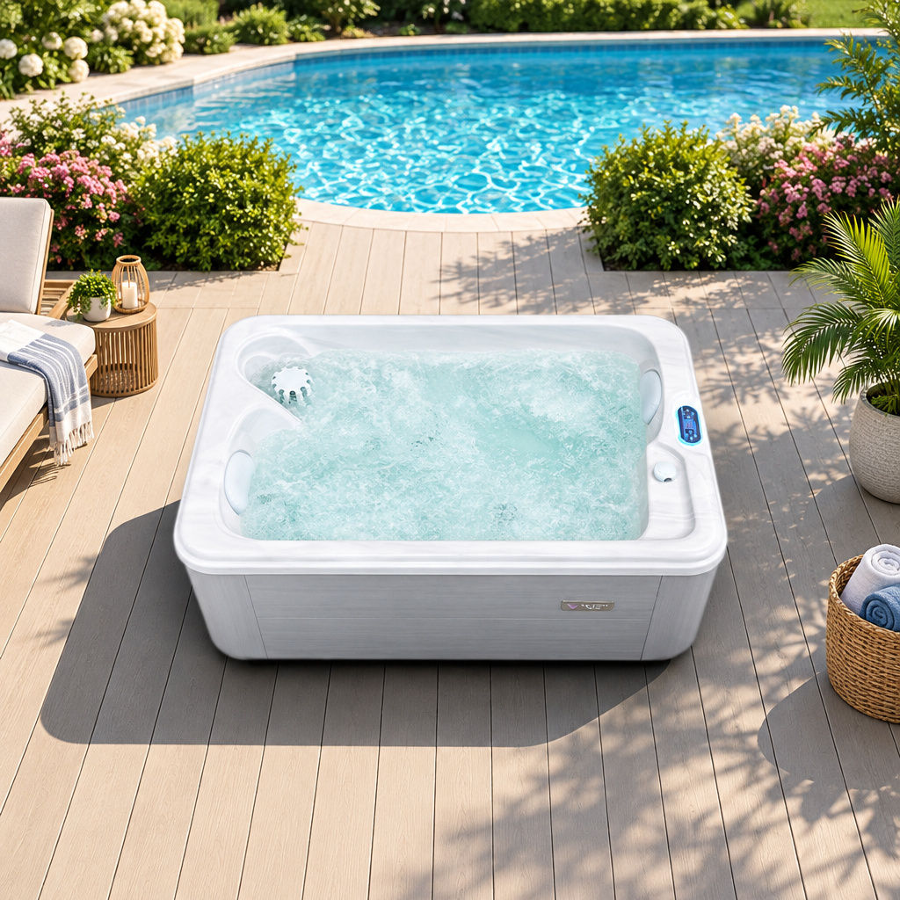
Examining specific real-world models demonstrates how manufacturers package mechanical hardware within compact profiles. The Victoria Star VS-201C provides a concrete look at how two-person dual-lounger engineering fits into a smaller rectangular footprint.
Specification Category
Victoria Star VS-201C Parameter
Product Model & Series
VS-201C (Comfort Series)
Metric Dimensions
1750 × 1150 × 750 mm
Imperial Dimensions (Manufacturer Listed)
6′ × 45″ × 30″
Seating Configuration
2 Persons (Dual Ergonomic Loungers)
Hydrotherapy Jet Count
15 Targeted Back & Body Massage Jets
Control System
KL2022 Digital Smart Keypad
Heater Output
1 × 3 kW Heating Unit
Primary Water Pump
1 × 2 HP Massage Pump
Circulation Pump
1 × 0.35 HP Filtration Pump
Total Rated Power Supply
4.5 kW Electrical Service
Cabinet Construction
Aluminum-Plastic Weather-Resistant Skirt
Available Finishes
Porcelain Acrylic Shell; Platinum or Midnight Cabinet Skirt
For us at Victoria Star, manufactured by Foshan Gaoming Shiyi Sanitary Ware Technology Co., Ltd., balancing compact spatial profiles with dedicated hydrotherapy components reflects deliberate production planning across mold fabrication and structural assembly.
Critical Information to Confirm Prior to Purchase
Published technical sheets provide an initial overview, but buyers must verify unlisted operational metrics before finalizing an order. Water capacity, dry shell weight, and filled operating mass vary across manufacturing batches and directly influence site foundation requirements. Always ask the manufacturer or dealership to confirm the exact circuit breaker requirements, filled wet weight, and warranty coverage terms for the internal plumbing and acrylic shell. Gathering these details in writing protects your investment and ensures safe, code-compliant residential installation.
Site Planning and Electrical Installation
Sub-Base Engineering and Service Clearance
An acrylic hot tub demands a flat, solid, and uniformly level foundation to reduce risks associated with uneven support over years of use. Placing a filled hot tub on loose dirt, uneven patio stones, or unreinforced gravel creates shifting pressure points that can stress the acrylic rim. Consult your spa manufacturer’s installation manual for the recommended foundation type. A steel-reinforced poured concrete slab is a common option for ground installations where site conditions and the manufacturer’s specifications allow it. If you plan to install the spa on a raised deck, have a qualified contractor or licensed structural engineer assess whether the framing can carry the heavy concentrated load.
Foundation uniformity: Pour a flat, level concrete pad engineered to eliminate structural flex across the acrylic shell.
Surface water diversion: Grade surrounding soil away from the base to keep rainwater from collecting around internal pumps.
Access panel clearance: Leave unobstructed space around the cabinet skirt so technicians can easily access the control pack and plumbing unions.
Electrical Supply, Amperage, and Safety Wiring
The VS-201C is listed with a 4.5 kW power supply; consult the manufacturer’s electrical specifications and a licensed electrician for the required dedicated circuit, breaker sizing, protective devices, and wiring method. Electrical safety standards mandate connecting the hot tub through an external Ground Fault Circuit Interrupter (GFCI) disconnect switch. Follow the locally adopted electrical code and the spa’s installation manual for GFCI protection and disconnect location. Where the applicable code requires it, the disconnecting means must be within sight and at least five feet horizontally from the tub’s inside wall. All electrical connections must be handled by a certified, licensed electrician who understands local building codes and wire sizing guidelines. Never attempt to power a hardwired acrylic spa using standard extension cords or shared household circuits.
Building Codes, Balcony Constraints, and Permitting
Urban installations on condominium terraces, rooftop decks, or apartment balconies face strict municipal regulations and engineering limitations. Elevated installations require formal approval from a structural engineer to prove the deck can safely support the static weight of the water and dynamic weight of bathers. Local zoning laws often dictate boundary setbacks, safety fences, and lockable safety covers to prevent unsupervised access by children. Securing the necessary permits and approvals from your local building department and HOA protects your home’s value and prevents costly fines.
Water Care and Maintenance for Acrylic Spas
Multi-Stage Sanitation: Filtration, Ozone, and UV
Keeping hot tub water clear and clean requires combining mechanical filtration with active sanitizer systems. Mechanical filtration helps remove suspended debris before water returns through the system; filter type and replacement interval should be confirmed in the manufacturer’s manual. According to the supplied product description, ozone oxidation and UV treatment provide additional sanitation stages; they should not be treated as substitutes for the required primary sanitizer.
Testing and Balancing Primary Sanitizer and pH
Secondary sanitation hardware greatly reduces chemical demand, but it cannot fully replace EPA-registered primary sanitizers. According to public health guidance from the Centers for Disease Control and Prevention (CDC), residential spas must maintain a continuous free chlorine residual of at least 3 ppm or a bromine residual of at least 4 ppm. Water pH must be tested and balanced regularly during use, maintaining a range between 7.0 and 7.8. High pH can reduce chlorine effectiveness, while scale risk also depends on calcium hardness, alkalinity, temperature, and water balance.
Daily water testing: Measure free sanitizer, total alkalinity, and pH levels using reliable liquid test kits or clean test strips.
Primary sanitizer maintenance: Maintain at least 3 ppm free chlorine or 4 ppm bromine to help control germs and reduce contamination risk.
Water temperature management: Keep operational heating levels at or below 104°F (40°C) in accordance with established public health and safety standards.
Shell Care and Seasonal Cleaning Protocols
Caring for a smooth acrylic shell requires gentle cleaning routines that protect the surface glaze. Abrasive powders and stiff brushes can scratch the surface, while unsuitable or concentrated bleach products may damage or discolor the finish. Use soft microfiber cloths and specialized pH-neutral spa surface cleaners to wipe down the exposed waterline during weekly filter maintenance. Replace water at the interval specified by the manufacturer, adjusting for use and water quality, and clean and maintain filters according to the manual.
Is a Compact Two-Person Hot Tub Right for You?
Urban Balconies, Private Courtyards, and Compact Patios
Compact two-person rectangular hot tubs unlock private hydrotherapy for homeowners who lack sprawling suburban backyards. A spa measuring 1750 × 1150 mm fits neatly onto narrow stone patios, courtyard garden corners, and permitted balcony spaces. Its compact footprint leaves plenty of room on the patio for outdoor seating, dining tables, and walking paths. For smaller modern townhomes, choosing an efficient rectangular layout provides genuine hot tub relaxation without crowding the outdoor living area.
Weighing Two-Lounger Geometry Against Multi-User Entertaining
Choosing a compact spa requires an honest assessment of how you plan to use it from week to week. A dual-lounger hot tub is built specifically for intimate, quiet recovery, giving two bathers dedicated reclining space without overlapping legs or feet. If you regularly host backyard parties with extended family, friends, or neighbors, a two-person spa will quickly feel limiting. In that case, an open-seating five-person or seven-person spa makes far more sense than an intimate two-lounger unit.
Balancing Running Costs, Heating Efficiency, and Thermal Mass
A smaller water volume may require less energy to heat under otherwise comparable conditions; actual energy use depends on insulation, cover, temperature, climate, and use. Models with well-insulated cabinet skirting and snug-fitting thermal covers trap heat inside the cabinet, keeping warmth from escaping into cool night air. For busy homeowners seeking personal hydrotherapy with manageable maintenance and electric bills, a compact two-person spa offers an attractive, balanced solution.
Frequently Asked Questions
What should I look for when inspecting an acrylic hot tub shell?
Examine the shell surface under direct light to confirm consistent color, smooth contours, and a rich, glass-like gloss free from orange-peel textures. Run your hand along the seating curves and footwell corners to make sure the composite backing feels completely rigid and solid beneath your weight. Ask the seller for clear documentation regarding their shell manufacturing process and surface warranty terms. Reputable manufacturers provide explicit warranty coverage against structural cracking, blistering, and surface delamination.
Does a hot tub with ozone and UV still require chlorine or bromine?
Yes, an acrylic hot tub equipped with ozone oxidation and UV sanitation hardware still requires an active EPA-registered primary sanitizer like chlorine or bromine. Ozone and UV systems neutralize contaminants as water circulates through internal equipment chambers, but they leave no lasting sanitizer in the main tub. Maintaining the CDC-recommended residual of 3 ppm free chlorine or 4 ppm bromine helps control germs and reduce contamination risk on the shell surface between pump cycles.
Can an acrylic hot tub be installed on an apartment balcony?
A filled hot tub can impose a substantial concentrated load on a balcony. Obtain the model’s filled weight and arrange a site-specific structural assessment before considering installation. Elevated installations require formal approval from a structural engineer to prove the deck can safely support the static weight of the water and dynamic weight of bathers. You must also obtain written permission from building management and verify proper drainage paths for maintenance water changes.
How does pump horsepower correlate with hydrotherapy performance?
Pump horsepower ratings and jet count alone do not establish massage performance. Massage intensity depends heavily on balanced plumbing layout, manifold sizing, jet placement, and the number of active jet orifices sharing that water flow. Assess jet placement and obtain model-specific performance information from the manufacturer.
What are the verified specifications of the Victoria Star VS-201C?
The published technical specifications for the Victoria Star VS-201C verify that it is a 2-person rectangular hot tub measuring 1750 × 1150 × 750 mm. The spa features two ergonomic loungers, 15 targeted massage jets, a KL2022 digital smart keypad, a 3 kW heater, a 2 HP water pump, and a 0.35 HP circulation pump. The system runs on a 4.5 kW power supply, features an aluminum-plastic exterior cabinet skirt, and is available with a porcelain acrylic shell paired with a platinum or midnight cabinet. Operating water capacity and filled weights should be confirmed directly with the manufacturer based on your installation site.
Conclusion
Investing in an acrylic hot tub requires balancing shell construction, hydraulic efficiency, structural foundation engineering, and consistent water chemistry. Prioritizing verified technical specifications over inflated marketing claims ensures that your chosen spa delivers reliable hydrotherapy tailored to your lifestyle. Whether installing an expansive outdoor entertaining unit or a compact two-person retreat like the VS-201C, deliberate site planning and licensed electrical installation protect your home. A quality acrylic hot tub delivers lasting comfort, therapeutic relief, and reliable backyard enjoyment for years to come.
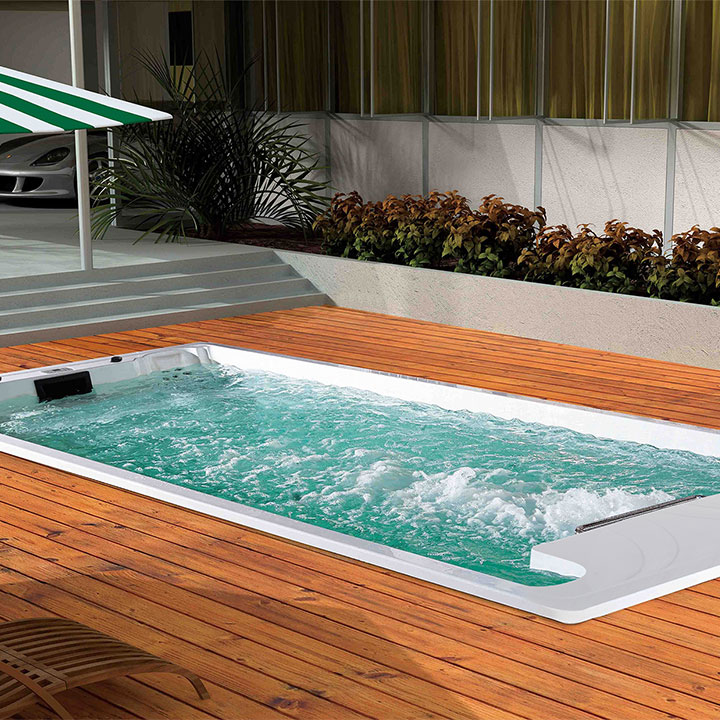
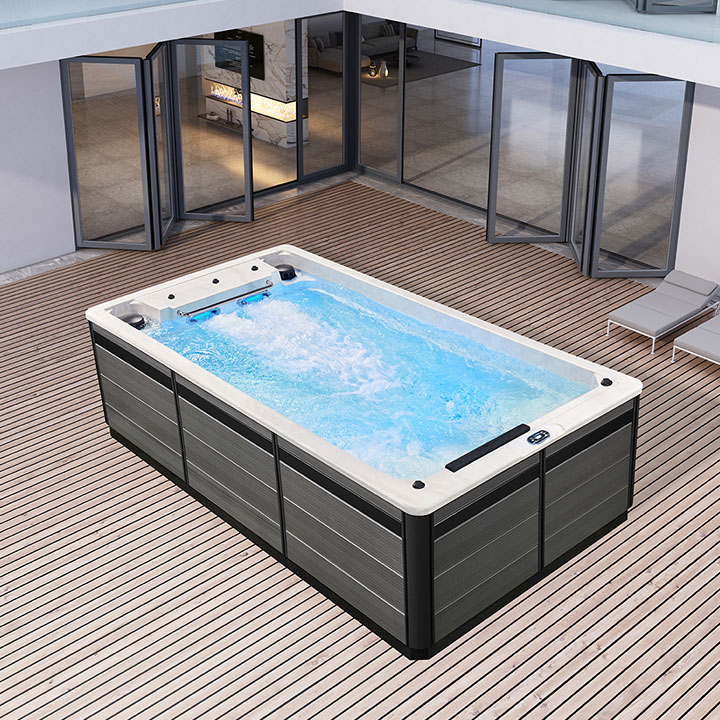
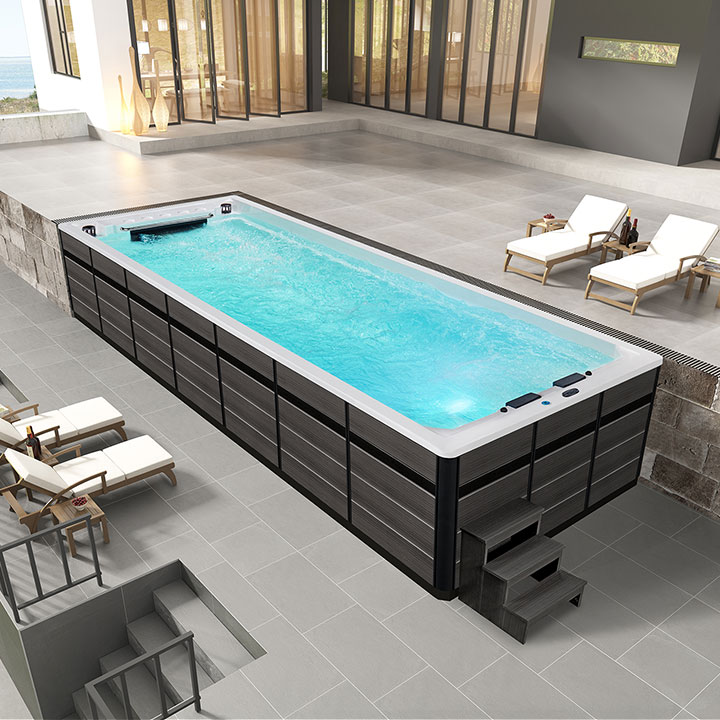
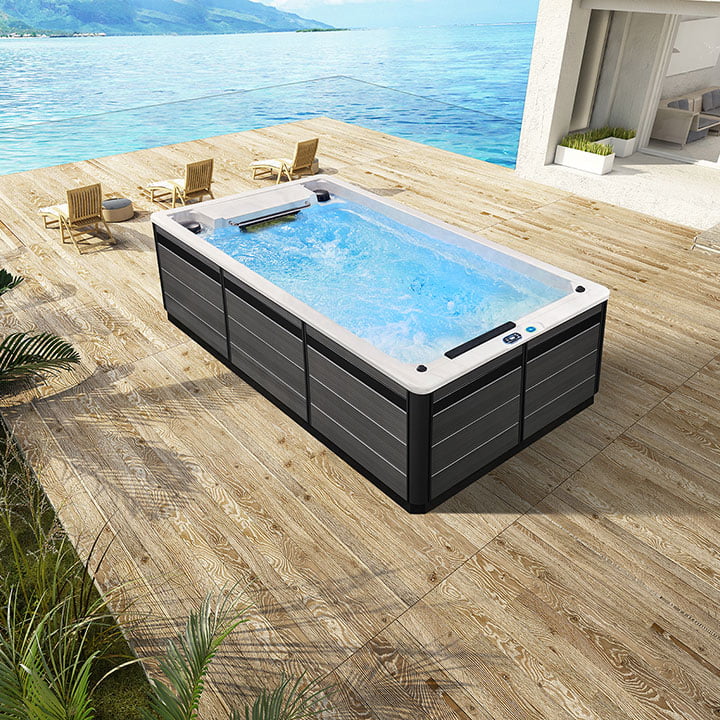
Victoria Star Swim Spa offers the perfect balance between exercise and relaxation, whether you want to swim for fitness or relax in the spacious seating.
Victoria Star Swim Spa offers the perfect balance between exercise and relaxation, whether you want to swim for fitness or relax in the spacious seating.