Above Ground Hot Tub Cost: Complete Price, Installation, and Ownership Guide
Home / News / Above Ground Hot Tub Cost: Complete Price, Installation, and Ownership Guide
November 02, 2026
Calculating an accurate above ground hot tub cost involves looking well beyond the initial showroom price tag. Homeowners often evaluate portable spas to unwind after demanding workdays, yet budgeting surprises emerge when site preparation, certified electrical wiring, delivery fees, and ongoing electrical bills enter the equation.
A reliable portable spa installation is an interconnected project encompassing foundational engineering, utility hookups, and periodic maintenance. Understanding these financial components beforehand allows you to design an outdoor or indoor retreat that aligns with your household budget.
What Does an Above Ground Hot Tub Cost?
Setting realistic financial expectations starts with differentiating between the physical hot tub unit and the turnkey cost required to make it functional. The initial purchase price is merely the anchor expense of a broader residential installation.
Upfront Sticker Price vs. Turnkey Project Cost
Showroom window stickers and digital storefronts display prices for the freestanding shell, internal plumbing, and machinery pack. These equipment-only figures rarely reflect total expenditure. A functional installation demands site levelling, dedicated utility wiring, local permitting, physical delivery, and chemical balancing.
When calculating your comprehensive above ground hot tub cost, ancillary costs can add materially to the equipment price, but the amount varies by site access, foundation work, electrical scope, delivery, and local labor rates. Skipping these line items during initial budgeting leads to project delays or unexpected contractor bills right before delivery.
Purchase Price Framework: What to Expect
Equipment purchase prices depend on size, seating capacity, features, pump configuration, shell construction, and brand positioning. Entry-level inflatable spas may start in the lower price ranges, while mid-tier acrylic models with dedicated pumps, digital controls, and insulated cabinets occupy higher brackets. Premium models with advanced water-care systems, extended warranties, and custom finishing options represent the upper market segment.
Because retail pricing varies widely by region, model availability, dealer margins, and manufacturer positioning, contact the manufacturer or authorized dealer directly for current equipment quotes. Local authorized dealers can provide specific pricing for models available in your market and explain included features, warranty coverage, and available customization.
Why Real-World Installation Estimates Vary
Published national averages provide a wide window because ground conditions, electrical infrastructure, and labor rates diverge across municipal lines. A home with an existing concrete patio and an open breaker box requires minimal prep, whereas a backyard with uneven terrain or an outdated subpanel demands significant contractor hours.
Urban properties often face tight delivery pathways requiring specialized machinery, while rural installations might involve long electrical trenches. Assessing your specific parcel layout before placing an order eliminates unpredictable cost spikes.
Comprehensive Above Ground Hot Tub Cost Breakdown
Every line item in a spa project falls into distinct trade categories. Breaking down these individual elements helps you negotiate accurately with local suppliers and tradespeople.
Expense Category
Typical Scope
Key Cost Drivers
Equipment Purchase
Tub shell, pump, heater, cover
Shell materials, pump horsepower, jet layouts
Delivery & Placement
Curbside drop or backyard positioning
Gate clearance, steps, crane requirements
Foundation & Pad
Concrete slab, gravel bed, or pad
Earth excavation, thickness, material choice
Electrical Hookup
Dedicated breaker, conduit, wiring
Distance from panel, panel capacity, amperage
Municipal Permits
Electrical and safety compliance
Municipal fee schedules, inspection mandates
Water & Start-up Kits
Initial fill, test kits, sanitizers
Water source, mineral profile, water care systems
Hot Tub Equipment and Purchase Tiers
Equipment hardware spans multiple performance tiers, dictating longevity and baseline expenditure. Entry-level inflatable models cost significantly less initially, but lightweight walls offer minimal heat retention during cold spells.
Shell construction and performance vary by model. The VS-201C is listed with an acrylic shell; confirm the shell layers, finish, care requirements, and warranty in the manufacturer’s documentation. Compact two-person rectangular spas represent an efficient segment, balancing targeted hydrotherapy seating with lower raw material costs.
Delivery, Logistics, and Site Access
Freight logistics range from simple curbside drop-offs to full white-glove placement on your chosen patio pad. Curbside delivery places the crated unit on the driveway, leaving transport to the backyard in your hands. This requires moving heavy equipment across lawns and pathways.
Professional backyard placement involves specialized dollies, sledges, and ramps to clear garden gates and fence lines. If your backyard path includes tight eaves, steps, or retaining walls, a mobile crane service may be needed. Crane rentals introduce substantial flat-rate charges to the logistics ledger.
Foundation, Decking, and Site Preparation
A filled hot tub exerts immense downward pressure and cannot rest on bare soil or uncompacted ground. Uneven settlement twists the acrylic shell, causing stress fractures and plumbing leaks over time. You must prepare a solid, level substrate.
Reinforced Concrete Slabs: A properly designed concrete pad is a common foundation option. Thickness, reinforcement, drainage, and subgrade preparation should follow the spa manufacturer’s instructions and local building requirements.
Interlocking Spa Pads: Manufacturer-rated structural plastic grid pads sit atop levelled, compacted pea gravel. The pad must be installed over a level, compacted base and approved for the filled spa load, offering a rapid, mortar-free foundation alternative.
Deck Reinforcement: Placing a spa onto an elevated wooden or composite deck requires a structural engineer review to verify joist sizing, post footings, and structural blocking.
Electrical Hookup, GFCI Disconnect, and Permits
Electrical connection is an essential trade requirement that must never be treated as a casual do-it-yourself task. The U.S. Consumer Product Safety Commission highlights that hot tub electrical installations should always comply with local codes and the National Electrical Code, utilizing ground-fault circuit-interrupter protection.
Some plug-and-play models use a dedicated 120V circuit, while other spas require a dedicated 240V circuit. Confirm the exact voltage, breaker, conductor, GFCI, and disconnect requirements in the product installation manual and with a qualified electrician. Where required by the locally adopted electrical code, the maintenance disconnect must be readily accessible, within sight of the spa equipment, and generally located not less than 5 feet horizontally from the spa’s inside walls unless a permitted barrier exception applies. Have the electrician confirm the local rule. Municipal building departments also charge inspection permit fees to verify wire gauges and grounding bonds.
Essential Add-ons and Startup Accessories
Operating the spa comfortably necessitates secondary hardware accessories. A properly fitted insulated spa cover is an important operating accessory because it helps reduce heat loss and contamination. Confirm the cover’s construction, fit, and warranty with the supplier. A cover lifter arm is often recommended to reduce manual strain and prevent the vinyl skin from dragging across rough deck boards.
Safe entry requires slip-resistant two-step spa stairs designed to match the cabinet skirt profile. Your initial start-up budget must also include water testing kits, sanitizer granules, pH increasers and decreasers, calcium hardness balancers, and a spare pleated cartridge filter.
Key Factors That Dictate Above Ground Hot Tub Cost
Hardware specifications, physical materials, and site geography establish the baseline price spread between competing spa installations. Reviewing these elements prevents overspending on unnecessary features while protecting structural reliability.
Shell Materials, Insulation, and Cabinet Build
Shell construction and performance vary by model. The VS-201C is listed with an acrylic shell; confirm the shell layers, finish, care requirements, and warranty in the manufacturer’s documentation.
Surrounding the internal vessel, weather-resistant cabinet materials such as aluminum-plastic composites offer resistance to rain and environmental exposure. The manufacturer lists an aluminum-plastic cabinet skirt; its suitability for a particular climate and installation should be evaluated using the product warranty and care instructions. Insulation design varies by model and can affect standby heat loss. Confirm the manufacturer’s insulation construction and compare it with the cover specification, climate, set temperature, and expected usage when estimating operating cost.
Pump Performance, Jets, and Heating Capacity
Internal hydromassage dynamics directly affect equipment manufacturing costs. The VS-201C is listed with a 0.35 HP circulation pump in addition to its 2 HP water pump; confirm with the manufacturer how filtration, heating, and jet operation are divided between the pumps.
Jet count alone does not determine massage quality; compare the manufacturer’s stated jet layout, pump configuration, and operating controls.
Site Distance from the Electrical Subpanel
The physical distance between your house breaker box and the outdoor spa platform directly dictates trade labor and supply invoices. Heavy-gauge copper wiring represents a notable expense per linear foot. Trenching through rocky soil or routing rigid conduit along exterior foundation walls adds billable hours to your licensed electrician contract.
Local Climate Extremes and Seasonal Usage
Geographic location plays a substantial role in component selection and overall operating cost. Cold climates increase heat-loss and freeze-protection demands. Follow the model’s winter operating or shutdown instructions and confirm whether the insulation, circulation, cover, and electrical system are suitable for the local climate.
Ongoing Maintenance and Operating Costs
Anticipating lifecycle ownership expenses prevents the common pitfall of acquiring a spa only to abandon maintenance later. A balanced budget accounts for utility, chemical, and replacement part allowances.
Monthly Electricity Consumption
Portable electric spas can use standby and filtration energy between soaking sessions, while heating demand varies with the set temperature, cover, climate, insulation, and operating schedule. Monthly utility expenses depend on local per-kilowatt-hour electricity rates, ambient seasonal temperatures, set temperature, usage, insulation, and the condition and fit of the spa cover.
Insulation and a properly fitted cover can reduce heat loss, but actual electricity use also depends on climate, set temperature, controls, and usage.
Water Care Chemistry and Filtration Upgrades
Keeping soak water sanitized and balanced prevents microscopic biofilm accumulation and scale deposition across mechanical seals. Ongoing consumable supplies include sanitizing treatments such as chlorine or bromine, non-chlorine oxidizer shock, alkalinity balancers, and filter cleaning degreasers.
Modern water management systems combining multi-layer cartridge filtration with ozone oxidation or ultraviolet sanitization can reduce maintenance requirements. The manufacturer describes the VS-201C’s filtration, ozone, and UV systems as intended to support cleaner water with less maintenance; users must still maintain sanitizer and water balance according to the manual.
Water Refilling and Seasonal Winterization
Bather load introduces body oils, cosmetics, and dissolved solids that eventually saturate the water, preventing sanitizers from operating efficiently. Many residential manufacturers recommend draining and refilling about every three to four months under typical use, but the interval varies with bather load, water-care technology, water quality, and the owner’s manual.
In regions prone to severe ground freezes, homeowners who shut down tubs for winter must budget for professional winterization. If the spa will be shut down, winterize it exactly according to the manufacturer’s procedure. That may include draining, removing residual water from plumbing, and using controlled air pressure only where the manufacturer permits it.
How to Accurately Estimate Your Project Budget Before Buying
Navigating retail quotes requires an organized methodology to avoid incomplete estimates and hidden installation fees.
Step-by-Step Pre-Purchase Due Diligence
Executing clear preliminary checks keeps you in control of trade interactions and ensures no site-prep surprises occur on delivery day.
Measure Physical Clearances: Record external path widths from driveway to pad, noting overhangs, AC units, gas meters, and steps that obstruct standard equipment dollies.
Assess Electrical Capacity: Hire a licensed electrician to inspect your main service panel for available breaker slots and sufficient spare service amperage.
Verify Local Codes: Contact your municipal building official to confirm setback limits from property lines, mandatory safety fence heights, and self-latching gate rules. Many jurisdictions require an electrical permit, and some also require building, structural, zoning, or barrier approvals.
Secure Itemized Quotes: Insist on written line-item scopes covering concrete delivery, trench backfilling, electrical materials, subpanel disconnects, and inspection permits.
Contractor Quote Comparison Framework
Comparing contractor estimates requires a uniform standard. The following structure helps identify missing project items when evaluating contractor proposals:
Base Equipment Package: Shell unit, insulated weather cover, pump assemblies, digital touch control, and factory warranty terms.
Delivery and Rigging: Standard curbside drop versus full placement on backyard pad, including obstacle clearance and crew size.
Electrical Infrastructure: The model-specified circuit, GFCI protection, conductor size, weatherproof disconnect or maintenance disconnect, and any required bonding or conduit, subject to the product manual and locally adopted code.
Permitting and Compliance: Submission of site plan drawings, municipal inspection fees, and final bonding sign-offs.
Examining specific product dimensions and factory technical data demonstrates how hardware design shapes real-world installation and operational requirements.
Analyzing Official Specifications: VS-201C Case Study
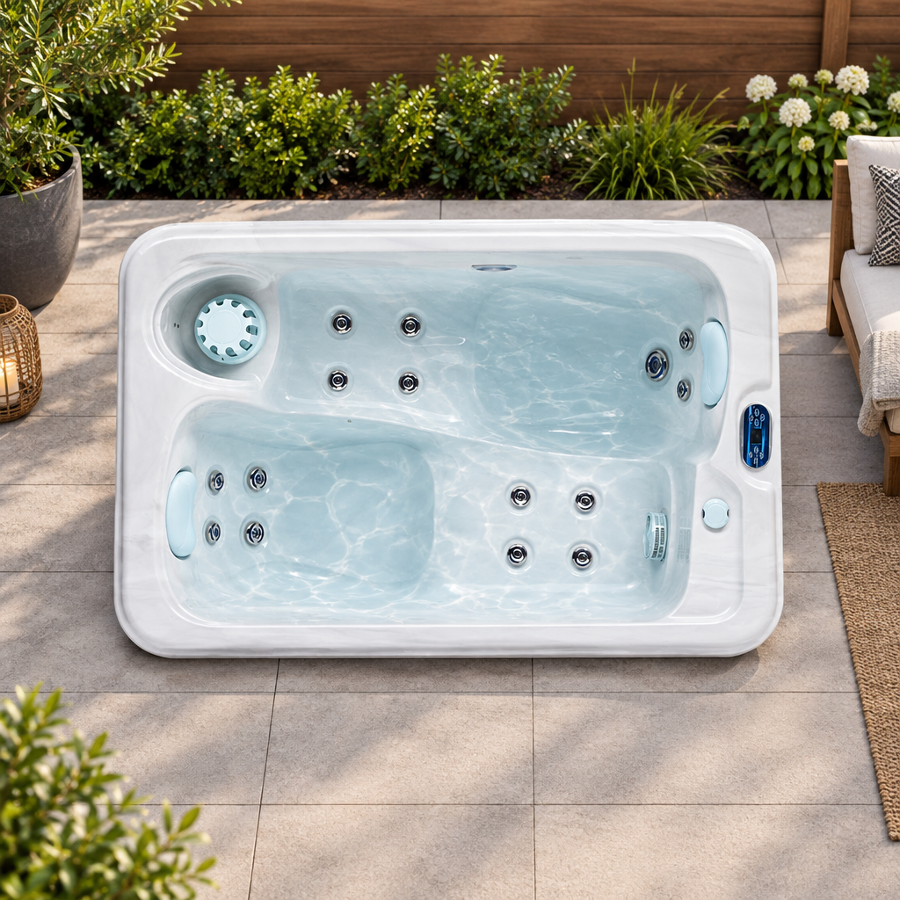
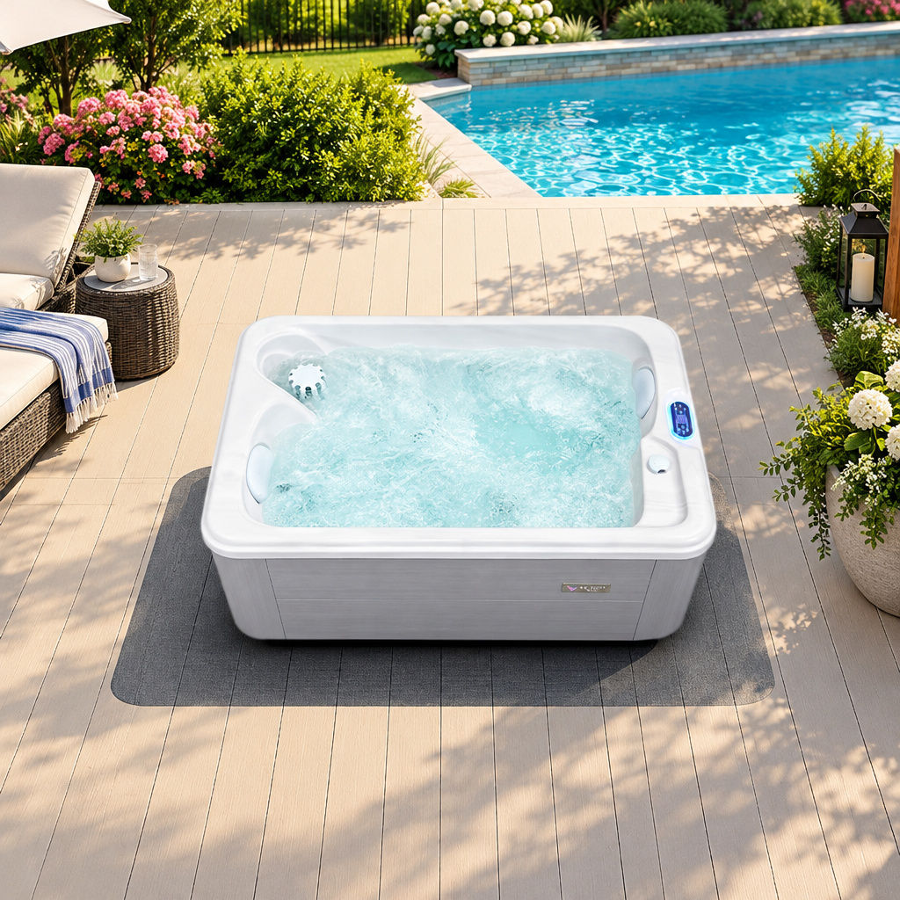
The 2 Person Rectangular Hot Tub VS-201C manufactured by Victoria Star illustrates how space-conscious engineering affects installation expenses. According to the manufacturer, this Comfort Series model features a compact footprint of 1750 × 1150 × 750 mm, approximately 6 feet by 45 inches by 30 inches.
Its technical configuration includes dual contoured loungers, 15 targeted hydrotherapy jets, a 1 × 3 kW heater, a 1 × 2 HP water pump, and an independent 1 × 0.35 HP circulation pump. The manufacturer lists the VS-201C’s power supply as 4.5 kW. The required voltage, branch-circuit rating, conductor size, GFCI protection, and disconnect must be confirmed from the installation manual and by a qualified electrician. The spa is wrapped in a weather-resistant aluminum-plastic skirt.
Site Integration: Balcony, Deck, or Private Courtyard
Its listed 1.75-meter length may fit some courtyards, terraces, or balconies, but each proposed location still requires access, drainage, building-rule, and structural review before installation. Even a two-person spa exerts concentrated structural load once filled with water and bathers. Placing this spa on a wooden deck or upper balcony requires certified structural review to confirm adequate dead and live load capacity.
Budgeting for professional electrical labor remains mandatory regardless of the spa’s modest external profile.
What the Equipment Specs Mean for Total Investment
A smaller spa may use less water, sanitizer, and heating energy than a larger model, but actual savings depend on water capacity, insulation, cover performance, climate, and usage.
While the manufacturer does not publish direct retail pricing on its specification sheets, this hardware setup provides a clear reference for what you need to budget: a modest structural foundation, appropriate electrical service, and routine maintenance. Contact the manufacturer or an authorized dealer for current equipment pricing and delivery terms.
Frequently Asked Questions
How Much Does an Above Ground Hot Tub Cost to Install on Average?
The total above ground hot tub cost consists of several distinct components, each requiring separate budgeting:
Equipment Purchase: Contact the manufacturer or authorized dealer for current retail pricing. Equipment costs vary by model, features, seating capacity, shell construction, pump configuration, and brand positioning.
Delivery: Curbside delivery or full backyard placement, including any crane service if required by site access.
Foundation Preparation: Concrete pad, interlocking spa pad, or deck reinforcement, depending on the chosen installation location and existing site conditions.
Electrical Wiring and Disconnect: Dedicated circuit, conduit, conductor, GFCI protection, weatherproof disconnect, and bonding, installed by a licensed electrician according to the product manual and local code.
Municipal Permits: Electrical permit and any required building, structural, zoning, or barrier approvals.
Accessories: Insulated cover, cover lifter, spa stairs, water testing kit, and initial chemical supply.
Initial Water Fill and Balancing: Municipal water charges and start-up chemical adjustments.
Because equipment pricing and contractor rates differ by region, model, and site layout, gathering itemized local quotes is the only reliable way to establish a realistic budget. If your home already possesses a flat concrete pad and sufficient breaker space nearby, installation costs remain modest. If your project demands crane delivery, service panel upgrades, or ground excavation, tradesperson labor will expand the bottom-line budget.
Is a 110V Plug-and-Play Hot Tub Cheaper Than a 220V Model?
A 110V model lowers initial electrical setup expenses because it plugs directly into an existing dedicated household outdoor receptacle, avoiding new subpanels. However, some 120V models limit simultaneous heater and high-speed pump operation, so check the manufacturer’s specifications. A 240V model may provide more operating flexibility, subject to its design, but costs more in upfront electrician services.
Does an Above Ground Hot Tub Require a Concrete Base?
A properly designed concrete pad is a common foundation option, but it is not the only viable choice. Manufacturer-rated interlocking structural plastic spa pads set over firmly compacted crushed gravel beds can provide a flat and stable base when approved for the filled spa load. The essential requirement is a completely flat, non-shifting foundation that supports the filled weight without flexing.
How Much Will an Above Ground Hot Tub Increase the Monthly Electric Bill?
Monthly electric additions range widely depending on local energy utility rates, geographic climate, internal insulation quality, and soaking routines. Maintaining water at soaking temperatures in freezing winter weather consumes more electricity than warm-weather operation. Using a fitted insulating cover in good condition is the most effective way to curb standby heat loss.
Are Permits Legally Required for Portable Above Ground Hot Tubs?
Many jurisdictions require an electrical permit, and some also require building, structural, zoning, or barrier approvals. Certified inspectors verify proper wire gauges, dedicated conduit burial depth, bonding grids, and outdoor GFCI disconnect placement. Some regions also enforce zoning rules concerning minimum property setbacks and child-safety perimeter fencing around outdoor water vessels. Contact the local permitting office before installation.
Is a 2-Person Hot Tub Significantly Cheaper to Run Than a 6-Person Tub?
A smaller model may have lower water and heating requirements than a larger model, but compare the manufacturers’ published water-capacity figures rather than relying on seating count. Smaller water capacity may translate to lower chemical sanitizer consumption. However, standby ambient heat loss still occurs through the cabinet and top cover, so using high-grade insulation remains critical for long-term energy savings.
Conclusion
Achieving long-term satisfaction with your backyard retreat depends on assessing the complete above ground hot tub cost before committing capital. Balancing equipment selection against necessary site preparation, professional utility trades, and seasonal operational expenses ensures your project progresses smoothly from delivery day forward. Investing in quality insulation, durable cabinet materials, and certified electrical work protects your household investment and delivers dependable hydrotherapy for years to come.
Victoria Star Swim Spa offers the perfect balance between exercise and relaxation, whether you want to swim for fitness or relax in the spacious seating.
Victoria Star Swim Spa offers the perfect balance between exercise and relaxation, whether you want to swim for fitness or relax in the spacious seating.