4 Person Hot Tub Prices: Complete Upfront and Ownership Cost Guide
Home / News / 4 Person Hot Tub Prices: Complete Upfront and Ownership Cost Guide
November 06, 2026
Researching 4 person hot tub prices can feel like shopping at a car lot, where the number depends on who you ask. Online estimates range from roughly $2,000 to $12,000. Dealer packages can climb past $15,000 once accessories and site work are added. The confusion is understandable, because a hot tub is a small construction project. You pay for the tub, plus a foundation, a dedicated electrical circuit and years of running costs.
A four-person spa sits in a practical middle ground. A couple can stretch out, and four adults can share it without the water volume or footprint of an eight-seat model. This guide explains how the spa itself is priced, which site costs dealers often leave out of the headline figure, and what ownership costs per month. With those pieces in view, you can compare quotes on equal terms.
1. What Do 4-Person Hot Tubs Really Cost?
Typical Market Price Tiers
When you compare 4 person hot tub prices across the market, most models fall into three broad tiers. Entry-level spas commonly sell for about $2,500 to $5,000. Rotomolded models in this tier use one-piece polyethylene shells, lower-output heaters and usually a single pump, which makes them cheaper to produce and lighter to deliver. Many entry-level tubs are also plug-and-play, but that term describes the 120 V power connection, not the shell. Some acrylic models are sold in plug-and-play versions too.
Mid-tier acrylic spas cover the largest share of the market, typically around $6,000 to $10,000. In this range you usually get a reinforced acrylic shell, a separate circulation pump, a composite cabinet and contoured hydrotherapy seating. Premium models sold through established dealer networks often start near $11,000 and can pass $16,000. The extra money tends to buy more pumps, more lighting and audio options, and longer warranties.
Price Tier
Typical Price Range
Common Shell Material
Typical Electrical Setup
Who It Suits
Entry-Level
$2,500 – $5,000
Rotomolded polyethylene, some acrylic
Often 120 V plug-in; some 240 V
Tight budgets, rentals, mild climates
Mid-Tier Acrylic
$6,000 – $10,000
Reinforced acrylic
Usually 240 V hardwired
Households soaking several times a week
Premium
$11,000 – $16,000+
Acrylic with decorative finishes
240 V hardwired
Buyers wanting more features and dealer support
These ranges are broad market estimates rather than fixed prices. Regional pricing, freight and seasonal promotions can move any individual quote well outside them. A discounted floor model may sell below the mid-tier range, while a remote delivery address can push a basic tub above it. Use the tiers to sort your options, then compare actual written quotes from sellers who serve your area.
Why Online Estimates Differ from Dealer Quotes
Cost websites and local showrooms often quote very different numbers for similar tubs. Online averages tend to mix clearance stock, factory-direct imports and curbside-only shipments. A local dealer quote, by contrast, usually bundles freight, a fitted cover, a chemical start-up kit and local service labor into one figure. The two numbers describe different purchases. Before comparing any two figures, check which of these items each one actually includes.
Location also matters. Many spa brands sell through regional dealers, and freight, permit rules and local overhead vary from state to state. A tub shipped from far away may look cheaper on the invoice. However, the buyer then has to arrange unloading, moving the tub to the pad, and warranty service with whoever is available locally. Ask who will handle repairs in your area before choosing a distant seller.
2. Upfront Breakdown: What Does the Base Price Actually Include?
The Acrylic Shell, Skirt, and Thermal Cover
A standard spa purchase centers on three parts: the shell, the cabinet around it and the thermal cover. The shell is the watertight basin molded into seats and footwells. The cabinet, often called the skirt, protects the plumbing and equipment from rain, sun and pests. Removable panels in the skirt give technicians access for repairs. The quality of each part affects both the price and how much upkeep the tub needs later.
The cover deserves more attention than it usually gets during price shopping. A tapered foam core wrapped in marine-grade vinyl limits evaporation, which is a major source of heat loss when the tub sits idle. Thin, low-density covers in cheaper bundles can sag or waterlog within a few seasons. Replacement covers commonly cost several hundred dollars, so check the cover thickness and foam density before you buy.
Delivery Logistics: Curbside Drop vs. Backyard Placement
How the tub travels from the truck to its pad affects the real checkout price. Basic freight often ends at the curb. The driver leaves a crated tub weighing several hundred pounds on your driveway, and the rest of the trip is your job. Moving a rigid spa through gates, down slopes or under eaves takes a spa dolly and an experienced crew.
Full backyard placement commonly adds a few hundred dollars to the bill. Difficult sites may need a crane, which can cost $800 to $1,500 or more for a short booking. Before you order, walk the route from the street to the pad. Measure gate widths, overhangs and tight corners so delivery day does not stall at the side of the house.
Site Preparation: Concrete Pads, Pavers, and Deck Framing
Water capacity and filled weight vary widely between models, even among tubs with the same seat count. Water alone weighs about 8.3 pounds per gallon, so the load adds up quickly once the tub is filled and occupied. Check the manufacturer’s water volume and filled weight for the exact model. On bare soil or turf, that load can settle unevenly and stress the shell, and many manufacturers exclude damage caused by an inadequate base from warranty coverage. A qualified professional should confirm the base suits the load. The common foundation options below trade cost against permanence:
Poured concrete pad: A reinforced slab, often about 4 inches thick, is the most common long-term base. Local contractors often price it per square foot, and access and excavation drive the final cost.
Compacted gravel base: Crushed stone inside a timber frame drains well and usually costs less than concrete, though it needs careful leveling.
Deck reinforcement: An existing wooden deck should be checked by a qualified builder or engineer against the spa’s filled weight before installation.
Prefabricated spa pads: Interlocking plastic pad panels laid over a leveled base install quickly, but confirm the manufacturer accepts them for your model.
Dedicated Electrical Infrastructure and Permitting
Apart from 120 V plug-and-play units, most residential spas need a dedicated 240 V circuit installed by a licensed electrician. The cost depends on the distance from your panel, the conduit route and whether the panel has spare capacity. Common estimates fall between $1,000 and $2,500. If the panel needs an upgrade, the bill can rise further, so get the electrical quote before you order the spa.
In the United States, spa wiring falls under Article 680 of the National Electrical Code, as adopted by your local jurisdiction. Typical requirements include GFCI protection and a disconnect within sight of the tub. Rules on distances, bonding and conduit vary with the code edition your area uses. Your electrician and local inspector set the final requirements, and many areas require a permit for this work.
3. Key Factors That Drive 4-Person Hot Tub Prices
Shell Construction and Cabinet Materials
Shell construction is one of the clearest dividing lines in price. Entry-level tubs use rotomolded polyethylene, which is cheap to mold and light, but has a textured surface and less contoured seating. Mid-tier and premium tubs typically use vacuum-formed acrylic sheet backed with fiberglass and resin. The acrylic gives a smooth surface and allows deeper, more shaped seats.
Cabinet materials have also moved away from natural wood, which needs regular sealing and can rot near damp ground. Many current spas use polymer or aluminum-plastic composite skirts that tolerate moisture and sun with little upkeep. Check that the skirt panels come off easily. Technicians need that access to reach pumps, valves and wiring without moving the tub.
Seating Geometry: Open Benches vs. Ergonomic Loungers
The shape of the shell mold affects both production cost and how the tub feels in use. Open-bench tubs have continuous seating around the edge, so they fit more people and let bathers move around freely. Their simpler molds also tend to cost less to produce. That layout suits families who change seats often or who host guests of different heights.
A lounger adds comfort for one person and complexity to the mold. It supports the back, legs and feet in a semi-reclined position. Some bathers, especially lighter or shorter people, tend to float in loungers, so try one before buying if you can. In a compact tub, a lounger takes up interior space, and the layout usually seats three people upright beside the reclining bather.
Mechanical Architecture: Pump Horsepower and Circulation
The pump setup behind the panels affects price and how the tub runs day to day. Budget spas often use one two-speed pump for both filtration and jets. Low speed handles filtration, and high speed drives the jets. Because the same pump runs every filtration cycle, it logs more running hours than a jet pump that only runs during soaks. How that affects noise and service life depends on the pump’s design and installation, so ask for the pump specifications and listen to a running model if you can.
Many mid-tier and premium spas split these jobs between two pumps. A small circulation pump, such as a 0.35 HP unit, moves water through the filter and can run for long periods on little power. When bathers want a massage, a larger jet pump, for example 2 HP, switches on to pressurize the jets. Splitting the roles keeps the big pump idle most of the day.
Insulation Methods and Heat Retention
Insulation decides how well a tub holds heat through winter. It is also one of the harder features to judge on a showroom floor, because it sits hidden behind the cabinet panels. Ask the seller which method a model uses and whether a cold-climate option is offered. Manufacturers rely on three main approaches, and each trades heat retention against ease of repair:
Perimeter insulation: Reflective or foam panels line the inside of the cabinet walls. Warm air stays trapped around the equipment, and the plumbing remains easy to inspect.
Partial foam: Foam is sprayed over the back of the shell and around some pipes. This balances heat retention with reasonable service access.
Full-foam fill: The whole cavity between shell and cabinet is filled with expanding foam. Heat retention is strong, but finding and repairing a leak takes more time and labor.
Sanitation Systems and Water Management
Sanitizing the water protects bathers from bacteria that grow in warm water, and it protects the plumbing too. Basic tubs rely only on manually dosed chlorine or bromine. The equipment cost is low, but owners have to test and adjust the water often. Large swings in water balance can also wear seals and heater parts faster.
Higher-priced tubs often add ozone generators and UV units to the circulation line. These systems treat water as it passes through the plumbing and can reduce how much sanitizer you need, but they do not replace it. CDC guidance for hot tubs calls for at least 3 ppm free chlorine or at least 4 ppm bromine, with pH kept between 7.0 and 7.8. Upper limits and dosing should follow your sanitizer label and any local rules that apply.
4. The Ongoing Total Cost of Ownership
Monthly Power Consumption and Cold Weather Demands
Running costs depend on your electricity rate, your climate, the set temperature, the insulation and how often you soak. For that reason, no single monthly figure applies to every four-person tub. Ask the supplier for the model’s estimated energy use in kilowatt-hours, ideally for a climate close to yours. Multiply that figure by your local rate per kilowatt-hour to get a realistic monthly budget, and expect it to rise in long, freezing winters as the heater cycles more often.
Heater power and heating behavior depend on the specific model, so check them on each spec sheet. Many 120 V tubs use smaller heaters, and some models pause heating while the jets run on high, which can let the water cool during long winter soaks. Many 240 V tubs use larger heaters, but voltage alone does not settle either point. Compare each model’s heater rating, its wiring requirements and whether its controls allow heating while the jets run.
Water Chemistry, Filter Cartridges, and Refills
Clean water needs a steady supply of consumables. These include test strips, pH adjusters, alkalinity increaser, sanitizer and non-chlorine shock. For a household soaking two or three times a week, $20 to $40 a month is a reasonable planning figure. Buying sanitizer and test strips in larger containers usually lowers the cost per use. The recurring costs beyond chemicals are smaller but regular:
Filter cartridges: Pleated filters trap oils, hair and debris. They need rinsing every few weeks and replacement about once a year, often at $40 to $80 each.
Water changes: Many manufacturers recommend draining and refilling every three to four months. Fresh water resets dissolved solids that build up from chemicals and bathers.
Line flush products: A plumbing cleaner added before draining loosens biofilm inside the pipes, so it drains out with the old water.
Mechanical Wear Components and Routine Servicing
Every part that works in hot water eventually wears. Heat, sanitizers and constant moisture all take a toll, so a tub that runs without trouble in its first seasons can still need a new seal or switch later. Over five to ten years of ownership, expect some repairs. Pump seals, pressure switches, heater elements and topside control overlays are common replacement items. Setting aside a small annual repair fund keeps these costs from arriving as a surprise.
Serviceability matters as much as reliability. Tubs built with standard fittings and widely available parts are easier and cheaper to repair. Proprietary parts can force you to replace a whole assembly when a single gasket fails. Before signing, ask the seller which parts are standard, whether local technicians stock them, and how quickly replacements can be shipped. A tub that waits weeks for a part costs you soaking time even when the repair itself is cheap.
5. How to Select the Right 4-Person Spa for Your Budget
Step 1: Set an All-Inclusive Project Budget
The headline figure in 4 person hot tub prices is only part of the project cost. Buyers who budget only for the tub often stall once the electrician and concrete quotes arrive, sometimes with the spa already sitting in the driveway. Start with a total ceiling for the whole project, then list every line item before choosing a model:
The spa, cover, steps and delivery.
The foundation, whether concrete, gravel, pad panels or deck reinforcement.
Electrical work, permits and any panel upgrade.
Start-up chemicals, a cover lifter and a spare filter.
If site work and electrical quotes are not yet in hand, keep a meaningful share of the budget unallocated until they are. Those two trades vary the most from one property to the next, because panel capacity, digging conditions and access differ by house. Once both quotes arrive, the remaining figure shows how much you can spend on the spa itself.
Step 2: Check Delivery Access and Load Capacity
Survey the installation area before visiting showrooms. Ask each manufacturer for the filled weight of the model you are considering, including bathers. Then have a builder confirm that your patio or deck can carry it. Measure gates, doors and overhead lines between the street and the pad, so you know whether the tub will reach its spot without removing fence panels or trimming trees.
Step 3: Prioritize Seating Fit Over Jet Count
A high jet count does not guarantee a good massage. How a jet feels depends on the pump’s flow and pressure, the plumbing, the nozzle design and where each jet sits relative to your body. Jet count alone tells you little about any of these. Compare pump specifications and jet layout together, and sit in the seats if you can. Note where the jets hit your back, and whether your feet reach the floor.
Step 4: Compare Itemized Quotes
Ask several suppliers for written, itemized quotes. Each one should list the spa price separately from options such as ozone, steps, cover lifters and delivery. Read the warranty itself rather than the brochure summary. Check which parts have full parts-and-labor coverage, which are prorated, and who performs warranty service in your area. If a seller will not put a price or term in writing, treat it as unconfirmed.
6. Specification Analysis: Evaluating a Compact 4-Person Spa
Shell Layout and Dimensions: The VS-402C
A real specification sheet shows how these buying factors appear on paper. Victoria Star is our hot tub and swim spa brand, made by Foshan Gaoming Shiyi Sanitary Ware Technology Co., Ltd. in our own molding, assembly and wood workshops. Our Comfort Series VS-402C is a compact four-person model. It serves here as a reference for reading a spec sheet.
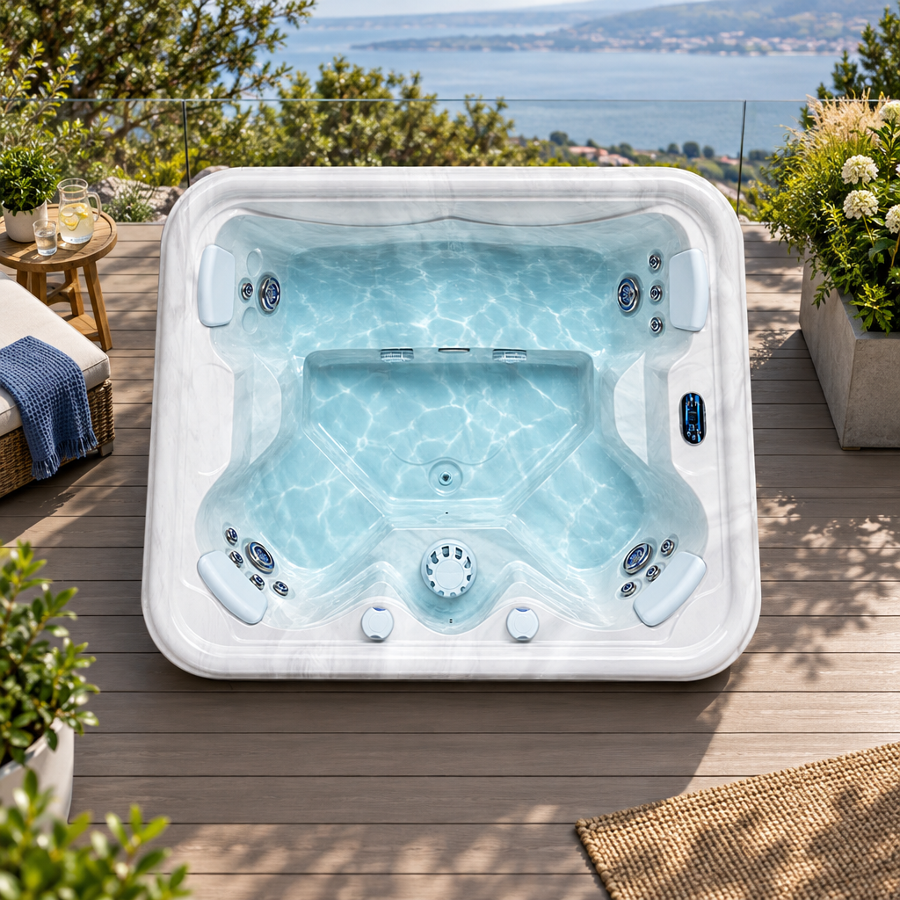
The VS-402C measures 2060 mm × 1760 mm × 790 mm. Our product data also lists a nominal 7′ × 69″ × 31″, but that is a rounded size class, not an exact conversion, since 2060 mm is about 81.1″ rather than 84″. Use the exact figures of about 81.1″ × 69.3″ × 31.1″ when measuring your pad and access route. The layout combines three contoured bucket seats with one full-length lounger, so three people can sit upright while a fourth reclines.
Mechanical Setup: Pumps, Heater and Controls
The VS-402C uses the two-pump arrangement discussed above. A 2 HP water pump drives 15 jets, which our product data describes as placed to target the shoulders, spine and lower back. A separate 0.35 HP circulation pump handles filtration. With filtration assigned to the small pump, the larger jet pump only needs to run when bathers turn the jets on.
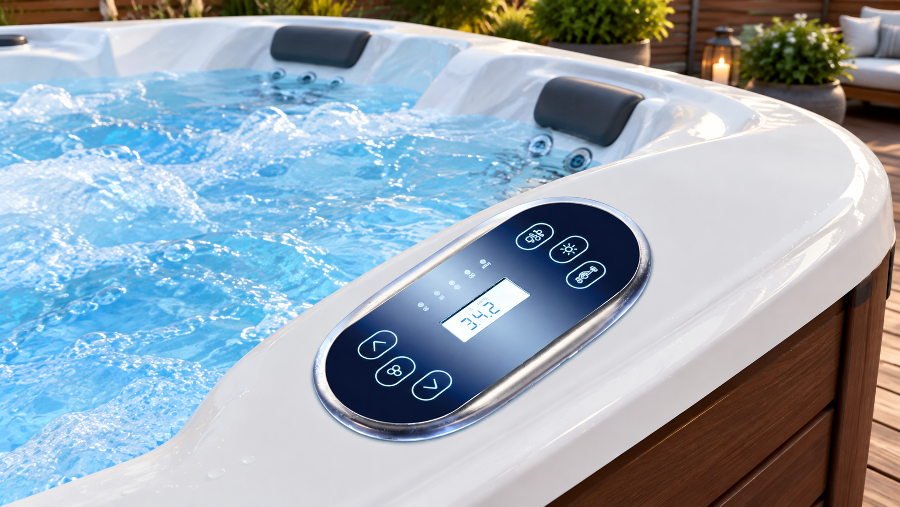
Heating comes from a single 3 kW heater, and our product data lists a total power supply of 4.75 kW. That figure does not state the rated voltage, frequency, phase or current, so confirm these details with us before booking an electrician. Your electrician should then size the circuit, breaker and wiring to local code and the installation documents. The KL2022 backlit touchscreen keypad controls water temperature, jet intensity, lighting and filtration cycles.
Footprint of about 3.6 m², so measure your pad and access route
Seating
4 persons (3 seats + 1 lounger)
Upright seating for three plus one reclined position
Jets
15
Check jet placement against your back during a test soak
Jet pump
1 × 2 HP
Dedicated pump for massage
Circulation pump
1 × 0.35 HP
Separate low-power pump for filtration
Heater
1 × 3 kW
Heating capacity; warm-up time also depends on climate and cover
Power supply
4.75 kW
Confirm rated voltage, frequency, phase, current and wiring method with the supplier
Control system
KL2022 smart keypad
Touchscreen control of temperature, jets, lights and filtration
Cabinet Materials and Water Care
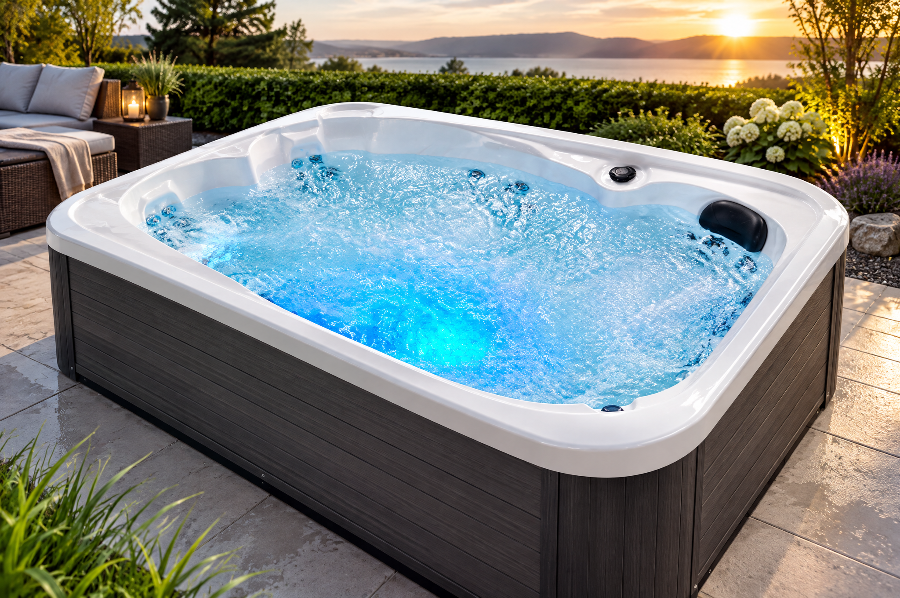
An outdoor tub’s lifespan depends partly on how its cabinet handles sun, rain and damp ground. The VS-402C uses an aluminum-plastic skirt in Platinum or Midnight, around a Porcelain marbled acrylic shell. A composite skirt does not rot or splinter the way untreated wood can near sprinklers and wet soil. Smooth acrylic is also easy to wipe clean during routine maintenance.
For water care, our product data lists filtration combined with ozone and UV treatment. This setup is intended to keep water clean with less chemical handling. You should still test the water and keep sanitizer and pH at or above the CDC minimums described in the sanitation section above. The model is aimed at backyard patios, garden terraces, post-workout recovery and year-round outdoor use.
Practical Checklist for Requesting Quotes
When you request a quote for the VS-402C or any similar model, have these details ready so the supplier can price accurately. Incomplete site information is a common reason quotes change after an order is placed, especially for electrical configuration and freight. Gathering the following details first saves a round of back-and-forth with the supplier:
Electrical supply: Describe your site’s voltage, phase and available panel capacity. The supplier’s installation documents and your licensed electrician then determine the required circuit and breaker.
Installation site: Say whether the tub will sit on an open deck, under a covered patio or indoors. Exposure affects cover and insulation choices.
Climate: Mention long freezing periods and ask what insulation options are available for cold climates.
Freight terms: Confirm whether the price includes sea freight, handling at the port or distribution hub, and delivery to your home.
7. Frequently Asked Questions (FAQs)
How much does a reliable 4-person hot tub cost on average?
A mid-tier 4-person acrylic hot tub typically costs about $6,000 to $10,000 for the spa alone. Entry-level rotomolded models, many of them plug-and-play, sell for around $2,500 to $5,000, but they have smaller heaters and simpler seating. Premium showroom brands often start near $11,000 and can pass $16,000, depending on features and dealer support.
Does the purchase price include electrical installation?
Usually not. Most dealers and manufacturers sell the spa, and the wiring is done by a separate licensed electrician. The electrician installs the GFCI-protected disconnect, runs the circuit and connects the tub to local code. Common estimates fall between $1,000 and $2,500, depending on the distance to your panel and whether the panel needs an upgrade.
Are 120V (110V) plug-and-play models cheaper than hardwired 240V spas?
Entry-level 120V models usually cost less to buy, and they plug into a dedicated household outlet, usually 15 or 20 amps, so they avoid most electrical work. Voltage alone does not set the price, though, because some acrylic models also come in plug-and-play versions. Many 120V models use smaller heaters, and some pause heating while the jets run on high, which matters in cold climates. Hardwired 240V spas cost more to install, so compare each model’s heater rating and control behavior before deciding.
Does choosing a lounger reduce usable seating space?
Yes. A lounger often takes up about as much interior space as two upright seats. A compact tub with a lounger usually seats three people upright and one reclining. If four adults regularly use the tub and all prefer to sit upright, an open-bench layout without a lounger gives more room. Sitting in both layouts before buying is the quickest way to decide.
How much does electricity cost per month for a 4-person spa?
There is no single figure, because the cost depends on your local electricity rate, outdoor temperatures, set temperature, insulation and how often you use the tub. The most reliable approach is to ask the supplier for the model’s estimated monthly energy use in kilowatt-hours, then multiply it by your own rate. Expect higher bills during cold winters. A well-fitted, thick cover that stays closed between soaks is the simplest way to cut heat loss.
What are the most common hidden costs when buying a hot tub?
Most hidden costs come from site work and services that sit outside the spa invoice. They are easy to miss because many advertised prices cover only the tub and its cover, while the trades involved quote separately. Each figure below also depends heavily on your property and local rates, so treat these as planning ranges:
Foundation: Concrete or a prepared base, often $800 to $2,000.
Electrical: Licensed wiring and the disconnect, often $1,000 to $2,500.
Permits: Local building or electrical permits, often $50 to $300.
Difficult delivery: Fence or gate changes, or a crane, often $300 to $1,500.
Accessories: Start-up chemicals and a cover lifter, often $300 to $600.
8. Conclusion: Making an Informed Investment
The sticker price is only one part of the cost of a four-person hot tub. A sound purchase includes a durable shell, a pump setup that suits how you soak, a level foundation and properly installed wiring. Read spec sheets for pump sizes, heater output and seating layout. Check what each quote actually includes, and budget for monthly power and chemicals. Compared this way, 4 person hot tub prices from different sellers become easier to weigh, and you can choose a spa that fits both your yard and your budget.
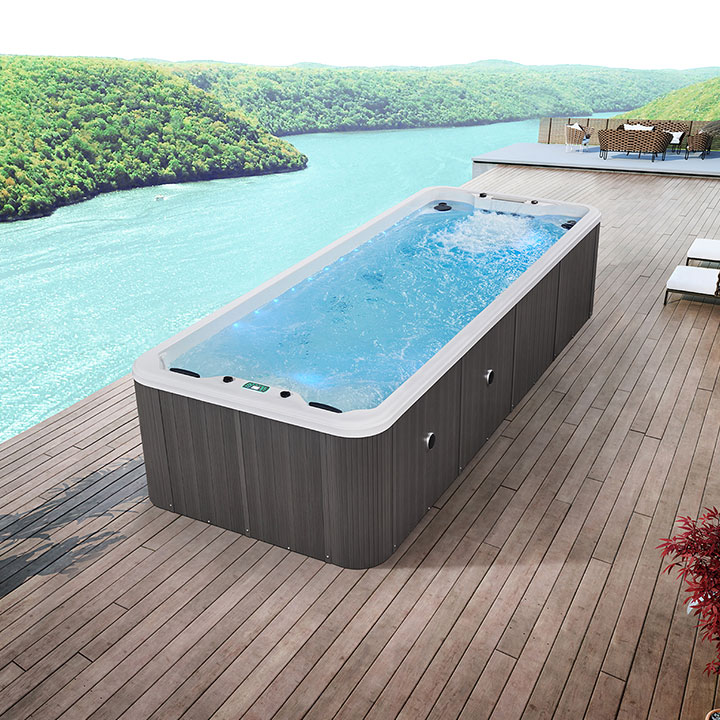
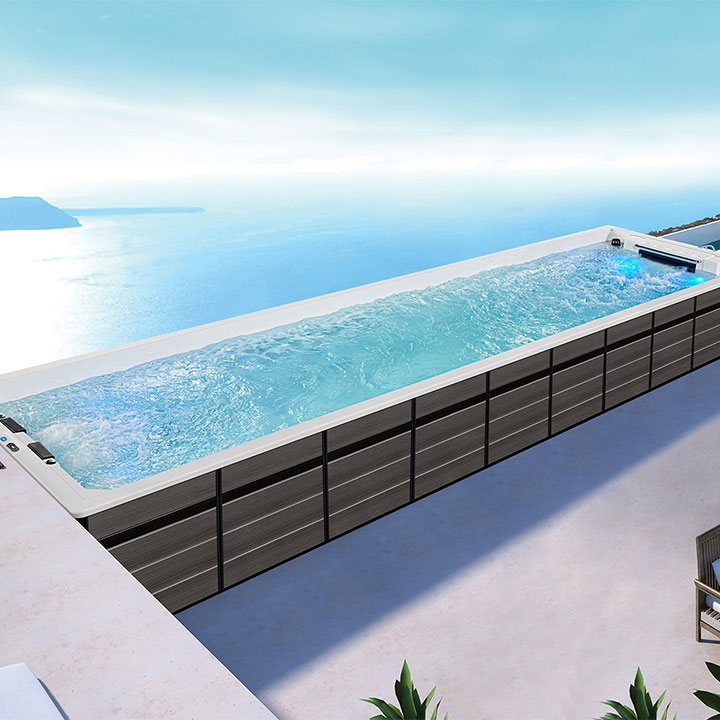
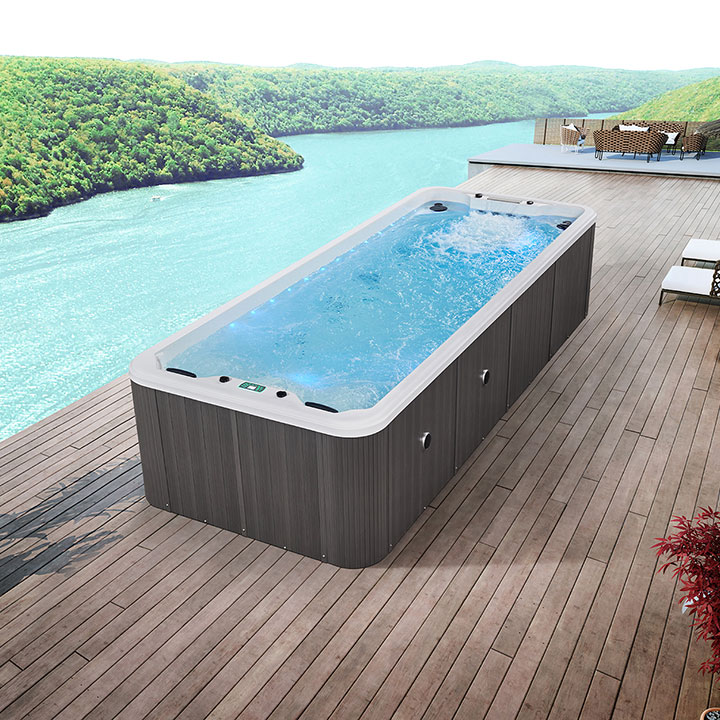
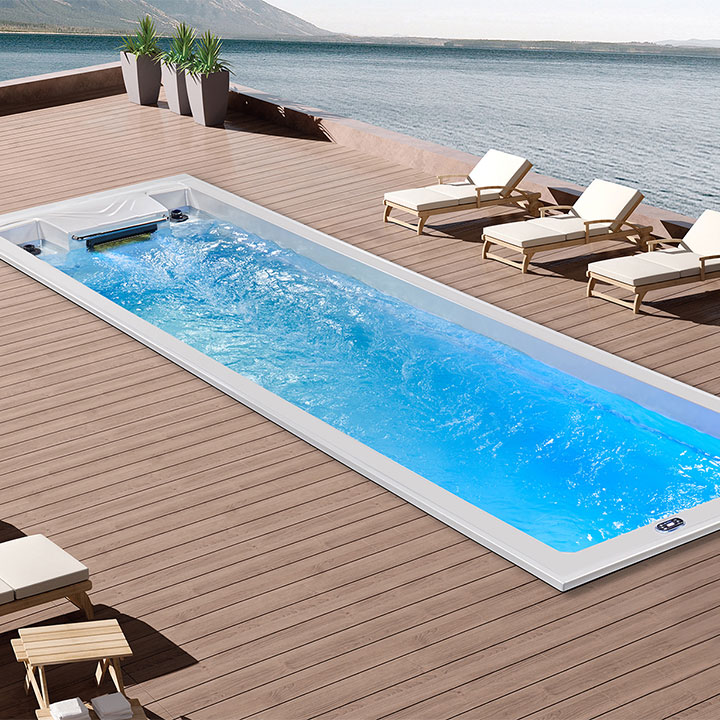
Victoria Star Swim Spa offers the perfect balance between exercise and relaxation, whether you want to swim for fitness or relax in the spacious seating.
Victoria Star Swim Spa offers the perfect balance between exercise and relaxation, whether you want to swim for fitness or relax in the spacious seating.