120V Hot Tub Guide: Electrical Limits, Thermal Realities, and Smart Buying Decisions
Home / News / 120V Hot Tub Guide: Electrical Limits, Thermal Realities, and Smart Buying Decisions
October 26, 2026
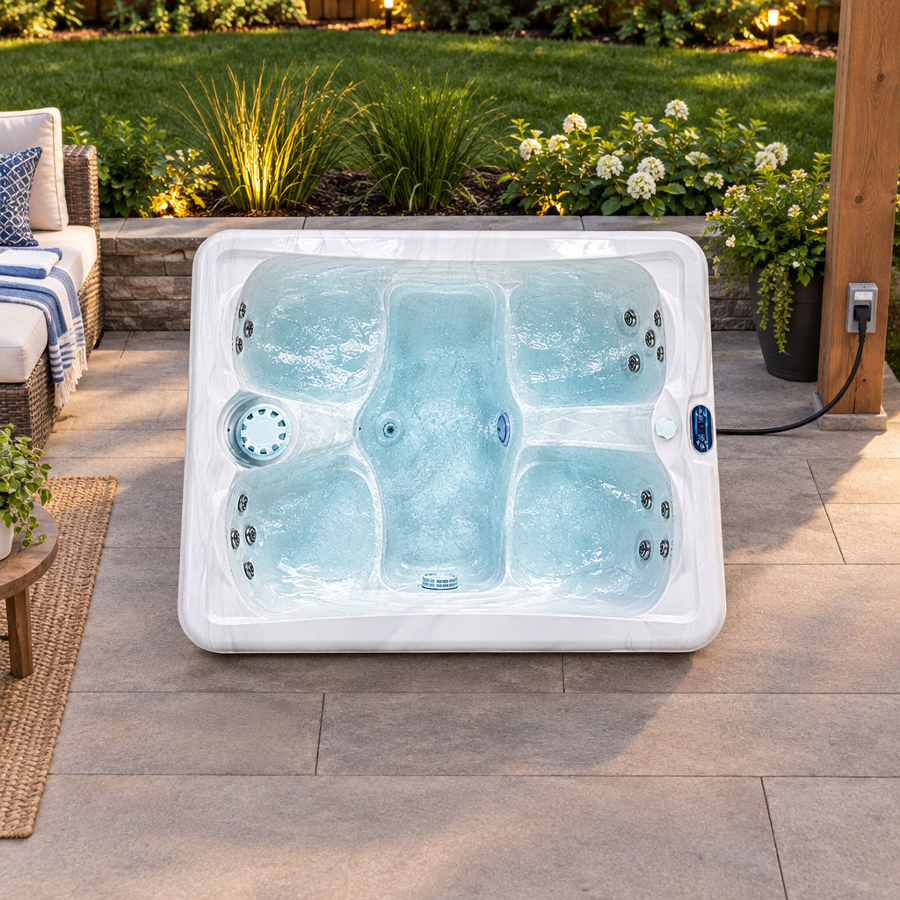
Shopping for a 120v hot tub often starts with a desire to avoid hiring an electrician to dig trenches across your yard. A plug and play 120v hot tub promises simple setup by connecting directly to a standard household receptacle, while a 120v outdoor spa fits easily onto a rented patio or compact deck. However, the electrical outlet on your porch sets strict thermodynamic boundaries on water heating and jet action. Understanding how amperage caps affect water temperature helps you decide whether a cord-connected unit or a compact high-output spa matches your climate and soaking habits.
How a 120V Hot Tub Works: The Physics of Plug-and-Play Spas
Every residential spa faces a constant tug-of-war between electrical supply and thermal demand. When you fill a shell with hundreds of gallons of cold tap water, the heater and pump motors must draw energy through a single copper pathway. Before comparing acrylic finishes or jet counts, you need to look at how residential wiring governs water movement and heat retention.
Standard Household Amperage and Wattage Ceilings
A standard North American household receptacle delivers 120 volts at 15 or 20 amps, which acts like a narrow garden hose feeding a thirsty orchard. Under National Electrical Code guidelines, continuous electrical loads should not exceed 80 percent of the circuit breaker rating, capping a 15-amp line at roughly 1,440 watts of continuous draw. Because that small power budget must run the control board, water pump, and heating element without tripping the breaker, a 120v hot tub typically uses a 1.0 kW to 1.5 kW heater.
The Load-Sharing Trade-Off: Heater vs. Jet Pumps
Running a high-speed massage pump alongside an electric immersion heater on a 15-amp circuit can push the combined load beyond the circuit’s capacity and trip the breaker. The exact point at which that happens depends on the combined wattage and how long the overload lasts, so always check the spa’s rated load against the circuit’s installation instructions rather than assuming a fixed outcome. To prevent nuisance trips, many 120V spa packs use automatic load sharing in their control logic. When you press the jet button to activate high-speed hydrotherapy, a relay on the circuit board can switch off the heating element until the pump drops back to low speed.
In practical terms, many 120V plug-and-play models pause heating while the high-speed jets run, so the spa alternates between massaging and heating rather than doing both at once. The exact behavior depends on the control system, so check the manufacturer’s manual for the specific spa you are considering. During a forty-minute evening soak on a brisk autumn night, the uncovered water surface loses heat to the night air while the heater may sit idle. Once you exit the tub and close the thermal cover, low-speed circulation typically resumes and the heating element begins recovering the lost degrees.
Convertible Control Packs vs. Dedicated High-Output Compact Spas
Many buyers assume they must choose between a massive eight-person backyard vessel and an underpowered cord-connected tub. In reality, compact spa engineering offers two distinct ways to approach the 120-volt thermal bottleneck without sacrificing patio space. Some models feature convertible control packs that ship with a 120V GFCI cord for mild seasons, allowing an electrician to remove a jumper wire on the main board and hardwire the heater to 240 volts later.
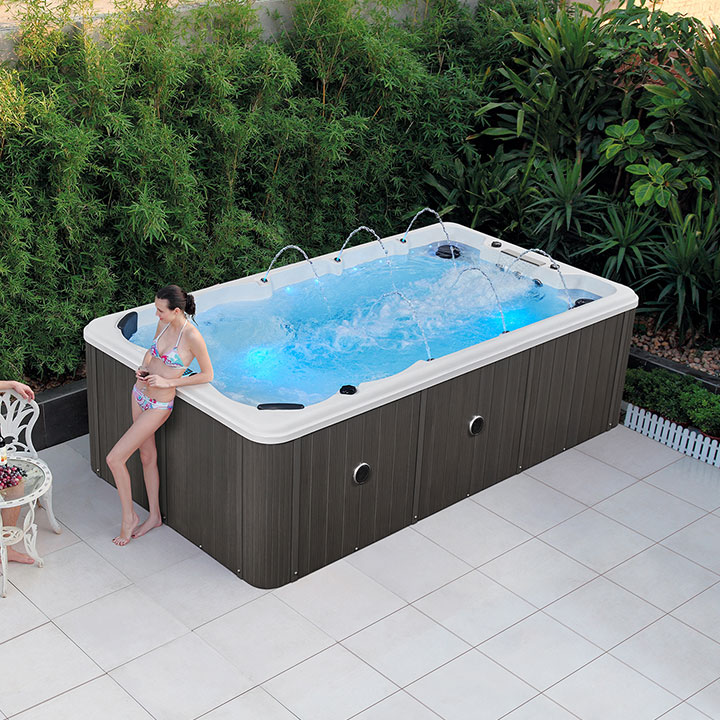
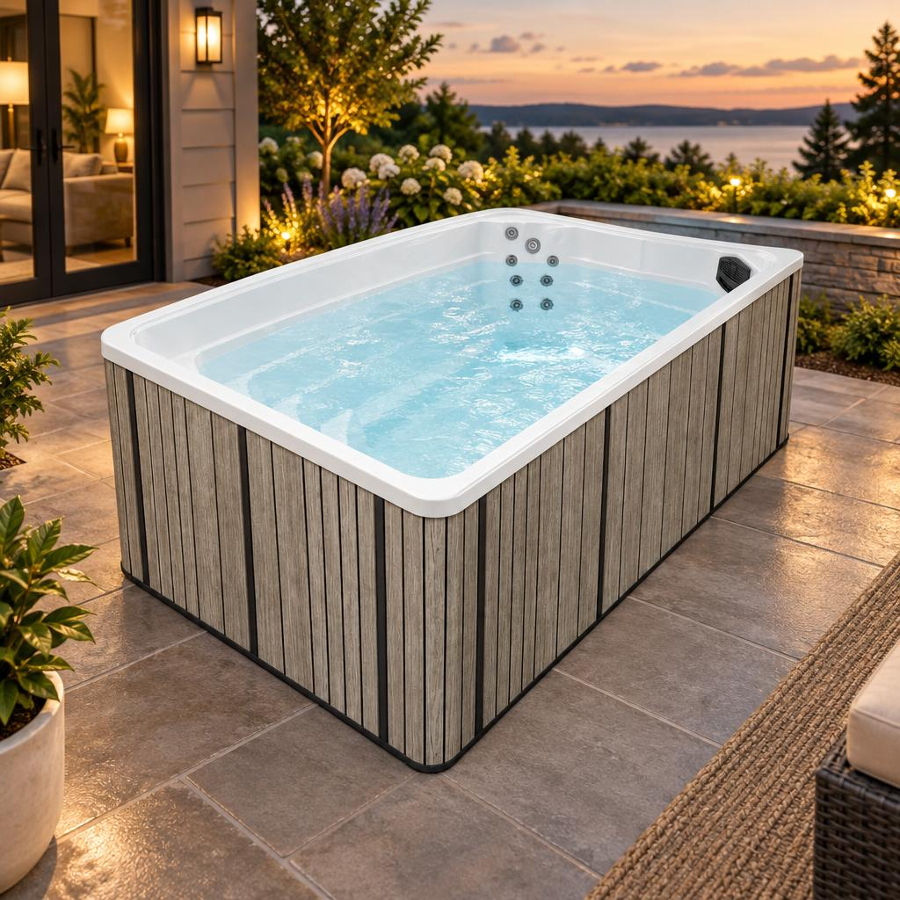
Alternatively, homeowners who want a small footprint without relying on a 120V circuit can consider a dedicated compact spa built around a higher-wattage power supply. For example, the Comfort Series VS-401C Small 4 Person Hot Tub from Victoria Star is built with a 3 kW heater, a 2 HP water pump, a 0.35 HP circulation pump, and a listed 4.5 kW power supply rating inside a compact 1900 mm by 1500 mm by 865 mm frame. The supplied specifications do not state the exact supply voltage or confirm that the heater and jet pump run simultaneously, so prospective buyers should confirm wiring requirements and control behavior with the manufacturer or installer before assuming full hardwired operation.
120V Hot Tub vs. 240V Systems: A Technical Side-by-Side Comparison
Choosing between a standard 120v hot tub, a large 240V backyard model, and a compact high-efficiency 4-person spa requires weighing upfront electrical work against daily soaking comfort. While a cord-connected unit saves money on initial wiring, a higher-output system can change how quickly the water recovers after you lift the insulated cover. The table below outlines general operational differences across these three configurations; figures for the VS-401C reflect listed component ratings rather than confirmed heating-rate test data.
Specification / Metric
Standard 120V Plug-and-Play Spa
Compact Spa (VS-401C Listed Ratings)
Traditional Large 240V Spa
Electrical Requirement
120V, 15A or 20A dedicated GFCI outlet
4.5 kW power supply rating (voltage and hardwire status not specified by manufacturer)
240V, 50A or 60A hardwired subpanel
Heater Output (as rated)
1.0 kW to 1.5 kW
3.0 kW
4.0 kW to 5.5 kW
Simultaneous Heat & High Jets
Often no; many models pause heating on high jet speed
Not specified by the manufacturer; confirm with installer
Commonly yes, full power to heater and multiple pumps
Pump Configuration
Single 1.0 HP to 1.5 HP dual-speed pump
2 HP water pump plus 0.35 HP circulation pump (as listed)
Multiple 2.5 HP to 4.0 HP jet pumps
Footprint & Seating
2 to 4 seats (compact patio sizing)
4 seats (1900 mm × 1500 mm × 865 mm)
6 to 8+ seats (large backyard footprint)
Initial Heat-Up Rates and Water Volume Dynamics
Water has a remarkably high specific heat capacity, requiring 1 BTU of thermal energy to raise a single pound of liquid by one degree Fahrenheit. Since one kilowatt-hour of electricity generates 3,412 BTUs, the heating rate of any spa depends on water volume, starting temperature, ambient conditions, insulation, and cover use, not on heater wattage alone. As a general illustration using a commonly cited 120V spa capacity of around 220 gallons and typical indoor starting conditions, a 1.0 kW element might raise the temperature by roughly 1 to 2 degrees Fahrenheit per hour, which is why many owners wait a day or more after the initial fill before the first warm soak.
The VS-401C specifications list a 3 kW heater, but the manufacturer does not supply the unit’s water capacity or a tested heating-rate figure, so a specific degrees-per-hour estimate for this model cannot be stated with confidence. In general, a higher-wattage heater paired with a smaller water volume tends to shorten warm-up time compared with a low-wattage heater in a larger spa, though actual results vary by installation and ambient conditions. Buyers who want a firm heat-up time for a specific model should ask the manufacturer for documented figures.
Ambient Heat Loss During Winter Soaks
Winter air acts like a thermal sponge the moment you fold back a spa cover. When ambient temperatures drop below freezing, heat can leave the water surface fairly quickly, especially when air blower valves mix cool outside air into the jet stream. The actual rate of temperature loss during a soak depends on wind exposure, ambient temperature, water surface area, and whether the heater continues running, so a single universal figure for degrees lost per session would be misleading.
If you live in a region with mild winters or prefer brief fifteen-minute solo sessions, gradual cooling during the soak is less likely to be noticeable. Conversely, homeowners in snowy climates who enjoy longer hydrotherapy sessions with friends generally benefit from a heater that can keep running alongside the water pump rather than pausing during jet use. A heater that stays active helps offset evaporative and convective cooling, which supports more consistent water temperature from the start of the soak to the end.
Monthly Energy Consumption Myths: Why Voltage Does Not Equal Waste
A common misconception among first-time buyers is that a 120v hot tub automatically lowers monthly utility bills compared to a higher-wattage model. In electric resistance heating, converting watts into thermal energy happens at close to full efficiency regardless of line voltage. Raising a fixed volume of water by ten degrees consumes roughly the same number of kilowatt-hours whether a 1.5 kW heater runs for four hours or a 3.0 kW heater runs for two hours.
Actual monthly energy use depends on factors beyond heater wattage alone, including insulation quality, cover performance, climate, temperature setpoint, and how much the pump motors run. A higher-wattage heater simply delivers heat faster; it does not by itself guarantee lower total consumption, and a lower-wattage model is not automatically less efficient. Buyers who want a reliable cost comparison between specific models should look for documented energy-use or operating-cost data from the manufacturer rather than inferring it from component ratings alone.
Engineering Features That Maximize Compact Spa Efficiency
Whether you install a standard 120v hot tub or a compact four-person spa, mechanical design determines how much heat stays inside the water and how easily you maintain chemical balance. Small spas concentrate bathers into a tighter water volume, which places heavier demands on filtration, cabinet insulation, and pump plumbing. Evaluating internal build quality prevents you from buying a hollow plastic box that leaks heat into the patio stones.
Multi-Layer Thermal Insulation and Cabinet Construction
Heat escapes a spa through three paths: upward through the cover, downward into the base, and outward through the side skirts. Insulation quality and cover performance, rather than any single construction method, determine how much of that heat loss actually occurs in a given installation. A well-engineered compact spa is designed with multi-layer insulation to reduce some of that heat loss while shielding the exterior against moisture.
In the VS-401C architecture, a smooth Porcelain acrylic shell is paired with an aluminum-plastic skirt available in Platinum and Midnight finishes, and the manufacturer describes a multi-layer insulation structure within the cabinet. The supplied product information does not detail a specific radiant-heat reflection mechanism or document resistance to warping in damp or coastal environments, so those outcomes are not stated here. When evaluating any compact spa, it is still worth checking that the cabinet panels seal tightly against the base pan, since fitted panels generally limit drafts better than loose ones.
Dedicated Circulation Pumps vs. Dual-Speed Jet Pumps
Water movement is the lifeblood of both filtration and heating, yet moving water with an oversized motor wastes energy and creates background hum on quiet evenings. Many basic plug-and-play spas use a single dual-speed pump that handles both daily filtration on low speed and massage on high speed. Separating those two jobs into dedicated motors is a design approach some manufacturers use to assign filtration and massage to different components, though specific noise and longevity outcomes depend on the individual pumps and installation rather than the separation itself.
Consider the component layout listed for the VS-401C system, based on the manufacturer’s specifications:
Circulation Pump: The model is listed with a dedicated 0.35 HP circulation pump.
Water Pump: The model is listed with a 2 HP water pump for hydrotherapy use, channeling water through 16 massage jets across four contoured bucket seats.
Jet Layout: The specification lists 16 chrome jet nozzles distributed across the four seating positions.
Multi-Stage Water Sanitization (Ozone and UV Integration)
Smaller spas hold less water per person than sprawling backyard vessels, meaning body oils, lotions, and organic contaminants can accumulate faster during a four-person soak. Relying solely on floating chlorine or bromine tablets in a compact basin often leads to harsh chemical odors and frequent water draining. Integrating active oxidation directly into the circulation loop is a common approach manufacturers use to help manage microscopic impurities before they cloud the water.
According to the VS-401C specification supplied by the manufacturer, the unit combines integrated ozone generation, ultraviolet (UV) light sanitization, and multi-stage filtration, and the manufacturer states this combination can reduce the amount of residual chemical sanitizer needed. That reduction claim is a manufacturer representation rather than an independently verified test result. These systems do not replace the need for an appropriate sanitizer residual: owners should still maintain disinfectant levels and pH according to the manufacturer’s instructions and applicable public health guidance for spa water. This type of purification system is generally positioned for indoor bathrooms and enclosed courtyard installations where chemical fumes are more noticeable.
Intuitive Digital Controls and Ergonomic Seating
Fitting four adults comfortably inside a 6-foot by 59-inch footprint requires smart interior molding rather than flat benches. The VS-401C is listed with four contoured seats within a compact 34-inch (865 mm) exterior height. Furthermore, managing water temperature, lighting, and audio should not require squinting at cryptic error codes in the dark.
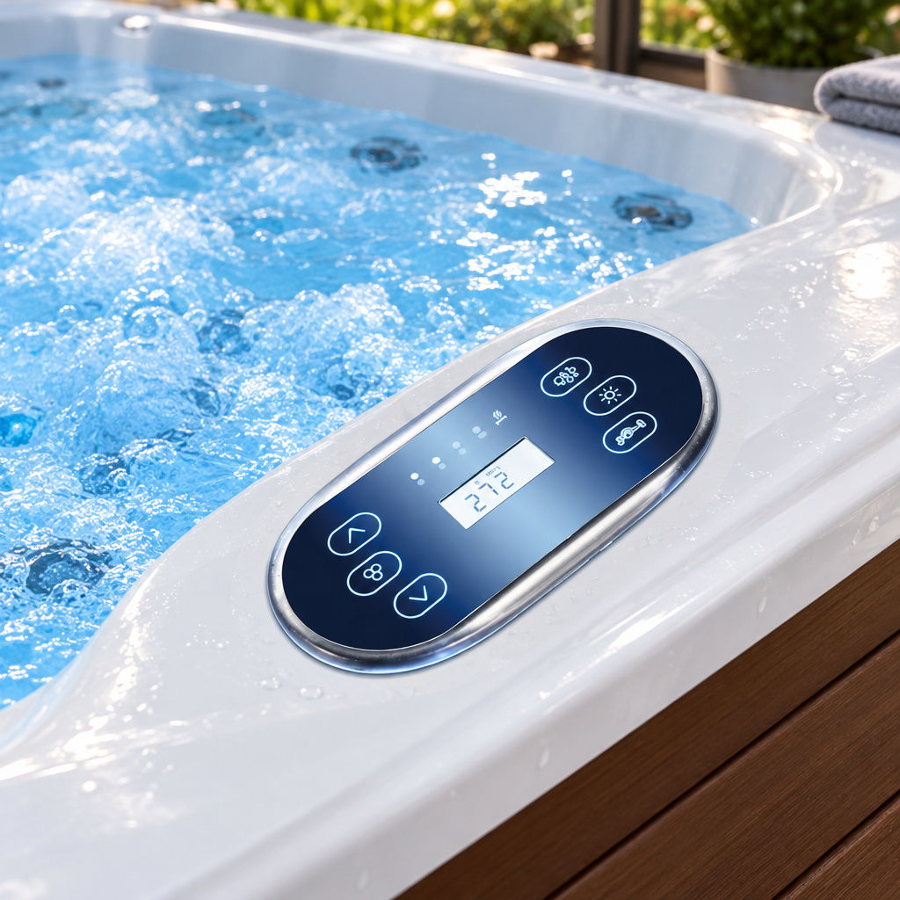
Modern compact spas replace clunky pneumatic air buttons with sealed digital interfaces. The waterproof, backlit KL2022 smart keypad mounted on the acrylic rim gives users single-touch control over the thermal system, the 16 hydrotherapy jets, underwater LED mood lighting, and the integrated Bluetooth sound system with waterproof speakers, according to the listed product features. Having clear digital feedback at your fingertips makes it easier to adjust filtration schedules or change the water temperature setting without stepping out into the cold.
Step-by-Step Selection and Site Preparation Guide for Your Home Spa
Installing a compact home spa, whether a 120v hot tub on a back porch or a higher-output four-person unit on a rooftop terrace, demands careful site preparation before the delivery truck arrives. Skipping electrical or structural checks can lead to nuisance breaker trips, voided warranties, or damaged decking. Follow this three-step sequence to verify your space and choose the right configuration.
Step 1: Auditing Your Electrical Circuit and GFCI Compliance
Electrical safety around water leaves zero room for improvisation. Even if you purchase a standard 120v hot tub, you cannot simply plug it into an existing outdoor outlet that also powers patio string lights, a garage freezer, or a sump pump. Follow these verification steps with a licensed electrician before filling any spa:
Verify a Dedicated Circuit: Confirm that a 120V plug-and-play spa has its own dedicated 15-amp or 20-amp line from the main panel, or have an electrician size a dedicated circuit appropriate for a higher-output model such as the VS-401C based on its nameplate rating.
Confirm GFCI Protection: Ensure the circuit includes Ground Fault Circuit Interrupter protection appropriate for spa installations, consistent with NEC Article 680 requirements as adopted by your local jurisdiction.
Confirm Receptacle Placement with Your Electrician: Receptacle location rules differ for indoor and outdoor installations and depend on the NEC edition adopted locally, so have your electrician and local authority confirm the required placement and setback for your specific site rather than relying on a single general distance; separately, make sure the location keeps the factory power cord within reach without using an extension cord.
Eliminate Extension Cords: Never connect a 120v hot tub using an extension cord; standard cords suffer voltage drop under continuous load, overheating the plug blades and starving the pump motor of voltage.
Step 2: Evaluating Structural Load for Patios, Balconies, and Indoors
An empty compact spa looks deceptively light, but water weighs 8.34 pounds per US gallon. Once you combine the dry shell weight, hundreds of gallons of water, and four adult occupants, the total filled load rests on a relatively small footprint of floor area. Before placing a tub on an elevated wooden deck, balcony, or upper-floor bathroom, calculate the total filled load in pounds per square foot.
For ground-level installations, use a level base, such as a reinforced concrete pad or a compacted gravel base with interlocking polymer pads, that meets the manufacturer’s siting requirements, and have its load capacity checked against the total filled weight of the spa plus occupants. The VS-401C’s water capacity and filled weight are not stated in the supplied specifications, so confirm these figures with the manufacturer before finalizing the base design. For rooftop terraces and elevated balconies, have a structural engineer inspect the joist spacing and beam piers underneath the 1900 mm by 1500 mm footprint. Additionally, measure the spa’s full dimensions against every clearance along the delivery route, including gates, elevators, and hallway doors, and confirm handling and access requirements with the supplier rather than assuming the unit will pass through a standard doorway when tilted.
Step 3: Matching Heater Capacity to Your Local Climate and Soaking Habits
Your final buying decision comes down to how and when you plan to use the water. Use these practical criteria to decide whether a 120v hot tub or a higher-output compact spa fits your household:
Assess Your Winter Low Temperatures: Consider a 120v hot tub with a 1.0 to 1.5 kW heater if you live in a warm coastal or southern climate, or if you plan to drain and winterize the spa during freezing months.
Evaluate Bather Count and Soak Duration: Consider a 3 kW heater system, such as the VS-401C with its listed 4.5 kW power supply rating, if four people will soak together for thirty minutes or longer in cool weather, then confirm with the manufacturer or installer whether the heater can run alongside the jet pump in that configuration.
Consider Indoor vs. Outdoor Placement: Installing a spa inside a private bathroom or three-season sunroom shields the cabinet from wind chill, which can make compact 4-person models more comfortable to use year-round when paired with good room ventilation.
Frequently Asked Questions About 120V Hot Tubs
Can I plug a 120V hot tub into a regular outdoor extension cord?
No, you should never use an extension cord with a 120v hot tub.
Continuous electrical draws in the 12-amp to 16-amp range create resistance inside standard extension cords, causing voltage drop at the spa pack. This voltage drop can overheat the cord insulation, damage receptacle prongs, and stress the pump motor or heating element.
How long does a 120V hot tub take to heat up for the first time?
Heat-up time depends on water volume, starting water temperature, ambient temperature, insulation, and cover use, so it varies by model and installation rather than following one fixed number.
As a general reference point for a 120V spa holding roughly 220 gallons under typical indoor conditions, a 1.0 kW to 1.5 kW heater might raise the water by around 1 to 2 degrees Fahrenheit per hour, which commonly means waiting a day or more after the initial fill before the first warm soak. Keeping the insulated cover locked in place and closing air venturi valves can help reduce heat loss during this period.
Do 120V hot tubs have weaker massage jets than hardwired models?
Jet pressure depends on pump horsepower, plumbing friction, jet nozzle count, and the spa’s specific plumbing configuration, so pump rating alone does not determine delivered pressure.
Many entry-level 120V hot tub models use smaller 1.0 HP pumps, while the VS-401C is listed with a 2 HP pump feeding 16 jets. Comparing actual jet pressure between models requires model-specific performance data, which the manufacturer has not published, so this specification difference should not be read as a confirmed pressure advantage. The main difference on a 120V circuit is that many models pause heating while jets run at full speed.
Can a compact 4-person hot tub be installed indoors or on a balcony?
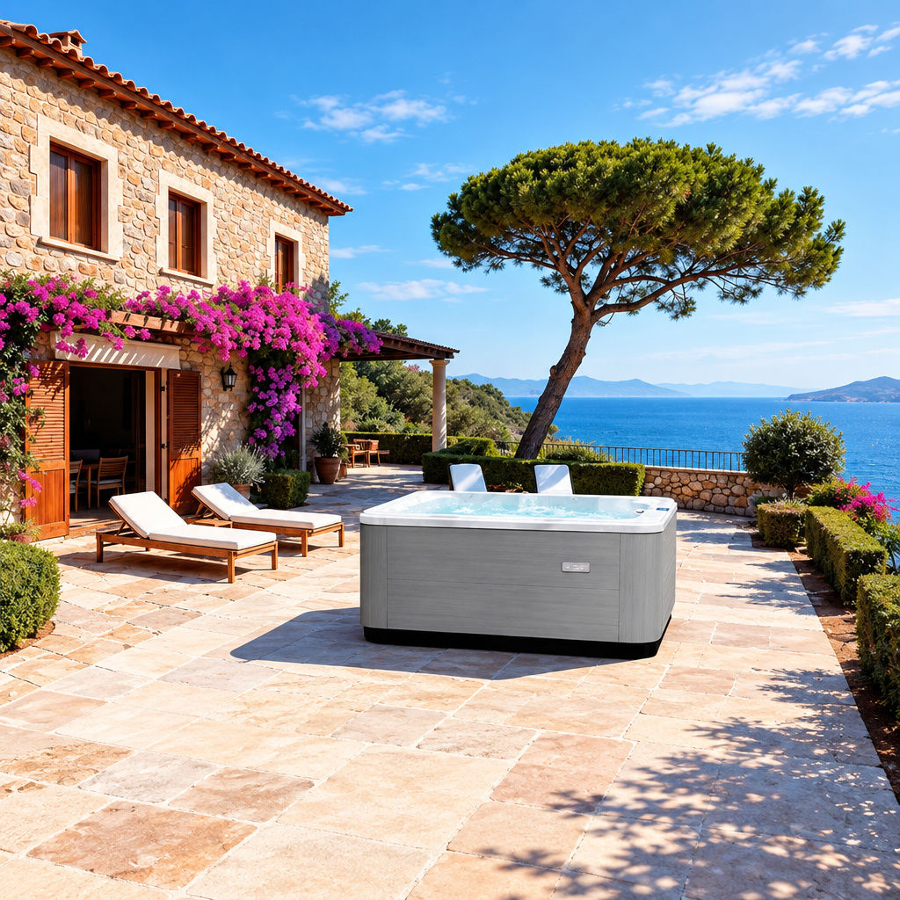
Yes, a compact 4-person spa with a 1900 mm by 1500 mm by 865 mm profile can fit well on reinforced balconies, rooftop terraces, and indoor spa rooms, provided the structure can support the filled weight.
For indoor installations, ensure the room has a working floor drain, moisture-resistant wall finishes, and an exhaust fan to handle humidity when the cover is open. For balconies, always verify the structural load rating with a qualified contractor before filling the tub.
Conclusion: Choosing the Right Compact Hydrotherapy Solution
Selecting between a standard 120v hot tub and a higher-output compact spa comes down to balancing installation convenience against heating performance across the seasons. A plug and play 120v hot tub offers a practical entry point for mild climates, renters, and short solo soaks where a 15-amp outlet is the only power source available. However, if you want a space-saving compact outdoor spa footprint and are willing to confirm wiring and control details with an installer, an ergonomically contoured four-person spa like the VS-401C, with its listed 3 kW heater, 16 jets, and ozone-UV purification system, is worth evaluating for more consistent hydrotherapy across the seasons.
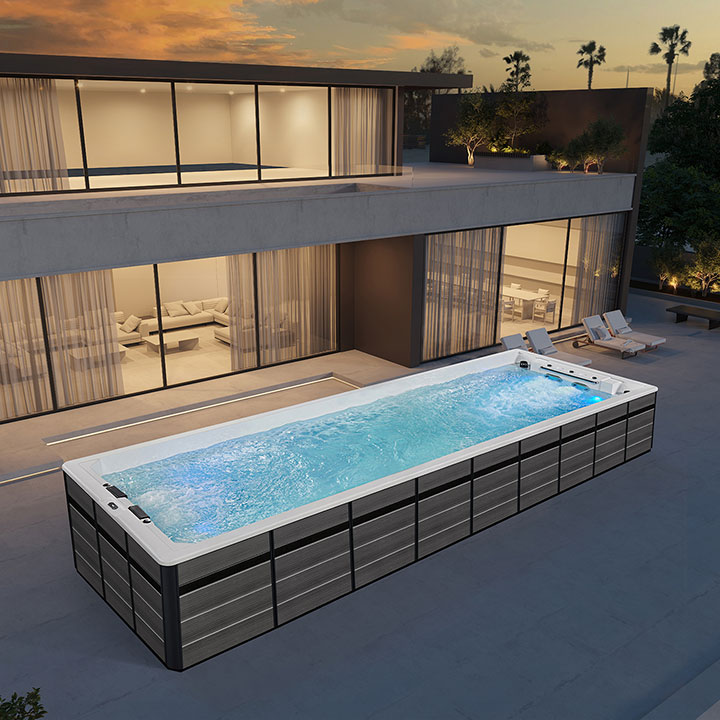
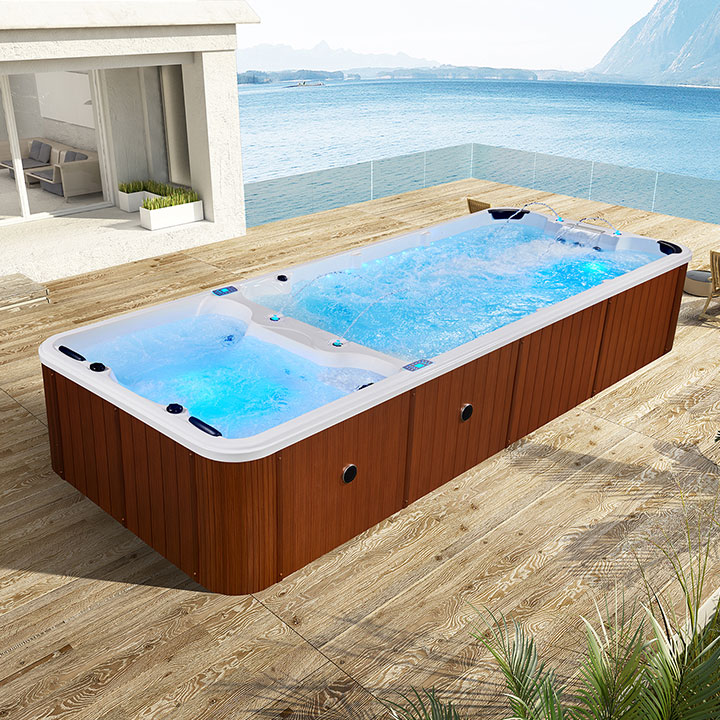
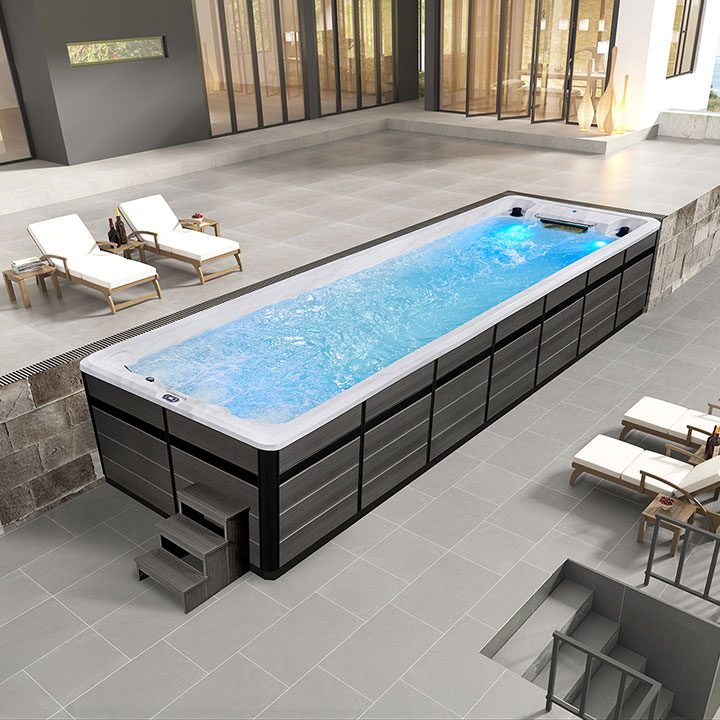
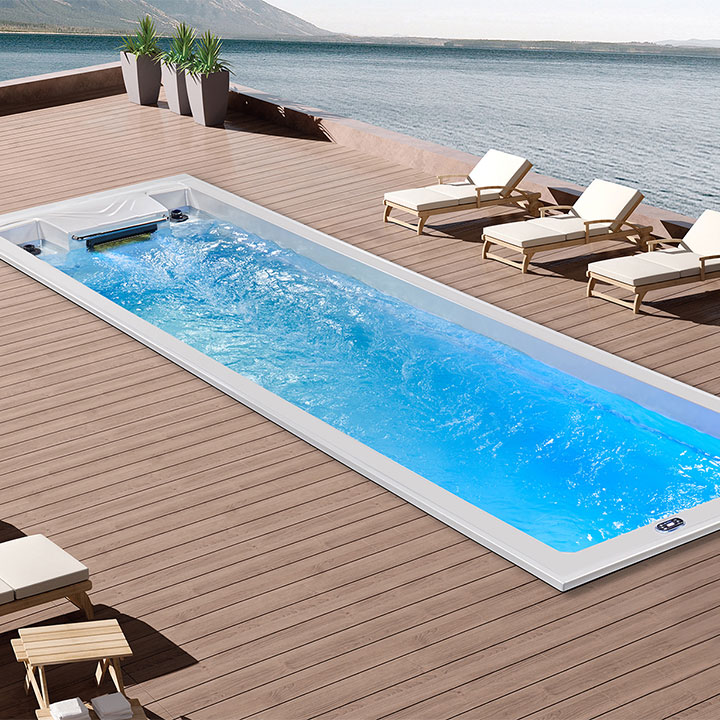
Victoria Star Swim Spa offers the perfect balance between exercise and relaxation, whether you want to swim for fitness or relax in the spacious seating.
Victoria Star Swim Spa offers the perfect balance between exercise and relaxation, whether you want to swim for fitness or relax in the spacious seating.